
Used 2003 Sterling Trucks For Sale in New York
Browse used 2003 Sterling trucks in New York. Compare Acterra, L-series, and vocational Sterling specs, GVWR, engines, and applications.
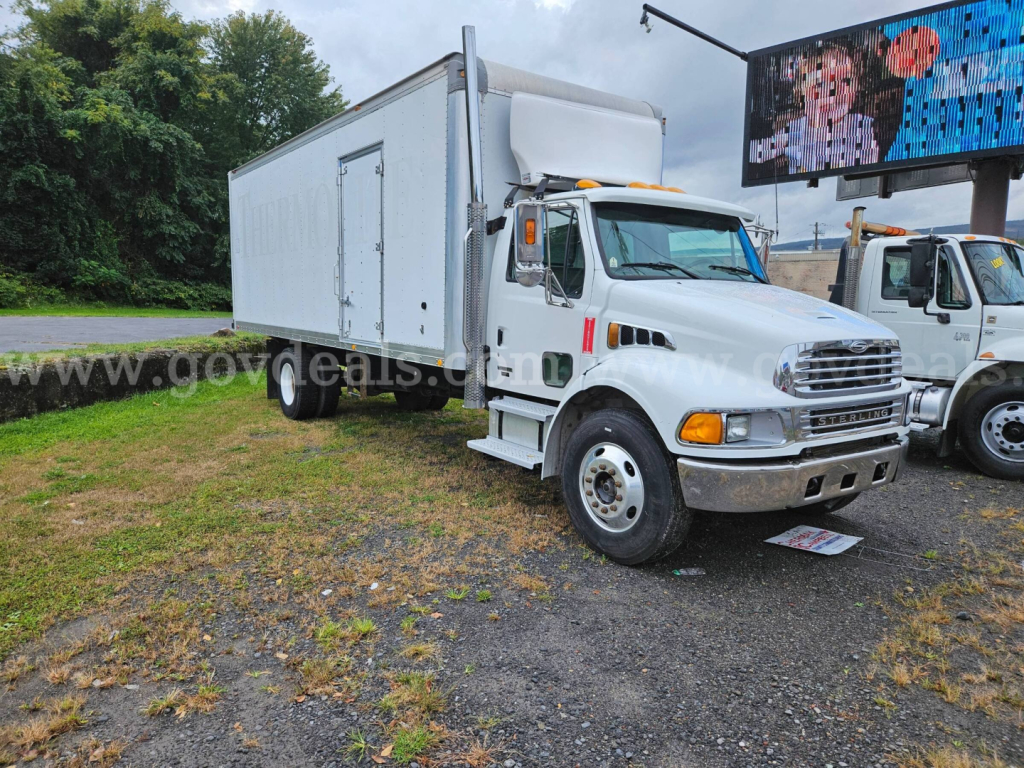
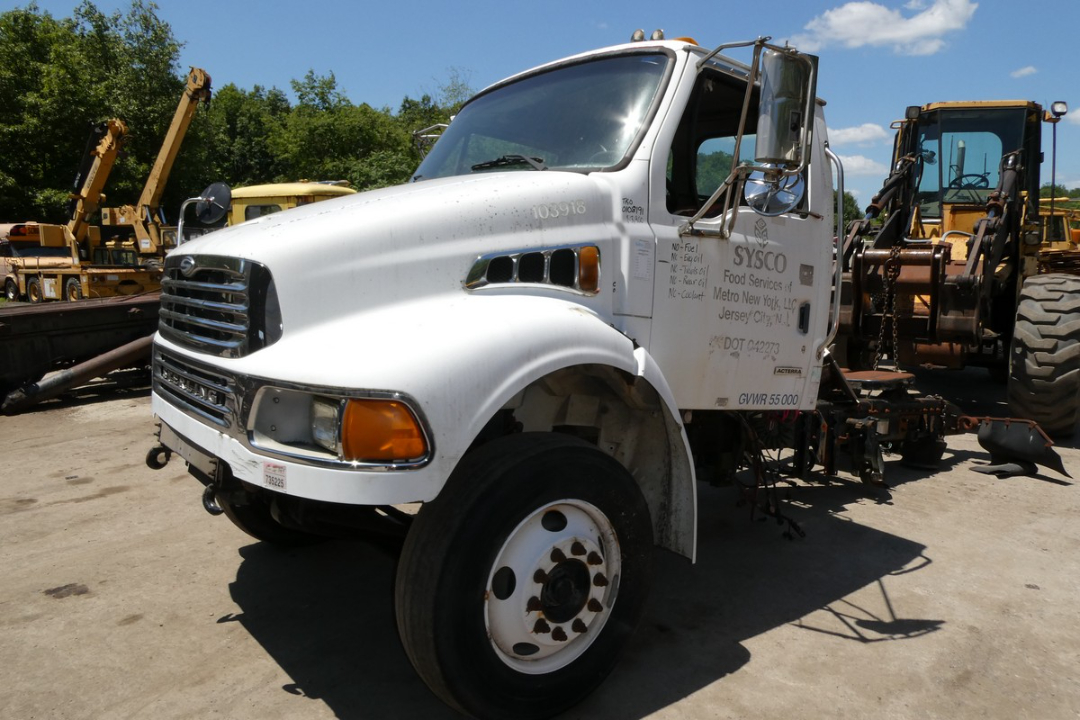
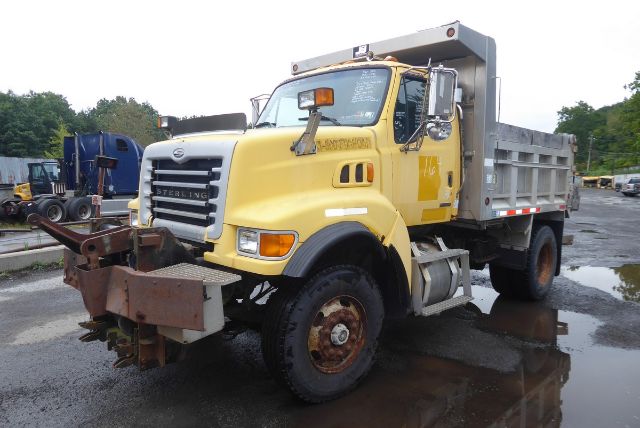
Have used 2003 sterling truck to sell? List it here to reach thousands of buyers.
Used 2003 Sterling Trucks in New York
For buyers comparing listings, start with the chassis spec, not the badge. Sterling trucks from this era often show up with Caterpillar or Mercedes-Benz diesel engines, Allison automatic or Fuller and Mercedes manual transmissions, and vocational rear ratios suited for low-speed work. Common details that matter are GVWR, wheelbase, cab-to-axle, suspension type, PTO provision, wetline or central hydraulic equipment, brake type, and whether the truck is single-frame or double-frame. On dump and plow setups, front axle capacity, spring suspension condition, and evidence of municipal corrosion are especially important. On box or delivery applications, look closely at body length, liftgate condition, door opening dimensions, and whether the chassis uses hydraulic disc or full air brakes.
A 2003 Sterling can still be a practical buy when the intended job matches the truck's gearing and axle package. Many were spec'd with heavy spring suspensions, Rockwell rears, and aggressive ratios that work well for stop-and-go hauling, snow equipment, and local route service but are less ideal for sustained highway speed. If the truck has an Allison automatic, verify PTO operation if it will run a dump body, spreader, roll-off, or other hydraulic attachment. If it is an Acterra dump or municipal chassis, inspect the hoist, body mounts, frame top flange, crossmembers, spreader controls, and plow wiring just as carefully as the engine. A low odometer on an older Sterling does not automatically mean low wear, especially on former town or county units where idle hours, seasonal service, and replacement instrument clusters are common.
Parts support and serviceability remain part of the buying equation. Sterling is no longer in production, so buyers should think in terms of engine, transmission, axle, and brake component support rather than relying on the truck brand alone. That is usually workable because many 2003 Sterling trucks were built with widely supported driveline components from Caterpillar, Mercedes, Rockwell, Hendrickson, Allison, and Eaton Fuller. The best listing is usually the one with a clear maintenance history, complete drivetrain specs, and an application-ready setup that fits the job without major rework.
Frequently Asked Questions about Used 2003 Sterling Trucks in New York
What should I check first on a used 2003 Sterling truck?
Start with the truck's actual vocational spec: GVWR, axle ratings, wheelbase, cab-to-axle, engine, transmission, rear ratio, suspension, and brake system. Those items determine whether the truck fits a dump body, box, plow, roll-off, or tractor application. After that, inspect frame condition, PTO or hydraulic operation, corrosion, and maintenance records. On New York trucks, rust at the frame, cab mounts, body mounts, and underbody equipment is often one of the biggest value factors.
Are 2003 Sterling trucks good for dump and municipal work?
Yes, many 2003 Sterling trucks were built specifically for vocational and municipal service. The Acterra and heavier Sterling platforms were commonly spec'd with spring suspensions, heavy rear axles, PTO capability, and gearing suited for low-speed work. That makes them a logical fit for dump bodies, snow plows, spreaders, and other local government or contractor tasks. The key is verifying that the hydraulic system, front axle capacity, and frame condition still support the intended body and seasonal equipment.
Which engines are common in a 2003 Sterling truck?
Common engines in this era include Caterpillar medium-duty and heavy-duty diesels and Mercedes-Benz engines, depending on the model and application. The right choice depends less on brand name and more on service history, cold-start behavior, blow-by, fault codes, and local parts support. Buyers should also confirm horsepower and torque against the truck's intended use, especially if the truck will carry a dump body, tow equipment, or operate in stop-and-go municipal service.
Is parts availability a problem for Sterling trucks?
Brand-specific trim and cab-related items can be more limited than on current-production trucks, but major service parts are often still obtainable because these trucks commonly used widely supported engines, transmissions, axles, brakes, and suspension components. Buyers should identify the exact drivetrain and chassis components from the VIN and data tags before purchase. A Sterling with standard Caterpillar, Allison, Eaton Fuller, Rockwell, or Hendrickson equipment is generally easier to support than buyers sometimes assume.
What matters most when comparing a 2003 Sterling in New York?
Application fit and rust condition usually matter more than mileage alone. A municipal or contractor-owned Sterling may have low road miles but high idle time, seasonal plow use, and heavy exposure to salt. Compare frame corrosion, brake and hydraulic line condition, spring packs, cab floors, electrical repairs, and body mount integrity alongside engine and transmission performance. A truck with honest wear, complete specs, and documented service is often the better purchase than one with a cleaner odometer story but weak structural condition.