
Sterling Trucks For Sale in Iowa

Have sterling truck to sell? List it here to reach thousands of buyers.
Sterling Trucks in Iowa
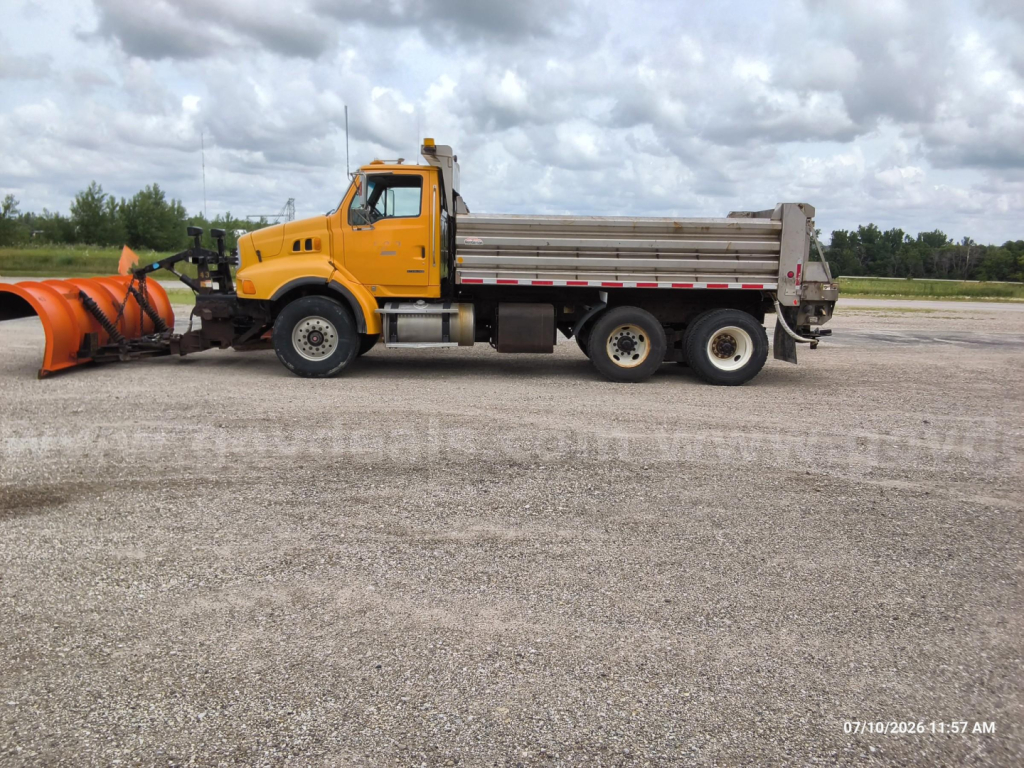
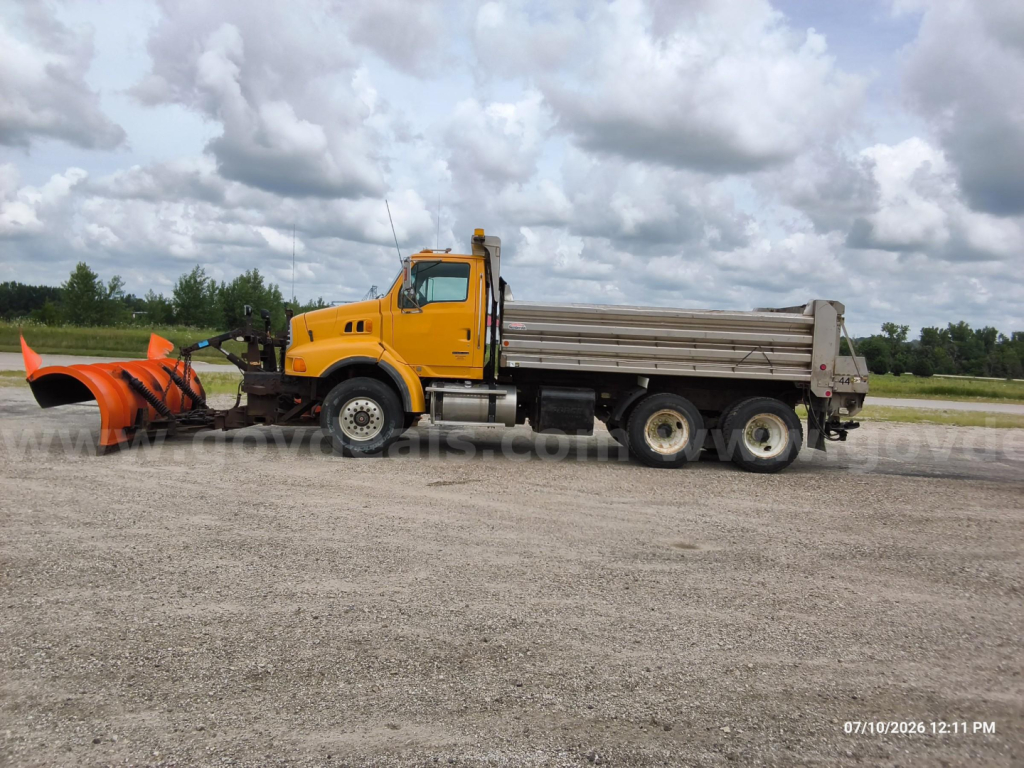
A big part of shopping Sterling trucks is understanding the chassis and drivetrain combination. Common models include the Acterra and heavier LT-series trucks, with diesel engines from Mercedes-Benz, Caterpillar, Cummins, and Detroit Diesel depending on year and application. Buyers will also see manual Eaton Fuller transmissions, Allison automatics, single-axle and tandem-axle setups, and axle ratings spec'd for anything from local delivery to severe-service hauling. If the truck is equipped for a body or attachment such as a grapple, dump body, boom, or utility package, check PTO operation, frame condition, hydraulic routing, suspension wear, and steer axle loading. On older vocational trucks, spring bushings, hangers, drag links, clutch adjustment, and evidence of frame rust or previous repairs deserve a close look.
Sterling trucks are often considered by buyers who value function over brand prestige. The cab layouts are generally simple, visibility is good, and many units were ordered with work-truck priorities like vinyl interiors, durable controls, and easy-access service points. That can make them a good fit for fleets, municipalities, tree service operators, and owner-operators running specialized local work. For Iowa buyers, it is smart to verify cold-start behavior, brake condition, heater and defroster performance, and any corrosion from winter exposure, especially on trucks that spent years in county or city service.
The best Sterling truck is the one matched to the job cycle. A tandem-axle LT set up for forestry or heavy vocational work is a very different purchase than a medium-duty delivery or utility truck. Look closely at wheelbase, GVWR, transmission type, rear axle ratio, PTO provisions, body integration, and title or service history. Sterling may no longer be in production, but many trucks still earn their keep because they were built around proven driveline components and vocational upfit flexibility.
Frequently Asked Questions about Sterling Trucks in Iowa
What are Sterling trucks best known for in the used market?
Sterling trucks are best known for vocational applications and simple, work-focused chassis design. Many were spec'd for dump, refuse, forestry, municipal, utility, and construction use, which means buyers often find heavier frames, PTO-ready drivetrains, tandem axles, and durable suspensions. They are commonly chosen by operators who want a practical truck built around widely recognized engine, transmission, and axle components.
Are parts and service still realistic for Sterling trucks?
Yes, in many cases parts support is still realistic because Sterling trucks were commonly built with major supplier components such as Eaton Fuller transmissions, Allison automatics, and engines from well-known diesel manufacturers. The truck brand itself is discontinued, so buyers should confirm cab, trim, lighting, and model-specific items before purchase, but routine service and many drivetrain parts are typically more manageable than people expect. The exact support picture depends on the model year, engine family, and how specialized the body equipment is.
What should I inspect first on a used Sterling vocational truck?
Start with frame condition, suspension wear, steering play, hydraulic operation if equipped, and drivetrain function under load. On older vocational Sterling trucks, it is smart to check spring bushings, hangers, drag links, clutch condition on manual transmissions, PTO engagement, and any oil or coolant leaks around the engine. Also inspect the body installation, crossmembers, electrical repairs, and signs of hard off-road or municipal service because those factors often matter more than odometer readings alone.
Which Sterling specs matter most when comparing listings?
The most important specs depend on the application, but buyers usually focus on GVWR, axle ratings, wheelbase, engine model, transmission type, rear axle ratio, suspension type, and PTO capability. For trucks carrying grapples, dump bodies, or other hydraulic equipment, hydraulic pump setup, body integration, and weight distribution are also critical. A truck can look similar on paper but perform very differently based on rear gearing, suspension spec, and how the chassis was originally ordered.
Are Sterling trucks a good fit for Iowa operations?
They can be a strong fit for Iowa operations because many Sterling trucks were built for exactly the kind of regional work common in the state, including municipal service, grain and aggregate hauling support, tree work, and local construction duty. Buyers should pay close attention to cold-weather starting, brake performance, heater and defroster function, and corrosion from winter road treatment. A well-maintained Sterling with the right axle and drivetrain spec can still be a dependable local and vocational work truck.