
Step Van Trucks For Sale in Missouri
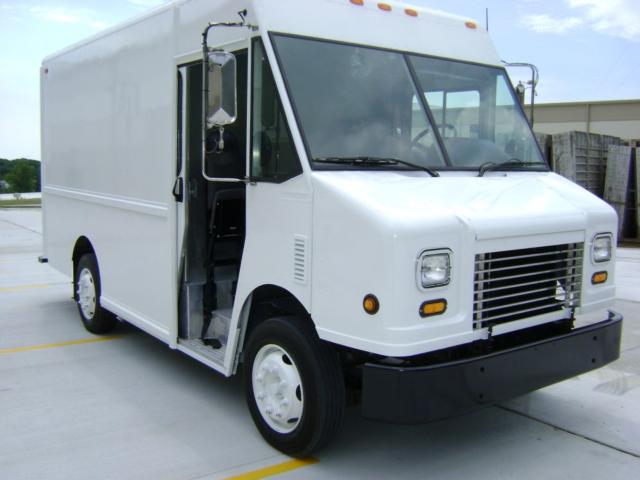
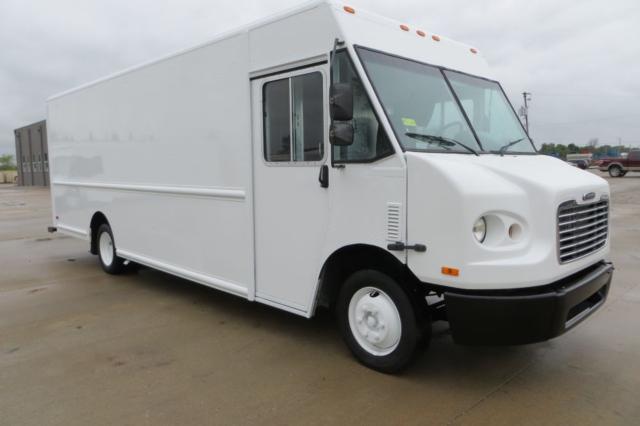
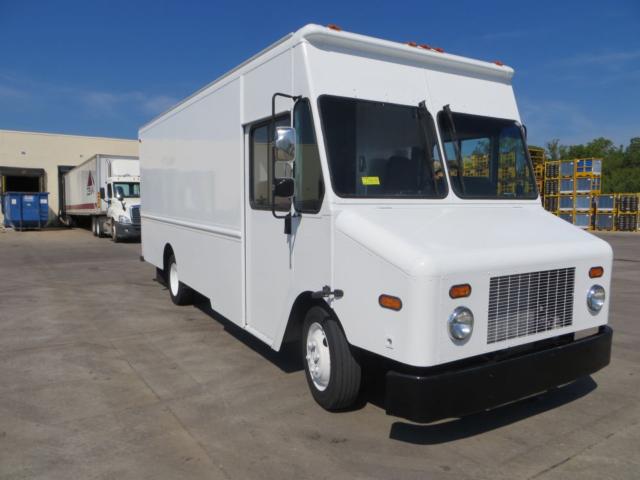
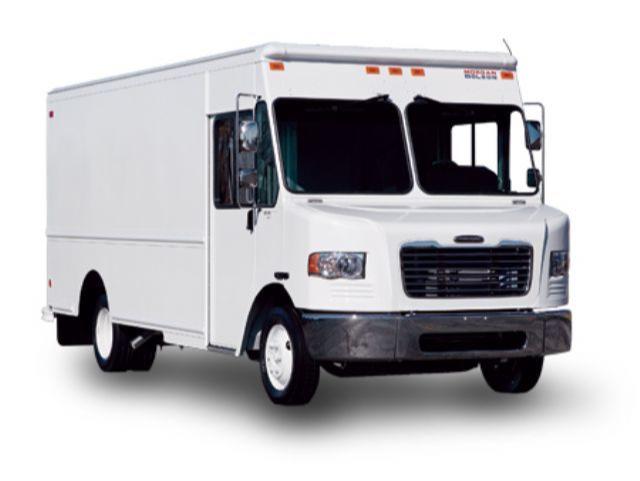
Have step van truck to sell? List it here to reach thousands of buyers.
Step Van Trucks in Missouri
Missouri routes vary from dense urban stops in St. Louis and Kansas City to rolling grades in the Ozarks. Urban parcel and service work benefits from shorter wheelbases in the 158 to 178 inch range for tight alleys and cul-de-sacs, curbside sliding doors for rapid entry, and a rear roll-up door to speed dock turns. Rural and regional work that sees longer stretches and occasional grades favors 18 to 22 foot bodies on 190 to 218 inch wheelbases for volume and stability, plus higher torque ratings. Climate-wise, spec heated mirrors, block heaters, and traction aids for winter ice. Salt exposure around metropolitan areas makes aluminum bodies and sealed undercoating worthwhile, and it pays to inspect frame flanges, crossmembers, and rear spring hangers for corrosion.
Cargo and upfit decisions drive productivity. Body lengths typically run 14 to 22 feet with stand-up interiors, yielding roughly 700 to 1,300 cubic feet. Roll-up doors speed frequent stops but need periodic spring and track service. Swing doors seal a bit tighter for highway use. Interior buildouts range from riveted aluminum shelves and parcel racks to e-track, scuff liners, and LED cargo lighting. Bulkhead doors improve security and climate control between cab and cargo. Look for low step-in height, a deep rear step bumper or pull-out ramp for hand trucks, or a tuck-under liftgate if you move heavier appliances or vending product. Backup cameras, telematics, and idle management help safety and fuel burn, especially in stop-and-go.
Powertrain choice is a trade-off between simplicity and torque. Gasoline V8 and V10 platforms cost less up front and avoid DPF and DEF systems, making them attractive for short routes with heavy idling. Modern diesels like the Cummins B6.7 paired with an Allison deliver higher low-end torque, better fuel economy at load, and longer service life, but require proper regeneration on high-idle parcel routes. Electric walk-in vans are emerging for predictable urban loops; evaluate daily route length, charging access, and payload needs. On used units, verify ECM engine hours versus odometer miles, check steering gear lash and front axle kingpins, inspect roll-up door hardware, and confirm GVWR and axle ratings leave enough legal payload after shelves, liftgates, generators, or food-service equipment are added. These details separate a step van that merely works from one that runs profitably in Missouri’s mixed operating conditions.
Frequently Asked Questions about Step Van Trucks in Missouri
Do I need a CDL to drive a step van in Missouri?
Missouri generally follows the federal threshold where a CDL is required at 26,001 lb GVWR and above. Many MT-45 style step vans are rated 16k to 19.5k GVWR and can be operated without a CDL. Heavier MT-55 builds often approach or exceed the 26k mark. Air brakes are more common on high-GVWR units, but CDL requirements are driven by GVWR, not the brake type. Always confirm with the Missouri Department of Revenue and verify the VIN plate GVWR on the specific unit.
Gas or diesel for stop-and-go delivery routes in Missouri?
Gasoline step vans offer lower acquisition cost, straightforward maintenance, and avoid DPF/DEF. They excel on short, high-idle urban routes where average speeds are low. Diesel delivers superior torque and fuel economy under load and on longer regional routes, but needs proper regeneration in parcel duty to avoid soot buildup. If annual mileage is modest and routes are dense, gas can be the lowest total cost. If you run heavier payloads or put on highway miles, a diesel like the Cummins B6.7 with an Allison automatic is hard to beat.
What body length and wheelbase work best for St. Louis and Kansas City streets?
For dense metro routes with tight alleys and parallel parking, a 14 to 16 foot body on a 158 to 178 inch wheelbase turns easily, keeps curb-to-curb radius manageable, and pairs well with curbside sliders and a roll-up rear door. If you need more cube and still run urban, an 18 foot body on a roughly 190 inch wheelbase is a workable middle ground. For mixed urban-suburban or lighter regional work, 18 to 22 foot bodies on 190 to 218 inch wheelbases carry more volume with better highway stability.
What should I inspect on a used step van before buying?
Check the frame rails, crossmembers, rear spring hangers, and step wells for rust and cracks. Look for soft spots in the cargo floor, worn bulkhead or roll-up door tracks, broken springs, and water intrusion around roof seams. Verify steering components, kingpins, and tie-rod ends for play, and scan the ECM for fault codes, idle hours, and regen history on diesels. Inspect brake lining thickness, rotor or drum condition, ABS lights, axle seals, and 19.5 inch tire date codes and tread wear. Confirm GVWR, axle ratings, and remaining legal payload with the current upfits installed.
Can a step van be converted to a food truck, and what specs matter?
Yes. Aim for an 18 to 20 foot body with a high roof to accommodate hood systems and service windows, and verify the chassis has enough remaining payload for cooking equipment, water tanks, and a generator. Aluminum bodies resist corrosion around cooking moisture. A heavy-duty electrical system, exterior propane cage, and reinforced sidewall for a serving hatch are typical needs. Confirm the final build will remain within GVWR and comply with local health and fire codes in Missouri municipalities.