
2025 Harbinger Step Van Trucks For Sale in Texas
Shop 2025 Harbinger step van trucks in Texas. Compare electric walk-in vans built for delivery, parcel, route service, and urban fleet use.
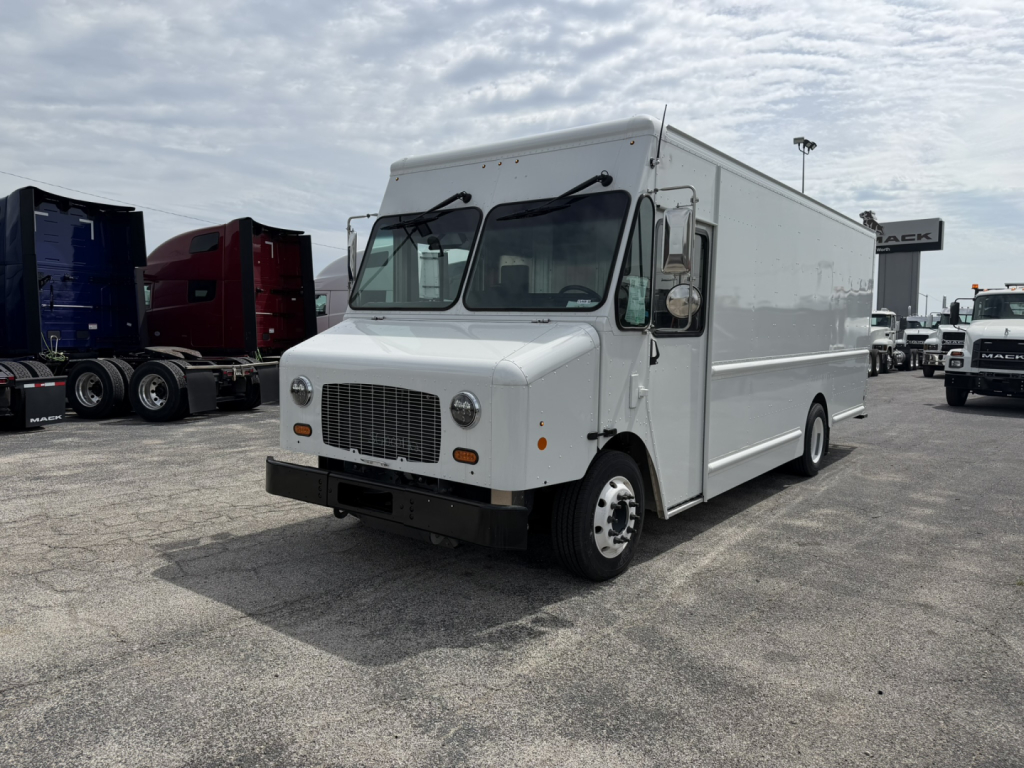
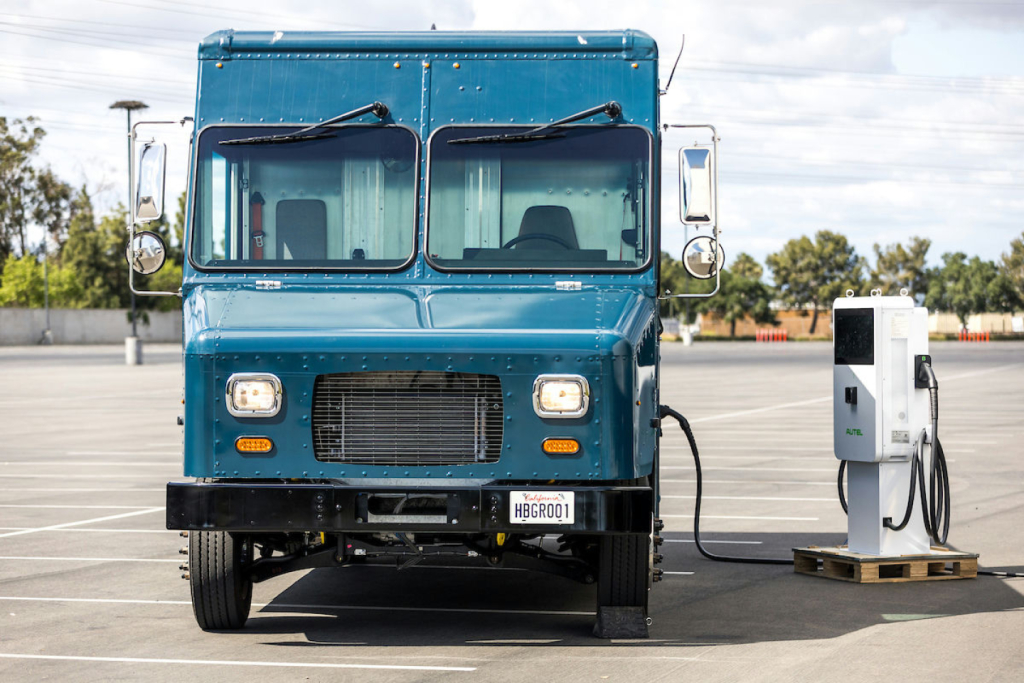
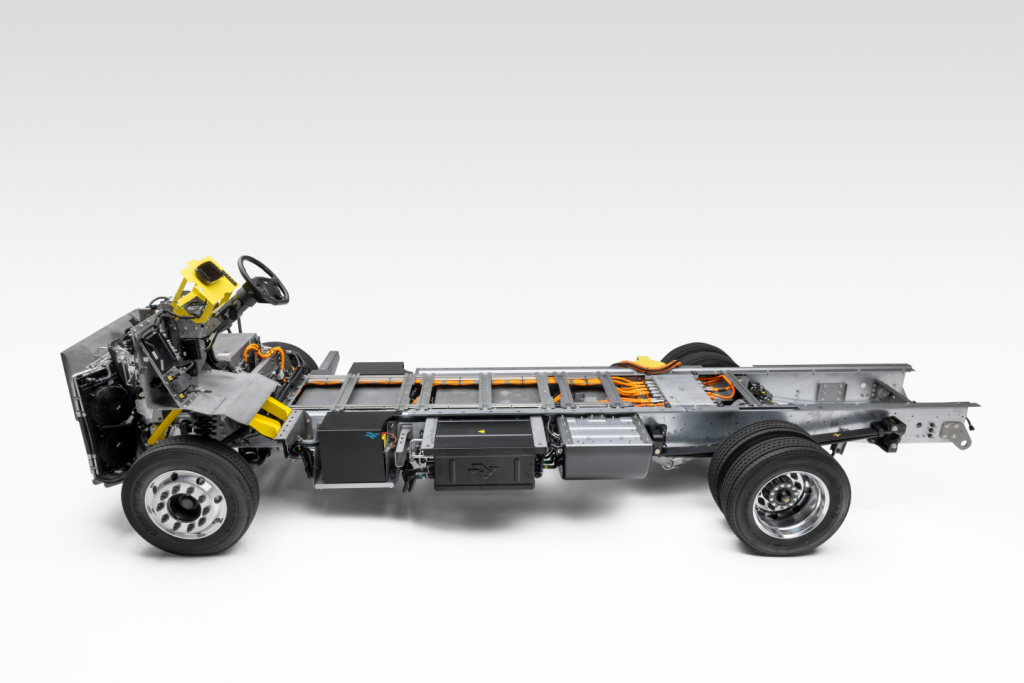
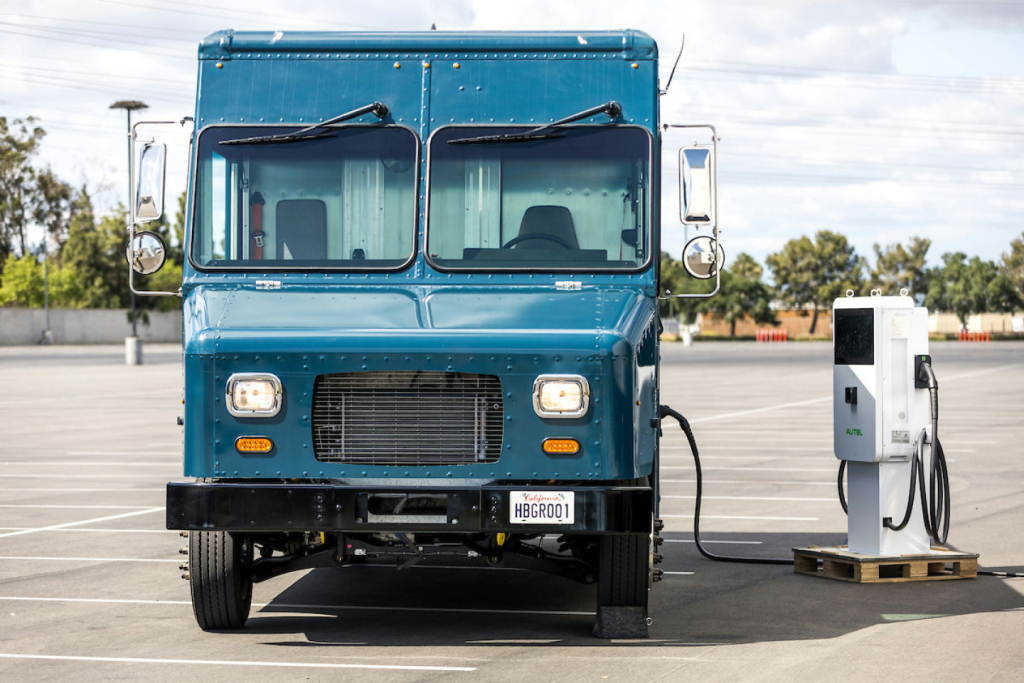
Selling a 2025 harbinger step van truck? List your 2025 harbinger step van truck for sale and reach thousands of commercial buyers.
2025 Harbinger Step Van Trucks in Texas
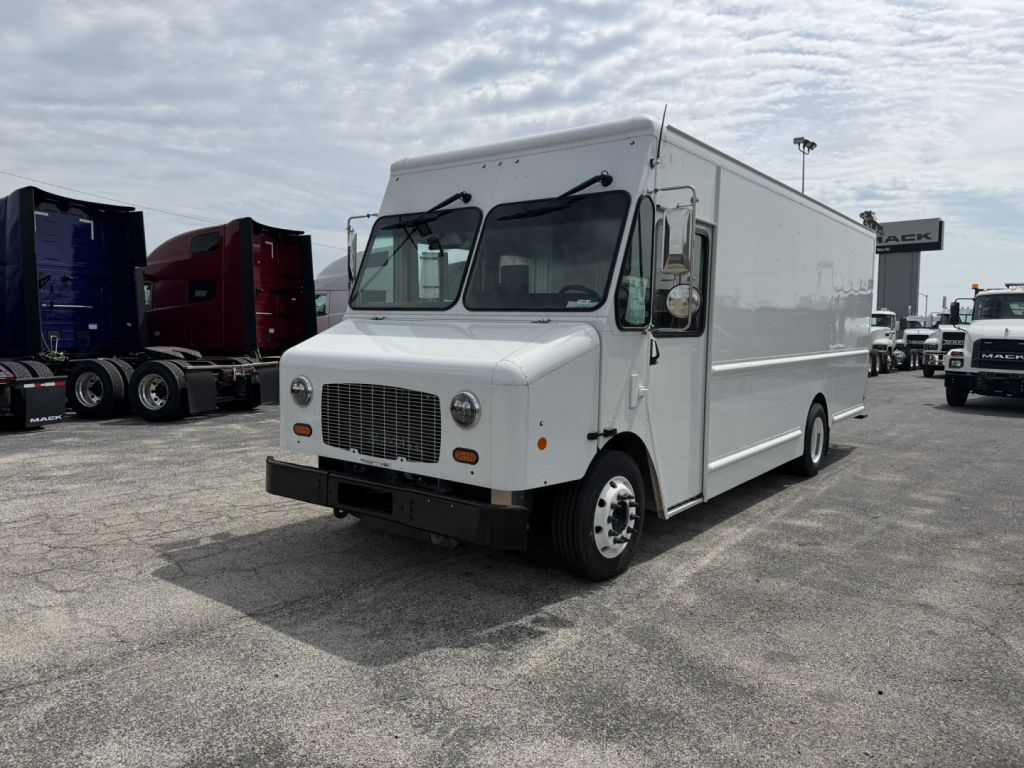
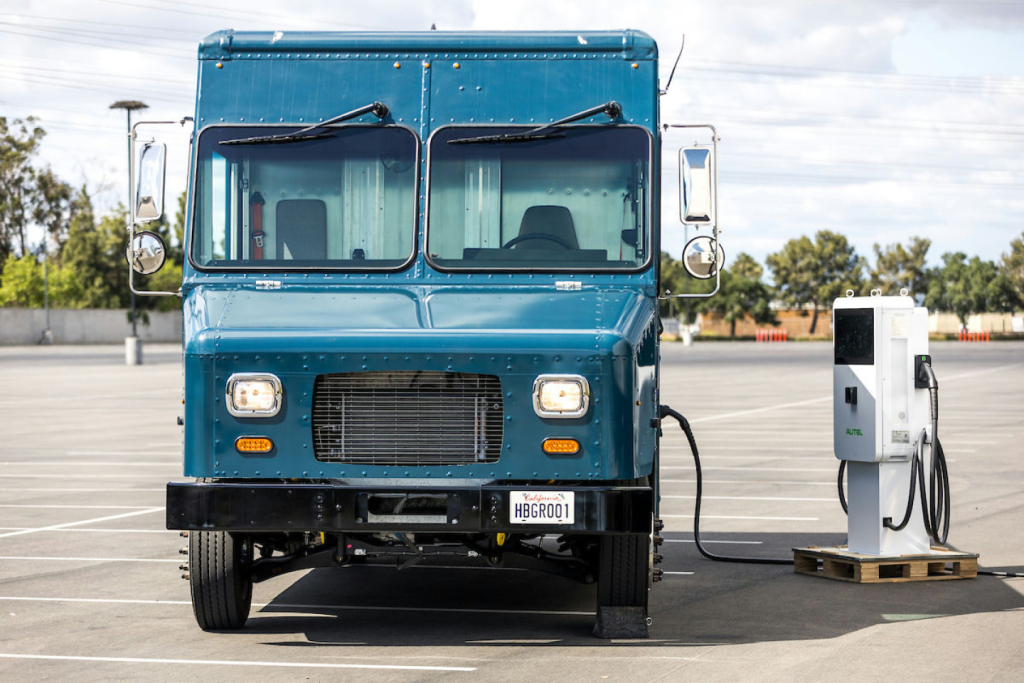
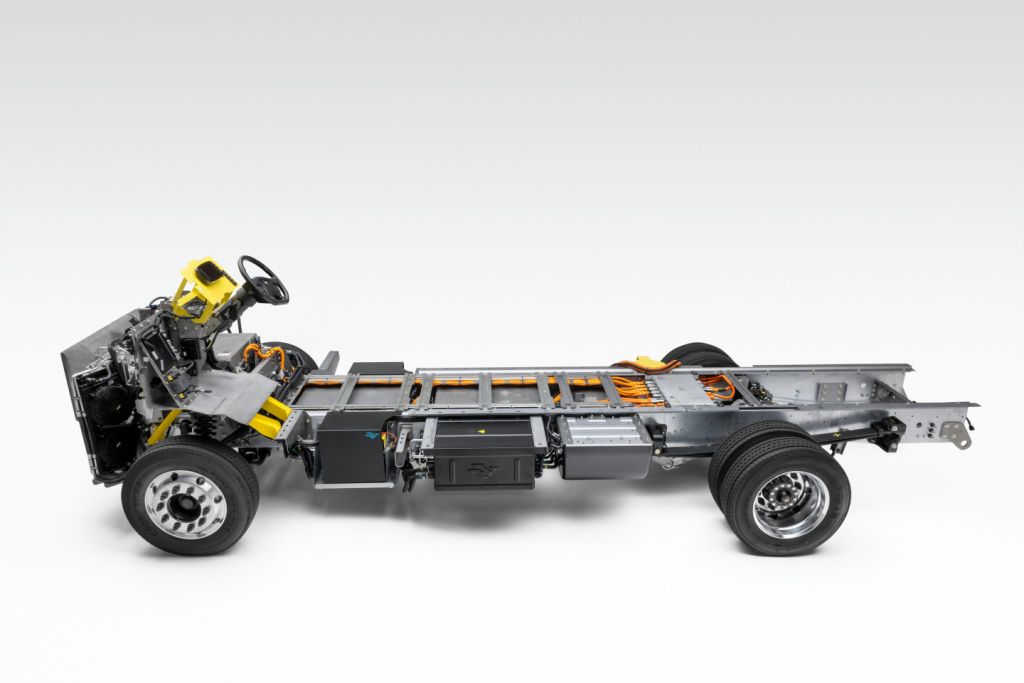
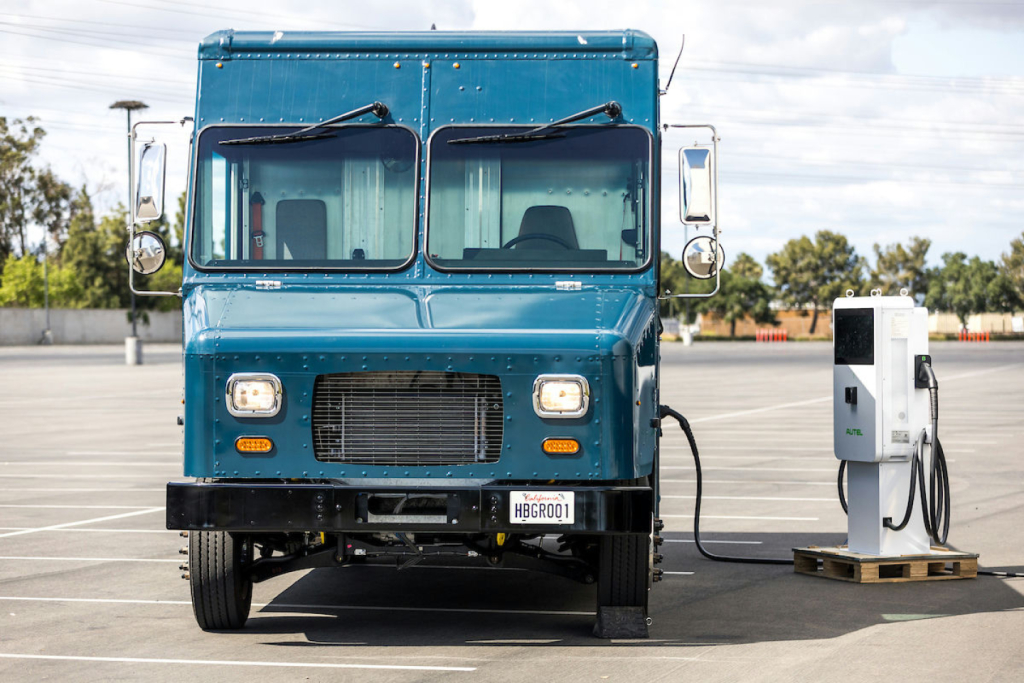
The main buying decision starts with route profile. A step van works best on dense routes with frequent stops, predictable return-to-base charging, and limited off-route mileage. Compared with a conventional cab chassis and box truck, a step van gives the driver faster cab-to-cargo movement, better ergonomics for repetitive delivery work, and easier entry and exit throughout the day. On electric models, operators should look closely at battery capacity, estimated loaded range, charge time, charger compatibility, and how HVAC use affects route planning in Texas heat. Payload still matters, so body size and shelving layout need to be matched against battery weight and the actual cube and stop count of the route.
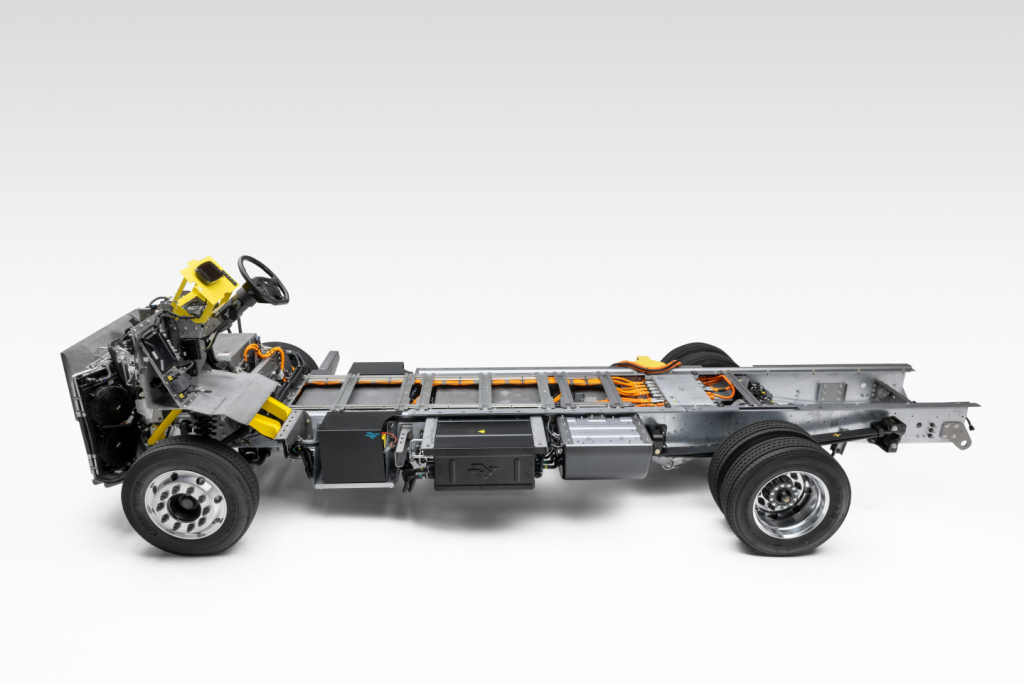
Common specs in this class include multiple wheelbase options, GVWR ratings suited to medium-duty delivery use, roll-up rear doors or swing doors, curbside entry doors, interior shelving packages, backup cameras, and telematics integration. Buyers should also pay attention to floor height, step-in height, cargo area standing room, turning radius, and front suspension design because those details affect driver fatigue and route time more than brochure numbers suggest. For fleets operating in Texas metros, charging access, depot electrical capacity, service support, and parts availability are just as important as the chassis itself. Regenerative braking performance in stop-and-go traffic can be a real advantage, but the truck still needs to fit the route, the body spec, and the charging window.
A well-matched Harbinger step van can lower fuel spend, cut brake wear in dense delivery cycles, and improve driver efficiency on repetitive routes. It is not the right tool for every application. Long rural loops, unpredictable dispatches, and heavier payload demands can push an electric walk-in van outside its sweet spot. Buyers comparing S534, S554, or S655 type models should focus on how wheelbase and body length affect maneuverability, cargo cube, axle loading, and dock or curbside access. The best purchase decision usually comes from mapping the truck to the route first, then confirming charging, upfit, and maintenance support around that real-world duty cycle.
Frequently Asked Questions about 2025 Harbinger Step Van Trucks in Texas
What is a Harbinger step van best used for?
A Harbinger step van is best suited for high-frequency stop-and-go delivery routes where drivers need fast access between the cab and cargo area. Typical applications include parcel delivery, final-mile distribution, bakery and food routes, uniform and linen service, and municipal or commercial service work. The walk-in body design improves route efficiency because drivers can move through the cargo area without climbing in and out of a conventional box truck body at every stop.
How do I choose between different Harbinger step van sizes like S534, S554, and S655?
The right size depends on route density, cargo cube, payload, and operating environment. A shorter configuration is usually easier to maneuver in tight urban streets, alleys, and crowded loading zones. A longer body can improve cubic capacity and shelving flexibility, but it may reduce maneuverability and change axle loading. Buyers should compare wheelbase, body length, GVWR, turning radius, and how the loaded truck will perform on the actual route, not just on paper.
Are electric step vans practical for Texas delivery fleets?
Electric step vans can be practical in Texas if the route is predictable and charging is planned correctly. Dense metro routes with a return-to-base schedule are often a strong fit. The main considerations are daily mileage, stop count, ambient temperature, air-conditioning load, charger access, and depot power capacity. In hotter climates, HVAC demand can affect usable range, so buyers should evaluate real route data and leave operating margin instead of relying only on ideal-condition estimates.
What should I inspect on a step van body besides the chassis?
Body specification is a major part of the buying decision. Buyers should inspect door type, shelving layout, interior dimensions, floor material, step-in height, visibility, lighting, and the overall quality of the walk-in body construction. On delivery trucks, details like rear access, bulkhead layout, grab handles, camera systems, and cargo organization can have a direct effect on driver productivity and damage control. A strong body spec often matters as much as the powertrain for route efficiency.
What are the main advantages of an electric step van compared with a gas or diesel delivery truck?
An electric step van typically offers lower energy cost per mile, quieter operation, less idling wear, and strong drivability in stop-and-go service. Regenerative braking can reduce brake wear on dense routes, and the cab experience is often smoother for the driver. The tradeoff is that route planning, charging infrastructure, and range management become part of daily operations. For the right application, the efficiency gains are meaningful, but the truck must be matched to a defined duty cycle.