
Step Van Trucks For Sale in Colorado
Browse step van trucks for sale in Colorado. Compare body lengths, GVWR, electric and diesel options, payload, and delivery-route suitability.
Learn moreBrowse Step Van Trucks by Make
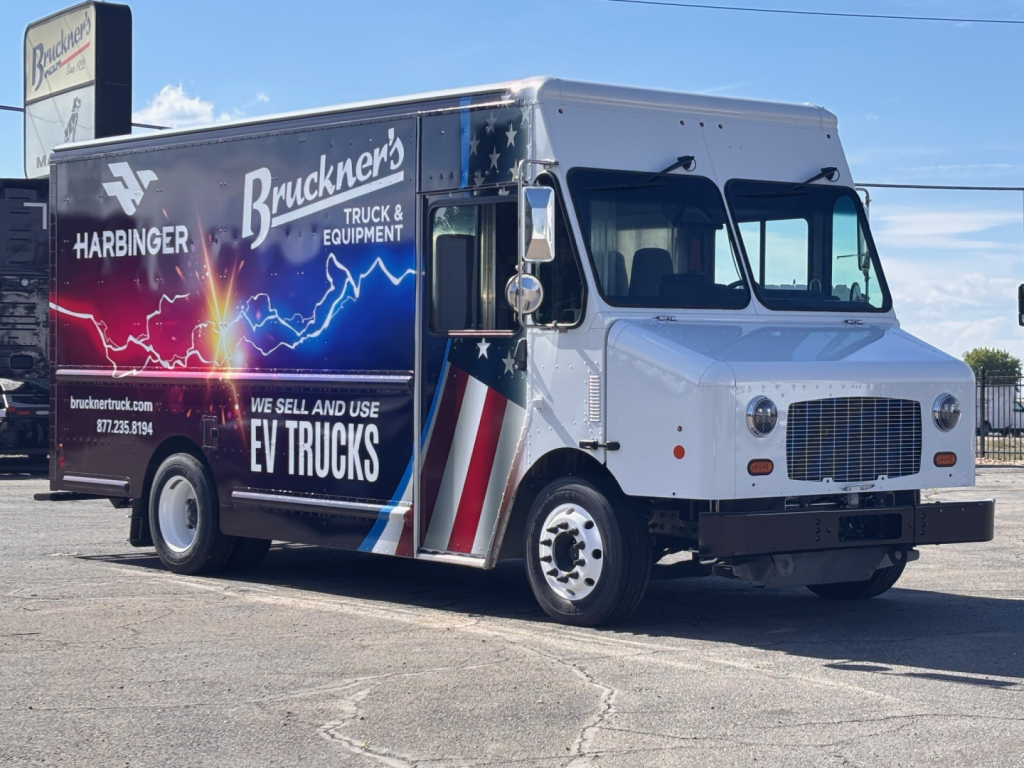
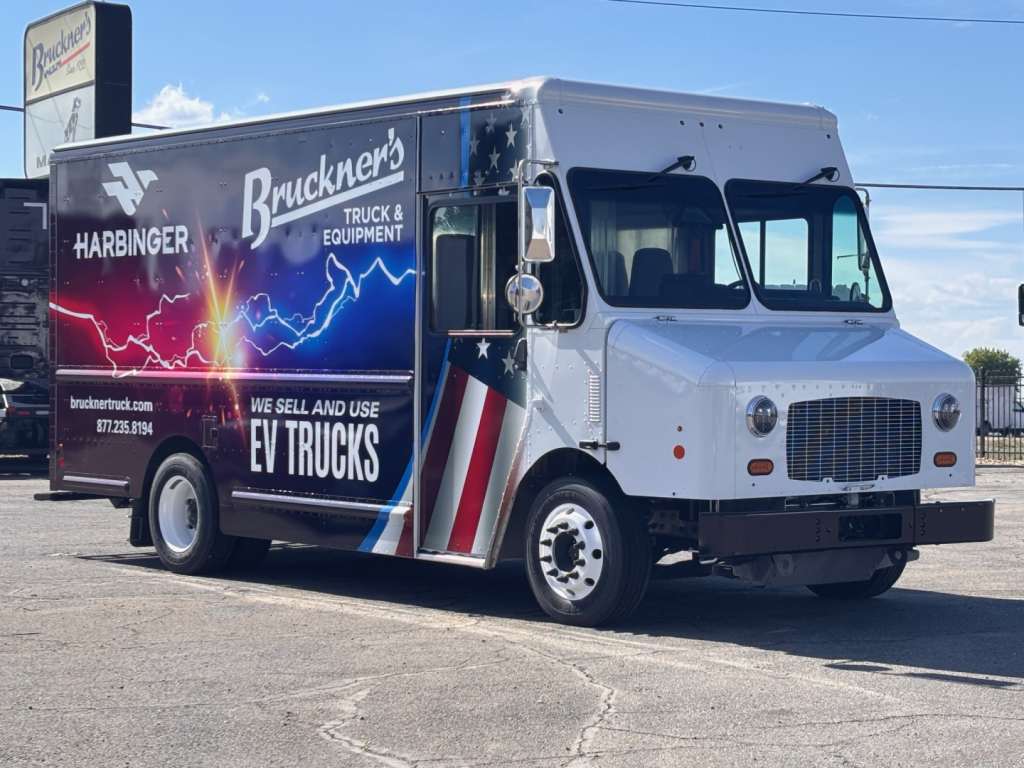
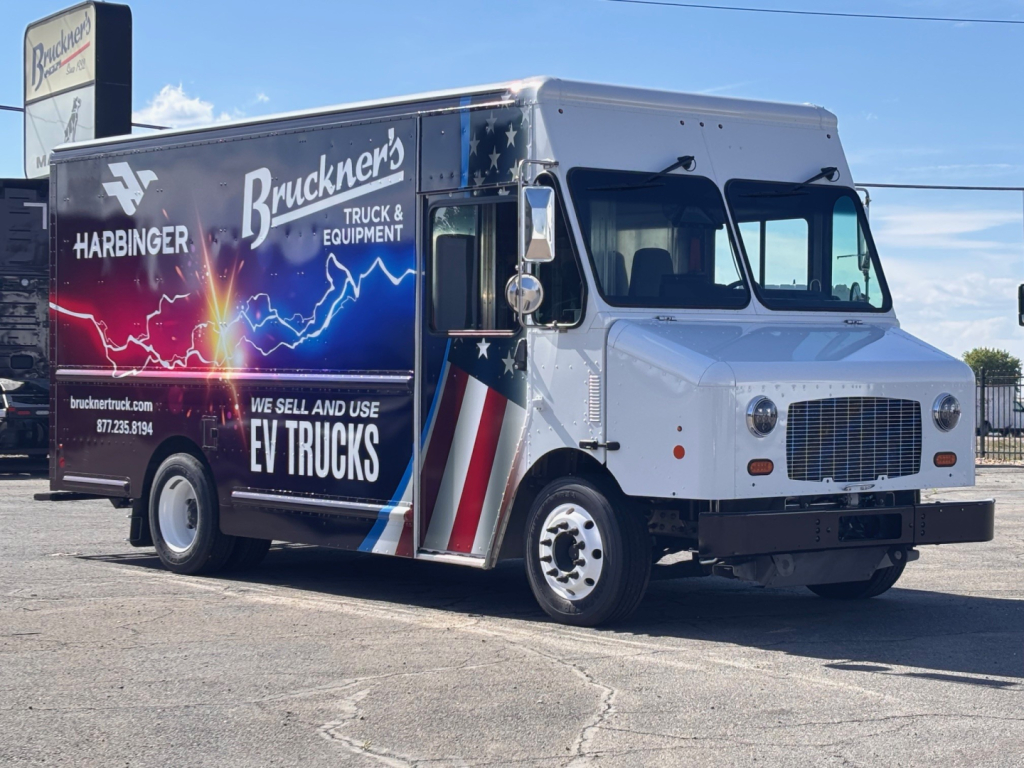
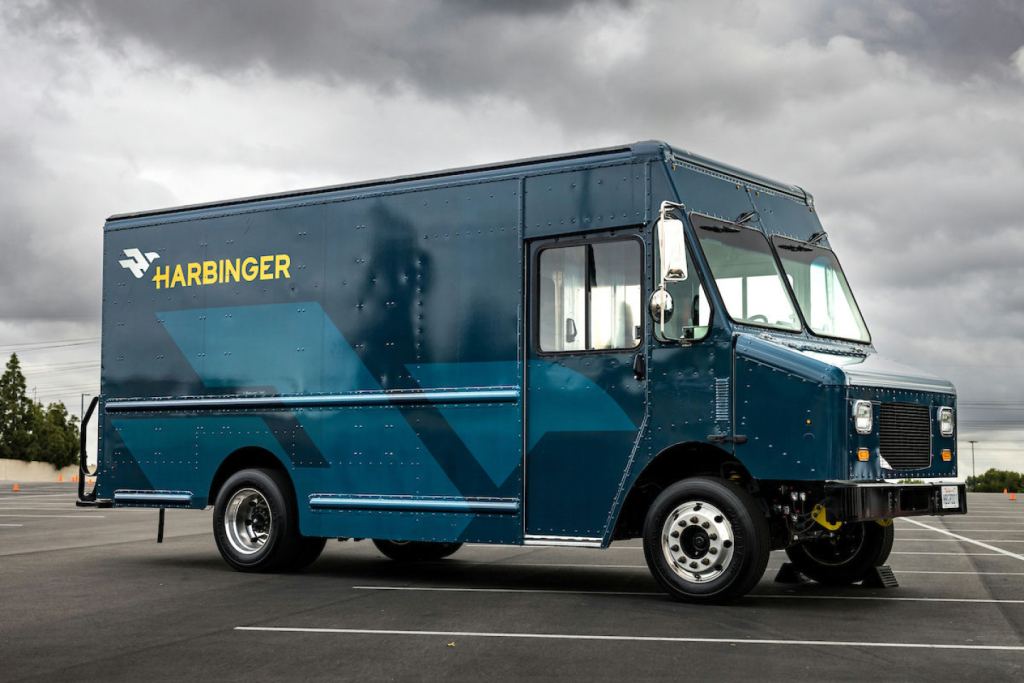
Showing 13 to 16 of 16 results
Have step van truck to sell? List it here to reach thousands of buyers.
About Step Van Trucks in Colorado
The first buying decision is usually body size and GVWR. Step vans commonly range from about 14 to 22 feet in body length, with wheelbases and axle ratings matched to the intended payload and route density. Many units fall in the Class 4 through Class 6 range, and buyers should compare front axle capacity, rear axle capacity, shelf layout, door configuration, and cargo cube, not just the published GVWR. A shorter step van is easier to maneuver in alleys, tight parking lots, and older downtown streets, while a longer body gives better cubic capacity for parcel, grocery, and multi-stop commercial delivery. Roll-up rear doors, curbside sliding access, interior shelving, and bulkhead layout all affect how fast a route can be worked.
Powertrain choice matters more now than it did a few years ago. Traditional gasoline and diesel step vans still make sense for longer service areas, mixed-speed routes, and fleets that want broad serviceability. Electric step vans have become a serious option for fixed urban and suburban routes because they deliver strong low-speed torque, quiet operation, and fewer routine maintenance items than internal combustion trucks. Buyers in Colorado should think carefully about route elevation changes, cold-weather range impact, charging access, and daily dwell time back at base. Regenerative braking can help in stop-and-go work and on descending grades, but real-world range should still be evaluated against payload, HVAC use, and terrain.
The best step van is the one that matches route design and cargo handling, not simply the largest body on the page. Look closely at suspension type, brake system, entry height, turning radius, cab ergonomics, and body manufacturer reputation. If the truck will be loaded near its limit every day, axle ratings and brake performance deserve as much attention as cargo volume. If it will serve foodservice, vending, or technician work, interior upfit details can be more important than drivetrain specs. Step vans are specialized tools, and buyers who compare body configuration, power source, and service environment together usually end up with a truck that performs better over the full duty cycle.
Frequently Asked Questions
What is a step van truck used for?
A step van truck is designed for frequent-stop commercial routes where the driver needs fast access to the cargo area. Common applications include parcel delivery, bakery distribution, linen service, uniform routes, vending, mobile repair, and last-mile logistics. The walk-in body, low floor, and multiple cargo access points make it more efficient than a conventional cab-and-box setup for dense route work.
Are electric step vans a good fit for Colorado delivery routes?
Electric step vans can be an excellent fit for Colorado fleets if the route is predictable and charging is available at a home base or depot. They are especially well-suited for urban and suburban delivery cycles with repeated stops, where regenerative braking and instant torque are valuable. Buyers should still account for mountain grades, winter temperatures, accessory loads, and route length because all of those factors can reduce usable range compared with flat, mild-weather operation.
What GVWR range is common for a step van?
Step vans commonly operate in Class 4, Class 5, and Class 6 configurations, often with GVWRs from roughly 14,000 to 26,000 pounds depending on body size and chassis design. A lighter truck may be ideal for local parcel routes and easier maneuverability, while heavier configurations support larger bodies and higher payloads. GVWR should always be reviewed together with front and rear axle ratings, cargo cube, and the actual weight of shelving or route equipment.
What should buyers compare besides body length?
Body length is only one part of the buying decision. Buyers should also compare wheelbase, turning radius, axle capacity, rear suspension, door layout, cargo shelving, interior standing room, loading height, and brake type. In route-delivery service, small differences in access and ergonomics can affect driver productivity every day, so the best truck is often the one with the most efficient layout rather than the most cargo space.
What is the difference between a step van and a cargo van?
A step van is purpose-built for commercial route work and usually offers a taller walk-in body, a lower cargo floor, and easier movement between the driver area and load space. A cargo van is generally smaller, lighter, and better for lighter-duty service calls or lower-volume deliveries. Step vans are the better choice when the route involves many stops, organized shelving, larger parcel volume, or drivers entering and exiting the vehicle throughout the day.