
Stake Bed Trucks For Sale in New York
Have stake bed truck to sell? List it here to reach thousands of buyers.
Stake Bed Trucks in New York
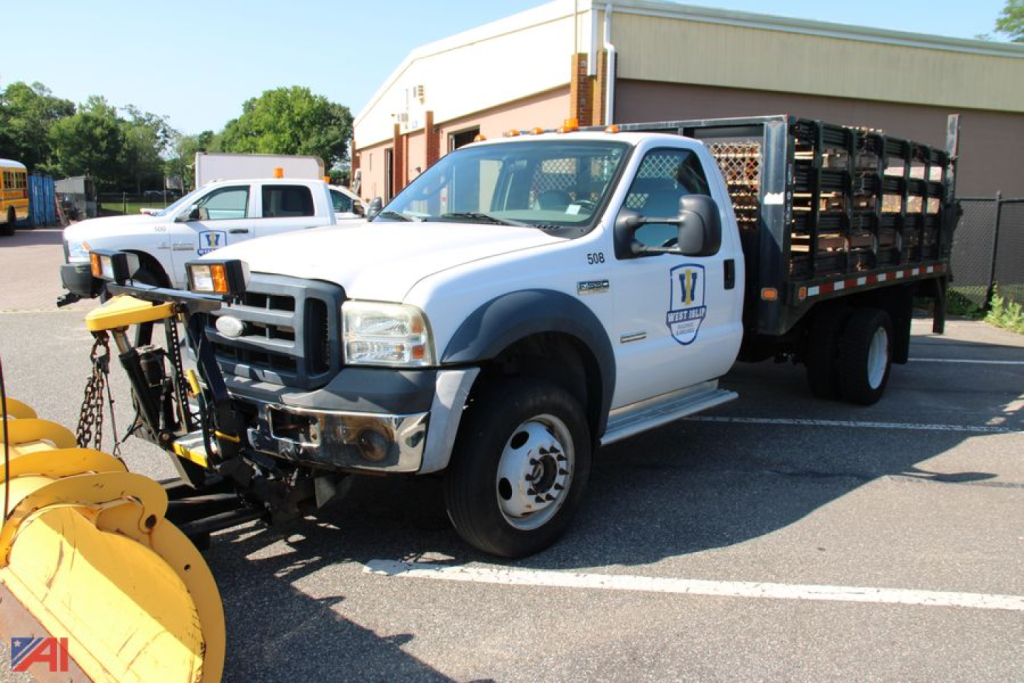
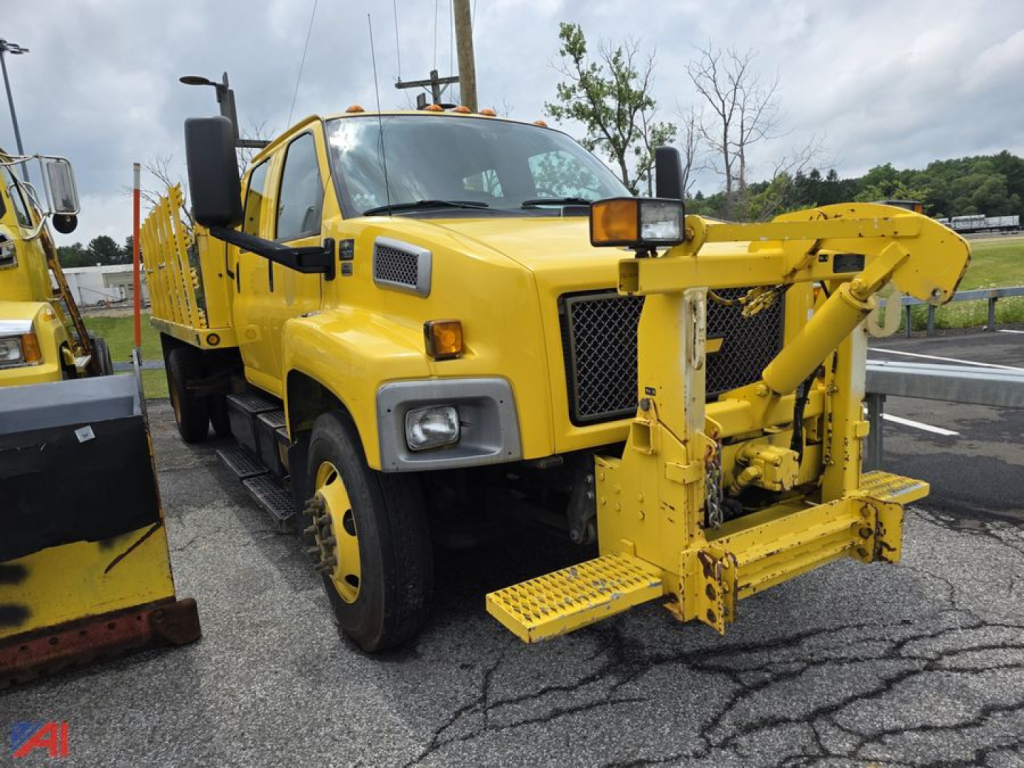
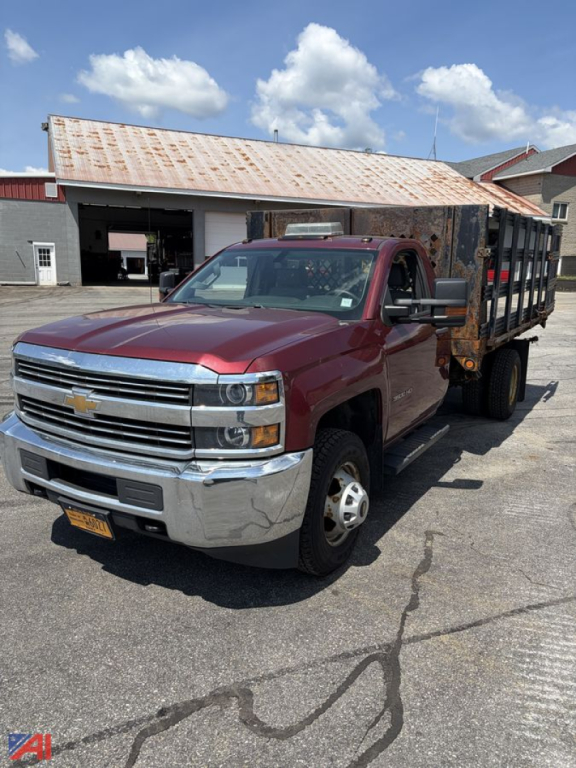
A buyer should start with chassis class, GVWR, and body dimensions. Common configurations range from medium-duty Class 5 through Class 7 trucks, often on International, Ford, Freightliner, Chevrolet, GMC, or Isuzu platforms. Bed lengths typically run from about 12 to 26 feet, with side heights often around 36 to 48 inches depending on the cargo. Diesel power is common in heavier applications, while gas engines can make sense for shorter routes and lower annual mileage. Crew cab versus regular cab is another practical split, especially for municipal, utility, and landscape operations that move both people and material on the same truck.
Body construction and loading setup have a direct effect on uptime. Steel stake bodies hold up well in hard-use environments but add weight, while aluminum bodies help preserve payload and resist corrosion from road salt, a real factor in New York winters. Look closely at floor material, rub rails, tie-down points, bulkhead design, rear gate type, and whether the stakes and side racks are removable for forklift access. Buyers moving dense product should pay attention to axle ratings, suspension spec, and brake condition, while operations handling hand-unloaded deliveries may prioritize a tuck-under or rail liftgate, lower deck height, and easy rear access.
The right stake bed truck depends on route density, payload profile, and how often the body has to serve more than one job. A shorter wheelbase is easier to maneuver in city traffic and older industrial sites, while a longer body improves cube for light but bulky freight. Buyers should also verify CDL implications based on GVWR, confirm body and hoist equipment if the truck has any hybrid dump-style capability, and inspect crossmembers, frame condition, and side rack integrity carefully on used units. For many fleets, a stake bed truck is the practical middle ground between a box truck and a flatbed, offering faster loading, flexible cargo access, and better retention for loose or irregular material.
Frequently Asked Questions about Stake Bed Trucks in New York
What is a stake bed truck used for?
A stake bed truck is used to haul cargo that benefits from open-side access and raised side containment. Common applications include palletized materials, lumber, bagged goods, landscaping supplies, nursery products, municipal equipment, and local building deliveries. The removable or fixed stake sides help keep cargo contained while still allowing forklift loading from the side or rear.
What should I look for when buying a used stake bed truck?
Focus on GVWR, axle ratings, bed length, side height, and the condition of the body structure. Inspect the floor, crossmembers, bulkhead, rear gate, stake pockets, and tie-down points for damage or corrosion. On the chassis side, review engine hours or mileage, transmission operation, brake condition, tire wear, suspension, and frame rust, especially in regions like New York where road salt can accelerate corrosion.
Are stake bed trucks better than flatbed trucks for local delivery?
For many local delivery applications, a stake bed truck offers more cargo security than a flatbed without giving up the loading flexibility of an open body. The side racks help contain loose, stacked, or irregular freight that could shift during stop-and-go operation. A flatbed may be better for oversized or side-loaded machinery, but a stake bed is often the more practical choice for mixed delivery work.
How do I choose the right stake bed length and capacity?
Match the truck to the heaviest and most frequent loads on your route, not just the largest load you occasionally handle. Bed length affects cargo volume and maneuverability, while GVWR and axle ratings determine legal and practical payload capacity. In urban or multi-stop environments, a shorter wheelbase may be worth more than extra deck space, while regional material delivery often benefits from a longer body.
Do stake bed trucks require a CDL?
Some do and some do not, depending on the truck’s gross vehicle weight rating and how it is configured. Many stake bed trucks fall below the CDL threshold, but heavier medium-duty models can exceed it, especially when equipped for higher payloads. Buyers should verify the truck’s GVWR, local registration class, and intended operating weight before purchase to avoid compliance issues.