
Commercial Trucks For Sale Near Springfield, Illinois
Have commercial truck to sell? List it here to reach thousands of buyers.
Commercial Trucks Near Springfield, Illinois
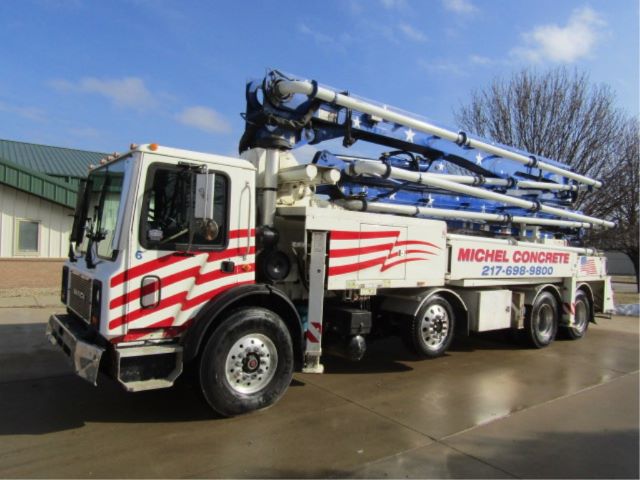
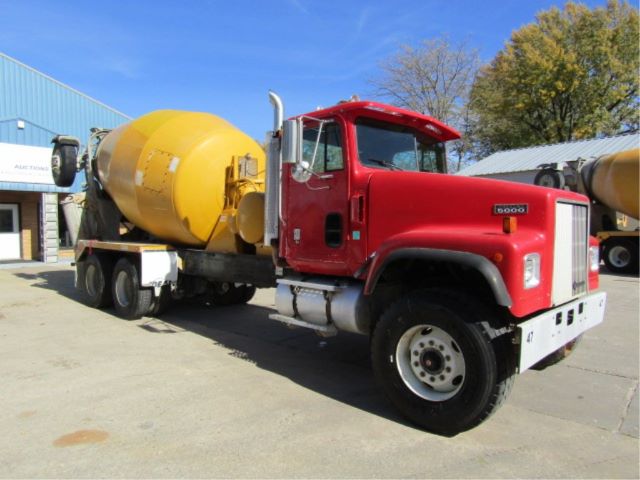
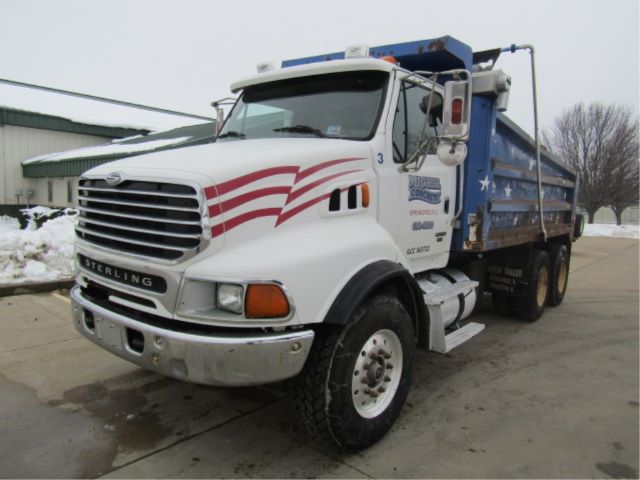
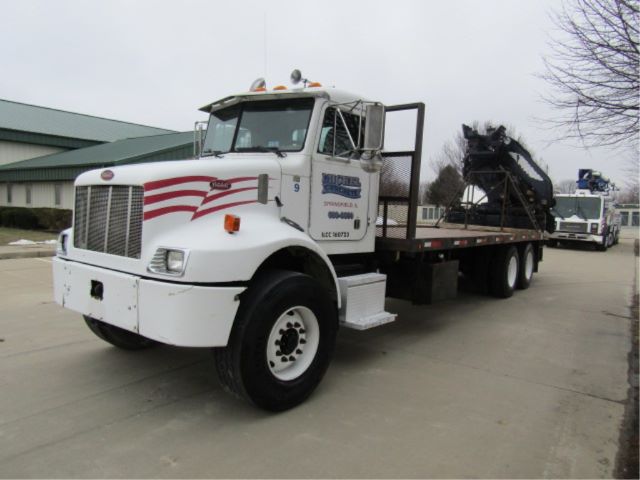
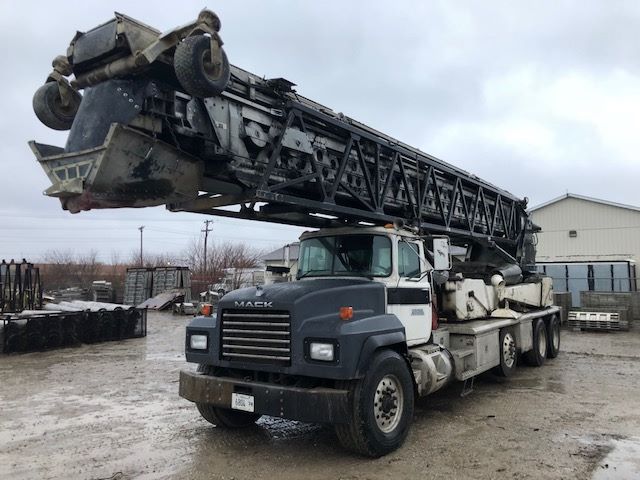
Vocational trucks are especially sensitive to spec matching. A dump truck buyer should look closely at front axle capacity, tandem rating, body hoist condition, frame integrity, and gearing for startability under load. Concrete mixer and pump truck buyers need to evaluate engine hours along with miles, PTO operation, hydraulic system condition, bridge formula compliance, and drum or boom equipment support history. Boom and crane truck shoppers usually focus on wheelbase, stability, outrigger setup, auxiliary axle configuration, and whether the chassis has the right transmission and power take-off arrangement for the upper equipment. In used trucks, suspension type, brake configuration, and signs of frame reinforcement or prior upfitting work are often as important as engine make.
Common makes in this segment include Mack, Peterbilt, Sterling, Freightliner, Kenworth, International, and Western Star. Many trucks in the vocational class use manual transmissions or automated manuals paired with deep rear ratios such as 4.11, 4.42, 4.88, or 5.29, depending on terrain and payload demands. Buyers operating around central Illinois often balance highway travel with low-speed site work, so turning radius, wheelbase, and axle spread can matter as much as horsepower. A shorter wheelbase can improve maneuverability on tight jobsites, while a longer chassis may be needed for mixers, conveyor bodies, or crane and boom installations. If the truck will run near legal weight every day, suspension condition, brake lining life, and tire wear patterns deserve a close review because they reveal how the truck has really been used.
The strongest value in this category usually comes from choosing the right chassis and equipment combination rather than chasing one badge or one model year. A well-spec'd used truck can still be a productive asset if the driveline, hydraulics, frame, and body equipment all match the work. Buyers should confirm axle tags, transmission model, engine family, PTO provisions, and any mounted equipment serial numbers before purchase. For trucks used in construction, paving, concrete, utility, or municipal service, the practical questions are simple: can it carry the load, run the attachment, handle the route, and stay legal on the road. Those answers come from the spec sheet, the service history, and a careful inspection of the truck as a complete working unit.
Frequently Asked Questions about Commercial Trucks Near Springfield, Illinois
What should I look at first when comparing used trucks for sale?
Start with the intended job, then verify that the truck’s axle ratings, wheelbase, transmission, and body equipment fit that application. A dump truck, mixer truck, boom truck, or conveyor truck may share a similar cab and chassis, but payload demands, PTO requirements, and frame loading are very different. The first documents to confirm are the VIN, axle tags, engine and transmission models, and any mounted equipment serial numbers. After that, inspect frame condition, suspension wear, brake life, tire patterns, and hydraulic operation.
Why do axle ratings and gear ratios matter so much on vocational trucks?
Axle ratings determine legal and practical payload capacity, while gear ratio affects startability, grade performance, and low-speed work. A truck with 18,000-pound front and 40,000-pound rear ratings is built for a very different duty cycle than a lighter chassis. Rear ratios such as 4.42 or 5.29 are common on work trucks because they help move heavy loads and support jobsite performance, even if they reduce top road speed. Matching these specs to the work is more important than focusing only on horsepower.
Is mileage enough to judge the condition of a used work truck?
No. Mileage is only one part of the picture, especially in vocational service. Engine hours, PTO hours, idle time, hydraulic use, and body equipment wear often tell more than odometer readings. A concrete pump truck, mixer, or boom truck may have moderate miles but substantial equipment usage. Service records, oil sample history, and a full operational inspection are better indicators of remaining life than mileage alone.
Are manual transmissions still common in used vocational trucks?
Yes. Many used vocational trucks still have manual transmissions because they are durable, familiar to experienced operators, and well suited to heavy hauling and PTO-driven applications. Models from Eaton Fuller and Mack Maxitorque are common in this segment. Automated manuals are more common in newer fleets, but a manual gearbox remains a normal spec in dump, mixer, and construction truck applications. Buyers should still confirm clutch condition, shift quality, and PTO compatibility.
How important is wheelbase when buying a truck?
Wheelbase directly affects maneuverability, body fitment, axle placement, and load distribution. A shorter wheelbase usually works better in tight urban sites, alleys, and congested jobsites. A longer wheelbase may be necessary for larger bodies, bridge formula compliance, boom equipment, or better weight distribution. The correct wheelbase depends on the mounted equipment and the routes the truck will run, so it should be evaluated with the full chassis layout in mind.