
Commercial Trucks For Sale Near Spencerport, New York
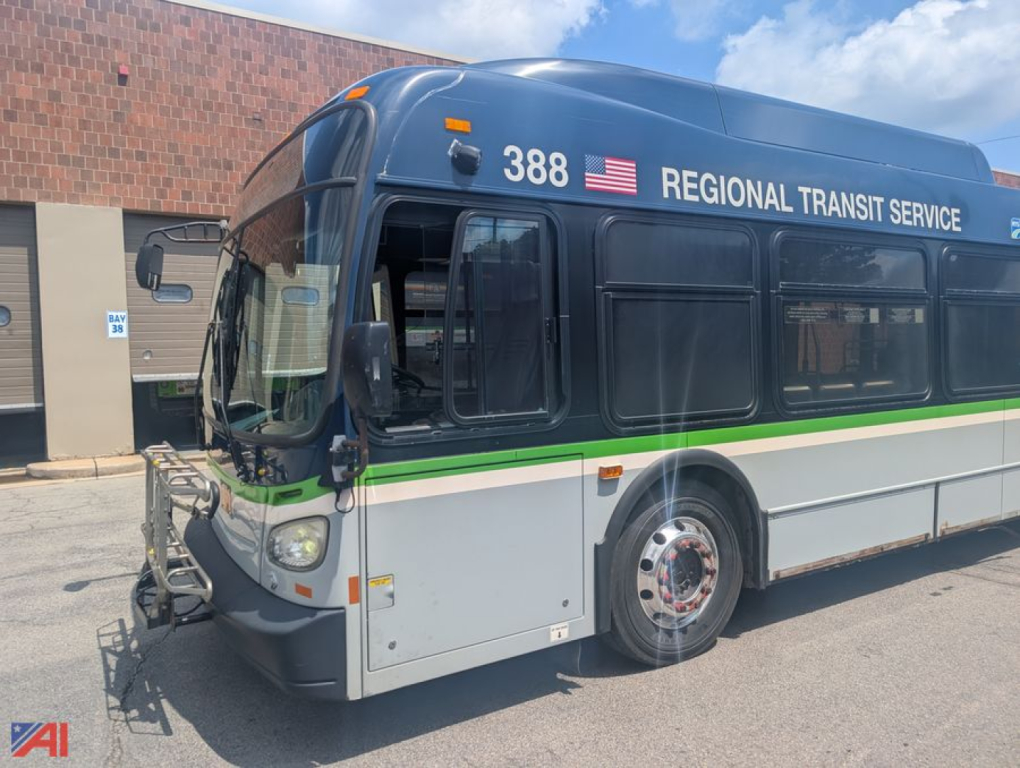
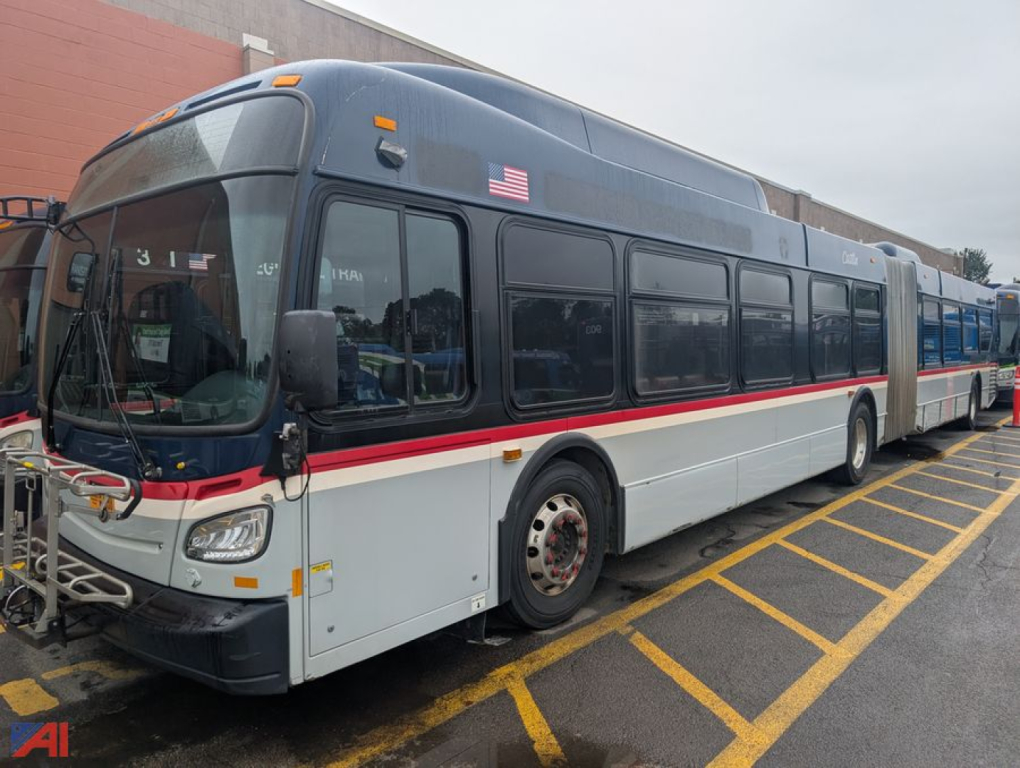
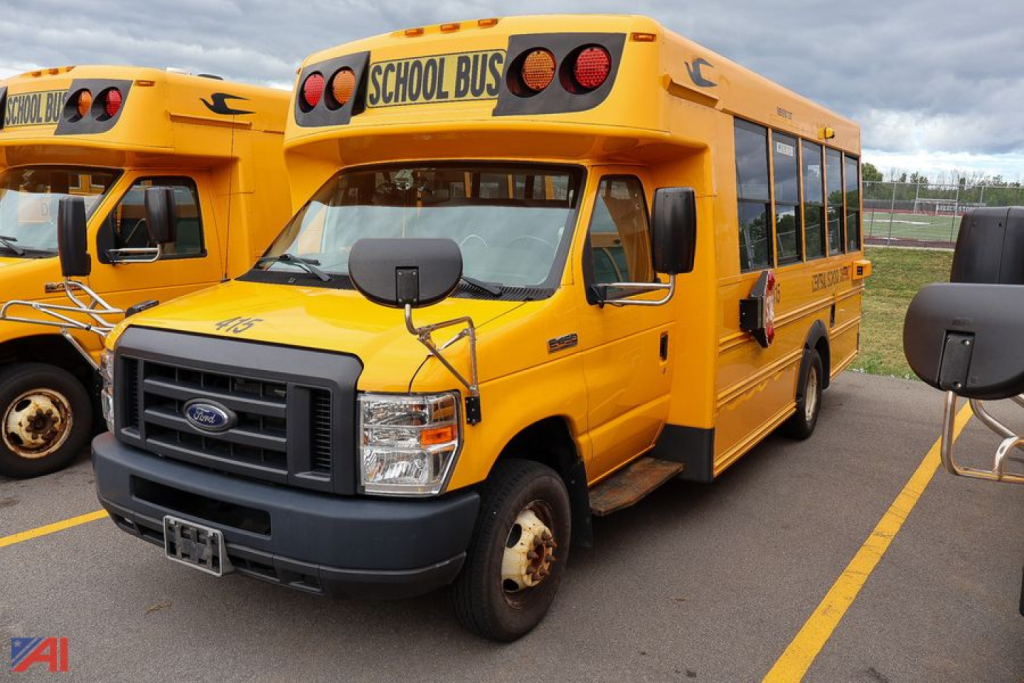
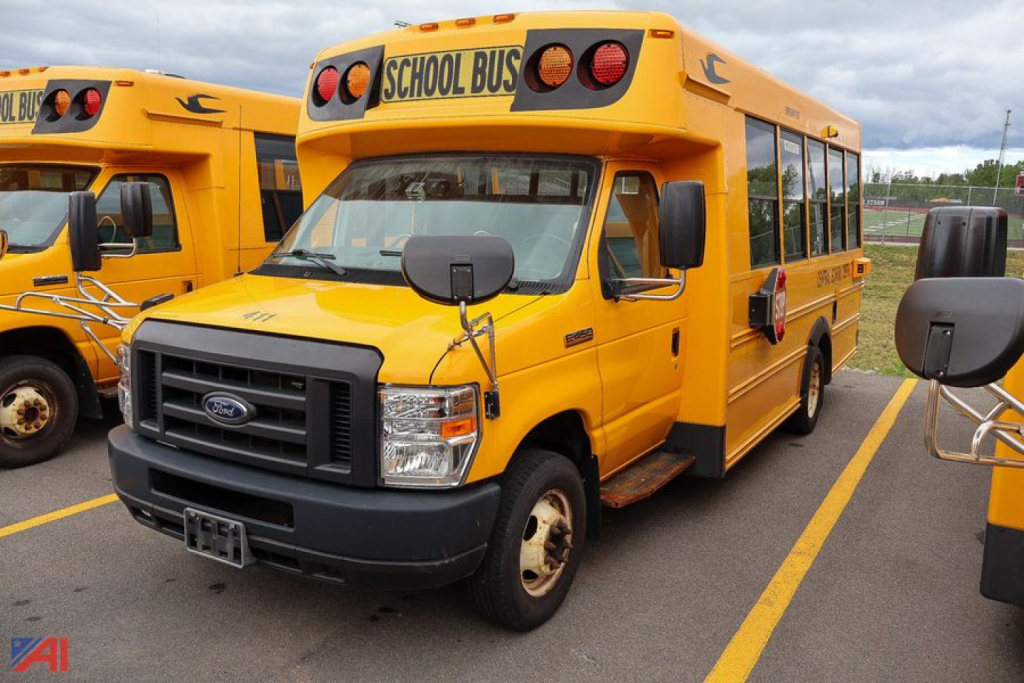
Have commercial truck to sell? List it here to reach thousands of buyers.
Commercial Trucks Near Spencerport, New York
For lighter commercial use, cargo vans and light-duty trucks are common choices because they balance maneuverability, fuel economy, and operating cost. A cargo van such as a Ford Transit is often used for parcel delivery, plumbing, electrical, telecom, and mobile service work. Buyers typically compare roof height, interior cargo length, side and rear door access, GVWR, engine type, and shelving or upfit potential. In urban and suburban routes around Spencerport and the Rochester area, turning radius, parking access, and visibility matter almost as much as raw payload.
As truck size increases, the focus shifts to axle ratings, suspension, PTO capability, towing capacity, body compatibility, and brake specification. In New York, rust history, frame condition, underbody corrosion, and cab floor integrity deserve close attention, especially on older used trucks exposed to road salt. Service records, idle hours, tire condition, transmission performance, and emissions system history can tell you more about future operating cost than odometer mileage alone. Buyers comparing diesel and gas trucks should also factor in route length, average load, maintenance staffing, and cold-weather starting performance.
A well-matched truck should fit both the job and the operating environment. Contractors may prioritize 4x4 capability, bed length, and tool storage. Delivery fleets may focus on cargo cube, low step-in height, and driver ergonomics. Medium-duty and heavy-duty buyers often look at wheelbase options, front axle set-back, cab-to-axle measurement, and body upfit flexibility before making a decision. The best truck purchase is usually the one with the right spec for the work cycle, not simply the newest unit on the page.
Frequently Asked Questions about Commercial Trucks Near Spencerport, New York
What types of trucks are commonly listed for sale in Spencerport, NY?
Truck listings in Spencerport, NY can include cargo vans, pickup trucks, service trucks, box trucks, chassis cabs, dump trucks, and road tractors. The mix depends on local contractor demand, municipal turnover, and regional freight activity. Buyers should sort by intended use first, then compare GVWR, drivetrain, wheelbase, and body style.
What should I check first on a used truck in New York?
Start with frame condition, underbody rust, brake and suspension wear, tire age, and service history. In New York, road salt exposure can accelerate corrosion on frames, crossmembers, fuel and brake lines, door bottoms, and mounting points. A clean inspection of the undercarriage is often as important as engine performance on a used truck.
Is a cargo van considered a truck for commercial buying purposes?
Yes. In many commercial marketplaces, cargo vans are grouped within the broader truck category because they serve the same business functions as other light-duty commercial vehicles. They are commonly used for delivery, service, maintenance, and trade work where enclosed cargo space, easier access, and lower operating cost are more important than open-bed hauling.
How do I choose the right truck size for my business?
Match the truck to payload, cargo volume, route type, and body equipment requirements. Light-duty trucks and vans work well for urban service and delivery routes, while medium-duty trucks handle higher GVWR applications such as box bodies, dumps, and utility bodies. Heavy-duty trucks are better suited for towing, regional freight, and specialized vocational work. Buying too much truck raises operating cost, and buying too little truck shortens service life.