
Commercial Trucks For Sale Near Sparta, Tennessee
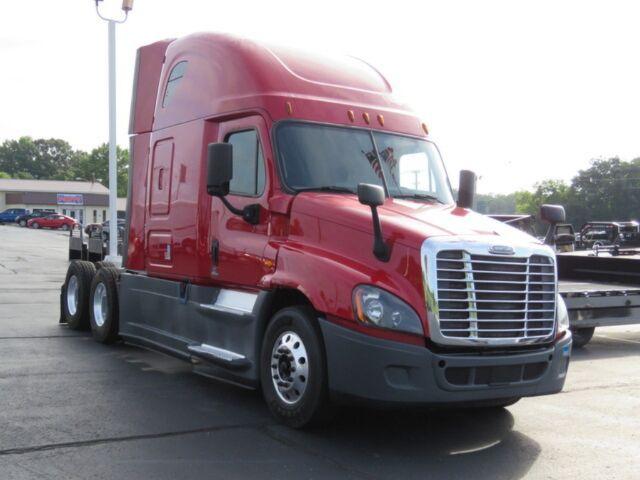
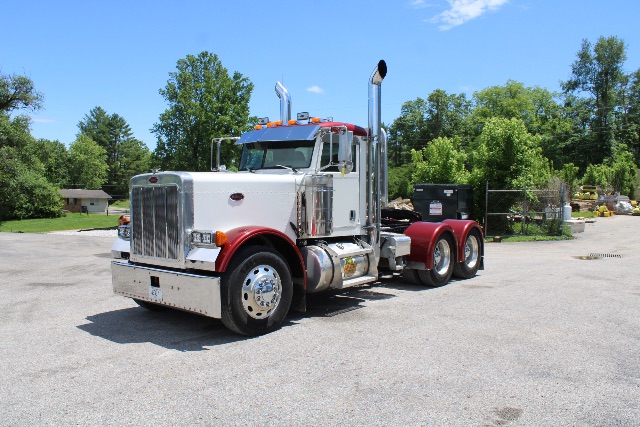
Have commercial truck to sell? List it here to reach thousands of buyers.
Commercial Trucks Near Sparta, Tennessee
Powertrain matters because it affects operating cost, uptime, and resale. Used trucks in this class commonly feature engines from Detroit, Cummins, Caterpillar, PACCAR, and Volvo, paired with manual, automated manual, or fully automatic transmissions from Eaton, Allison, or OEM suppliers. A buyer looking at a spec similar to a 475 HP Caterpillar C15 with a 10-speed and 3.70 ratio is shopping for a very different performance profile than someone comparing a later-model aerodynamic sleeper with an efficiency-focused drivetrain. Highway buyers usually focus on mileage, emissions system history, sleeper condition, and wheel-end maintenance. Cab and chassis buyers tend to focus on frame condition, PTO capability, wheelbase, axle ratings, and how easily the truck can accept a flatbed, service body, dump body, hooklift, or other upfit.
Condition is more than appearance. A clean title, service records, brake and tire condition, suspension wear, fifth wheel or frame integrity, and signs of prior body modifications can tell more than paint ever will. On sleeper tractors, check bunk HVAC, fairings, and chassis corrosion around crossmembers and suspension mounts. On cab and chassis trucks, measure usable frame rail behind the cab, verify any frame stretches or cuts, and confirm GVWR and front axle capacity before planning a body. If the truck will run Tennessee grades, mixed secondary roads, or regional lanes through the Southeast, gearing, cooling system condition, and brake performance deserve extra attention.
The used truck market in this category covers a wide range of ownership strategies. Some buyers want a dependable entry-level work truck with simple mechanicals. Others are targeting late-model fleet specs with better aerodynamics, safety systems, and lower driver fatigue. The best truck is the one whose spec matches the work. A sleeper tractor should fit the freight and route length. A cab and chassis should fit the body, payload, and axle laws. When comparing trucks for sale, focus on the total job fit first, then evaluate maintenance history, drivetrain spec, and remaining service life.
Frequently Asked Questions about Commercial Trucks Near Sparta, Tennessee
What should I look for first when comparing used trucks for sale?
Start with the intended application, then match the truck's configuration to that job. The most important factors are axle setup, wheelbase, engine horsepower, transmission type, rear axle ratio, and weight ratings. A sleeper tractor for long-haul freight needs a different spec than a cab and chassis that will carry a dump body or service body. Once the truck fits the work, review maintenance records, title status, tire and brake condition, suspension wear, and any signs of frame repair or modification.
What is the difference between a sleeper truck and a cab and chassis truck?
A sleeper truck is a road tractor with a bunk area behind the cab, built mainly for over-the-road freight and longer routes. A cab and chassis truck is an incomplete truck with frame rails left open behind the cab so a body can be installed. Cab and chassis units are commonly used for flatbeds, dump bodies, utility bodies, wreckers, and many other vocational applications. The choice depends on whether the truck will pull a trailer or carry equipment and payload on its own frame.
How important are rear axle ratio and transmission spec on a used truck?
Rear axle ratio and transmission spec directly affect startability, cruise RPM, fuel economy, and how the truck performs under load. A 3.70 ratio with a 10-speed, for example, can be a solid all-around setup for many applications, but the right combination depends on tire size, typical gross weight, terrain, and road speed. Buyers running hills, heavy loads, or vocational equipment may want shorter gearing for better pulling power. Buyers focused on highway fuel economy may prefer taller gearing paired with an efficient overdrive transmission.
What matters most when buying a used cab and chassis truck?
Frame layout and upfit compatibility are the biggest concerns. Measure the usable cab-to-axle and axle-to-end-of-frame dimensions, verify the wheelbase, check for PTO provisions, and confirm front and rear axle ratings. Inspect the frame rails for rust, cracks, added holes, weld repairs, or evidence of previous body removal. It is also important to confirm that the suspension, brakes, and tires are appropriate for the body and payload the truck will carry.
Are older pre-emissions or early-emissions trucks still worth considering?
They can be, but the value depends on maintenance history, parts support, and intended use. Older trucks are often attractive because of lower purchase cost and simpler electronics, and some buyers specifically seek proven engines such as the Caterpillar C15. Early-emissions trucks may offer a balance between price and newer cab features, but emissions-related repairs can become a major cost if the system has been neglected. A strong inspection and a realistic maintenance budget matter more than model year alone.