
Trucks For Sale Near Shawnee Mission, Kansas
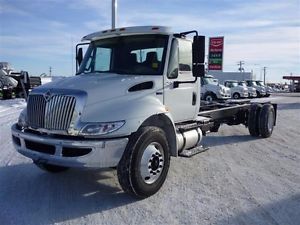
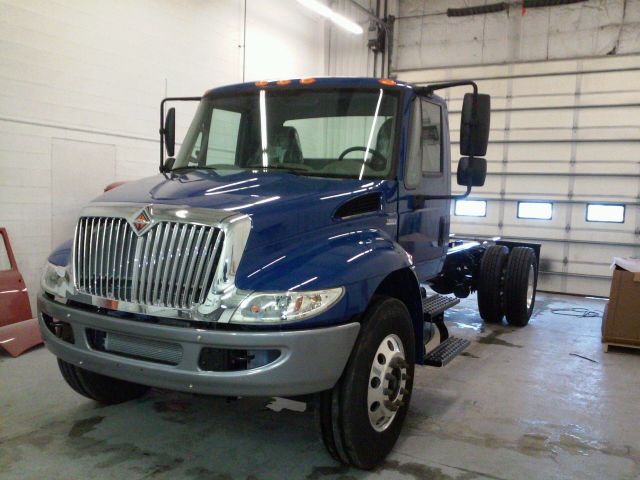
Have truck to sell? List it here to reach thousands of buyers.
Trucks Near Shawnee Mission, Kansas
On highway-spec trucks, buyers typically compare engine platform, horsepower, transmission type, rear axle ratio, wheelbase, and suspension before anything cosmetic. Late-model day cabs commonly run in the 400 to 500 horsepower range with automated manual transmissions, tandem rear axles, air ride suspension, and air slide fifth wheels. Specs like a 2.64 or similar fast ratio usually point to fuel-efficient linehaul gearing, while a 40,000-pound rear axle setup supports standard semi tractor work. Features such as engine brakes, collision mitigation systems, disc brakes, aluminum wheels, aerodynamic fairings, and dual fuel tanks can make a noticeable difference in operating cost, driver acceptance, and resale value.
Medium-duty trucks and cabovers are a different evaluation. On these units, body configuration matters as much as the chassis. Buyers should look closely at GVWR, front and rear axle ratings, body length, door style, floor condition, E-track layout, scuff liners or scuff plates, and whether the truck has the right wheelbase for the box or upfit. Cabover models like the Isuzu NPR are popular because they maximize cargo space in a short overall length, making them practical for city routes, beverage work, parcel delivery, and warehouse distribution. Automatic transmissions, diesel engines in the 200-plus horsepower range, spring suspension, and 16-foot van bodies are common in this class.
Kansas buyers often need trucks that can handle a mix of interstate miles, warehouse traffic, and stop-and-go metro use around the Kansas City market. That makes condition and service history especially important. Check for brake type, tire size and remaining tread, suspension wear, emissions system maintenance, PTO provisions if needed, and cab condition from seat bolsters to steering wheel controls. On tractors, confirm fifth wheel operation, frame condition, and kingpin setting compatibility with the trailers you plan to pull. On straight trucks, inspect roll-up doors, roof condition, threshold plates, and cargo area damage. A truck that is correctly spec'd for its lane will usually outperform a newer truck with the wrong gearing, wheelbase, or body setup.
Frequently Asked Questions about Trucks Near Shawnee Mission, Kansas
What is the difference between a conventional day cab and a cabover truck?
A conventional day cab has a longer hood and is typically used as a semi tractor for regional or local freight with a trailer. A cabover places the cab over the engine, which shortens overall vehicle length and improves maneuverability in tight urban areas. Day cabs are usually better for higher-GVW tractor work and highway comfort, while cabovers are often preferred for delivery routes, dense industrial areas, and applications where body length needs to be maximized on a compact chassis.
What specs matter most when buying a used truck?
The most important specs depend on application, but buyers usually start with engine make, horsepower, transmission type, axle ratings, rear axle ratio, wheelbase, suspension, and brake system. For tractors, fifth wheel type, fuel capacity, and aerodynamic equipment also matter. For straight trucks, body length, GVWR, floor condition, door style, and cargo securement features such as E-track or scuff liners are key. The best truck is the one whose specifications match the freight, route, and operating costs you expect.
Is an automatic transmission a good choice in a commercial truck?
Yes, for many operations an automatic or automated manual transmission is now the standard choice. These transmissions can reduce driver fatigue, simplify training, and improve consistency across a fleet. In regional hauling, city delivery, and stop-and-go work, they are especially useful. The main consideration is making sure the transmission is paired with the right engine rating and rear axle ratio so the truck performs well under load and at highway speed.
Why does rear axle ratio matter on a truck?
Rear axle ratio directly affects launch performance, cruising RPM, fuel economy, and gradeability. A faster ratio such as 2.64 generally supports lower engine RPM at highway speed and can improve fuel economy in linehaul or regional applications. A deeper ratio is often better for heavier loads, more starts and stops, or vocational use. Buyers should choose axle ratio based on average gross weight, terrain, and intended road speed rather than treating it as a minor detail.
What should I inspect on a used box truck or van body?
Inspect the cargo body as carefully as the chassis. Check the roof for leaks or repairs, examine the floor for rot, soft spots, or forklift damage, and look at the scuff plates, E-track, threshold plate, and door frame for heavy wear. Roll-up doors should open smoothly and seal properly. Also confirm the body length, interior height, and wheelbase are appropriate for your loading environment and the type of freight you plan to move.