
Service/Utility Trucks For Sale in Utah
Browse service and utility trucks for sale, including mechanic body setups, storage compartments, crane options, and work-ready chassis choices.
No exact matches found for your search
Showing Service/Utility Trucks instead.

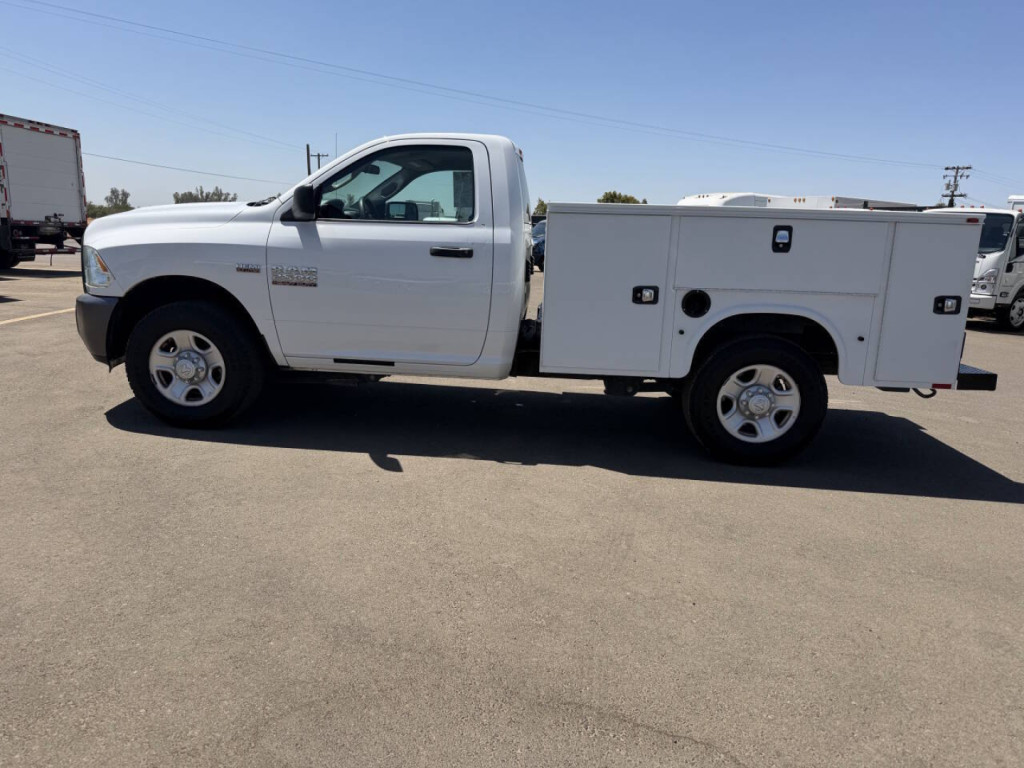
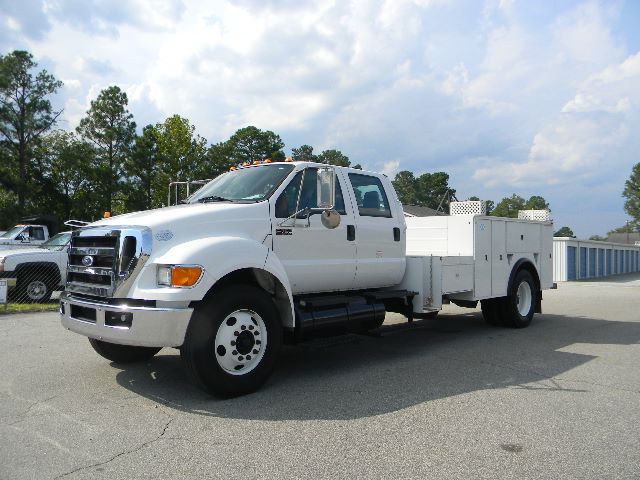
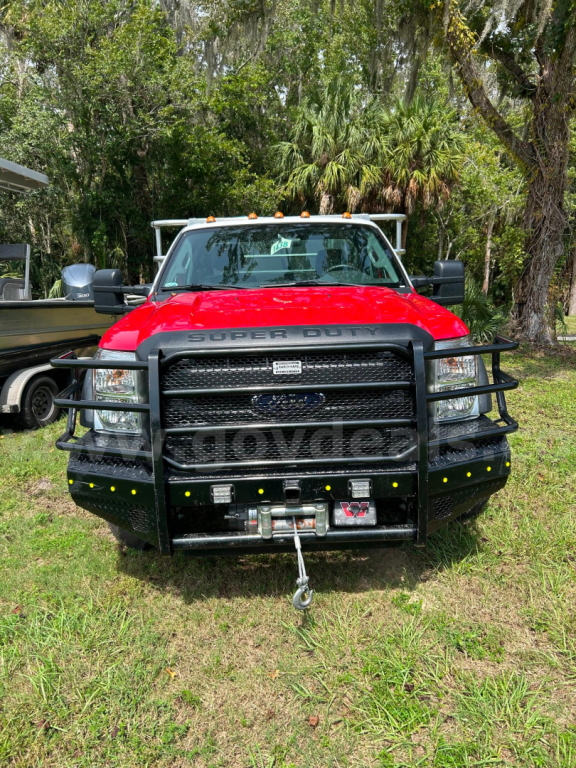
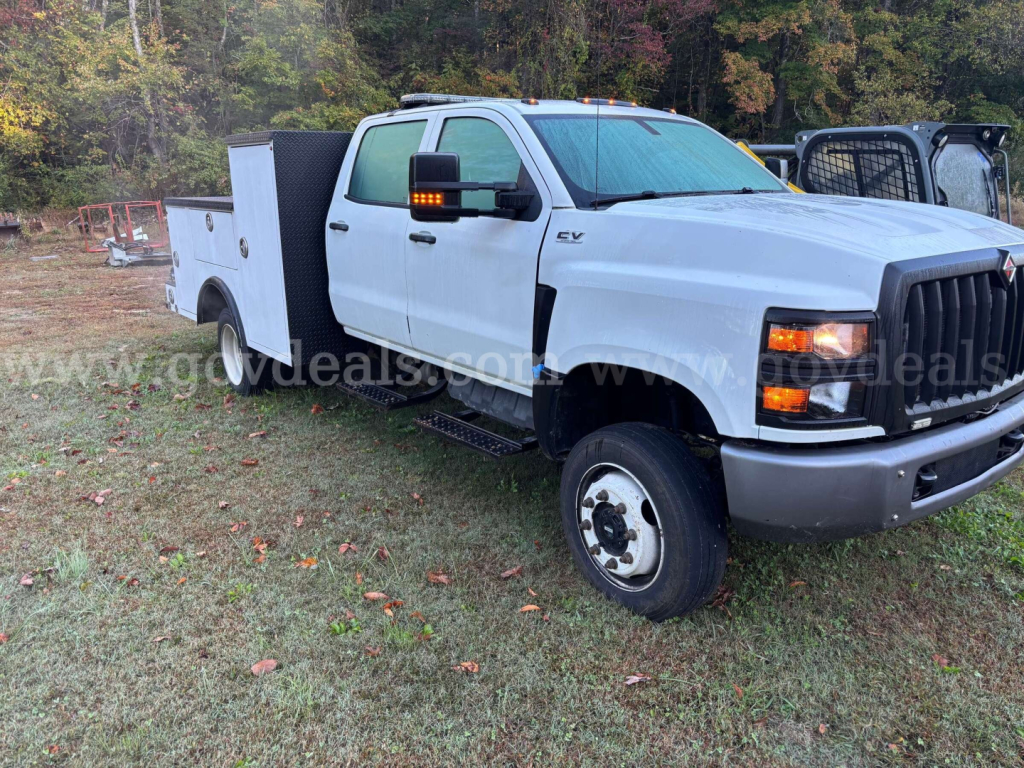
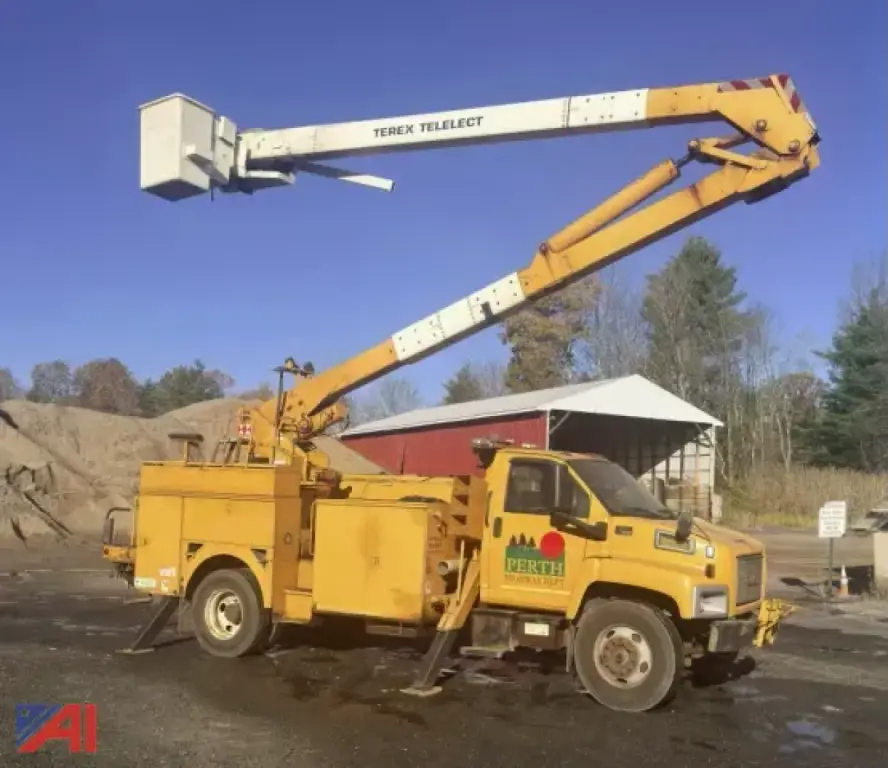
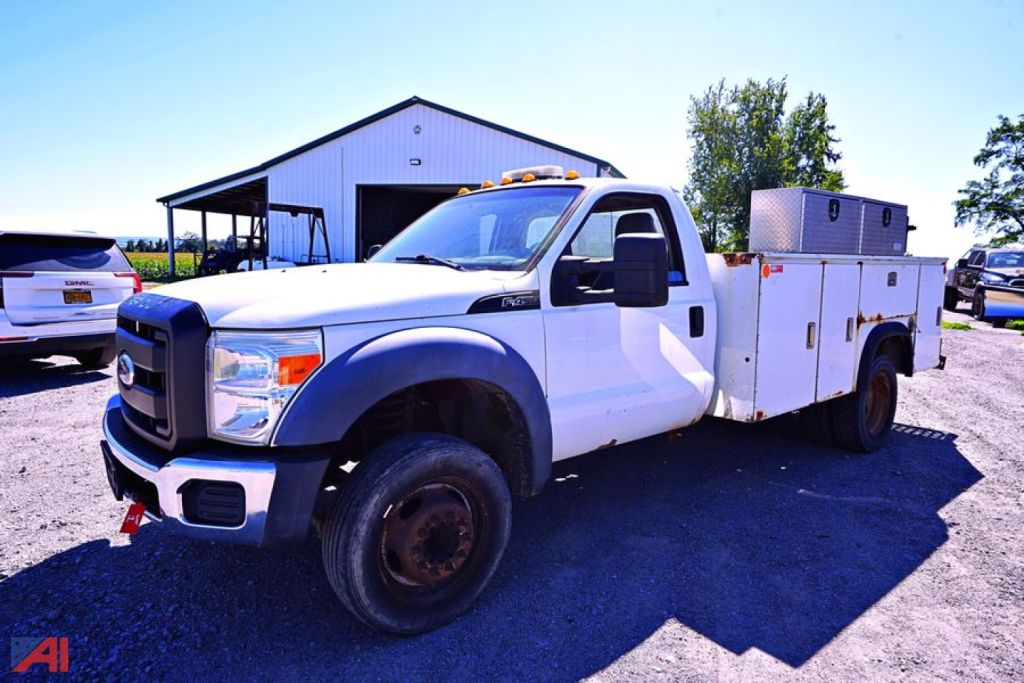
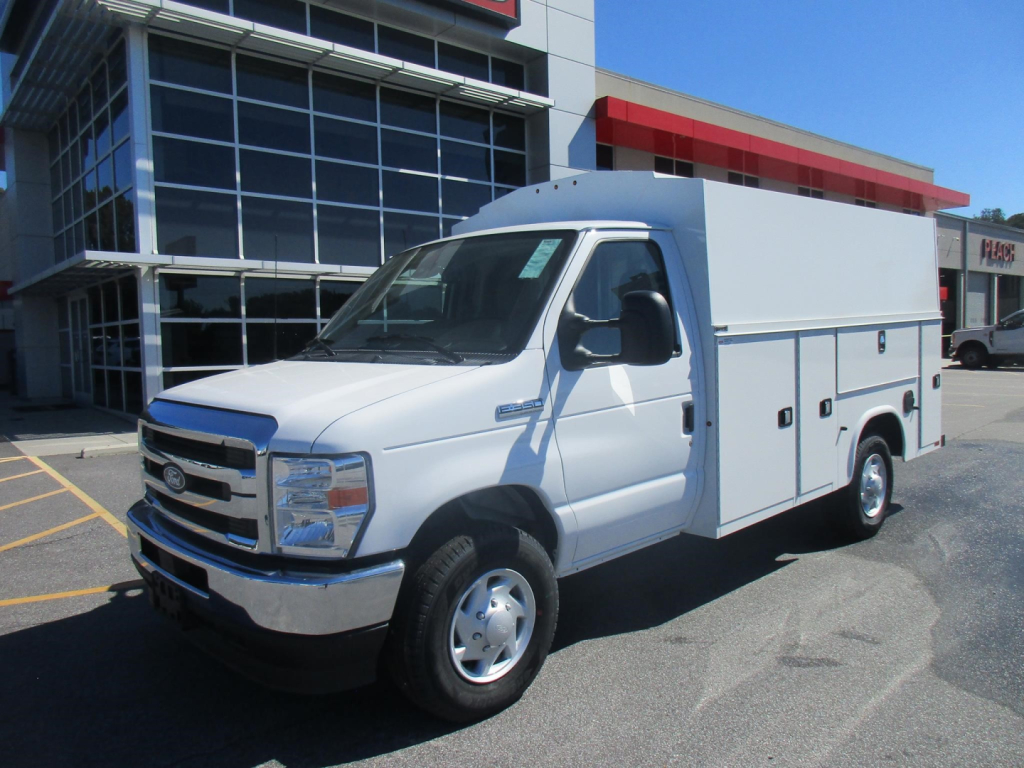
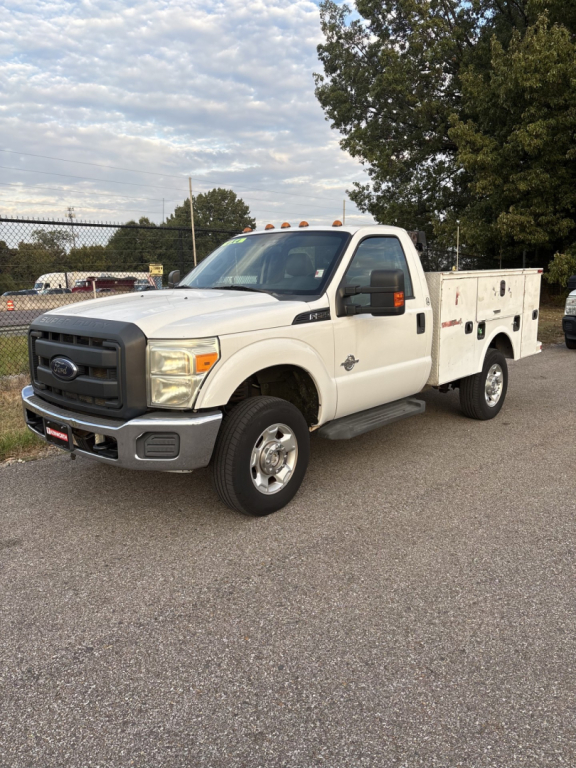
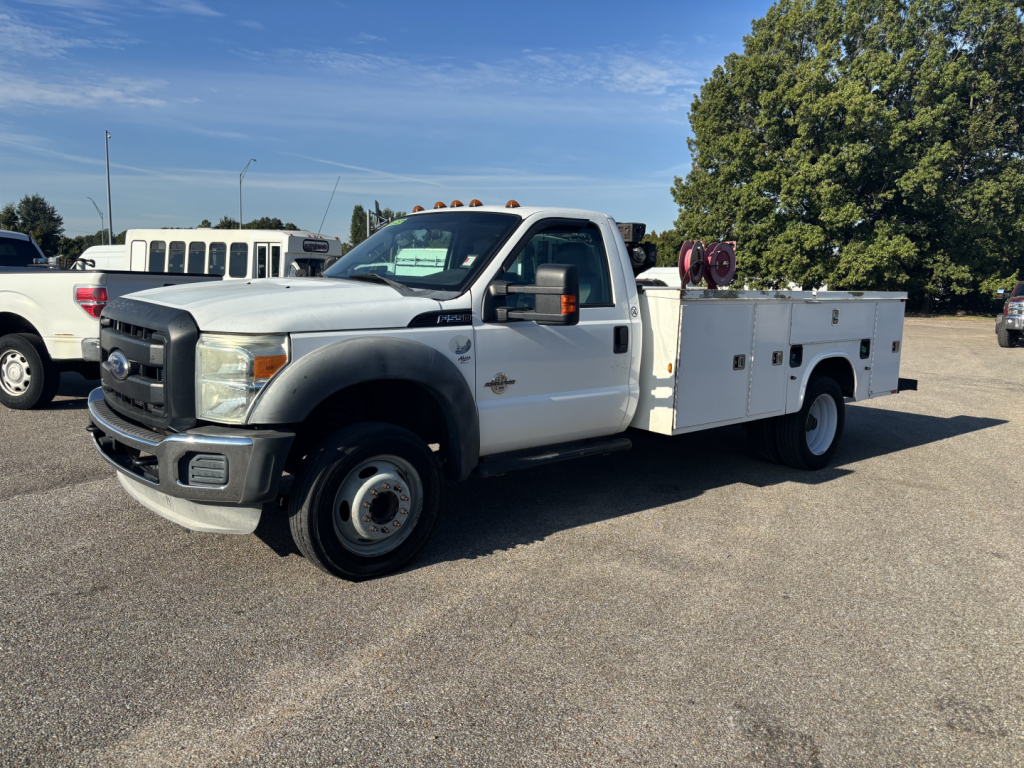
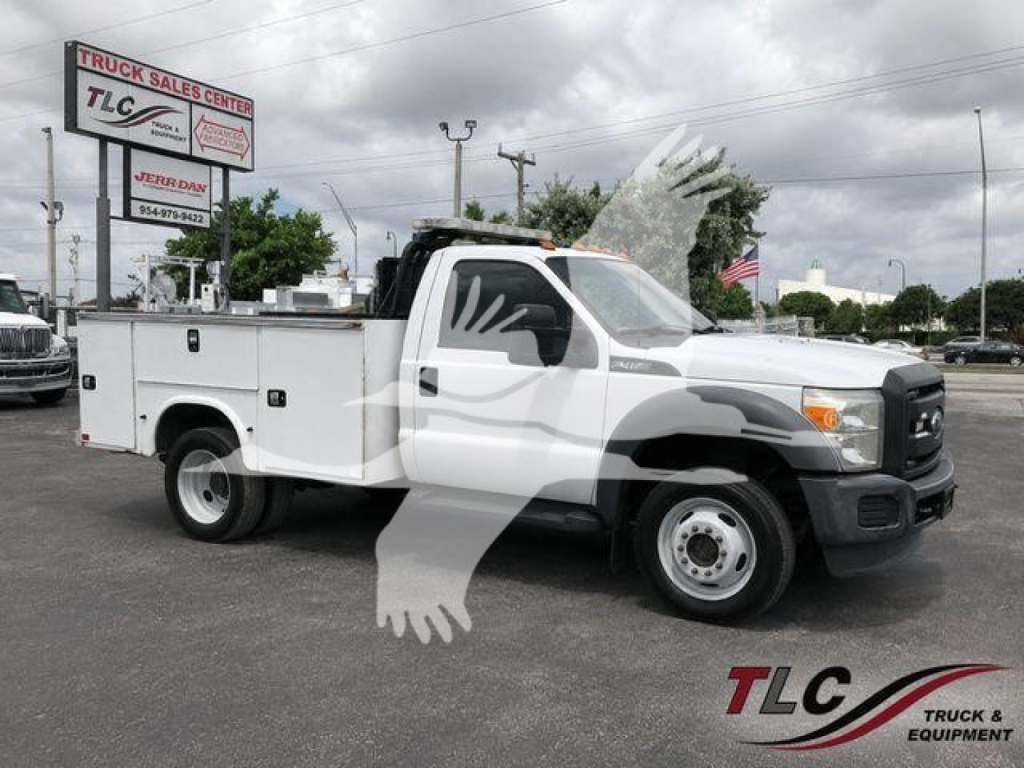
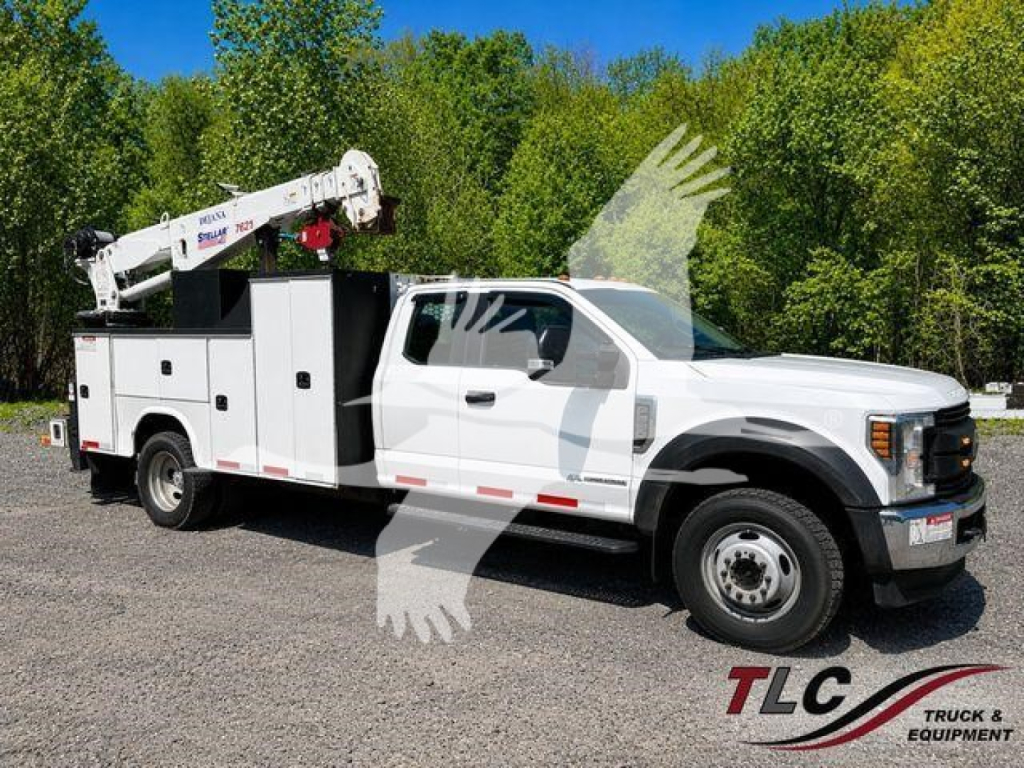
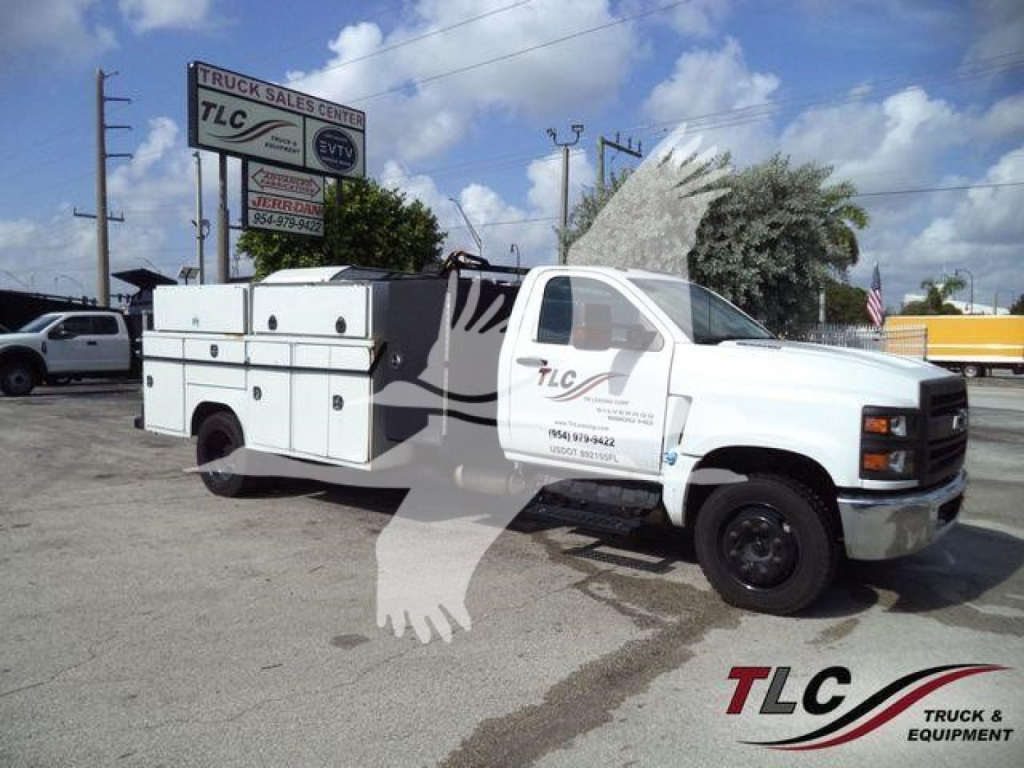
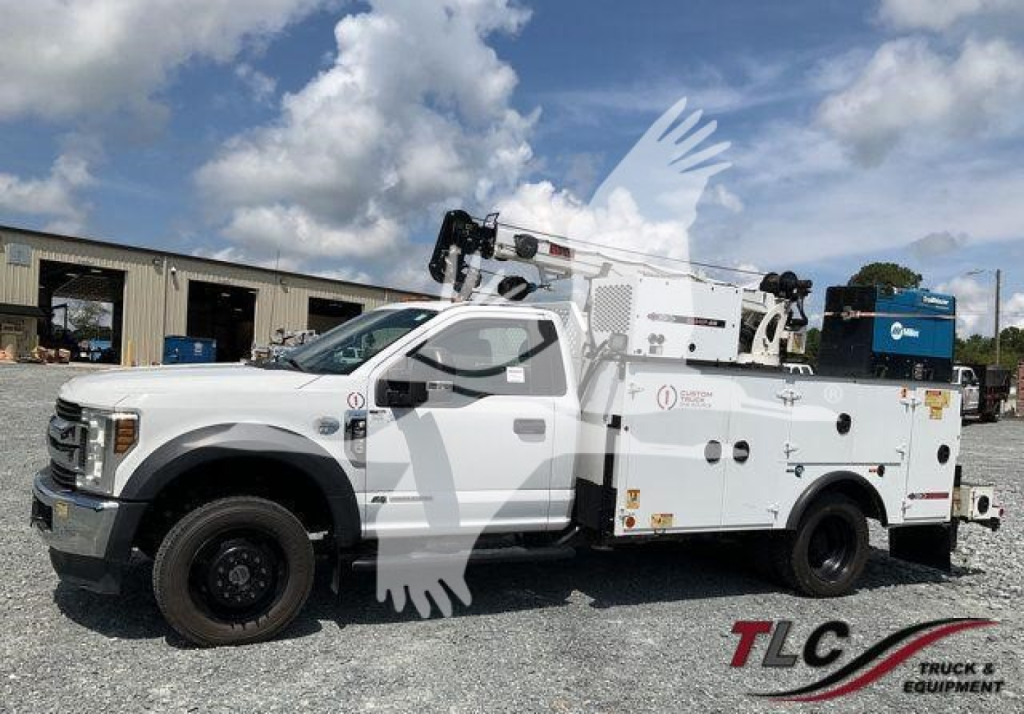
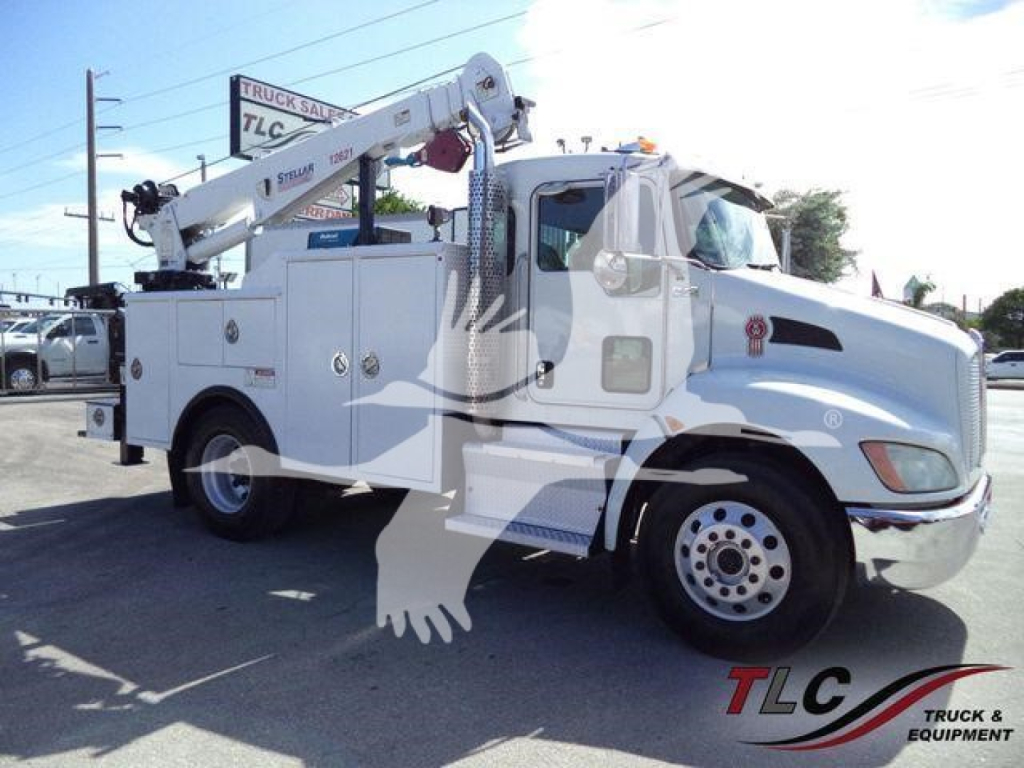
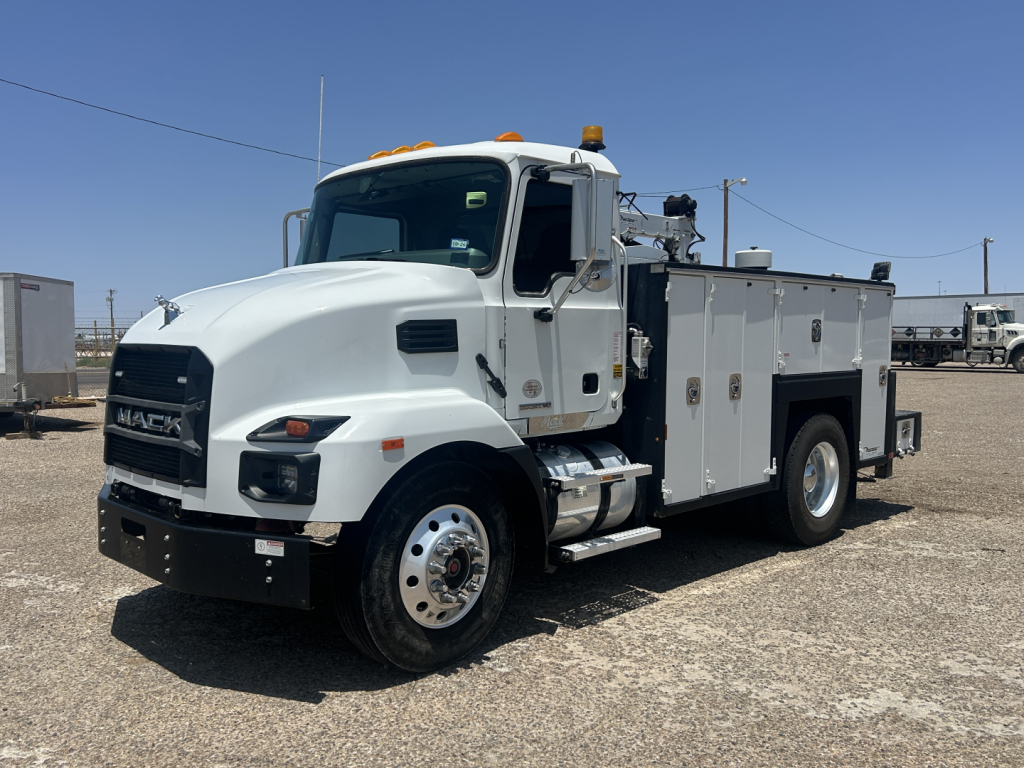
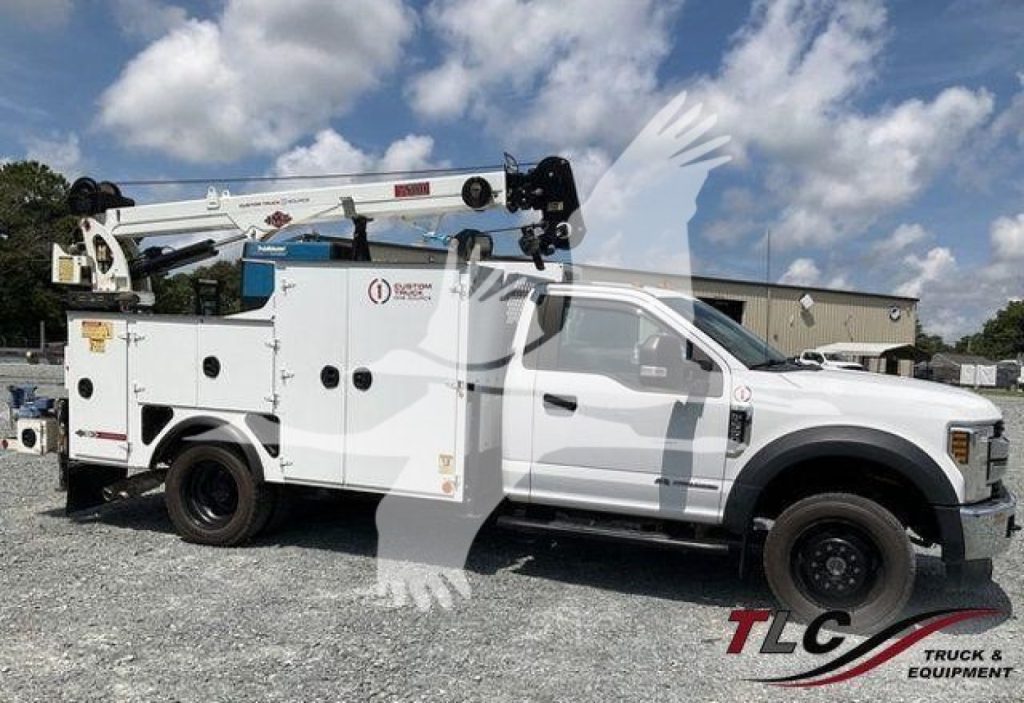
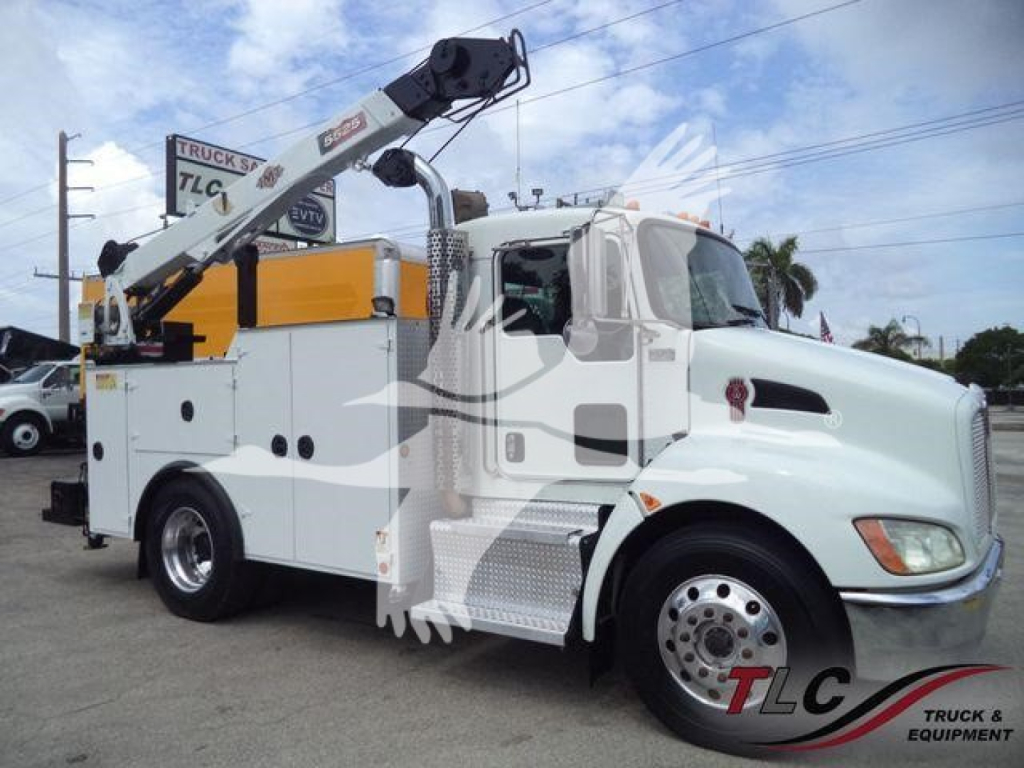
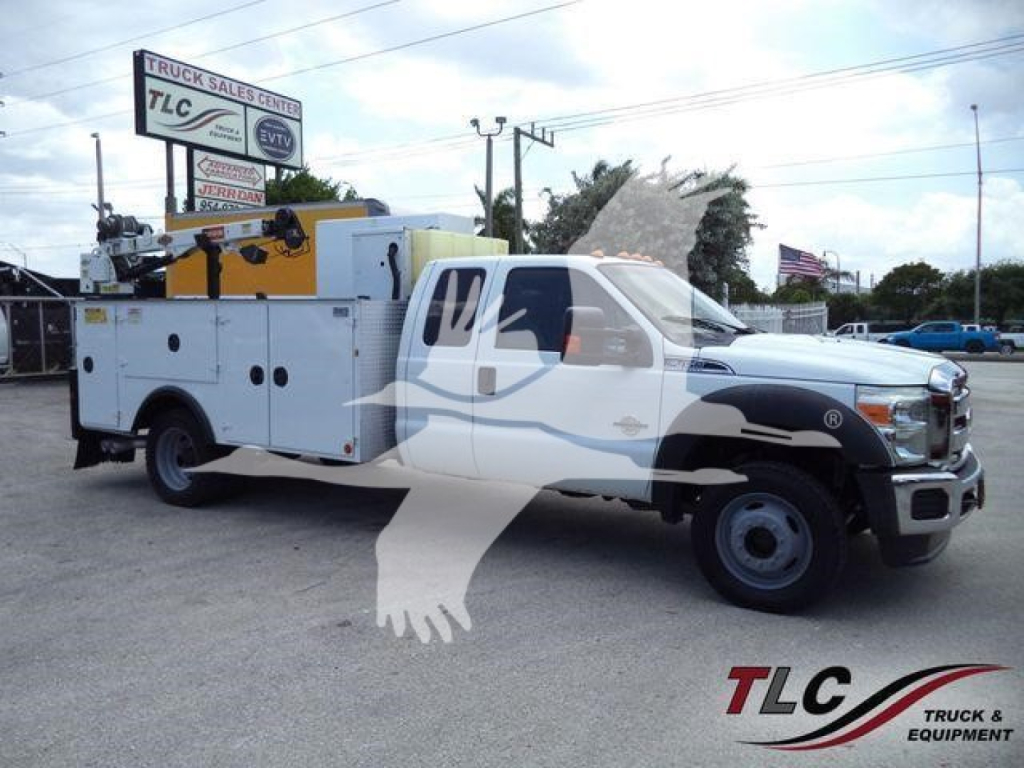
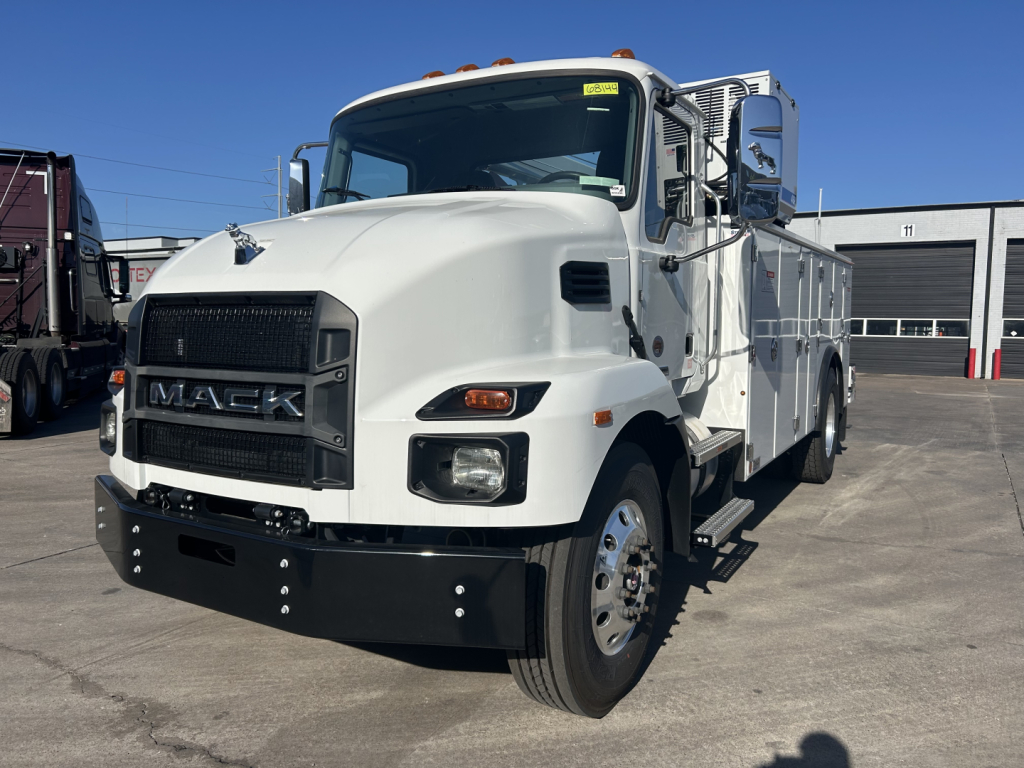
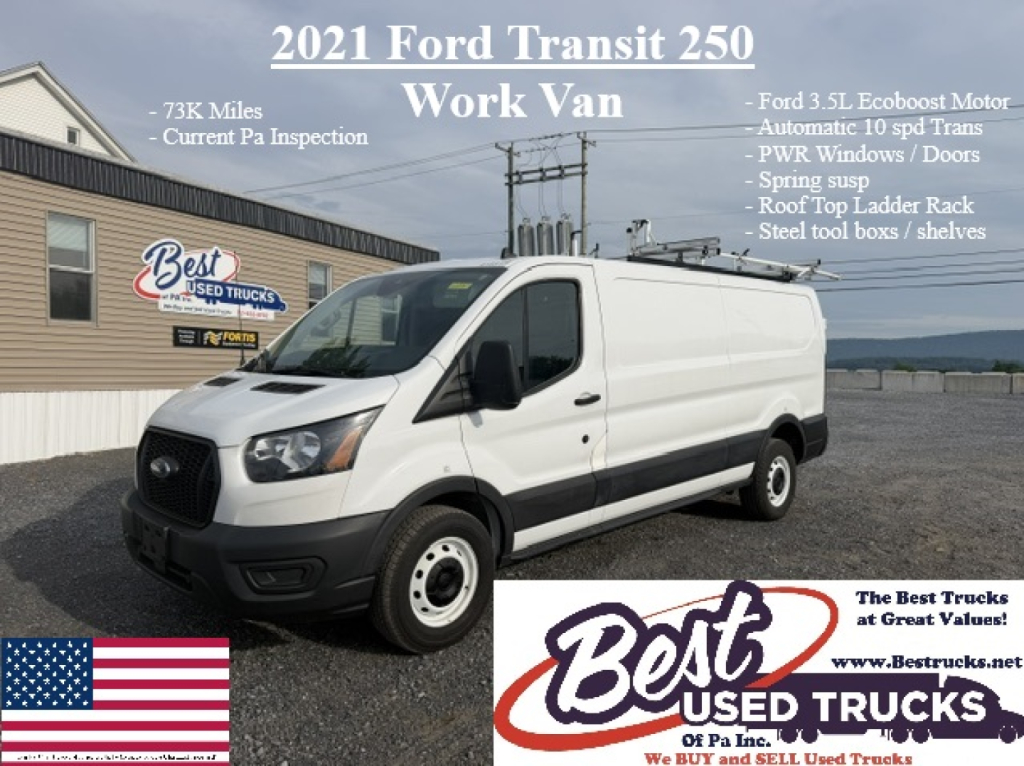
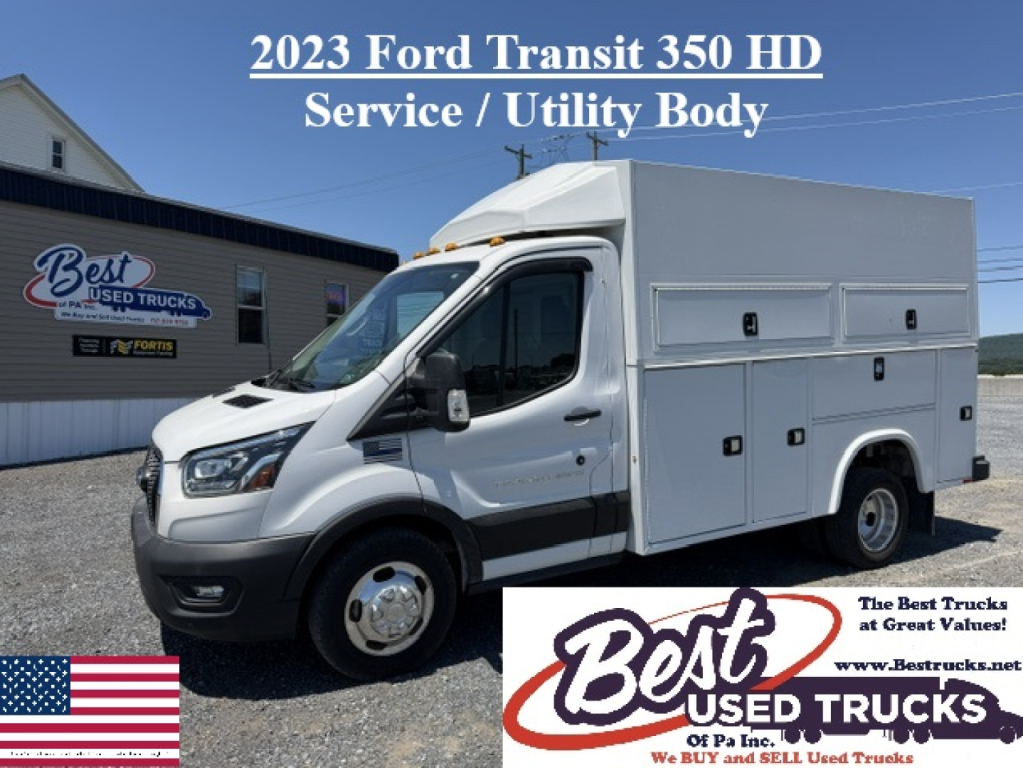
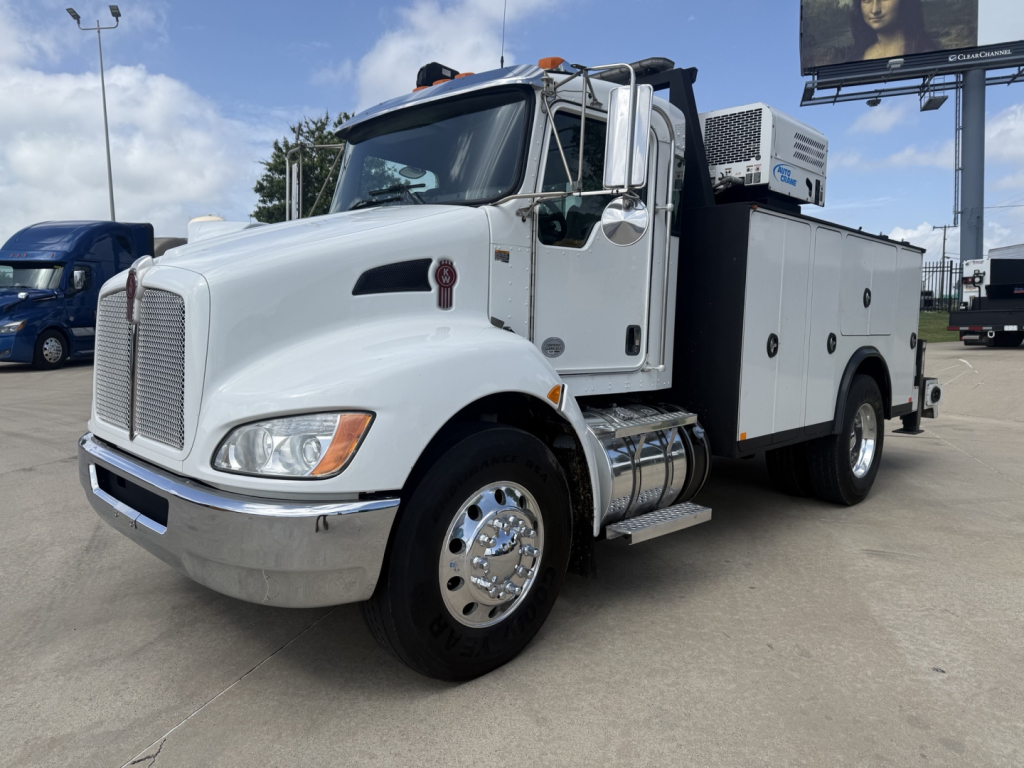
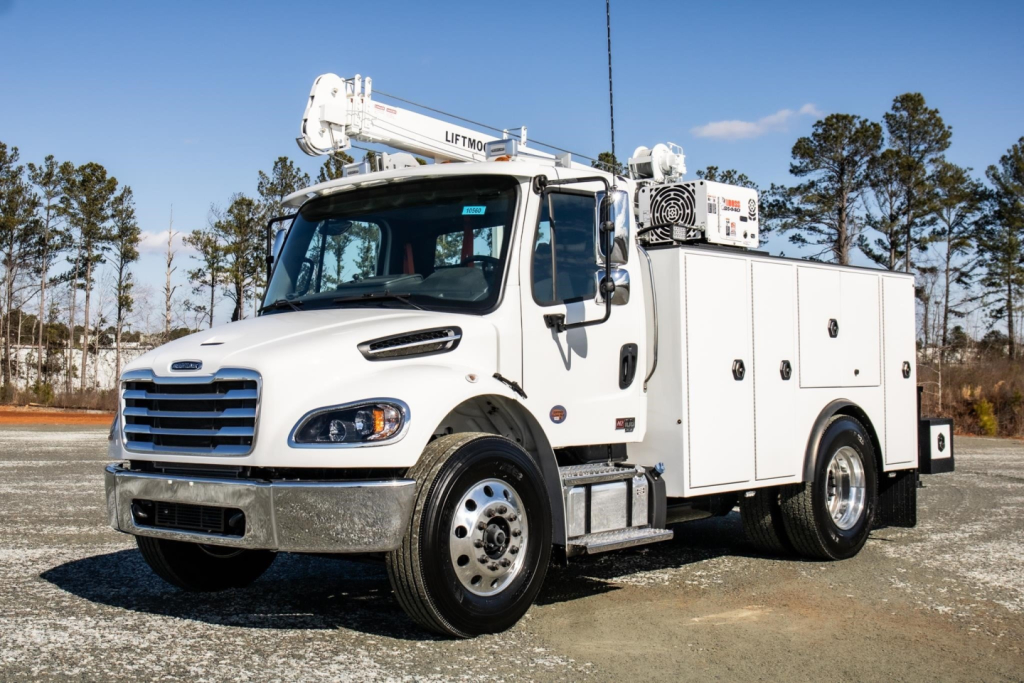
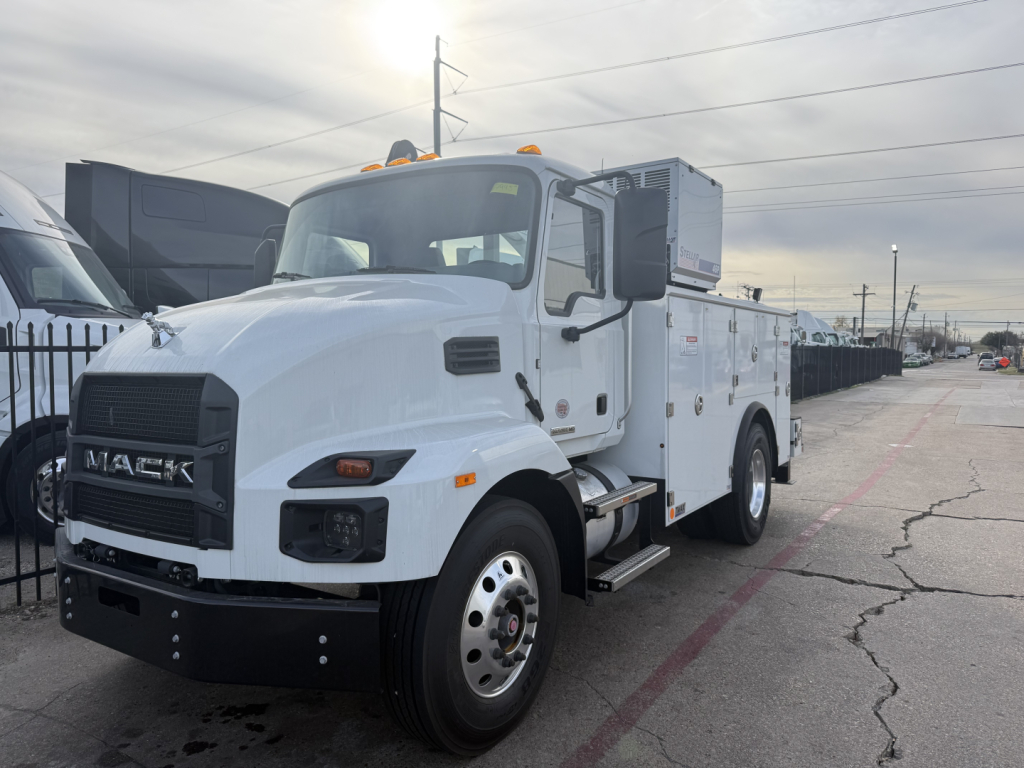
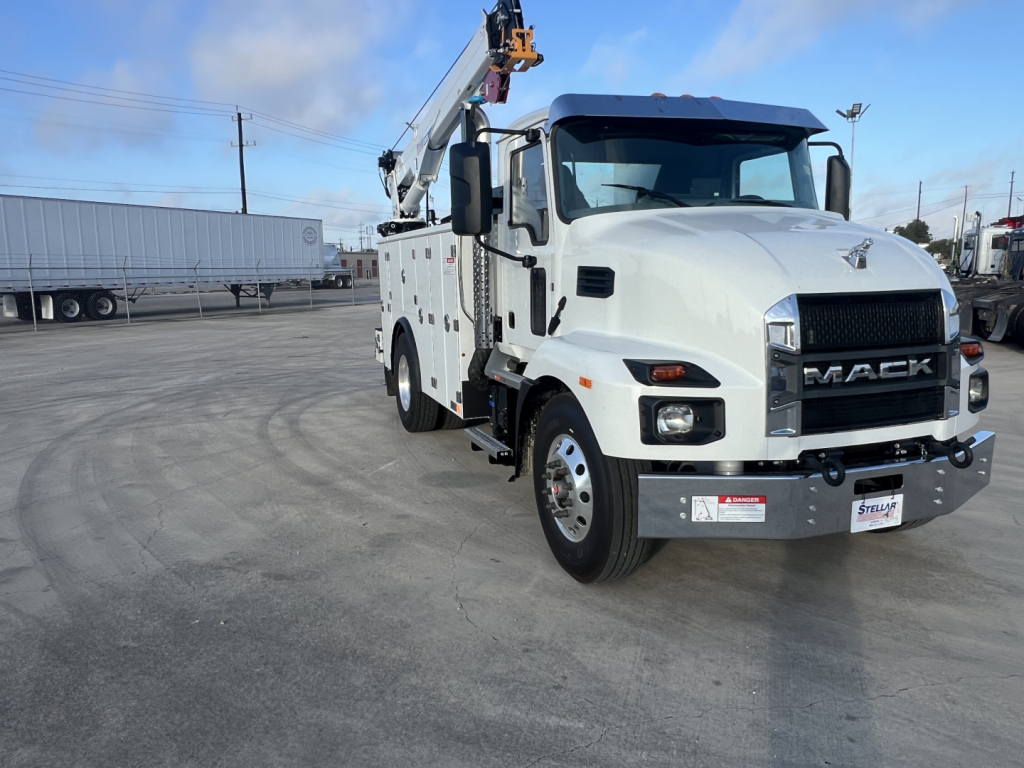
Showing 1 to 28 of 41 results
Selling a service/utility truck? List your service/utility truck for sale and reach thousands of commercial buyers.
Service/Utility Trucks in Utah
For many buyers, the body configuration matters as much as the chassis. A typical setup includes side-pack compartments, top-opening bins, a reinforced cargo floor, ladder or pipe racks, tow packages, and trailer brake controllers. Some service trucks add bumper-mounted or bed-mounted cranes for lifting compressors, generators, pumps, welders, or other field equipment. Payload rating, rear axle capacity, suspension type, and GVWR should be checked closely, especially if the truck will carry fluids, heavy tooling, or a compressor and crane combination. On pickup-based models like 2500HD and 3500-class trucks, gas V8 engines are common because they are simple to maintain and well suited for mixed city and jobsite use.
In Utah, service and utility trucks often see a mix of paved-road travel, construction access roads, and cold-weather operation. That makes rust condition, bed corrosion, door seal condition, and latch function important inspection points, particularly on older utility bodies. Buyers should also look at compartment depth, shelving layout, inverter or auxiliary power provisions, and whether the body design leaves enough open bed space for bulk materials. If the truck will tow equipment, confirm hitch rating, receiver condition, cooling system health, and any integrated brake controller or tow-haul features.
A good service truck saves labor every day by reducing time spent loading, unloading, and searching for parts. The right choice depends on how the truck is used: light-duty fleet support, mobile mechanic work, contractor service calls, or municipal maintenance. Regular cab models maximize bed length in a shorter wheelbase, while extended and crew cab versions add passenger capacity for crews. When comparing listings, focus on chassis class, body condition, crane capacity if equipped, storage layout, and the overall match between payload needs and service application.
Frequently Asked Questions about Service/Utility Trucks in Utah
What is the difference between a service truck and a utility truck?
The terms are often used interchangeably, but service truck usually refers to a truck set up for mobile repair, maintenance, and field support, while utility truck can describe a broader work-truck category used by contractors, municipalities, and utility companies. Both typically use a compartmentalized service body with exterior storage boxes and a central bed area. The real difference is usually in the equipment package, such as cranes, compressors, generators, racks, or specialized bins.
What should I check first on a used service or utility truck?
Start with the utility body, not just the cab and engine. Inspect compartment floors, hinges, latches, seals, rust at the lower edges, and the condition of the bed floor where heavy equipment may have been mounted. Then review GVWR, axle ratings, suspension condition, and any evidence of overloading. If the truck has a crane, check the mounting structure, hydraulic operation, stability equipment, and service records. Electrical accessories, trailer brake controllers, and auxiliary power systems should also be tested because repair costs can add up quickly.
Are gas or diesel engines better in service/utility trucks?
It depends on duty cycle and payload. Gas engines are common in 2500 and 3500 series service trucks because they cost less up front, are simpler to maintain, and work well for short trips, idle time, and mixed urban use. Diesel makes more sense when the truck tows regularly, carries heavier bodies, or runs high annual miles. Buyers should match the engine to the actual work pattern rather than assuming diesel is always the better commercial choice.
Do I need a crane on a service truck?
A crane is valuable if the truck regularly loads or unloads heavy equipment such as welders, pumps, motors, or jobsite materials without forklift support. It adds versatility but also increases weight, reduces available payload, and creates more inspection and maintenance requirements. If most work involves hand tools, fittings, and lighter parts, a standard utility body may be the more efficient setup. The decision should come down to lift frequency, load weight, and how much remaining payload capacity is needed after the crane is installed.
Why are regular cab service trucks so common?
Regular cab models are popular because they leave more frame and body length available for compartments and open bed space while keeping the overall truck shorter and easier to maneuver. That layout works well for fleets that prioritize tool storage and equipment access over passenger seating. Extended cab and crew cab models are useful when a second technician or full crew rides in the truck, but they usually trade away body length or increase wheelbase.