
Used Service/Utility Trucks For Sale in Texas
Have used service/utility truck to sell? List it here to reach thousands of buyers.
Used Service/Utility Trucks in Texas
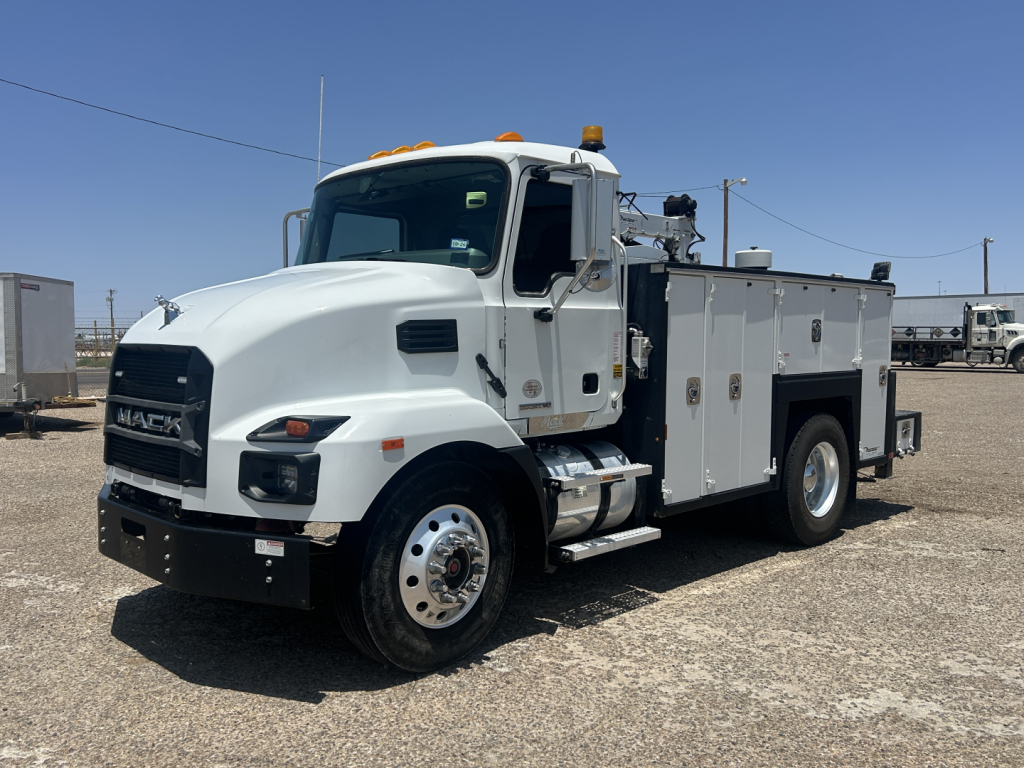
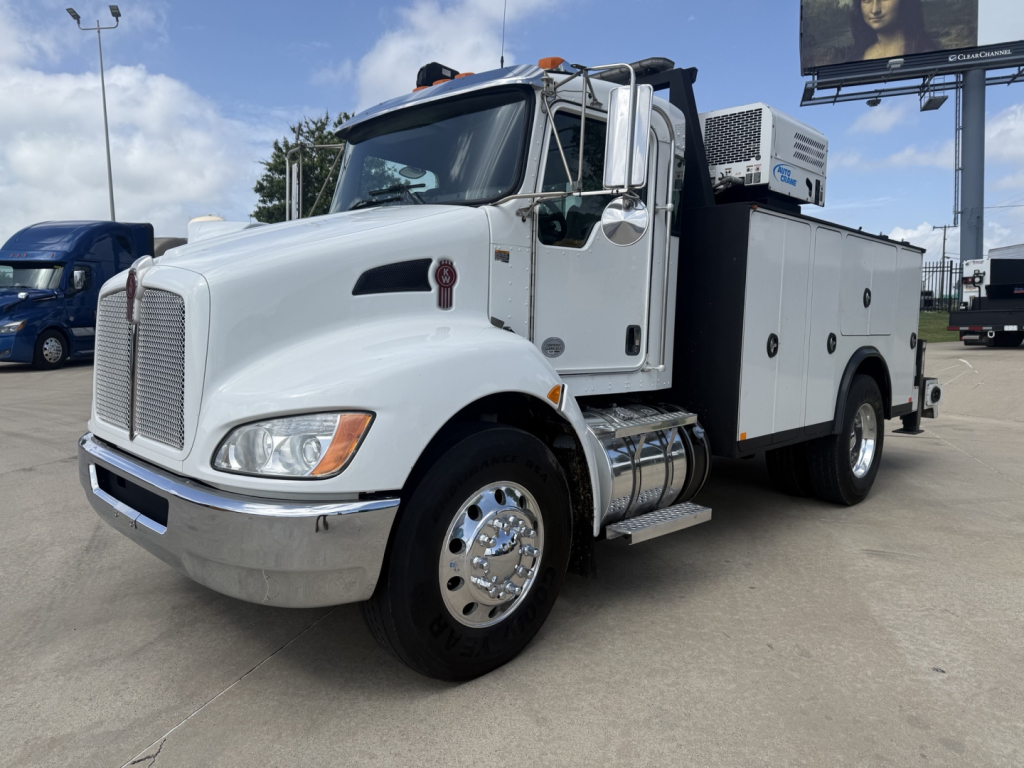
Body length, crane rating, and chassis class should be matched carefully. Common used service trucks range from pickup-based units like Ford F-250 and F-350 models up to Class 5, 6, and 7 chassis from Kenworth, Mack, Freightliner, International, and similar builders. Buyers should pay close attention to GVWR, rear axle capacity, crane foot-pound rating, and whether the truck stays under CDL limits when fully equipped. Many service/utility trucks in this category include enclosed side packs, heavy work benches, torch bottle racks, air compressors, hose reels, welders, outriggers, and power inverters. If the truck has a crane, check boom reach, lift chart, rotation, remote controls, and stability setup, especially if your work is done on uneven ground or tight sites.
For Texas use, engine and drivetrain choices matter because service trucks often idle for long periods, run PTO-driven systems, and spend time both on pavement and lease roads. Diesel engines are common on medium-duty chassis, while gas-powered pickup-based service trucks can make sense for lighter duty and lower operating cost. Automatic transmissions are typical, especially with PTO and crane applications. A 4x4 setup is valuable for field service, pipeline work, and off-road access, while 4x2 may be the better fit for municipal or metro fleet work. Also evaluate compartment condition, door seals, latch wear, rust around the body floor, and signs of overloading or frame stress near crane mounts and outriggers.
A good used service/utility truck should be judged as a working system. The service body, crane, compressor, hydraulic circuit, PTO, and electrical setup all affect productivity as much as the truck itself. Buyers should confirm service records, hydraulic leaks, compressor output, PTO engagement, and the age and condition of wear items such as tires, brakes, batteries, and suspension components. If the unit includes a crane or air system, confirm current inspections and verify that the equipment still matches your technicians’ real field requirements. The right truck reduces downtime, carries the tools that matter, and functions as a mobile workshop instead of just a chassis with boxes.
Frequently Asked Questions about Used Service/Utility Trucks in Texas
What is the difference between a service truck and a mechanic truck?
The terms are often used interchangeably, but mechanic truck usually refers to a service/utility truck equipped with a crane, compressor, welder, or other field repair equipment. A service truck can be a simpler utility body with compartments for tools and parts. In buyer terms, the difference usually comes down to the body package and mounted equipment rather than the truck itself.
What should I check first on a used service/utility truck?
Start with the body and equipment package because that is where replacement cost adds up fast. Check compartment doors, hinges, latches, shelving, body floor condition, crane mounts, outriggers, PTO operation, hydraulic lines, compressor performance, and wiring quality. Then review chassis basics such as engine hours, transmission operation, brake condition, suspension wear, tire age, and any signs the truck has been operated above its intended payload.
Do I need a CDL for a service truck?
Not always. Some service/utility trucks are built to stay under 26,000 pounds GVWR, which can keep them under CDL thresholds in many applications. However, the actual requirement depends on GVWR, GCWR, local regulations, and how the truck is equipped and used. A crane body, compressor, fuel system, or heavy tool load can push a truck into a higher weight class, so buyers should verify ratings on the door tag and body upfit before making a decision.
Is 4x4 worth it on a used utility truck in Texas?
For off-road service, oilfield routes, pipeline access, ranch work, and storm response, 4x4 is often worth the added cost and maintenance. It improves traction on mud, caliche, loose gravel, and undeveloped work areas. For highway-based technicians, municipal fleets, and urban contractors, a 4x2 truck may offer lower acquisition cost, less drivetrain complexity, and slightly better payload efficiency.
What crane specs matter most on a used mechanic truck?
The key specs are lift capacity at specific distances, total foot-pound rating, horizontal reach, vertical lift, rotation, and outrigger setup. A crane rated at 10,000 or 12,000 pounds close in may lift far less at full extension, so the load chart matters more than the headline number. Buyers should also confirm whether the crane uses a remote, check line speed and winch condition, and inspect the mounting structure for cracks, repairs, or fatigue.