
Used 2024 Service/Utility Trucks For Sale

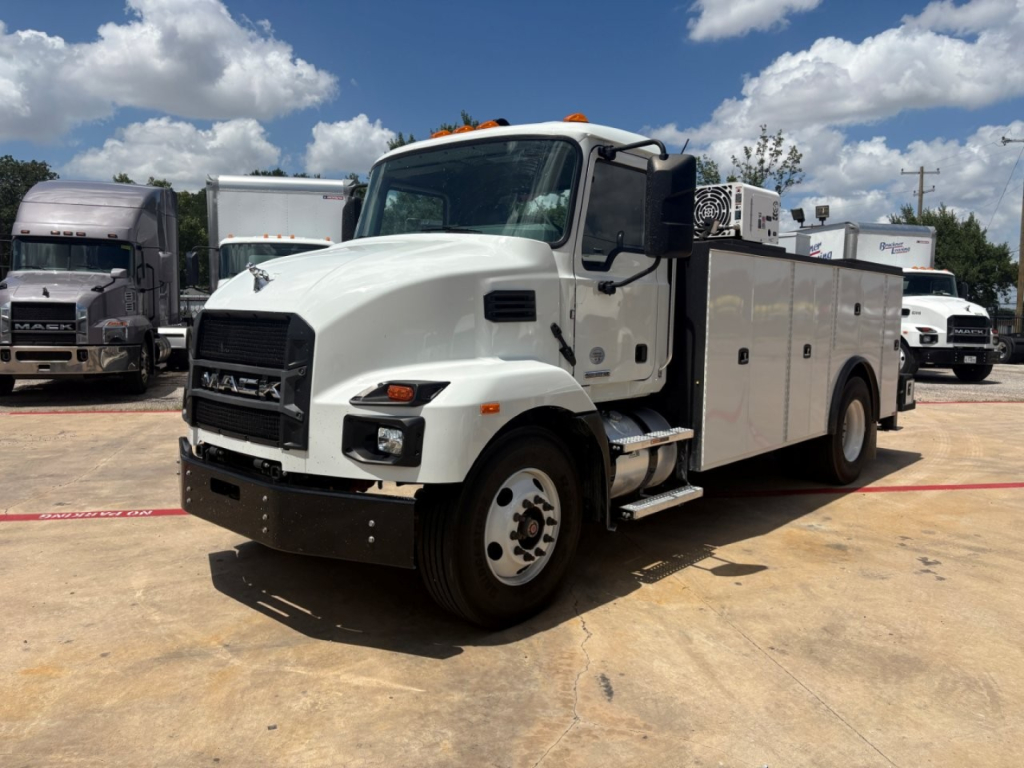
Have used 2024 service/utility truck to sell? List it here to reach thousands of buyers.
Used 2024 Service/Utility Trucks
One of the first decisions is chassis size. In this category, the market can include 3/4-ton and 1-ton pickups, heavy-duty 2500 and 3500 series trucks, and medium-duty models such as the Mack MD6. Lighter trucks are easier to maneuver in urban service routes and fleet use, while medium-duty service trucks offer higher GVWR, better upfit capacity, and more room for compressors, welders, generators, or lube systems. Gas engines are common in pickup-based utility trucks because of lower acquisition cost and simpler maintenance, while diesel power is often preferred when the truck carries a crane, tows regularly, or runs with heavier service bodies and equipment.
The body and upfit package often determine the real value of a used 2024 service truck. Look closely at compartment depth, shelving, drawer systems, lighting, ladder rack design, bed floor condition, and whether the body is steel or aluminum. A mechanic-style unit may include a telescopic crane, outriggers, air compressor, inverter, vice mounts, and work bench space. General utility trucks may focus more on lockable side packs, open center cargo area, pipe racks, and trailer towing equipment such as a receiver hitch, pintle hitch, or integrated brake controller. Buyers should also inspect rust around compartment doors, latch condition, weather sealing, PTO operation if equipped, and any signs of overloading or poor upfit integration.
For a used 2024 model, emissions age is not usually the concern. Specification match is. Check wheelbase, cab-to-axle, and rear axle rating against the body length and intended payload. Confirm that any crane, compressor, or generator has service records and current capacity decals. Interior condition, idle hours, telematics history, and evidence of fleet preventive maintenance can tell you more than odometer miles alone. A well-spec'd service or utility truck can reduce downtime by keeping technicians self-contained in the field, but the best choice depends on storage needs, jobsite access, towing demands, and how much auxiliary equipment the chassis is expected to carry every day.
Frequently Asked Questions about Used 2024 Service/Utility Trucks
What is the difference between a service truck and a utility truck?
The terms are often used interchangeably, but service truck usually points to a truck set up for field repair or mechanic work, while utility truck can describe a broader range of compartment-body trucks used by contractors, municipalities, telecom crews, electricians, and facility maintenance teams. A service truck is more likely to include a crane, compressor, welder, or other powered equipment. A utility truck may be more storage-focused, with side compartments, shelving, ladder racks, and an open cargo bed.
What should I check first on a used 2024 service or utility truck?
Start with the upfit, not just the cab and chassis. The body configuration, compartment condition, and installed equipment determine how useful the truck will be in daily work. Inspect compartment doors, seals, hinges, locks, bed floor wear, ladder racks, hitch setup, and any crane or compressor operation. Then verify GVWR, axle ratings, wheelbase, and payload compatibility so the truck matches the tools and materials it will carry.
Are gas or diesel engines better for service and utility trucks?
Gas engines are often a solid fit for lighter-duty utility bodies, shorter route work, and fleets that want lower upfront cost and less emissions-system complexity. Diesel engines make more sense when the truck is built on a heavier chassis, tows regularly, carries a crane, or supports larger onboard equipment. The better choice depends on body weight, daily idle time, towing requirements, and total operating cost in your service area.
How important is body material on a utility truck?
Body material matters because it affects curb weight, corrosion resistance, and long-term durability. Steel utility bodies are common, durable, and often less expensive to repair, but they can show rust in harsh climates or corrosive service environments. Aluminum bodies reduce weight and resist corrosion better, which can help preserve payload and appearance, but repair methods and replacement parts can differ from steel bodies.
Can a used 2024 utility truck still be a good fleet addition if it already has high miles?
Yes, if the truck was properly maintained and the upfit remains in good condition. For service and utility trucks, maintenance records, idle hours, body condition, and the health of auxiliary equipment often matter as much as mileage. A higher-mile truck with clean compartments, sound electrical systems, documented preventive maintenance, and a properly matched chassis can be more valuable than a lower-mile unit with a worn or poorly configured body.