
Used 2019 Service/Utility Trucks For Sale
Shop used 2019 service/utility trucks with work-ready bodies, cabinets, crane options, and specs suited for field repair, tire, and fleet service.
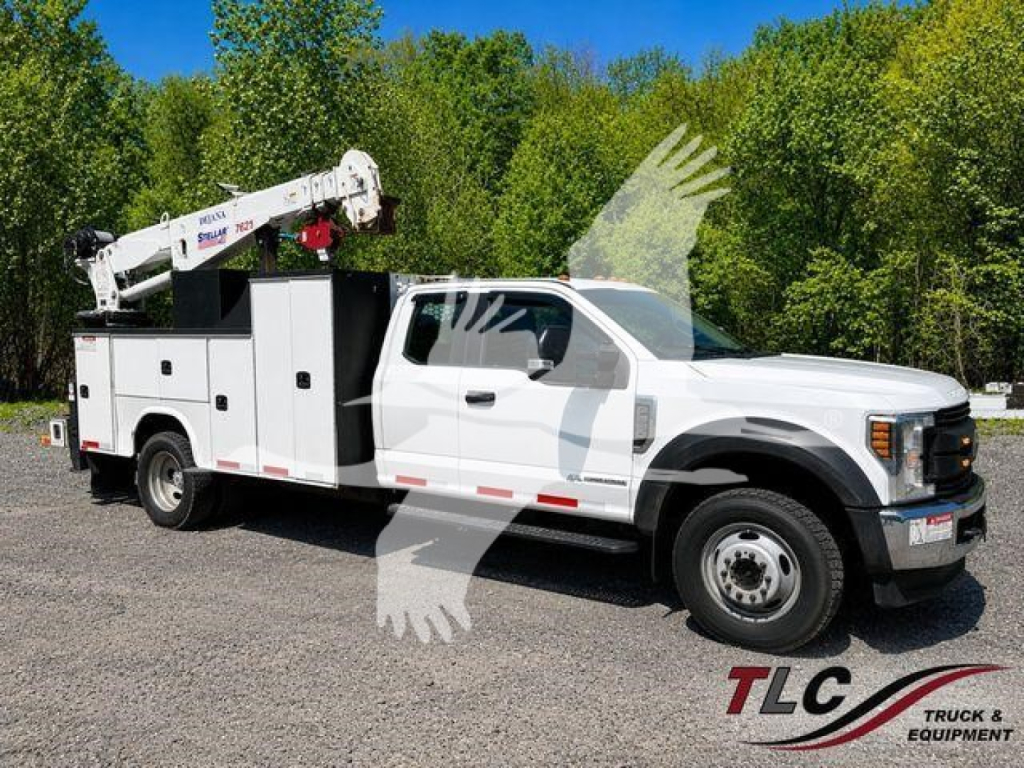

Have used 2019 service/utility truck to sell? List it here to reach thousands of buyers.
Used 2019 Service/Utility Trucks
The 2019 model year sits in a practical sweet spot for buyers who want newer emissions and safety features without paying new-truck pricing. Common platforms in this segment include Ford F-250 through F-750, Chevrolet Silverado 2500HD and 3500HD, Ram 2500 through 5500, Isuzu NPR and NQR, and medium-duty chassis from Freightliner, International, Hino, or Mack. Gas engines are common in lighter service bodies and municipal fleets, while diesel power is more common when the truck carries a crane, air compressor, lube system, or heavier payload every day. Buyers should match GVWR, front axle rating, rear axle rating, wheelbase, and body length to the actual service load, because utility trucks often reach axle limits before they look fully loaded.
Body equipment matters as much as drivetrain. A tire service setup may include reel systems, liftgate access, jack storage, and air supply. A field mechanic truck may need a crane with enough rating at full extension, compressor output measured in CFM, welder-generator integration, workbench space, and secure steel compartments with good weather sealing. Electric utility and telecom trucks often prioritize shelving, inverter capacity, ladder storage, and lighting. Look closely at compartment rust, hinge wear, latch condition, outriggers, crane certification history, PTO engagement, hydraulic leaks, and signs of overloading around the body mounts and rear suspension. On pickup-based units, check if the service body installation reduced turning clearance, altered fuel fill access, or compromised trailer towing setup.
A strong used 2019 service/utility truck is one that fits the job route, technician count, and daily equipment list without carrying unnecessary chassis or body weight. Crew cabs help when multiple technicians ride together, but they shorten available body length on many wheelbases. Automatic transmissions dominate this category, and 4x4 can be worth the added cost for oilfield, construction, utility right-of-way, or winter roadside work. Buyers comparing listings should focus on service body brand, crane and compressor make, compartment dimensions, actual payload left after upfit, and maintenance documentation for both chassis and auxiliary equipment. In this category, uptime is driven by the full package, not just the odometer.
Frequently Asked Questions about Used 2019 Service/Utility Trucks
What should I look for first on a used 2019 service/utility truck?
Start with the upfit, not just the chassis. The service body layout, compartment condition, payload rating, and any installed crane, compressor, welder, generator, or reel system determine whether the truck can actually perform the work required. After that, confirm the chassis GVWR, axle ratings, wheelbase, engine type, and transmission are properly matched to the body and equipment. A truck with a solid cab and drivetrain can still be a poor buy if the utility body is rusted, overloaded, or missing critical auxiliary service history.
What is the difference between a service truck and a utility truck?
The terms are often used interchangeably, but buyers sometimes use service truck to describe a mechanic-style truck set up for field repair, often with a crane, compressor, and heavy-duty compartments. Utility truck can refer more broadly to any truck with a compartment body used by electricians, telecom crews, plumbers, municipal departments, tire service operators, and general maintenance fleets. In listings, the actual body configuration and installed equipment matter more than the label.
Is diesel or gas better for a 2019 service/utility truck?
Gas engines are often a good fit for lighter-duty service bodies, shorter routes, and fleets that want lower upfront cost and simpler maintenance. Diesel is usually the better choice when the truck is medium-duty, carries a crane or heavy equipment, idles for long periods, or operates close to its weight limits every day. The better option depends on payload, PTO or hydraulic demands, daily mileage, idle time, and technician operating pattern.
How important is crane and compressor inspection on a used utility truck?
It is critical. Auxiliary equipment can be expensive to repair or replace, and many used service trucks are valued as much by the upfit as by the chassis. Check crane capacity plate details, rotation function, cable or rope condition, outrigger performance, hydraulic leaks, and any inspection or certification records. For compressors, confirm CFM and PSI output, PTO or hydraulic drive operation, hose reel condition, tank integrity, and service records. A truck with neglected auxiliary systems can turn into a high-cost downtime issue quickly.
Are pickup-based utility trucks or medium-duty service trucks better?
Pickup-based utility trucks are often easier to maneuver, lower in overall height, and well suited for lighter tools, municipal work, property maintenance, and technician service routes. Medium-duty service trucks provide more body capacity, stronger axle ratings, better support for cranes and compressors, and improved durability under constant heavy payload. The right choice comes down to how much equipment the truck must carry, whether it needs towing capacity, and how demanding the jobsite conditions are.