
Used 2016 Service/Utility Trucks For Sale
Browse used 2016 service/utility trucks, including common body setups, GVWR ranges, storage options, cranes, lifts, and fleet-buying considerations.
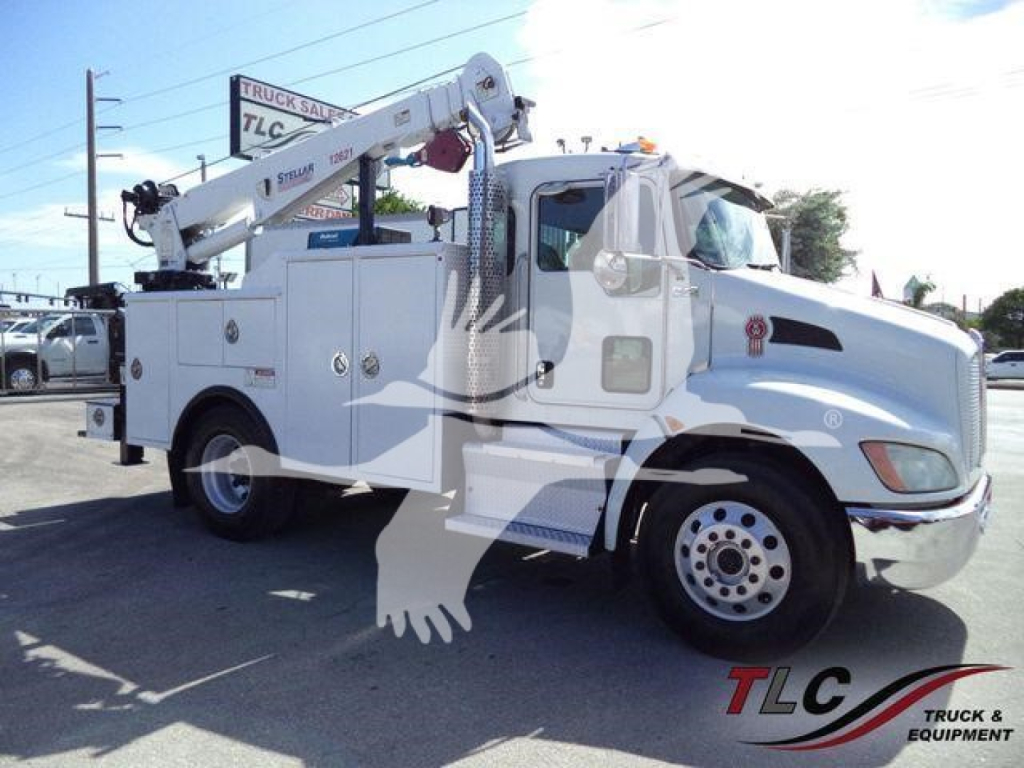
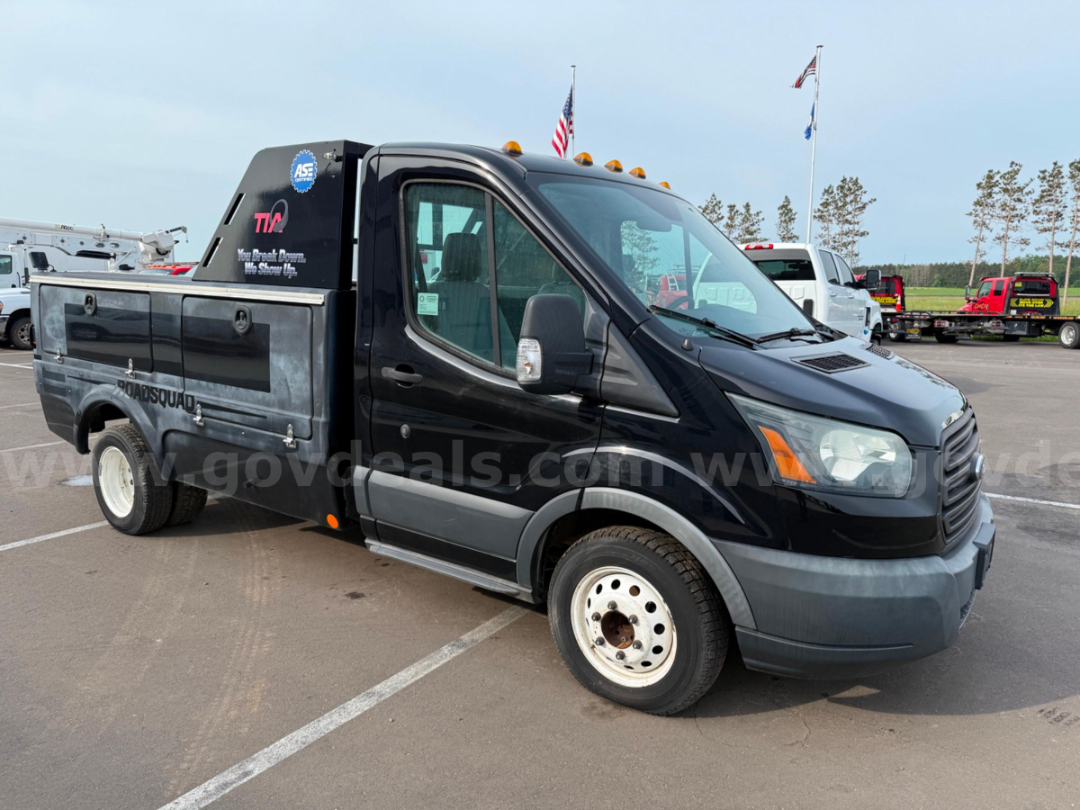

Have used 2016 service/utility truck to sell? List it here to reach thousands of buyers.
Used 2016 Service/Utility Trucks
Body configuration matters as much as the truck itself. Buyers should look closely at body material, compartment layout, and installed accessories. Steel service bodies are common and durable, while fiberglass and aluminum bodies can help reduce corrosion and preserve payload. Typical features include tall side packs, drawer systems, adjustable shelving, ladder racks, bumper hitches, receiver hitches, and integrated trailer brake controllers. Some 2016 service trucks are fitted with bed-mounted cranes, compressors, generators, inverters, welders, or liftgates, which can add major value if they match the intended application. A crane or compressor truck needs closer review of PTO setup, hydraulic operation, stabilizers, and remaining payload after the upfit is factored in.
For many buyers, the key decision is 2500 or 3500 pickup-based truck versus a heavier 4500 or 5500 chassis cab. A 2500HD or F-250 service truck can work well for lighter field service with hand tools and moderate towing. A 3500 class truck adds margin for heavier service bodies, cranes, or more densely packed compartments. Moving into 4500 and 5500 class trucks usually makes sense for utility crews, mechanics carrying large inventories, or operators towing equipment regularly. Wheelbase, cab style, and drivetrain also affect usability. Regular cab units maximize body length in a compact footprint, while extended and crew cab trucks add personnel space at the expense of body room. Four-wheel drive is desirable for oilfield, construction, and rural utility work, while two-wheel drive can be a practical fit for paved-route fleet service.
On a used 2016 service/utility truck, inspection should focus on the upfit as much as the chassis. Check compartment doors, latches, seals, hinges, shelving mounts, and rust around body seams and floor structure. Review crane certification if equipped, inspect liftgate operation and capacity tags, and look for excessive idle hours that may not show up in mileage alone. Fleet and municipal trucks from this era often have documented maintenance histories, but buyers still need to evaluate transmission behavior, brake wear, suspension condition, and any signs of overloading. A well-matched 2016 service truck can deliver strong value because the service body and accessories are expensive to duplicate, and the right spec can put a crew to work immediately.
Frequently Asked Questions about Used 2016 Service/Utility Trucks
What is a 2016 service/utility truck used for?
A 2016 service/utility truck is used as a mobile workstation for repair, installation, and maintenance work. Common applications include electrical service, plumbing, HVAC, municipal maintenance, construction support, and field mechanic operations. The service body provides secure external compartments for tools, parts, and consumables, while optional cranes, compressors, generators, and liftgates allow the truck to handle specialized jobsite tasks.
What should I check first on a used 2016 service truck?
Start with payload-related specs and the condition of the service body. Confirm the truck’s GVWR, axle ratings, engine, drivetrain, cab configuration, and any installed upfit such as a crane or compressor. Then inspect compartment doors, locks, shelving, rust at the body floor and wheel openings, hitch setup, electrical accessories, and any PTO or hydraulic systems. On older service units, the body condition and equipment functionality can be just as important as engine mileage.
Is a 2500HD enough for a service body, or should I look for a 3500 or larger?
A 2500HD can be sufficient for lighter service work with basic tools, moderate inventory, and limited towing. A 3500 usually provides better capacity for a fully equipped service body, especially when compartments are heavily loaded or when the truck pulls a trailer. If the truck has a crane, compressor, welder, or regularly carries dense parts inventory, a 4500 or 5500 chassis may be the better fit because it offers more payload margin and better durability under continuous commercial use.
Are gas or diesel engines better in 2016 service/utility trucks?
Gas engines are often a strong choice for local service fleets that rack up idle time, make frequent stops, and want lower purchase and repair costs. Diesel engines usually make more sense when the truck tows regularly, carries heavier loads, or spends more time on the highway. The best choice depends on route profile, average payload, emissions-system tolerance, and how the truck will be used day to day rather than engine preference alone.
Do cranes and liftgates add value on a used service truck?
They can add significant value if they are the right equipment for the job and are still in proper working order. A bed-mounted crane, Tommy Gate-style liftgate, compressor, inverter, or welder can save a buyer substantial upfit cost and lead time. The added value depends on operating condition, age, rated capacity, hydraulic integrity, electrical installation quality, and whether the truck still has enough legal payload after the equipment is installed.