
Used 2015 Service/Utility Trucks For Sale
Shop used 2015 service and utility trucks with service bodies, tool compartments, cranes, compressors, and PTO setups for field work.
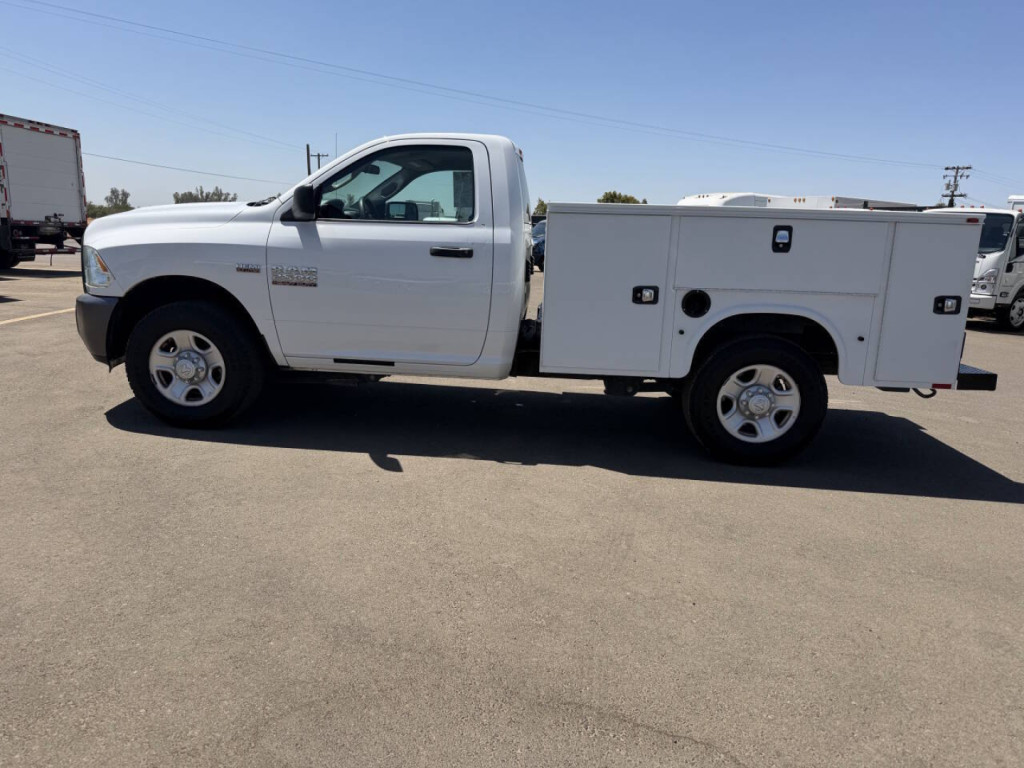
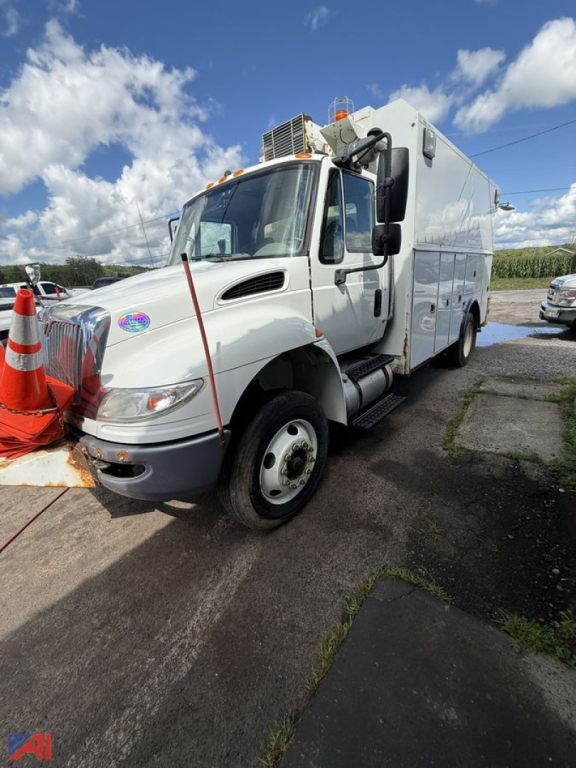
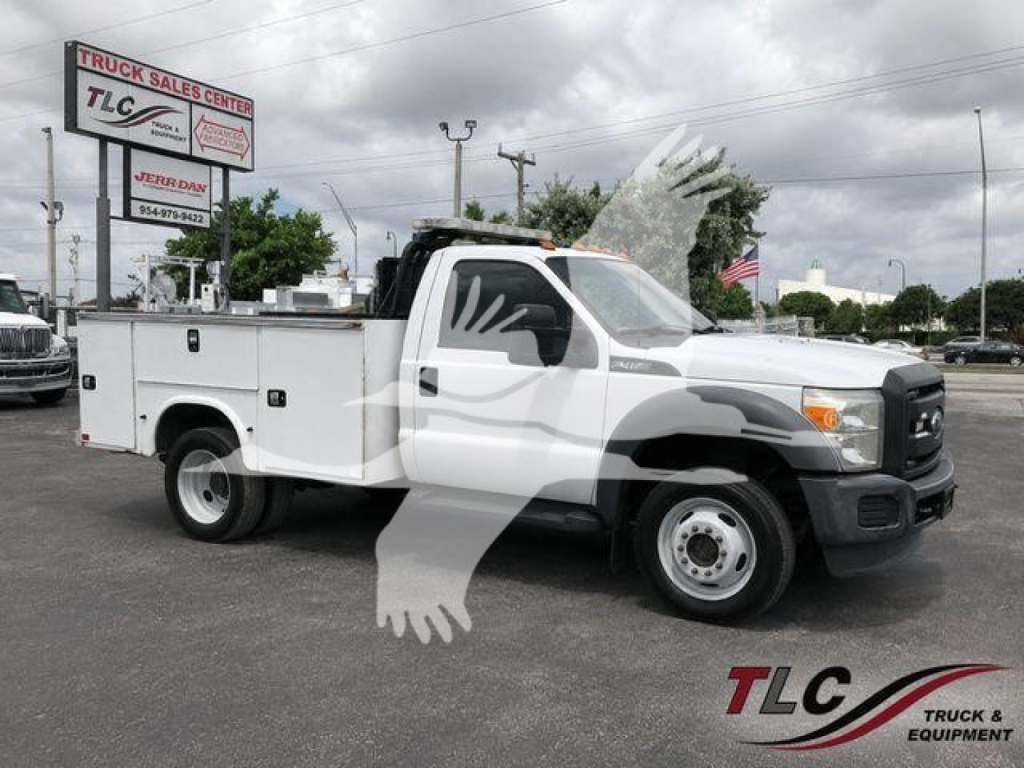

Have used 2015 service/utility truck to sell? List it here to reach thousands of buyers.
Used 2015 Service/Utility Trucks
Body configuration matters as much as the chassis. Many 2015 service trucks have steel or aluminum service bodies with side-pack compartments, top-opening bins, drawer packs, and through-compartments for long tools and materials. Some are outfitted with mechanics cranes, air compressors, generators, welders, hose reels, inverter systems, liftgates, or lube skids. If crane work is part of the job, check crane rating, stability setup, and whether the body and frame are designed for that load. If the truck will support technicians on daily route work, compartment security, shelving, lighting, and power distribution often matter more than peak lifting capacity.
Chassis and driveline specs on used 2015 service/utility trucks vary widely. GVWR commonly falls from 9,900 pounds on compact service vans up to 26,000 pounds on non-CDL medium-duty trucks, with heavier examples above that range. Gas engines can make sense for lighter fleets with lower annual mileage and simpler maintenance needs, while diesel power is still preferred for higher payloads, PTO operation, and longer-duty cycles. Buyers should verify axle ratings, wheelbase, cab-to-axle measurement, brake type, transmission model, tire size, and suspension before comparing listings. On a used service truck, those dimensions determine body fit, turning radius, legal payload, and how well the truck handles added equipment like compressors, cranes, and fuel or hydraulic systems.
Condition on a 2015 model year truck should be judged by service-body wear as much as engine hours or odometer miles. Utility trucks often spend time idling at jobsites, powering air tools, running PTO equipment, or operating local stop-and-go routes, so hours can tell more than mileage alone. Inspect compartment doors, latch hardware, drawer slides, rust around body mounts, PTO engagement, hydraulic leaks, wiring quality, warning lights, and evidence of frame repairs or overload. A well-configured 2015 service truck can still be a productive fleet asset if the chassis, body, and work systems match the application and have been maintained as a complete package.
Frequently Asked Questions about Used 2015 Service/Utility Trucks
What is the difference between a service truck and a utility truck?
The terms are often used interchangeably, but service truck usually refers to a field-support truck set up for mechanic work, repair calls, welding, tire service, or equipment maintenance. Utility truck can describe the same type of service body, but it is also used for municipal, telecom, electrical, and public works applications. The real distinction is in the body equipment, compartment layout, and PTO-powered tools rather than the name alone.
What should I check first on a used 2015 service/utility truck?
Start with the body and work equipment, then move to the chassis. Verify compartment condition, locks, drawer packs, crane or compressor operation, PTO function, hydraulic system integrity, and signs of corrosion around mounts and outriggers. After that, confirm engine hours, transmission operation, axle ratings, GVWR, brake system, tire condition, and whether the wheelbase and cab-to-axle dimensions fit the intended job. A clean engine with a worn-out service body can still be the wrong truck.
Are diesel or gas engines better in a 2015 service truck?
Diesel is usually the better fit for medium-duty service trucks that carry heavier payloads, run PTO equipment regularly, or spend long days in commercial use. Gas engines are common and practical in lighter-duty service bodies and van-based utility trucks where lower acquisition cost and simpler maintenance are priorities. The better choice depends on payload, annual miles, idling time, and whether the truck needs to support cranes, compressors, or hydraulic accessories.
Do I need to pay attention to cab-to-axle and wheelbase on a service truck?
Yes. Cab-to-axle and wheelbase are critical because they determine service-body fit, weight distribution, turning radius, and equipment placement. A truck can have the right GVWR and still be a poor fit if the body length, crane position, or compartment layout do not match the chassis dimensions. These measurements also affect how stable the truck is when loaded and how usable it will be in tight service locations.
Why do engine hours matter on a used utility truck?
Engine hours matter because many service and utility trucks spend a large part of their life idling or operating PTO-driven equipment at a standstill. Mileage alone may understate real engine and accessory wear. A truck with moderate miles but very high idle or PTO hours may have more wear on the engine, charging system, hydraulic components, and cab systems than the odometer suggests.