
Used 2013 Service/Utility Trucks For Sale
Browse used 2013 service and utility trucks, including mechanic bodies, ladder racks, cranes, and work-ready upfit options.
Learn more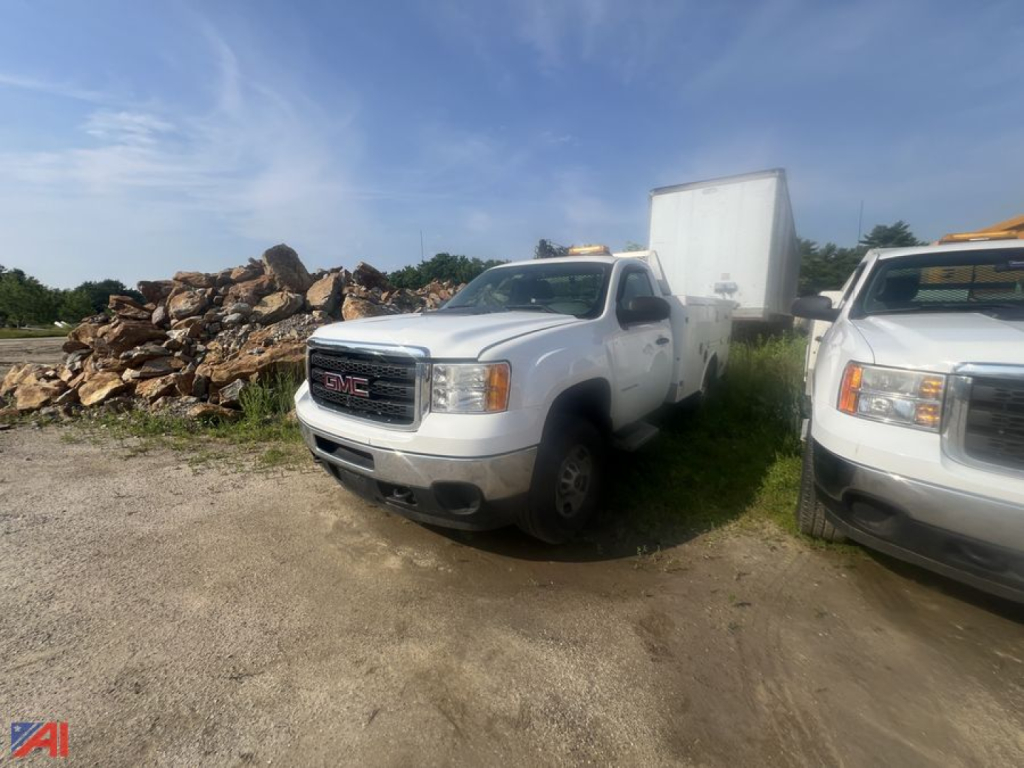

Have used 2013 service/utility truck to sell? List it here to reach thousands of buyers.
About Used 2013 Service/Utility Trucks
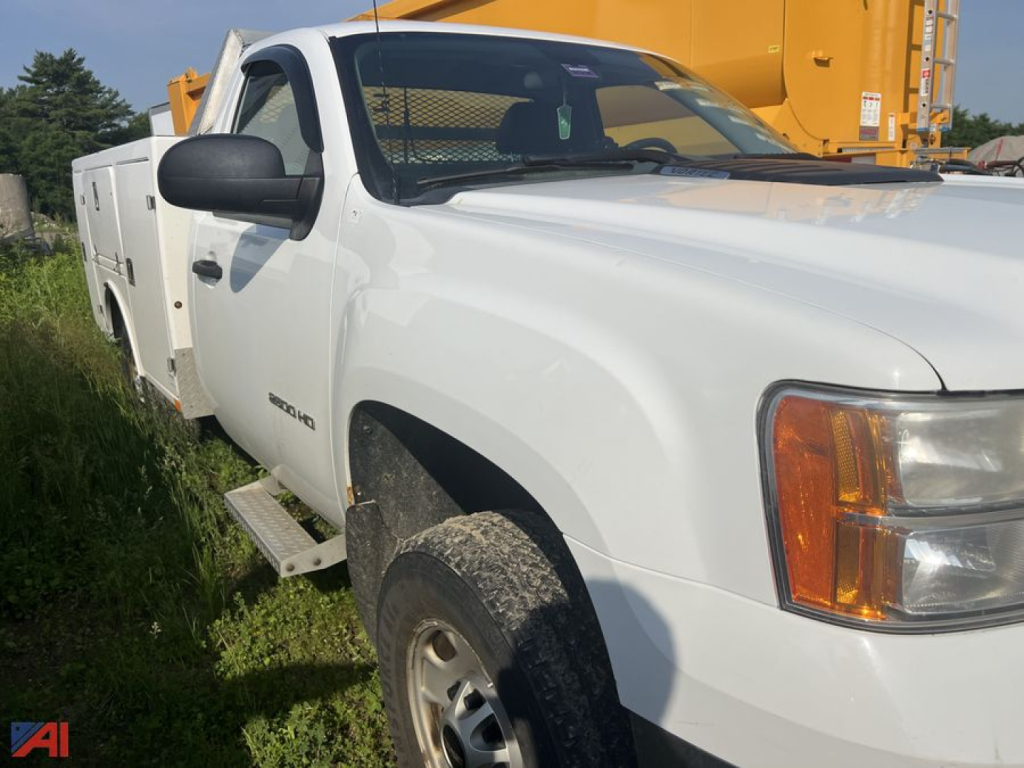
The first buying decision is chassis size and GVWR. A 3/4-ton or 1-ton service truck can handle general contractor work, municipal maintenance, plumbing, HVAC, and electrical service with a lighter body and moderate payload. Moving up to an F-450, F-550, Silverado 4500HD, or similar Class 4-5 platform makes more sense when the truck carries heavy tooling, welders, cranes, generators, or full-day parts inventory. Buyers should confirm axle ratings, rear spring capacity, tire size, wheelbase, and whether the body was installed by a major upfitter such as Knapheide, Reading, Auto Crane, Stahl, or Maintainer. Service body compartment condition matters as much as engine hours. Check door alignment, latch wear, rust in the compartment floors, and whether shelving, drawer units, and scuff protection were added or removed over time.
A 2013 used utility truck should also be evaluated as a system, not just a cab and body. If it has a crane, compressor, inverter, welder, or liftgate, inspect PTO operation, hydraulic leaks, control function, and any certification or service records. Fleet and municipal trucks from this model year often show decal fade, drilled holes from removed equipment, and normal idle-related wear even when mileage is not extreme. Four-wheel drive is valuable for utility crews, oilfield support, and rural service routes, while two-wheel drive can be a practical lower-cost choice for paved regional work. Cab configuration affects daily usability too. Regular cabs maximize body length on a shorter wheelbase, while extended and crew cabs add personnel space but reduce available body room unless overall length increases.
For long-term value, buyers usually focus on frame condition, body corrosion, service history, and upfit usefulness before cosmetics. A clean 2013 service truck with a solid utility body can still be a cost-effective work platform if the compartments seal well, the electrical system supports the accessories, and the chassis matches the intended payload. Look closely at hitch rating, brake condition, transmission behavior under load, and any signs of sag from years of carrying compressors, reels, or steel inventory. The best used 2013 service and utility trucks are the ones with an upfit that already fits the trade, because replacing bodies, racks, or crane equipment can quickly erase any purchase-price advantage.
Frequently Asked Questions
What is the difference between a service truck and a utility truck?
The terms are often used interchangeably, but there can be a practical difference in the field. A service truck usually refers to a mechanic-style truck set up for tools, repair work, and sometimes cranes, welders, or compressors. A utility truck can refer more broadly to any truck with a compartment body used by electricians, plumbers, telecom crews, municipalities, or service fleets. On used listings, the body layout and installed equipment matter more than the label.
Is a 2013 diesel service truck better than a gas model?
A diesel 2013 service truck is usually the better fit for heavier payloads, frequent towing, and higher annual miles, especially on one-ton and larger chassis. A gas model can be the smarter buy for lighter-duty service routes, lower yearly mileage, and operations trying to control repair costs on an older truck. Idle time is important here. Trucks that spend long periods running PTO equipment or sitting at jobsites need careful evaluation regardless of fuel type, because engine hours and accessory wear can matter as much as odometer miles.
What should I inspect on a used 2013 service body?
Inspect the utility body for rust, cracked welds, bent compartment doors, broken latches, water intrusion, and damage around hinges and seals. Check the compartment floors for corrosion from chemicals, wet tools, or road salt. Look underneath at body mounts, outriggers if equipped, and the frame area near the rear suspension. If ladder racks, top packs, cranes, or compressor platforms were installed, inspect mounting points closely for stress or repairs. A solid body can add years of useful life, while a worn body can be expensive to rebuild.
How do I know if the truck has enough capacity for my work?
Start with the truck's GVWR, front and rear axle ratings, and tire ratings, then compare those numbers to the actual weight of the body, tools, materials, fuel, and any trailer tongue weight. Service trucks often become overweight gradually because compartments get filled over time. A pickup-based 2013 utility truck may work well for light contractor service, but crane bodies, welders, air compressors, and large parts inventories usually require a heavier Class 4 or Class 5 chassis. Payload planning should be done with the truck fully equipped for a normal workday, not empty.
Are ex-fleet or government 2013 utility trucks a good buy?
They often are, because many fleet and municipal trucks follow scheduled maintenance and have documented service intervals. The tradeoff is that these trucks may have high idle hours, cosmetic wear, removed decals, drilled body holes, and signs of equipment changes over time. A fleet history is valuable, but buyers should still verify how the truck was used. A lightly loaded facilities truck and a hard-run field repair truck can have very different wear patterns even if they share the same year and chassis.