
Used Kenworth Service/Utility Trucks For Sale
Browse used Kenworth service and utility trucks with crane bodies, tool storage, PTO systems, and chassis specs built for field repair work.
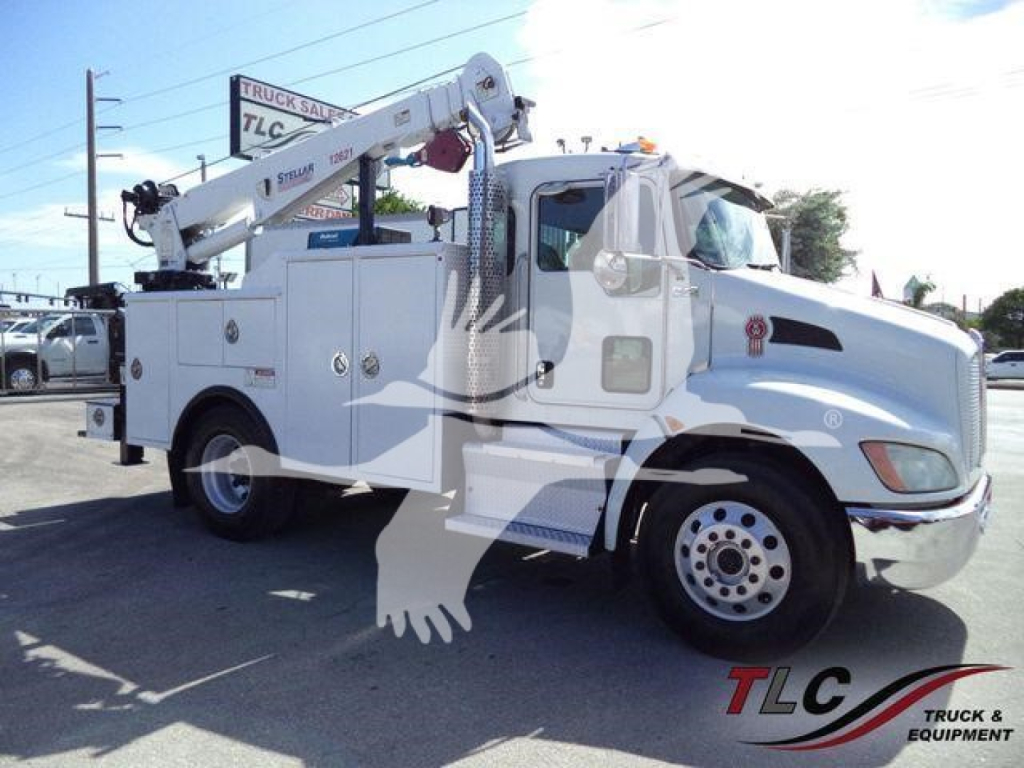
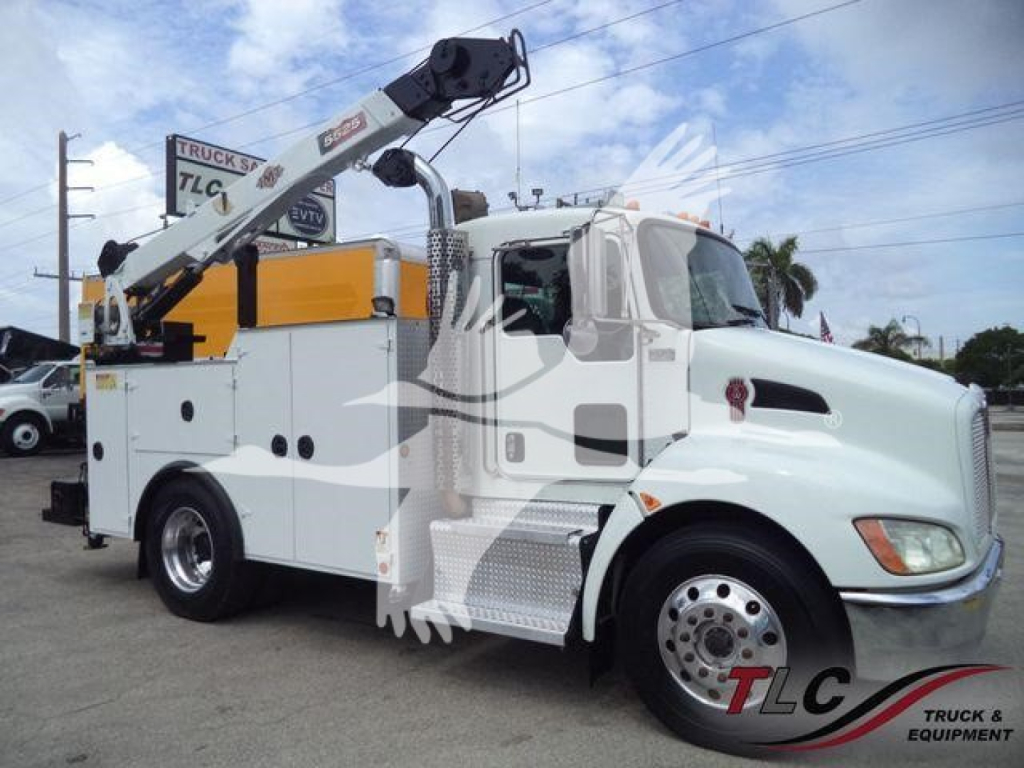
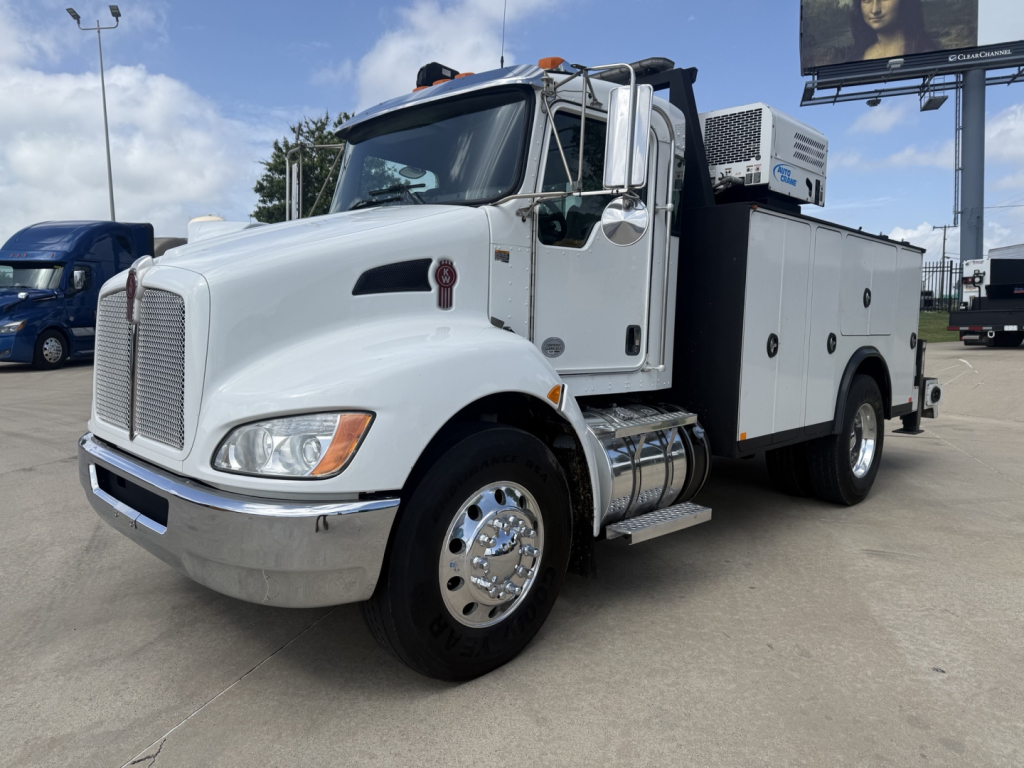
Selling a used kenworth service/utility truck? List your used kenworth service/utility truck for sale and reach thousands of commercial buyers.
Used Kenworth Service/Utility Trucks
A used Kenworth service truck often appeals to fleets that want a durable, service-friendly platform with good parts support and a professional upfit. Pay close attention to GVWR, front and rear axle ratings, wheelbase, and frame strength, especially if the truck carries a crane or heavy compressor package. Crane-equipped units should be evaluated by capacity in foot-pounds, maximum horizontal reach, vertical lift, winch line speed, and rotation range. Stability equipment matters too, including outriggers, torsion box construction, and body reinforcement. On utility-focused builds, compartment layout, shelving, drawer systems, hose reels, lighting, and inverter or generator output can matter just as much as engine horsepower.
Powertrain choice affects more than highway speed. It affects PTO performance, idle management, fuel economy, and long-term maintenance cost. Many used Kenworth service and utility trucks are spec'd with diesel engines paired to automatic transmissions, which is a strong fit for stop-and-go service work and operators who spend long hours on mixed routes. If the truck has a hydraulic crane, hydraulic compressor, or other PTO-driven equipment, confirm the PTO hours and service history along with engine hours if available. A truck with moderate road miles can still have heavy stationary work time, so body wear, pump condition, remote controls, hose condition, and boom operation deserve close inspection.
Body length, compartment access, and site maneuverability should be matched to the territory the truck will cover. An 11-foot service body with a crane can be ideal for construction support, equipment repair, municipalities, utility contractors, and field mechanics who need lifting capability along with secure storage. Buyers working in tighter urban settings may prioritize turning radius and cab-to-axle dimensions, while rural or energy-sector users may focus more on fuel capacity, ground clearance, and all-day PTO operation. The best used Kenworth service/utility truck is the one with a chassis and upfit that already fit your workload, because changing cranes, body systems, or hydraulic layouts later is usually far more expensive than buying the right spec up front.
Frequently Asked Questions about Used Kenworth Service/Utility Trucks
What is the difference between a service truck and a utility truck?
The terms are often used interchangeably, but a service truck usually refers to a mechanic-style truck with tool compartments, work surfaces, compressors, and often a crane for field repair. A utility truck can describe a broader group of vocational units used by contractors, municipalities, telecom crews, and infrastructure teams. In practice, the difference comes down to the body upfit and onboard equipment more than the chassis itself.
What should I check first on a used Kenworth service/utility truck with a crane?
Start with the crane rating, reach, and stability system, then verify the truck's axle ratings and GVWR support that upfit. After that, inspect PTO engagement, hydraulic pump performance, outrigger operation, boom wear, winch condition, hose condition, and remote functions. Service records for the crane and hydraulic system are especially important because repair costs on neglected lifting equipment can be significant.
Are medium-duty Kenworth chassis a good fit for mechanic truck applications?
Yes. Medium-duty Kenworth models are commonly used for service body and mechanic truck applications because they offer strong frame options, good visibility, vocational-friendly layouts, and broad compatibility with PTO and hydraulic equipment. They are a practical choice for fleets that need a balance of roadability, payload support, and access to service parts.
Do miles matter more than engine hours on a used service truck?
Both matter, but engine hours can be just as important on a service truck because many of these units spend long periods idling or running PTO-powered equipment while stationary. A truck with relatively low miles may still have substantial engine wear if it was used heavily for crane work, air compression, welding, or hydraulic operation. The best evaluation looks at miles, engine hours, PTO hours, and the condition of the body equipment together.
What body features are most important on a used service/utility truck?
The most important features depend on the trade, but buyers usually focus on compartment layout, locking storage, crane integration, compressor capacity, hose reel placement, lighting, power generation, and overall body structure. A well-designed body improves technician efficiency by reducing setup time and keeping tools, fittings, and repair parts organized. It is usually better to buy a truck with the right body configuration already installed than to plan on major upfit changes later.