
Used Ford Service/Utility Trucks For Sale in Alabama
Browse used Ford service and utility trucks in Alabama. Compare Ford Super Duty work trucks with utility bodies for fleet, contractor, and field service use.
Learn more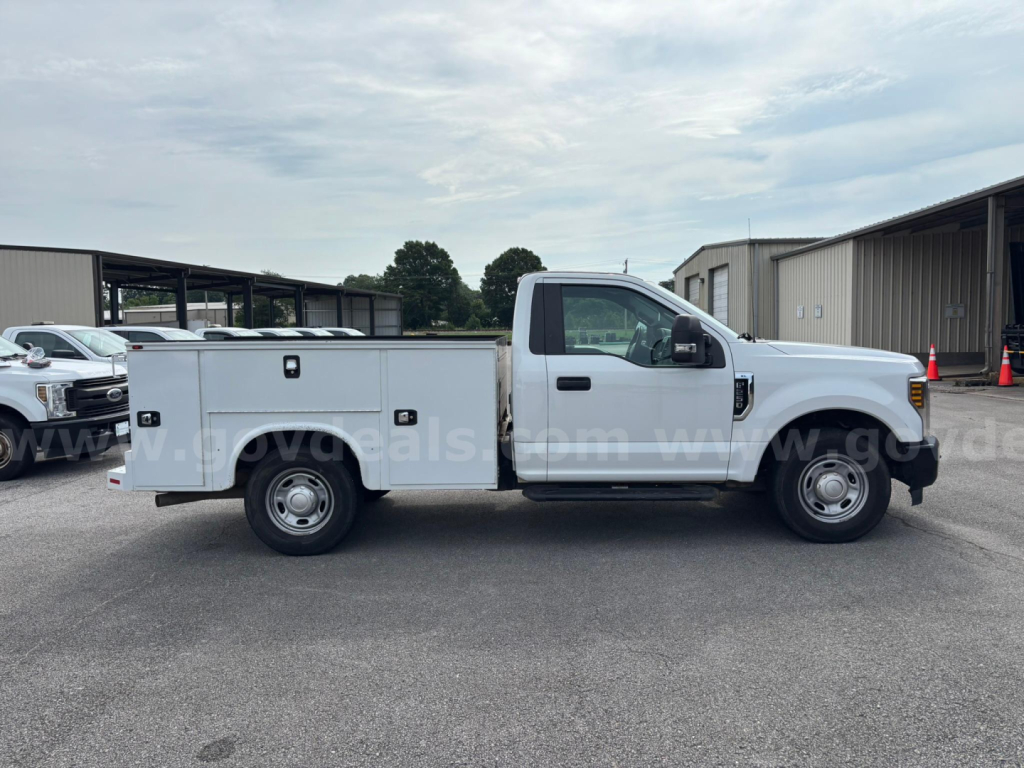
Have used ford service/utility truck to sell? List it here to reach thousands of buyers.
About Used Ford Service/Utility Trucks in Alabama
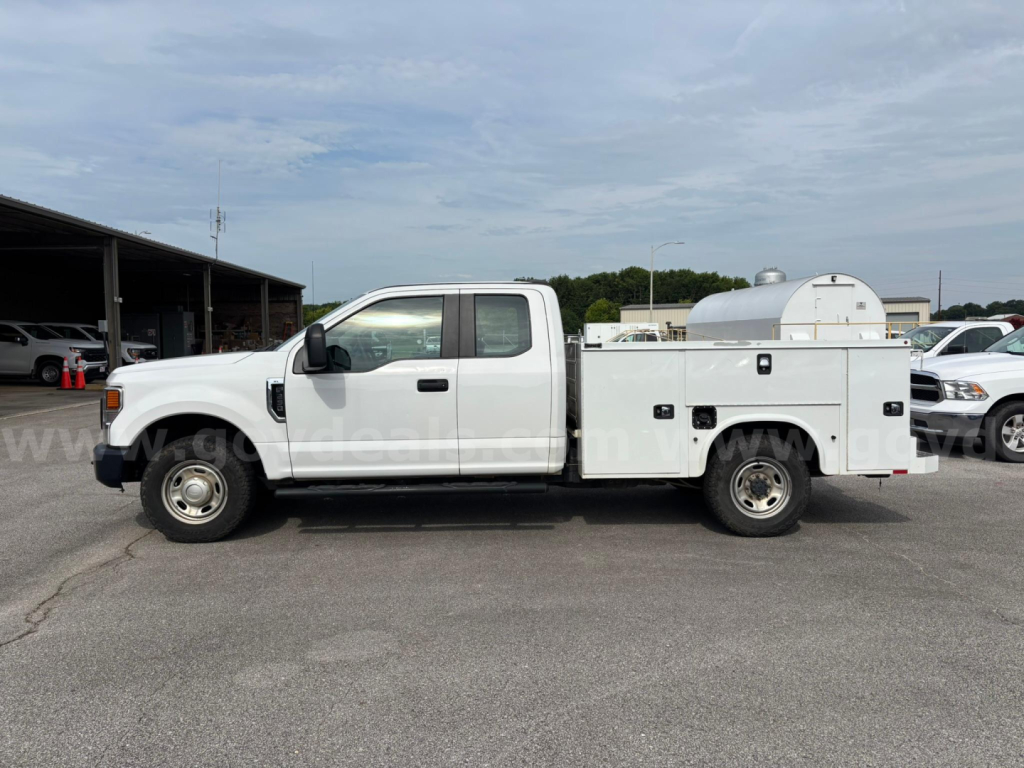
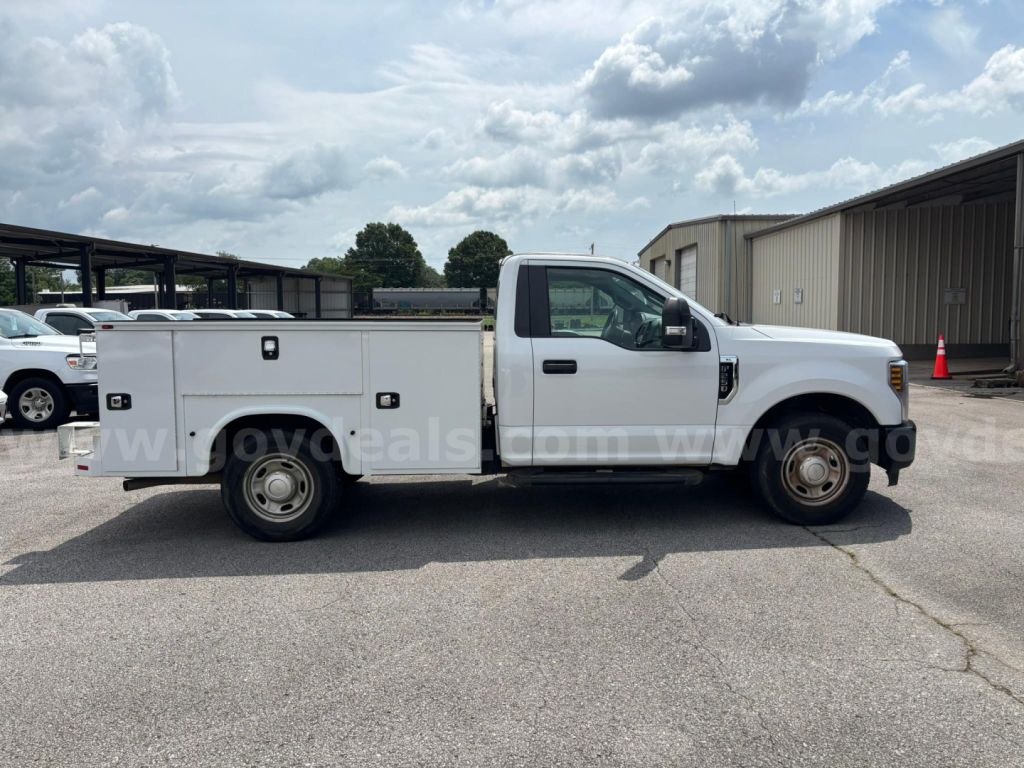
The first decision is usually chassis rating and cab configuration. A used Ford F-250 service truck often suits electricians, general contractors, HVAC techs, and building maintenance crews carrying parts, hand tools, small generators, and consumables. Stepping up to an F-350 can make sense if payload is a concern or if the body includes heavier drawers, compressors, welders, or onboard fuel transfer equipment. Regular cab trucks maximize body length on a shorter wheelbase, while SuperCab and crew cab layouts add passenger space but reduce available compartment length unless the wheelbase grows with it. Many used Ford utility trucks in this class are 2WD gasoline models with the 6.2L V8, a common fleet spec known for straightforward maintenance and solid performance in stop-and-go service.
Body condition matters as much as cab and drivetrain condition on a used service truck. Buyers should inspect door hinges, latch alignment, compartment seals, shelving integrity, and corrosion in the body floor, wheel wells, and understructure. Check whether the truck has ladder racks, internal dividers, drawer systems, inverter provisions, beacon lights, trailer brake controls, or compressor mounting space, since those details affect day-one usability. It is also worth confirming axle rating, GVWR, tire condition, and whether the payload still fits your real operating load once tools and materials are onboard. A clean service body with well-kept compartments can save significant upfit expense compared with starting from a standard pickup.
Ford service and utility trucks hold appeal in used fleet markets because parts support is broad, service familiarity is high, and the Super Duty chassis is widely accepted across commercial applications. For buyers comparing listings, the best value is rarely just the newest model year. Look closely at idle hours if equipped, service records, body manufacturer, rust exposure, electrical accessories, and signs of hard vocational use. A properly spec'd used Ford utility truck can serve as a mobile workshop, parts runner, and daily field support vehicle without the size and operating cost of a medium-duty truck.
Frequently Asked Questions
What is the difference between a Ford service truck and a standard pickup with a toolbox?
A Ford service truck uses a dedicated utility body with exterior side compartments, integrated shelving space, and a work-oriented layout designed for organized storage. A standard pickup with a crossover toolbox offers much less secure storage volume and less separation between tools, parts, and materials. Service bodies also make it easier to access equipment from the side of the truck without climbing into the bed, which is a major advantage for technicians making frequent stops.
Is a used Ford F-250 service truck enough for most field service work?
For many light- to medium-duty applications, yes. A used Ford F-250 service truck is commonly suitable for electricians, HVAC crews, telecom technicians, locksmiths, and general maintenance departments. The key is matching payload to the actual weight of tools, stock, racks, and accessories. If the truck will carry heavier equipment such as compressors, welders, bulk materials, or fully loaded drawer systems, an F-350 may provide a better margin on GVWR and rear axle capacity.
What should I inspect first on a used utility body truck?
Start with the body, not just the cab. Inspect compartment doors, locks, hinges, seals, shelving mounts, and the condition of the body floor. Look underneath for rust, cracked mounts, damaged crossmembers, and signs of overloaded use. Then review tire wear, suspension condition, brakes, axle ratings, and electrical accessories such as warning lights, inverters, and trailer wiring. A solid chassis with a worn-out body can still require costly repairs before the truck is ready for work.
Are gasoline Ford service trucks a good choice compared with diesel models?
In many fleet and contractor applications, gasoline Ford service trucks are a strong fit because they usually have lower acquisition cost, simpler emissions systems, and predictable maintenance. That makes them especially attractive for local routes, municipal duty cycles, and stop-and-go service work. Diesel may still make sense for higher annual mileage, heavier loads, or regular towing, but many used light-duty service trucks are gas-powered because the operating profile does not demand diesel torque.
Why are used Ford service trucks popular in fleet applications?
Used Ford service trucks are popular because the Super Duty platform is familiar to technicians, replacement parts are widely available, and many upfitters build bodies specifically around Ford chassis. That combination helps reduce downtime and makes fleet standardization easier. Buyers also tend to find a broad range of configurations, from basic regular cab units to more specialized utility body trucks with racks, lighting, and accessory equipment already installed.