
Used 2016 Ford Service/Utility Trucks For Sale
Have used 2016 ford service/utility truck to sell? List it here to reach thousands of buyers.
Used 2016 Ford Service/Utility Trucks
Powertrain matters on a 2016 Ford service truck because the truck often spends as much time idling and running PTO-driven equipment as it does on the road. Gas engines are common in this class and appeal to buyers who want simpler maintenance and lower acquisition cost, especially for local fleets and lower annual mileage. Diesel-powered versions can make sense when the truck is loaded daily, sees more highway travel, or supports heavier auxiliary equipment. Buyers should look closely at PTO setup, idle hours, charging capacity, body electrics, and whether the truck was spec'd for crane or compressor use from day one rather than added later.
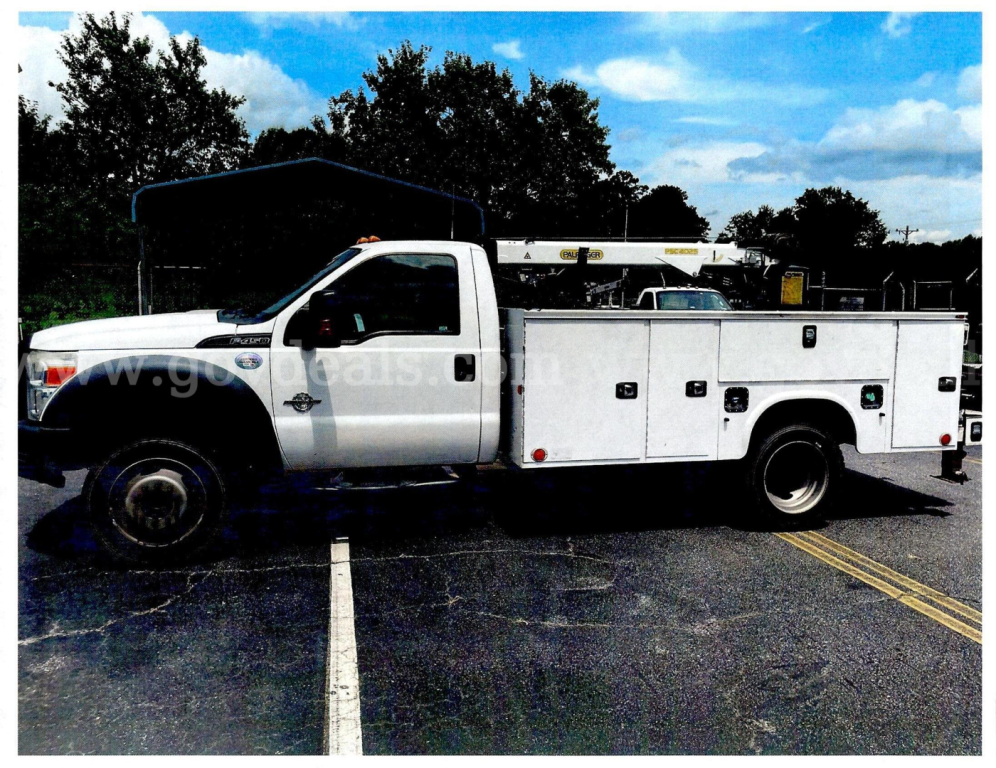
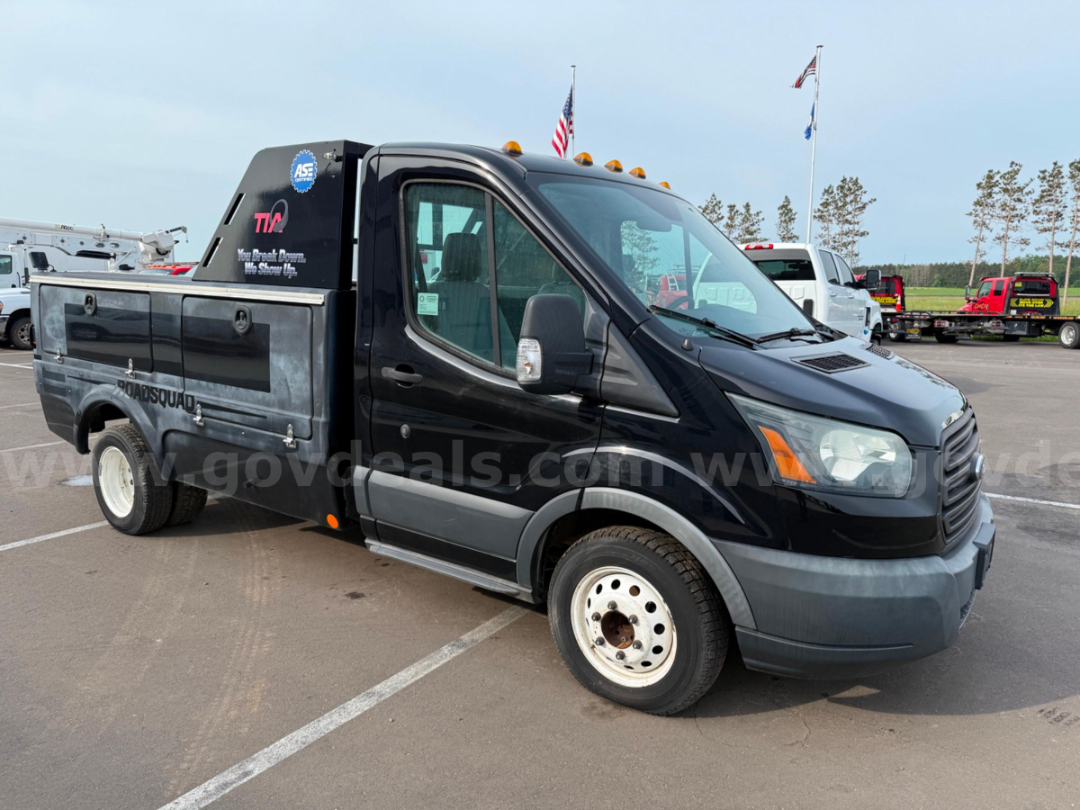
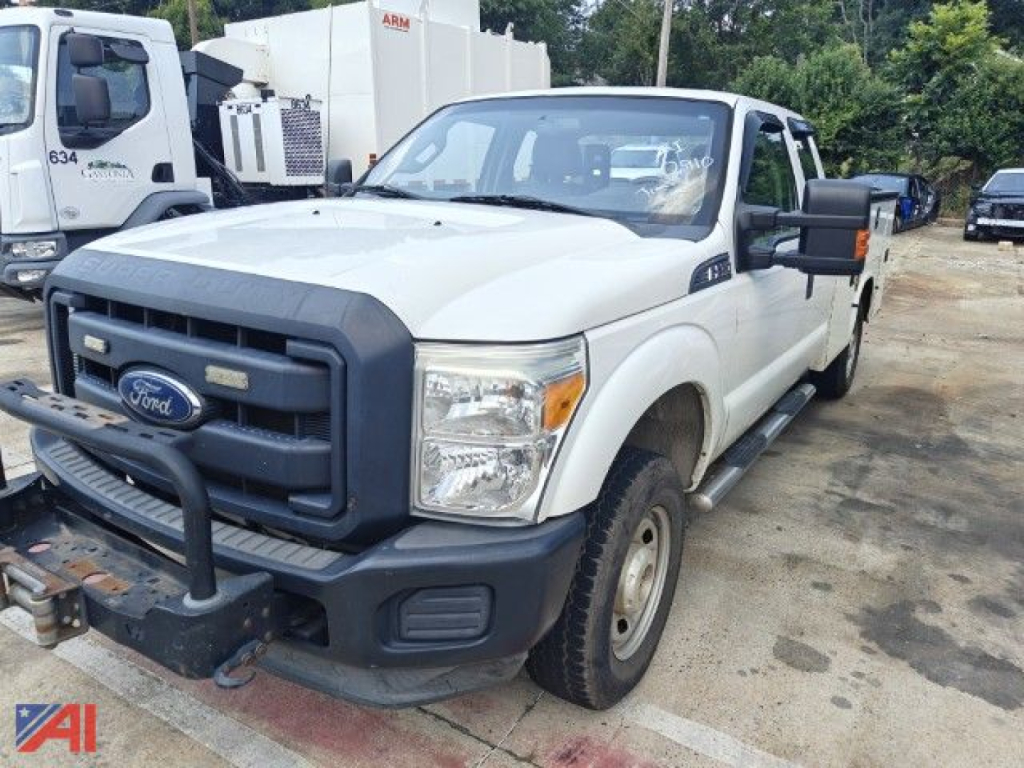
The body package is what separates one service/utility truck from another. Common upfits include steel or aluminum utility bodies, locking side compartments, adjustable shelving, drawer packs, ladder racks, inverter systems, work lights, liftgates, air hose reels, and mechanic-truck equipment such as hydraulic cranes and onboard air. On 2016 Ford units, axle rating, rear suspension, wheelbase, and cab configuration all affect how usable the body is. An extended cab gives more secure interior storage and room for crews, while a regular cab can keep overall length tighter for city work. If the truck has a crane, check boom capacity, reach, stabilizer design, and the service body's structural condition around the crane pedestal.
A used 2016 Ford utility truck is often a former fleet, municipal, or contractor unit, so service history can be just as important as mileage. Buyers should inspect compartment floors, door latches, rust at body mounts, signs of overloading, trailer wiring, and wear from generators, welders, or compressors mounted in the body. Tire size, brake condition, front-end wear, and spring pack condition tell you a lot about how the truck was used. For snow-belt trucks, pay close attention to frame corrosion, plow-mount wear, and seized hardware around outriggers or body accessories. When spec and upfit match the job, a 2016 Ford service/utility truck can be a durable platform for mobile maintenance, construction support, utility repair, and field service operations.
Frequently Asked Questions about Used 2016 Ford Service/Utility Trucks
What is the best 2016 Ford chassis for a service/utility truck?
The right chassis depends on body weight and equipment. A 2016 Ford F-350 is often enough for lighter service bodies and general contractor use, while an F-450 or F-550 is a better fit for cranes, compressors, welders, larger tool inventories, and higher continuous payload. The best choice comes down to GVWR, rear axle rating, wheelbase, and how much permanent equipment the truck carries before tools and materials are added.
Should I buy a gas or diesel 2016 Ford service truck?
Gas engines usually appeal to buyers focused on lower upfront cost, simpler maintenance, and local-duty cycles with moderate annual mileage. Diesel models are often preferred when the truck runs heavier, travels farther, or supports more demanding service applications. The decision should be based on payload, idle time, PTO use, fuel strategy, and how expensive downtime would be in your operation.
What should I inspect on a used 2016 Ford utility body?
Start with the service body itself, not just the cab and chassis. Check compartment doors, hinges, latch function, shelving mounts, drawer slides, body floors, rust at seams and mounts, and any cracking around crane pedestals or compressor installations. Also inspect wiring for work lights, inverter systems, backup cameras, and PTO controls, because electrical issues in upfitted trucks can be time-consuming to diagnose and repair.
Are ex-fleet 2016 Ford service trucks a good buy?
Ex-fleet units can be very good buys because they are often maintained on schedule and spec'd consistently for commercial use. The tradeoff is that many have high idle hours, jobsite wear, and cosmetic damage from daily work. A buyer should review maintenance records if available and compare engine hours, PTO hours, body condition, and auxiliary equipment operation rather than judging the truck by mileage alone.
What jobs are 2016 Ford service/utility trucks commonly used for?
These trucks are commonly used by electricians, HVAC contractors, plumbers, utility crews, municipalities, telecom installers, mechanics, and general construction service teams. Units with cranes and compressors are also popular for field repair, equipment service, fencing, sign work, and mobile mechanic applications. The category covers everything from parts-and-tools utility bodies to full mechanic trucks with lifting and air systems.