
Used 2008 Ford Service/Utility Trucks For Sale
Have used 2008 ford service/utility truck to sell? List it here to reach thousands of buyers.
Used 2008 Ford Service/Utility Trucks
On a 2008 Ford, the first buying decision is usually chassis capacity. An F-250 or F-350 works well for lighter service body duty, especially when the truck is carrying tools, drawers, consumables, and a ladder rack but not a crane or major payload every day. F-450 and F-550 models make more sense when the body includes compressors, welders, generators, fuel transfer tanks, or crane packages. Powertrain choices matter because 2008 falls into an emissions transition era. Buyers should confirm the engine, transmission, axle ratio, and GVWR on the door sticker, then compare that against the actual upfit weight. A clean-looking truck can still be overloaded in daily use if the service body, racks, and onboard equipment consume too much payload.
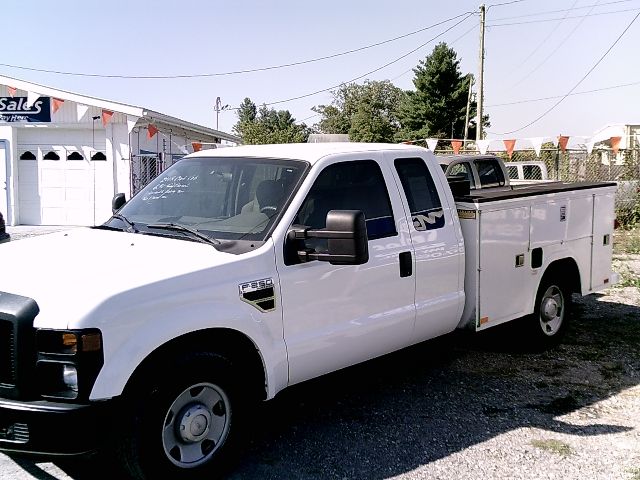
The upfit deserves as much scrutiny as the truck itself. Steel utility bodies are common and durable, but rust around compartment floors, door bottoms, hinges, latches, and rear step areas is worth checking closely. Fiberglass bodies resist corrosion better but should be inspected for cracking around mounts, compartment openings, and liftgate or rack attachment points. Useful features in this category include ladder racks, internal shelving, pull-out drawers, reel holders, inverters, work lights, strobes, compressor mounts, PTO-driven accessories, and liftgates. If the truck has a crane body or mechanic-style setup, inspect outriggers, winch operation, control stations, and certification records. Electrical condition matters too because service trucks often have added wiring for scene lighting, battery chargers, and auxiliary power.
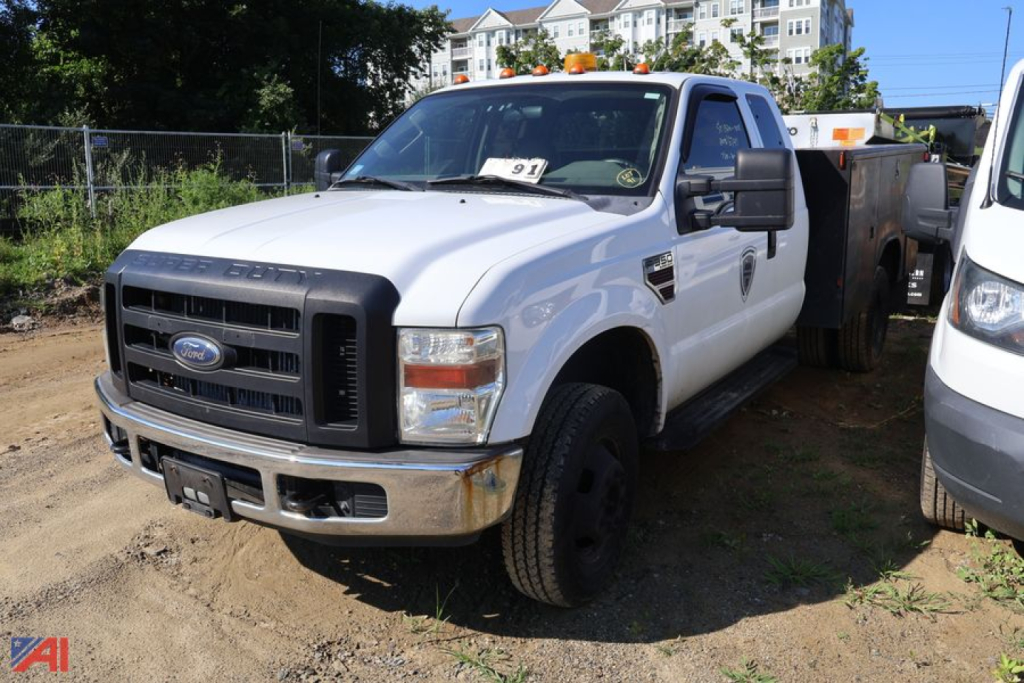
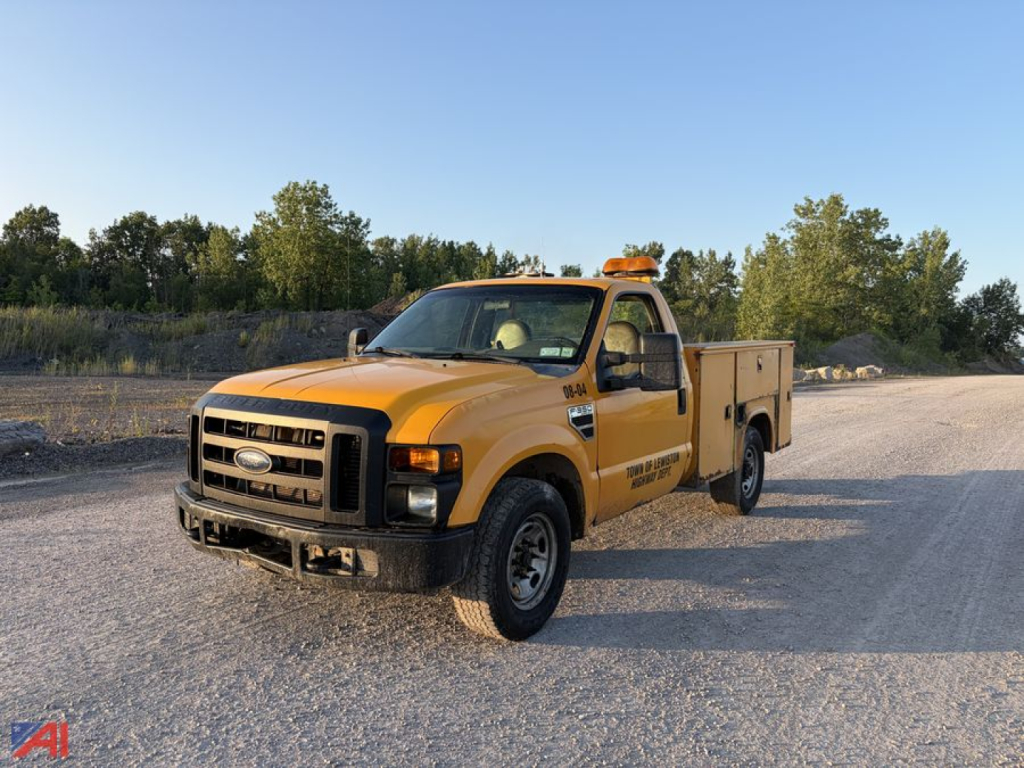
A used 2008 Ford service or utility truck can still be a cost-effective work platform if the chassis, body, and upfit were maintained as one system. Buyers should pay attention to frame condition under the body, signs of hard idling, suspension sag, brake wear, and service records for both the truck and installed equipment. Cab configuration also affects day-to-day use. Regular cab trucks leave more room for body length on a given wheelbase, while SuperCab and crew cab layouts add personnel capacity but reduce available body space unless the wheelbase increases. The best choice depends on whether the truck spends more time carrying technicians, parts inventory, or heavier mounted equipment.
Frequently Asked Questions about Used 2008 Ford Service/Utility Trucks
What should I check first on a used 2008 Ford service truck?
Start with the chassis rating and the body upfit. Confirm the exact model, GVWR, engine, transmission, axle ratio, and wheelbase, then compare those specs to the installed service body and any added equipment such as compressors, cranes, liftgates, fuel tanks, or generators. After that, inspect frame condition, suspension height, brake wear, compartment rust, latch function, and the quality of any auxiliary wiring. A service truck is only as good as the way the chassis and body work together under load.
Which 2008 Ford models are most common in service and utility truck applications?
The most common 2008 Ford service truck chassis are the F-250, F-350, F-450, and F-550 Super Duty. Lighter-duty fleet work often uses F-250 and F-350 trucks with standard utility bodies, ladder racks, and shelving. Heavier vocational applications usually move up to F-450 or F-550 chassis to support higher payload, larger service bodies, cranes, compressors, or mechanic truck equipment. The right model depends on payload, body length, and how much mounted equipment the truck carries every day.
Are steel or fiberglass utility bodies better on a used truck?
Steel utility bodies are widely used because they are rugged, repairable, and common in contractor and municipal fleets, but they need careful rust inspection, especially in northern or coastal markets. Fiberglass bodies resist corrosion better and can stay cleaner-looking over time, though damage around mounts, hinges, and structural attachment points can be more expensive to repair. The better choice usually depends on the truck's region, the trade using it, and the condition of the body rather than the material alone.
Can a 2008 Ford service truck handle a crane or liftgate?
Some can, but it depends entirely on the chassis rating, rear axle capacity, wheelbase, frame, and the way the body was designed. An F-450 or F-550 is far more likely to be suitable for a crane, welder, compressor, or heavier liftgate than an F-250 or lightly spec'd F-350. Buyers should verify body manufacturer data, crane or liftgate ratings, and any reinforcement or outrigger setup. Installed equipment that exceeds the truck's practical payload can shorten brake, tire, and suspension life quickly.
Why does cab style matter on a service or utility truck?
Cab style affects both crew capacity and body length. A regular cab allows more room for a longer utility body on the same wheelbase, which is useful when storage volume is the priority. A SuperCab or crew cab adds passenger space for field crews, but it can limit body length unless the truck has a longer wheelbase. Buyers should match cab layout to daily use, because carrying extra technicians and carrying maximum parts inventory usually push the truck in different directions.