
2016 Ford Service/Utility Trucks For Sale
Have 2016 ford service/utility truck to sell? List it here to reach thousands of buyers.
2016 Ford Service/Utility Trucks
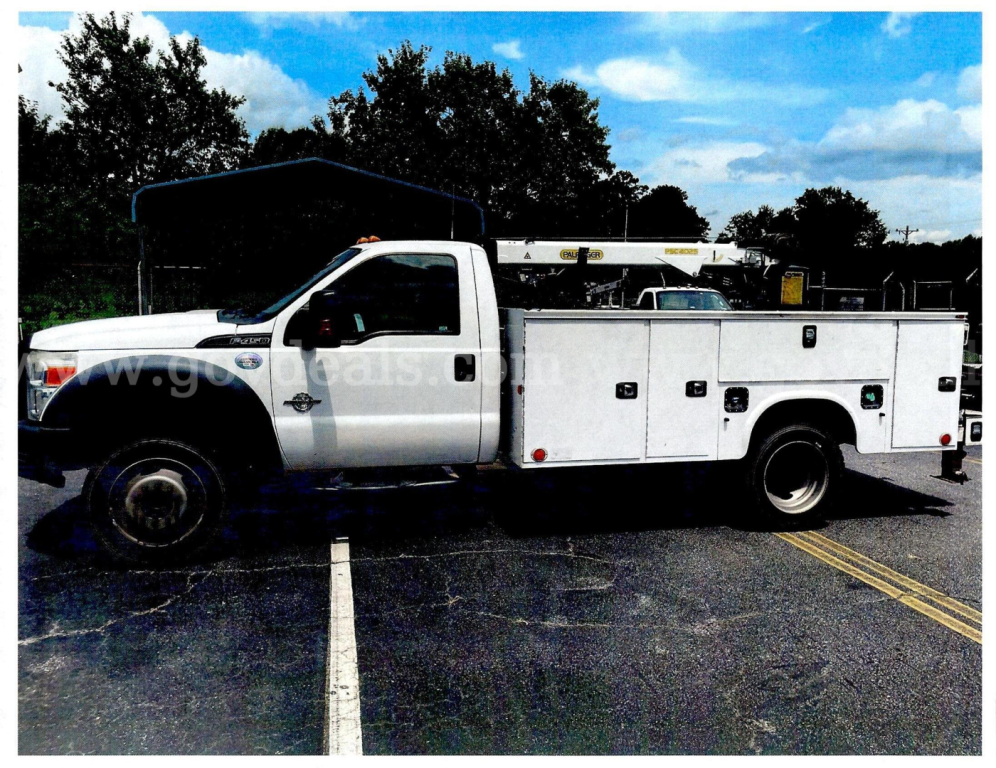
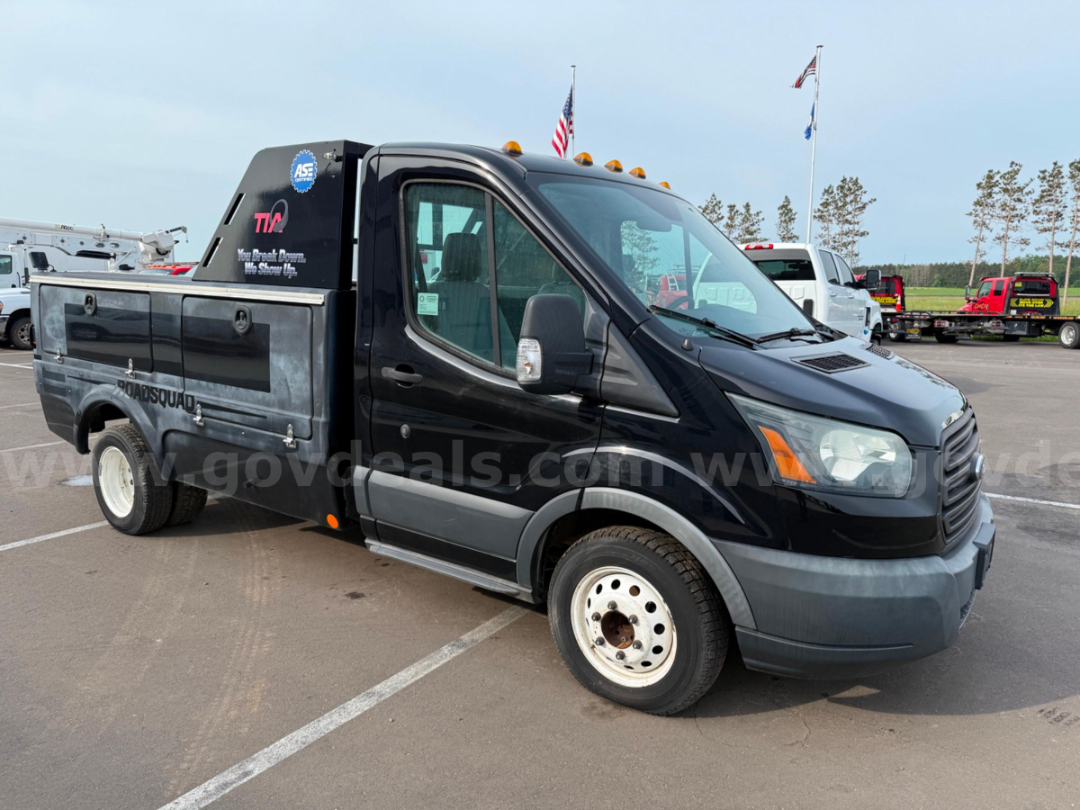
The service body itself matters as much as the chassis. Common setups include enclosed side compartments, top-opening or vertical cabinets, ladder racks, reel carriers, bumper hitches, compressor or welder mounts, and work lighting. A 2016 Ford utility truck may also be spec'd with an inverter, PTO-driven equipment, auxiliary fuel tank, transfer tank, or crane package depending on trade. Electricians, telecom crews, plumbers, municipal departments, and general contractors often look closely at compartment depth, locking system condition, shelving, and whether the body is steel or aluminum. Rust in the body floors, door hinges, and compartment seals can affect usable life as much as miles on the chassis.
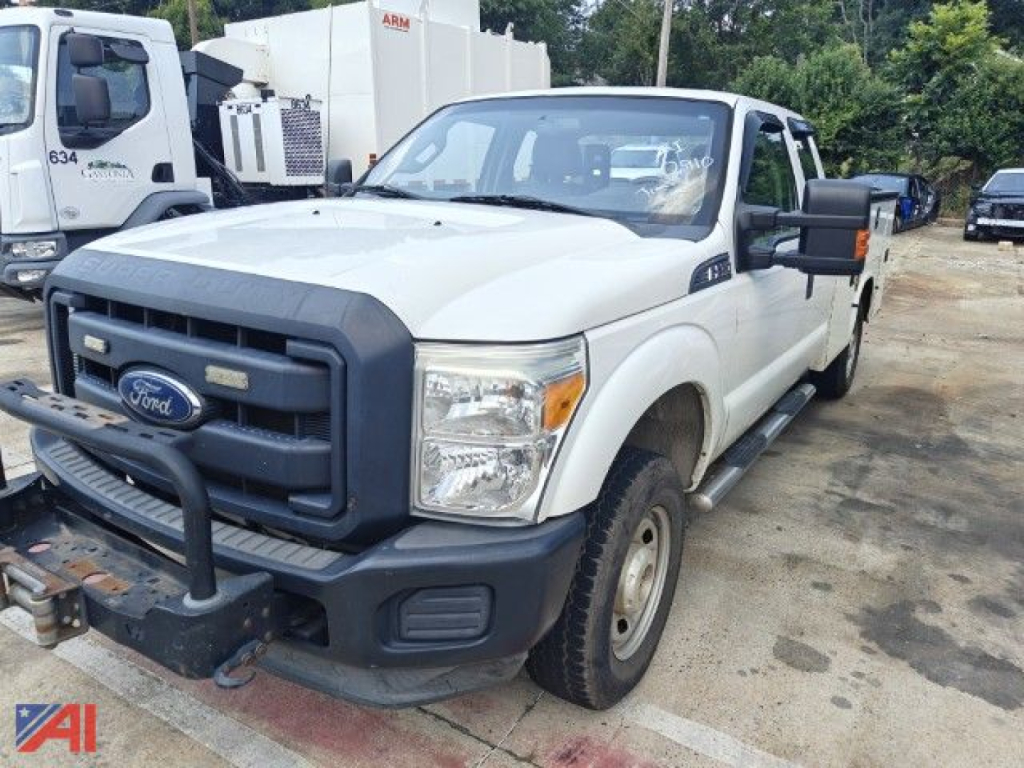
On the truck side, axle ratio, GVWR, wheelbase, and front axle capacity are key buying points. F-250 and F-350 service trucks are common for lighter-duty work and mixed personal-commercial use, while F-450 and F-550 units are better suited to heavier bodies, cranes, generators, and sustained towing. A buyer comparing listings should pay attention to alternator output, dual battery provisions, trailer brake controller, upfitter switches, and suspension type. These details tell you how well the truck was spec'd for real vocational use. Cab condition also matters because service trucks spend long hours in stop-and-go operation, so seat wear, switchgear condition, HVAC performance, and idle hours can be just as important as odometer readings.
A well-matched 2016 Ford service truck can be a cost-effective work platform because the chassis is familiar to most fleet shops and parts support is straightforward. The best units tend to be the ones with clean upfitter integration, no overloading history, and body equipment that matches your trade instead of forcing a retrofit. Buyers should verify service records, engine hours where available, PTO operation if equipped, charging system health, tire date codes, and any signs of frame corrosion or body mount fatigue. If the truck includes a crane, compressor, generator, or aerial device, inspection of that equipment is separate from the cab and chassis and should be treated as a major part of the purchase decision.
Frequently Asked Questions about 2016 Ford Service/Utility Trucks
What should I look for first on a 2016 Ford service or utility truck?
Start with GVWR, body size, and how the compartments are laid out for your trade. A service truck that looks similar on paper can perform very differently depending on axle rating, wheelbase, engine choice, and upfit weight. After that, inspect the condition of the service body, compartment doors, latches, shelving, and any mounted equipment such as compressors, cranes, generators, or ladder racks. On a used unit, body condition and previous loading habits often matter as much as mileage.
Which 2016 Ford chassis is best for a service body?
For lighter service applications, an F-250 or F-350 may be enough, especially if the truck carries hand tools, small parts, and moderate towing loads. An F-450 or F-550 is usually the better fit for heavier utility bodies, crane service trucks, fuel and lube setups, or trucks carrying generators and compressors full time. The best chassis depends on the completed truck weight, not just the empty chassis rating, so buyers should compare actual body equipment against axle and suspension capacity.
Is a gas or diesel engine better in a 2016 Ford utility truck?
Gas engines can make sense for fleets with shorter routes, lighter payloads, simpler maintenance goals, and lower acquisition cost. Diesel power is often preferred when the truck sees heavier towing, more time under load, or sustained vocational use with larger bodies and equipment. The right answer depends on duty cycle, annual mileage, and local maintenance capability. Buyers should also consider idle time, fuel economy under load, and how much auxiliary equipment the engine is expected to support.
How important is the service body brand and material?
It matters because the body determines storage efficiency, durability, and long-term repair cost. Steel bodies are common and strong, but they can be more vulnerable to corrosion if the truck worked in snow, road salt, or wet utility environments. Aluminum bodies reduce corrosion concerns and can help with payload, though repair practices differ. Body brand matters too because door hardware, replacement parts, shelving options, and local service support vary between manufacturers.
Do miles tell the full story on a used service truck?
No. Service and utility trucks often spend a lot of time idling while powering lights, tools, compressors, or work crews, so engine hours and PTO hours can be just as important as odometer mileage. A lower-mile truck with heavy idle use may have more wear on the charging system, engine accessories, and emissions components than expected. Buyers should review maintenance history, inspect the body and mounted equipment carefully, and look for signs of prolonged heavy-duty use rather than relying on mileage alone.