
2008 Ford Service/Utility Trucks For Sale
Have 2008 ford service/utility truck to sell? List it here to reach thousands of buyers.
2008 Ford Service/Utility Trucks
Engine choice matters on 2008 Ford utility trucks. Gas V8 trucks can be a practical fit for municipal fleets, light construction, and local service routes where lower upfront cost and simpler maintenance are priorities. Diesel-equipped trucks generally make more sense when the truck will carry heavier loads, idle around job sites, or tow compressors, generators, or equipment trailers on a regular basis. Check transmission operation, GVWR, rear axle ratio, and whether the truck is 4x2 or 4x4. On a service truck, 4WD can be a major advantage for utility contractors, telecom crews, oilfield support, and rural maintenance work.
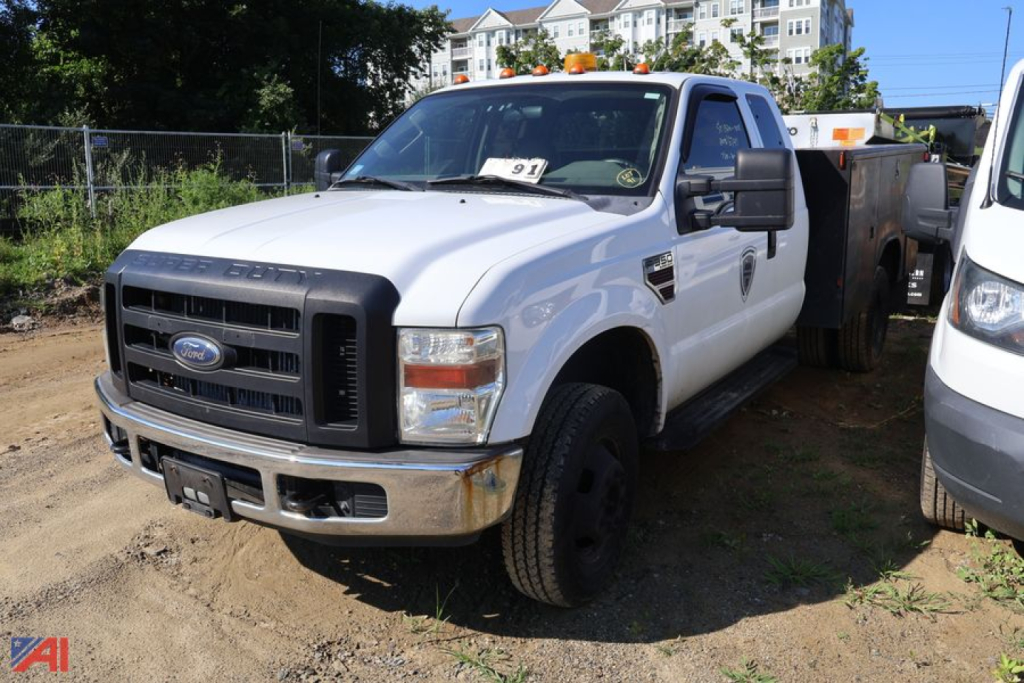
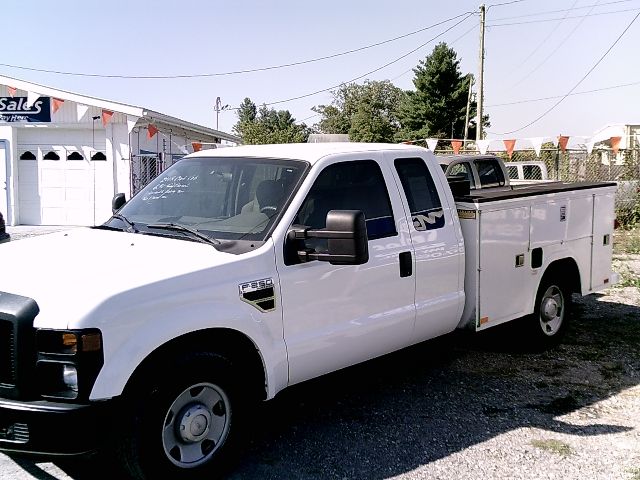
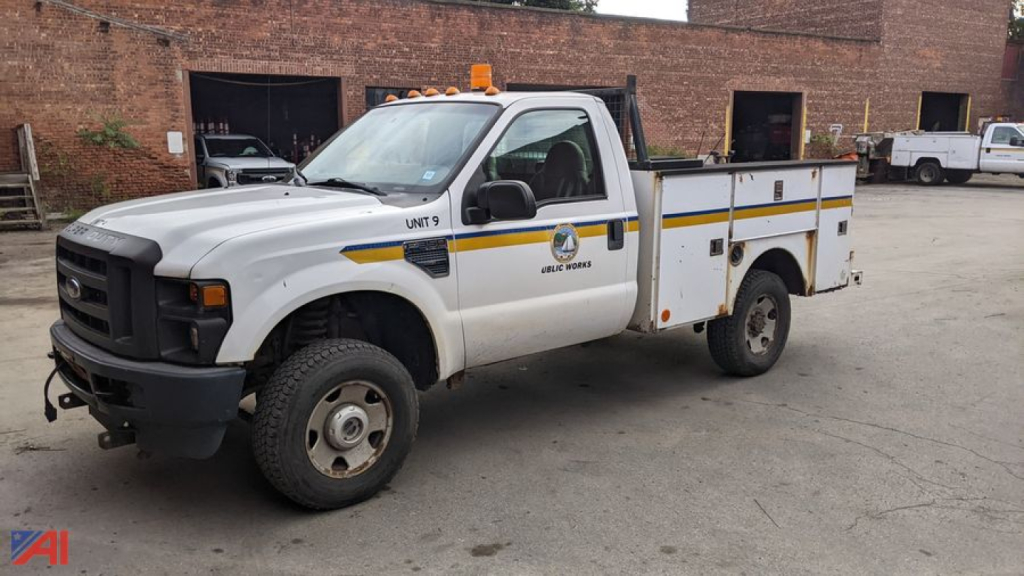
Body configuration deserves a close look. Many 2008 Ford utility trucks use 8-foot to 11-foot service bodies with multiple side compartments, a reinforced cargo deck, ladder rack, receiver hitch or pintle hook, and sometimes an onboard fuel tank, air compressor, crane, welder/generator, or inverter system. Compartment condition is important because rust in the body, door hinges, or floors can turn a useful truck into a repair project. Buyers should inspect latch function, weather sealing, shelving setup, and signs of overloading around the bed mounts and frame. If the truck has a crane or compressor, confirm PTO or hydraulic operation and look for service records on the auxiliary equipment, not just the chassis.
For a buyer comparing 2008 Ford service trucks for sale, the best unit is usually the one with the right upfit for the work already in hand. A fleet mechanic, electrician, plumber, road service operator, and public works department all use the same category differently. Focus on cab-to-axle dimensions, usable payload after the body and equipment are installed, trailer towing requirements, and how easily the compartments match your parts inventory. A clean older Ford utility truck with a sound frame, functional service body, and properly matched chassis can still be a cost-effective work truck when the spec is right.
Frequently Asked Questions about 2008 Ford Service/Utility Trucks
What should I look at first on a 2008 Ford service/utility truck?
Start with the chassis and the body as two separate evaluations. Confirm engine condition, transmission performance, frame integrity, brake condition, steering play, and axle ratings. Then inspect the utility body for rust, damaged compartment floors, broken latches, leaking doors, and worn mounts. If the truck has onboard equipment such as a compressor, crane, welder, inverter, or fuel tank, that equipment should be tested independently because replacement cost can be significant.
Are 2008 Ford F-350 and F-450 utility trucks used for different jobs?
Yes. A 2008 Ford F-350 service truck is commonly used for lighter field service, contractor work, and general maintenance where maneuverability matters. An F-450 usually makes more sense when the body is heavier, the truck carries more onboard equipment, or towing is a regular part of the job. The difference is not just badge size. It affects GVWR, front axle capacity, brake package, wheel and tire setup, and how much real payload remains after the upfit is installed.
Is gas or diesel better in a 2008 Ford utility truck?
That depends on duty cycle. A gas engine can be a solid choice for shorter routes, lighter payloads, and fleets that want simpler service and lower acquisition cost. A diesel is often preferred for heavier service bodies, frequent towing, long idle periods, and higher annual mileage. The correct answer is based on payload, trailer weight, route type, and maintenance history. On an older utility truck, condition and records often matter more than fuel type alone.
How important is cab-to-axle length on a service truck?
Cab-to-axle length is one of the key dimensions because it determines which utility body fits correctly and how the truck balances weight. The wrong CA dimension can limit body options, create rear overhang issues, or reduce usable storage layout. Buyers replacing an existing service truck should match the new chassis to the current body dimensions if they plan to transfer equipment. Buyers purchasing a complete truck should still verify that the body length and axle placement suit their payload and towing needs.
Do older service bodies hold value well?
They can, if the body is structurally sound and properly maintained. A well-built steel or aluminum service body with solid compartment doors, clean floors, intact shelving, and minimal corrosion can remain useful long after the chassis shows age. Value drops quickly when rust reaches the compartment bottoms, hinges fail, or the body has been overloaded and twisted. On many used service trucks, the upfit condition is a major part of the truck's real working value.