
Service/Utility Trucks For Sale in Colorado
Browse service and utility trucks for sale in Colorado, including mechanic trucks, lube trucks, crane bodies, compressors, and work-ready fleet specs.
Learn more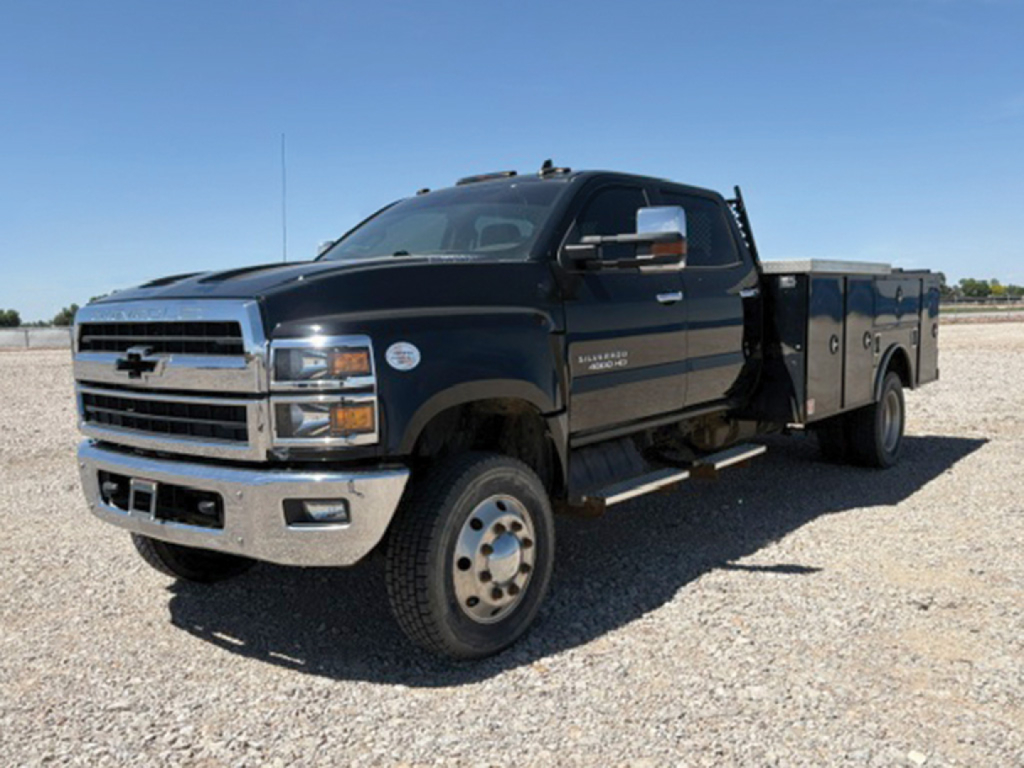
Have service/utility truck to sell? List it here to reach thousands of buyers.
About Service/Utility Trucks in Colorado
A common decision point is CDL versus non-CDL operation. Many service and utility trucks are spec'd right around a 26,000 to 33,000 GVWR range, and some are de-rated to stay under CDL thresholds while still carrying a crane body, compressor, and stocked compartments. Wheelbase, rear axle rating, and suspension matter because body weight adds up quickly once you include cranes, outriggers, hydraulic compressors, hose reels, tanks, drawers, and steel service bodies. On mechanic trucks, crane capacity is usually described in foot-pounds and maximum lift, with service bodies often in the 9 ft to 11 ft range on medium-duty chassis. Popular powertrains in this class include diesel engines in the 250 to 300 HP range paired with Allison automatic transmissions, especially when stop-and-go operation, PTO use, and vocational drivability are priorities.
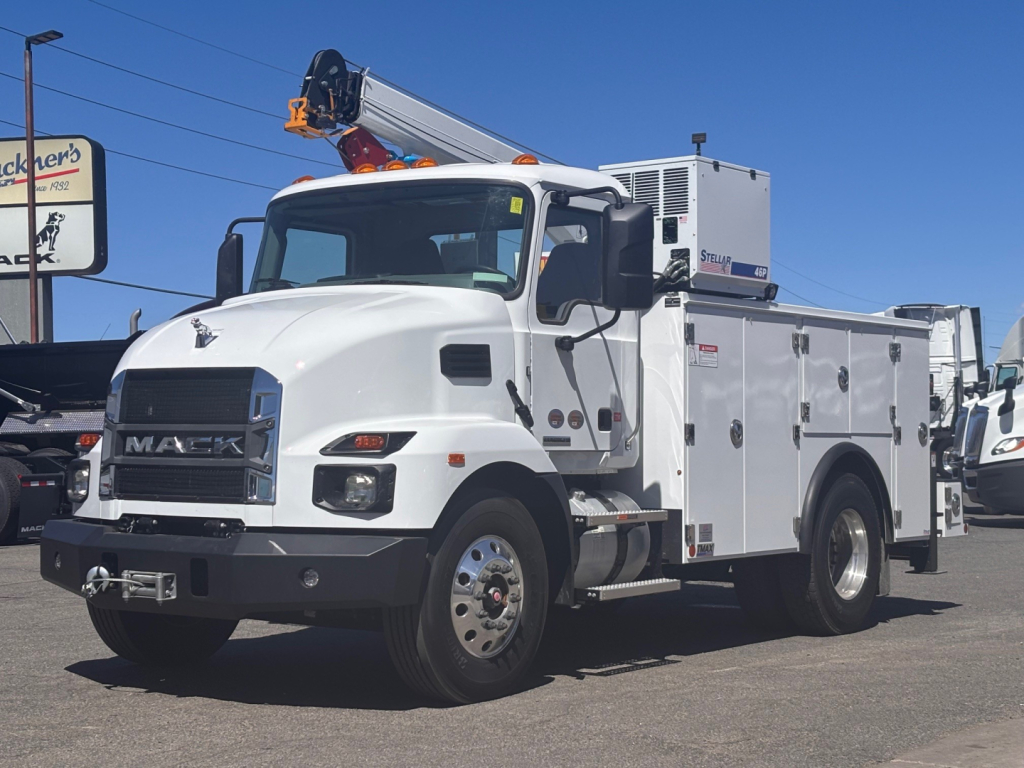
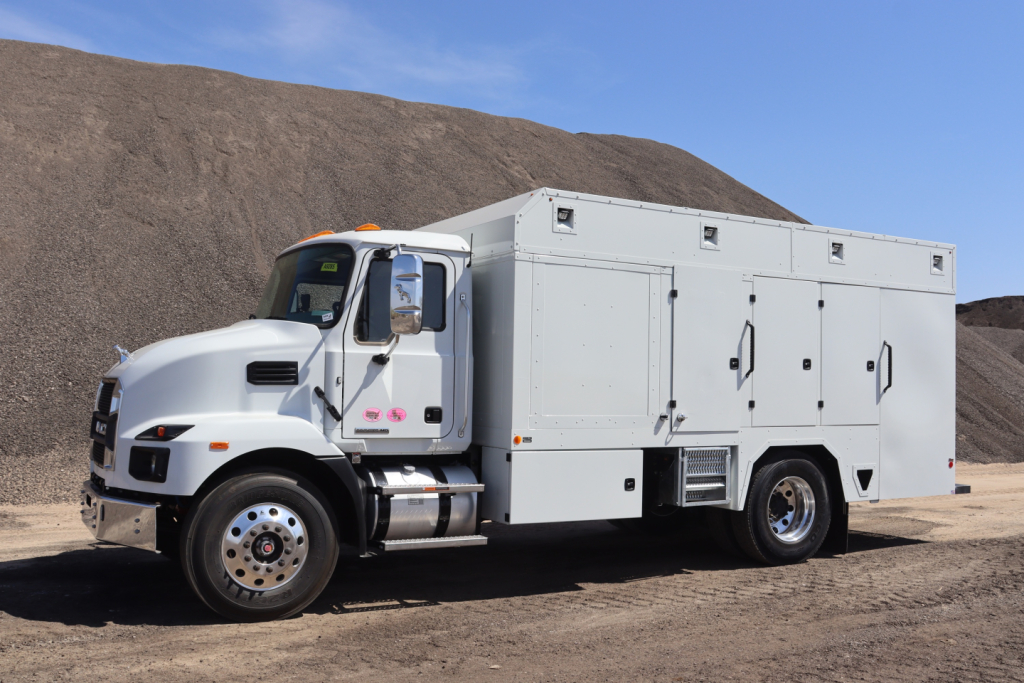
Body equipment deserves as much attention as the chassis. Crane trucks often include an Auto Crane or similar telescopic crane, stabilizers, air compressor systems, and compartment layouts designed around field repairs. Lube and preventive maintenance trucks use a different body package with fresh fluid tanks, used oil recovery, grease systems, metered reels, and hose lengths that affect how efficiently a technician can service equipment without repositioning the truck. Buyers in Colorado should also pay close attention to cold-weather usability, corrosion protection, and altitude performance. Hydraulic tools, air systems, and fluid handling components need to be matched to the environment, especially for operators working in winter conditions or at higher elevations where engine response and auxiliary equipment performance can change.
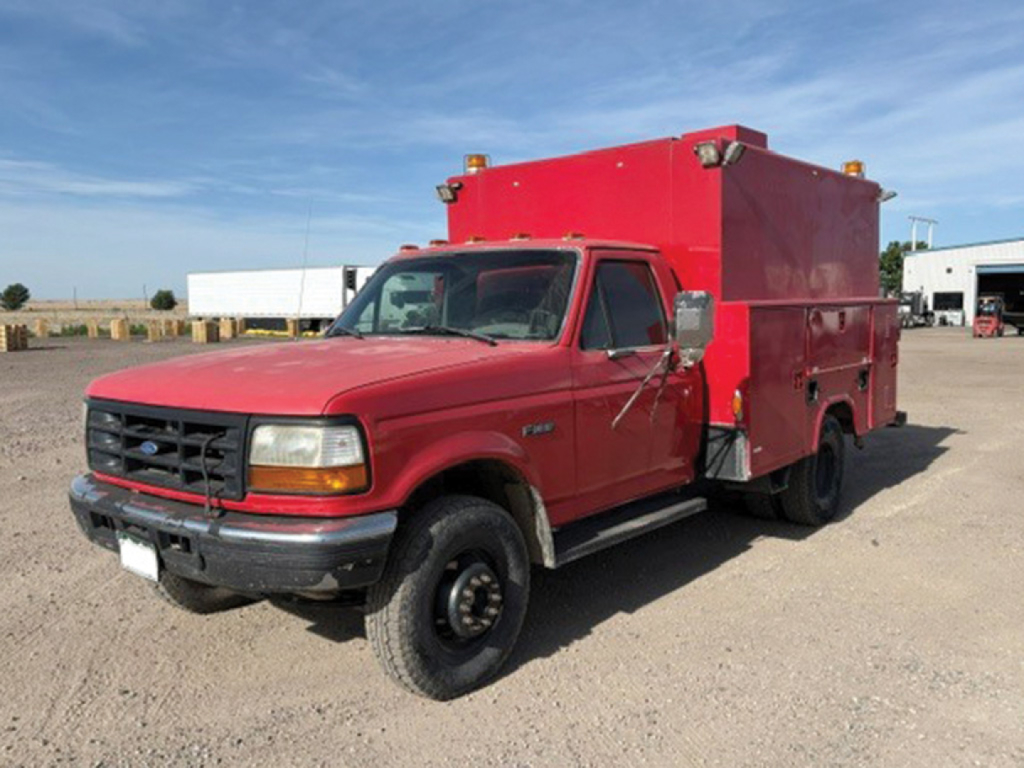
For used service trucks, the body and PTO system often tell the real story. Check crane service records, boom certification where applicable, compressor hours, hose reel condition, tank cleanliness, outrigger performance, compartment rust, and signs of overloading around the body mounts and frame. On any utility truck, confirm payload after the body upfit, available storage, and whether the truck is truly sized for the technicians, tools, and service calls it will handle. A well-matched service or utility truck reduces downtime, shortens repair response times, and keeps mechanics productive without dragging a larger support trailer to every job.
Frequently Asked Questions
What is the difference between a service truck and a utility truck?
The terms are often used together, but a service truck usually refers to a mechanic or field repair truck equipped with tool compartments, a compressor, and often a crane for lifting parts and components. A utility truck is a broader category that can include mechanic bodies, lube bodies, line service bodies, and other vocational upfits designed to support work crews in the field. The key difference is the body equipment and intended application, not just the chassis.
Do I need a CDL for a service or utility truck?
It depends on the truck's GVWR and how it is registered and loaded. Many service trucks are built at or under 26,000 GVWR to allow non-CDL operation, while others move into Class 7 territory once a heavier crane body, larger compressor, or lube system is installed. Buyers should verify the door sticker GVWR, axle ratings, and actual curb weight with the upfit installed, because tools, fluids, and parts can quickly reduce legal payload.
What specs matter most on a mechanic service truck?
Crane rating, body length, compressor output, axle capacity, and payload are usually the first numbers to review. Buyers should also check PTO compatibility, outrigger setup, compartment configuration, bumper and receiver options, and whether the chassis has enough front and rear axle margin for the installed crane and expected load. A truck can have a strong engine and still be a poor fit if the body layout or axle ratings limit safe lifting and storage.
What should I look for on a lube or preventive maintenance truck?
Tank capacity, fluid separation, hose reel count, hose length, compressor performance, metering equipment, and used oil recovery setup are the core items. The best lube truck spec depends on the size of the fleet being serviced and the types of equipment in the rotation. Buyers should also confirm tank materials, drain design, filter handling provisions, and how easily technicians can monitor fluid levels and perform daily cleanup and maintenance.
Are medium-duty diesel automatics common in this category?
Yes. Many modern service and utility trucks use medium-duty diesel engines paired with Allison automatic transmissions because they handle stop-and-go work well, support PTO-driven equipment, and are easy to operate across mixed driver experience levels. In vocational service, smooth low-speed control, reliability, and compatibility with hydraulic accessories often matter more than chasing maximum highway speed.