
2021 Service/Utility Trucks For Sale
Browse 2021 service and utility trucks with service bodies, tool storage, towing capability, and fleet-ready specs for field service work.
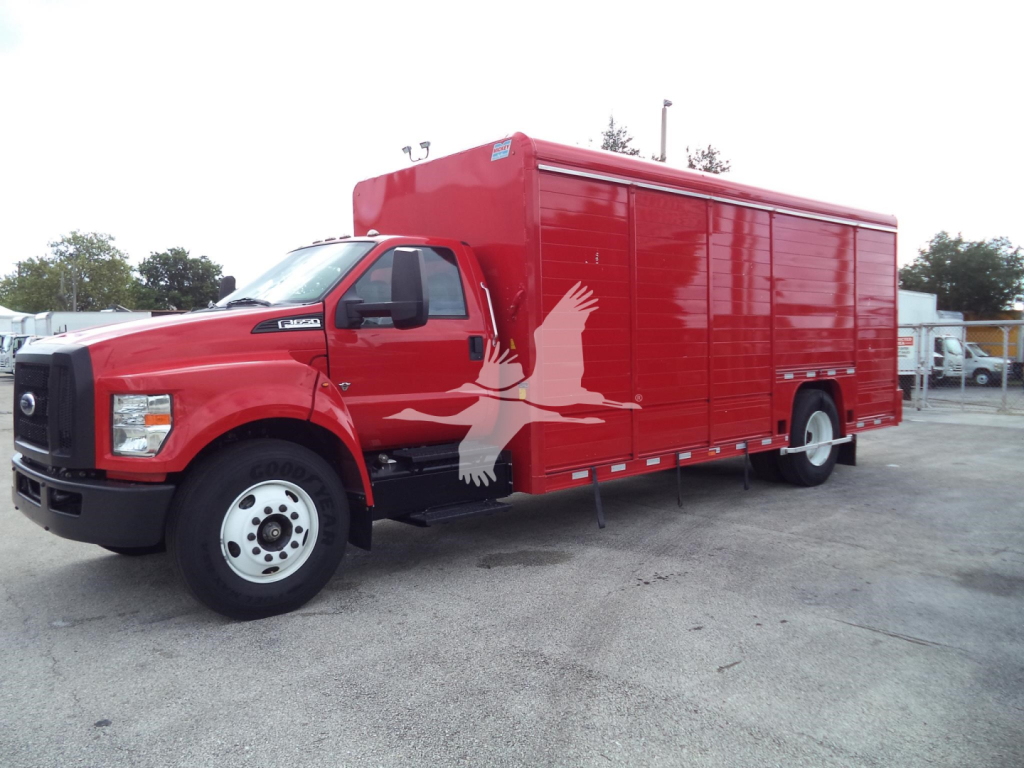
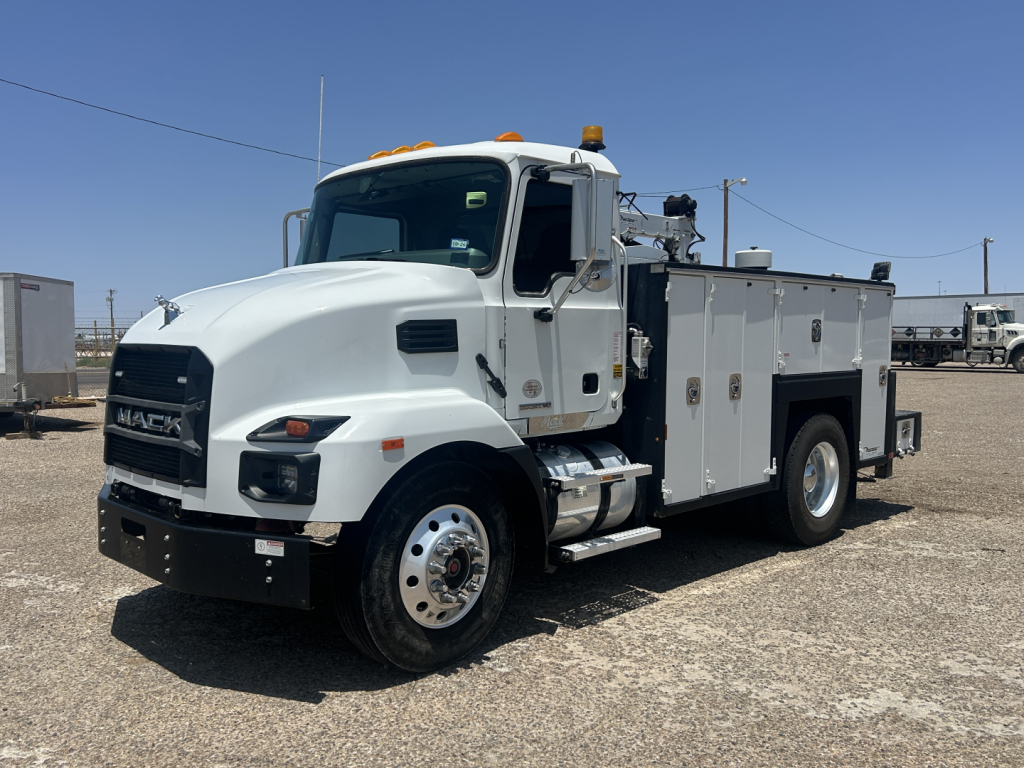
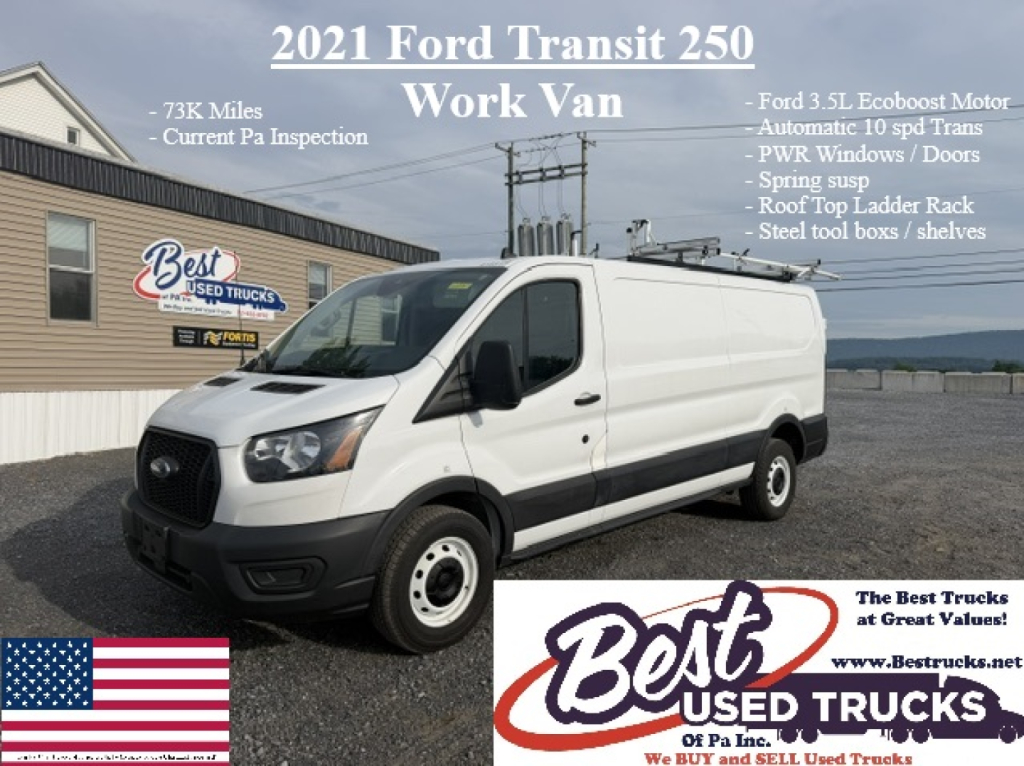
Selling a 2021 service/utility truck? List your 2021 service/utility truck for sale and reach thousands of commercial buyers.
2021 Service/Utility Trucks
The service body, also known as a utility body, is what separates this category from a standard pickup. A well-configured body gives you exterior compartments for tools, parts, PPE, and small equipment without giving up bed utility. Buyers should look closely at compartment layout, shelf condition, door seals, latch durability, and body material. Steel bodies are common and durable, but aluminum bodies can reduce corrosion and save weight. Crane-ready bodies, ladder racks, compressor mounts, inverter systems, and receiver hitches are common upfit features in this segment. If technicians regularly handle generators, pumps, or jobsite materials, payload rating and rear suspension capacity matter more than trim level.
For 2021 model year trucks, the key buying questions are usually GVWR, engine choice, cab size, and how the upfit matches the work. A lighter-duty F-250 or 2500HD service truck can be a practical fit for contractors, municipalities, telecom crews, HVAC service, and general maintenance. A 3500-class truck makes more sense when the body carries heavier inventory, a crane, or frequent towing loads. Buyers should confirm axle ratio, factory tow package, integrated brake controller, alternator output, and trailer rating if the truck will pull compressors, mini excavators, or enclosed trailers. On used units, inspect compartment floors, hinges, rust at body mounts, and signs of overloading such as sagging springs, cracked bumpers, or uneven tire wear.
The best 2021 utility trucks are not necessarily the highest-spec trucks. They are the ones with a body layout that fits the technician's workflow and a chassis that can carry that load every day without running at its limit. Service trucks in this year range often appeal to fleets because they still offer modern safety and connectivity features while remaining straightforward to maintain. A clean, properly upfitted utility truck can reduce time wasted looking for tools, improve jobsite efficiency, and replace the need for a separate trailer on many service calls.
Frequently Asked Questions about 2021 Service/Utility Trucks
What is the difference between a service truck and a utility truck?
In most commercial truck listings, service truck and utility truck mean nearly the same thing. Both terms usually describe a pickup-based or cab chassis truck fitted with a service body that has exterior tool compartments and a central cargo area. Some buyers use service truck more often for contractor and field repair applications, while utility truck can also refer to municipal, telecom, and utility company use. The important distinction is the body configuration, not the label.
Is a 2500 or 3500 better for a 2021 service truck?
A 2500-class truck is often sufficient for lighter field service work, small parts inventory, and moderate towing. A 3500-class truck is the better choice when the service body includes a crane, welder, compressor, large drawer pack, or consistently heavy payload. The decision should be based on actual payload, trailer weight, and how much reserve capacity you want for daily operation. Running too close to maximum GVWR every day shortens component life and reduces stability.
What should I inspect on a used 2021 service or utility truck?
Start with the service body before focusing on cosmetic items. Check compartment doors, hinges, latches, seals, shelving, and rust around the lower edges and body mounts. Then inspect the chassis for suspension sag, tire wear, brake condition, hitch wear, and any evidence the truck has spent its life overloaded or towing near its limit. Electrical accessories such as strobes, inverters, compressors, cranes, and work lights should all be tested because upfit repairs can add cost quickly.
Are gas or diesel engines better in a 2021 service truck?
Gas engines are often the practical choice for local service fleets because they usually cost less to buy and maintain, especially in stop-and-go operation with lots of idle time. Diesel makes more sense when the truck carries heavier payloads, tows regularly, or racks up enough miles to justify the added complexity and higher repair costs. The better engine depends on duty cycle, not just horsepower or resale value.
What upfit features matter most on a service body?
The best upfit features are the ones that reduce wasted motion and keep tools secure. Buyers usually prioritize compartment size and layout, ladder racks, hitch setup, trailer brake controller, backup camera, work lighting, and power supply options such as an inverter or auxiliary electrical system. If lifting equipment is part of the job, crane capacity and body reinforcement become major factors. A simple, durable body with the right storage layout is usually more valuable than extra accessories that do not match the work.