
2017 Service/Utility Trucks For Sale
Shop 2017 service and utility trucks with contractor bodies, enclosed storage, and fleet-ready specs for electricians, telecom, plumbing, and municipal work.
Learn more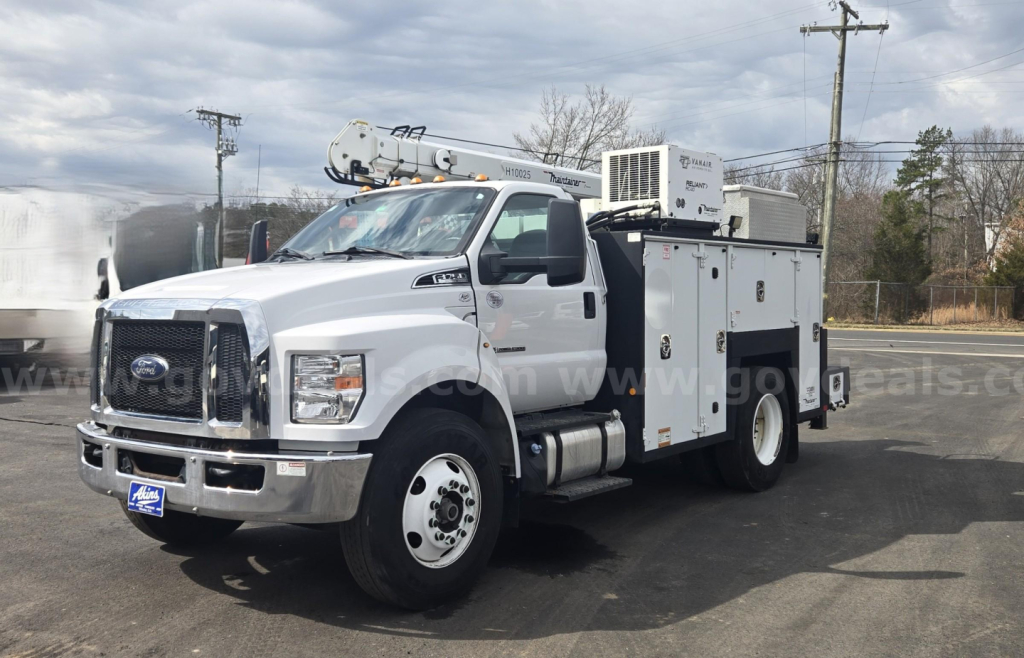
Have 2017 service/utility truck to sell? List it here to reach thousands of buyers.
About 2017 Service/Utility Trucks
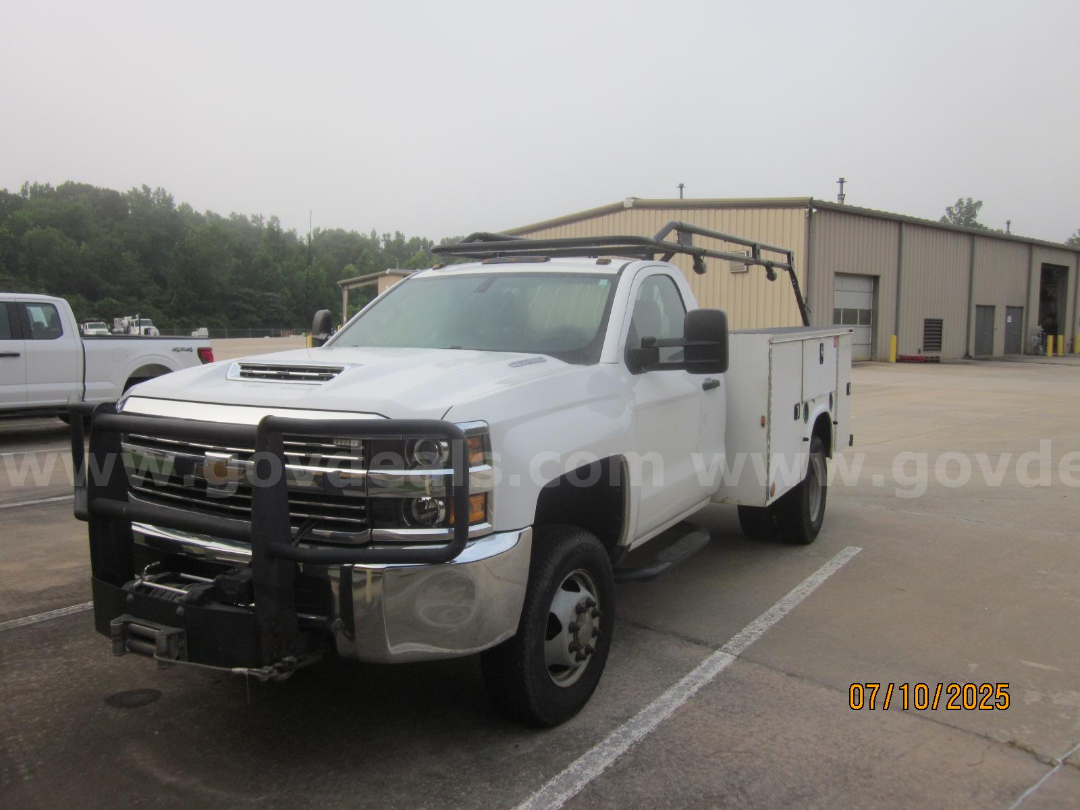
Body design matters as much as the chassis. A lighter-duty utility body may be ideal for electricians, plumbers, HVAC, and municipal maintenance crews that need organized storage but do not carry major lifting equipment. Heavier service bodies from builders such as Knapheide, Reading, Stahl, Maintainer, and Stellar are often configured with reinforced tops, taller compartments, external reels, ladder racks, and crane mounts. If the truck will carry a compressor or welder, check PTO capability, alternator output, battery reserve, and available space for fuel transfer tanks or aftermarket accessories. If it has a crane, confirm crane rating, stabilizer design, body reinforcement, and front and rear axle capacity, because many used trucks look similar on paper but have very different real-world lifting and payload limits.
On a 2017 model, condition and use history should drive the buying decision. Service trucks often spend long hours idling and working at low speed, so engine hours, PTO hours, and maintenance records can matter more than mileage alone. Inspect compartment floors, door hinges, latch hardware, and weather seals, since hard daily use shows up in the body before it shows up in the drivetrain. Rust is especially important around the bed floor, outriggers, rocker panels, wheel arches, and underbody mounts. Fleet and municipal units can be attractive because they may have regular maintenance documentation, but buyers should still check for electrical modifications, inverter installations, beacon and work-light wiring, and signs of overloaded service body compartments.
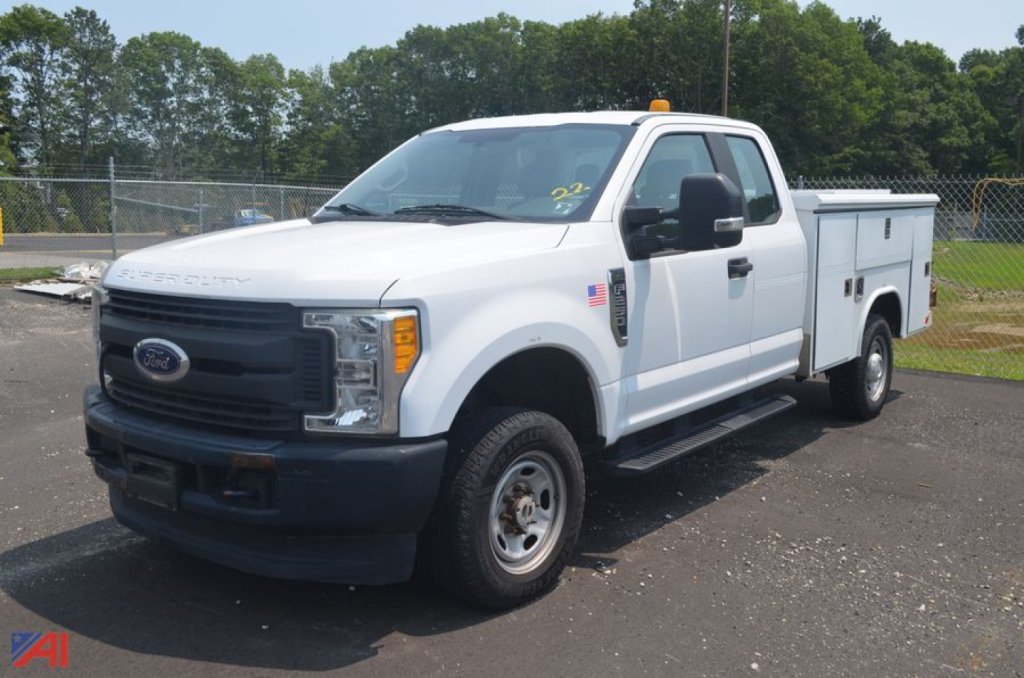
A strong 2017 utility truck is one that matches the work cycle. For urban service routes, a regular cab or extended cab with a shorter wheelbase can be easier to park and maneuver. For crews carrying more personnel or jobsite paperwork, a SuperCab or crew cab may be worth the added length. Buyers comparing listings should pay close attention to GVWR, wheelbase, axle ratings, service body brand, compartment configuration, and any upfit equipment already installed. The right 2017 service/utility truck can reduce trailer dependence, keep tools secure, and improve technician efficiency by turning the truck itself into a mobile workshop.
Frequently Asked Questions
What should I check first when buying a 2017 service/utility truck?
Start with GVWR, axle ratings, and the service body configuration. Those three items tell you how much the truck can realistically carry and how well it fits your work. After that, review engine hours, idle time, maintenance records, and the condition of the compartments, hinges, latches, and body mounts. A clean drivetrain does not make up for a body layout that does not support your tools, parts, and daily workflow.
Are gas or diesel engines better in a 2017 utility truck?
Gas engines are often a strong fit for lighter service applications with shorter routes, lower annual mileage, and simpler maintenance needs. Diesel engines can make more sense for heavier bodies, crane service, towing, and higher-mileage operation where torque and long-term fuel efficiency matter more. The right choice depends on payload, idle time, terrain, and whether the truck will support PTO-driven or power-hungry auxiliary equipment.
How important is the service body brand on a used 2017 truck?
It matters because body construction quality affects durability, storage usability, and repair cost. Well-known body manufacturers often have better compartment design, stronger hardware, and easier parts support for doors, latches, shelving, and seals. A premium body on the right chassis can add value, but only if the compartments, mounting points, and floor structure are still in solid condition.
Can a 2017 service truck handle a crane or welder setup?
Many can, but the truck must be built for it. Crane service requires enough front and rear axle capacity, proper body reinforcement, stabilizers or outriggers, and a chassis that can manage the added weight without sacrificing legal payload. Welder and compressor setups also need the right electrical capacity, mounting space, and often PTO or hydraulic support. Buyers should verify the installed equipment and not assume every utility body is crane-ready.
Why do municipal and fleet-owned 2017 utility trucks attract buyers?
Municipal and fleet units often appeal to buyers because they may come with scheduled maintenance histories and practical upfits already installed. They are commonly spec'd for real work, with ladder racks, warning lights, shelving, and heavy-duty compartments. The tradeoff is that many have seen extensive idle time, stop-and-go use, and multiple operators, so inspection of wear items and electrical additions is still critical.