
2015 Service/Utility Trucks For Sale
Shop 2015 service and utility trucks, including mechanic body and field service setups with common specs, chassis options, and buyer tips.
Have 2015 service/utility truck to sell? List it here to reach thousands of buyers.
2015 Service/Utility Trucks
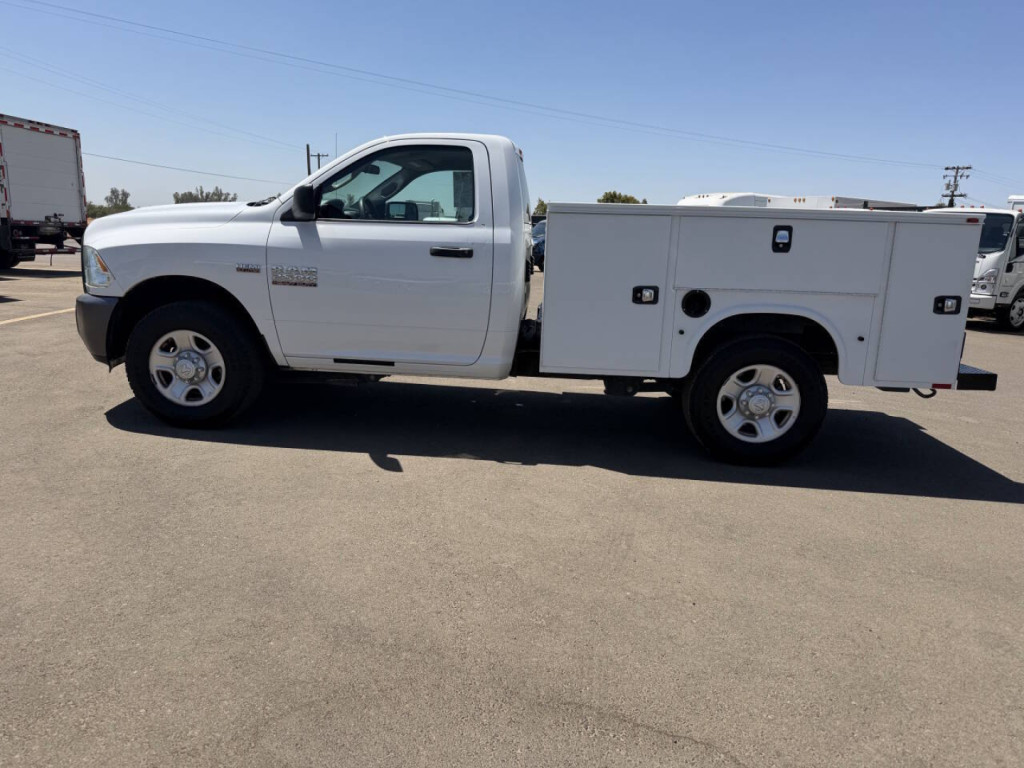
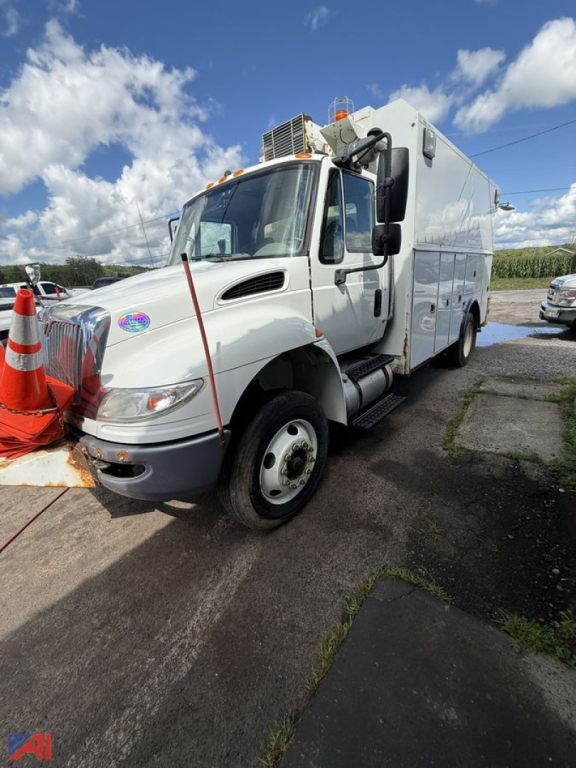
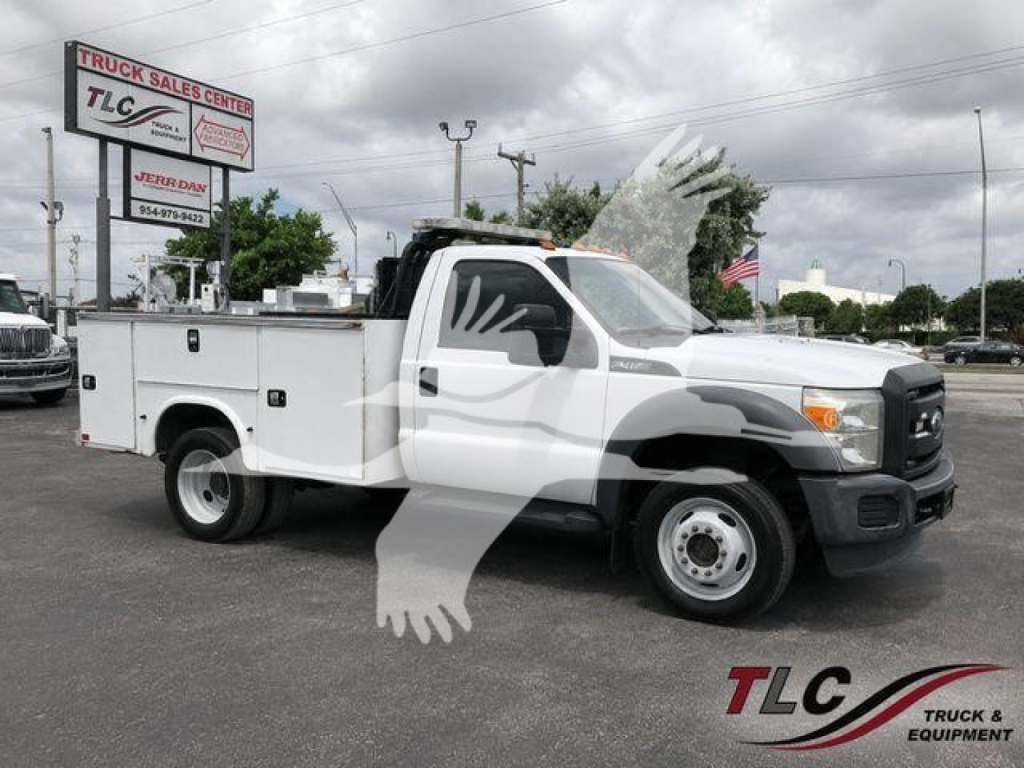
For 2015 models, common platforms include Ford F-250 through F-550, Ram 2500 through 5500, Chevrolet Silverado 2500HD and 3500HD, GMC Sierra HD, and medium-duty trucks such as the International 4300. Gas and diesel engines are both common in this category. Gas trucks can make sense for lighter-duty stop-and-go service routes with lower acquisition and maintenance costs, while diesel power is usually preferred when the truck carries a crane, tows equipment, or operates at higher GVWRs. Buyers should pay close attention to axle ratings, spring capacity, wheelbase, and whether the service body was factory-installed or added later. Body condition matters as much as chassis condition because rust in compartments, floors, and mounting points can be expensive to correct.
Mechanic and utility body details often determine day-to-day usability more than badge or horsepower. Look for compartment depth, shelving, drawer systems, locking hardware, and whether the body has a ladder rack, pipe top, hitch receiver, compressor mount, inverter, or integrated welder package. If the truck has a crane, confirm lifting capacity, reach, stabilizer setup, and whether the crane, compressor, and hydraulics are electric-over-hydraulic or PTO-driven. On a 2015 service truck, electrical condition is especially important because many of these units spend years powering work lights, strobes, chargers, and aftermarket accessories. A clean wiring job, functioning switches, and documented upfit work are strong signs the truck was maintained with fleet use in mind.
A buyer comparing 2015 service and utility trucks should think in terms of application first: technician route truck, municipal maintenance truck, contractor support unit, or full mechanic truck. Cab configuration, 4x2 versus 4x4, and service body length should match the terrain and daily workload. In northern markets, corrosion on utility beds, outriggers, and underbody storage is a major inspection point. In higher-hour fleet units, evaluate idle time along with mileage because PTO use and extended jobsite idling affect engine wear differently than highway use. A well-matched 2015 service truck can still be a very practical fleet asset if the chassis, body, and upfit equipment are aligned with the work it is expected to do.
Frequently Asked Questions about 2015 Service/Utility Trucks
What is the difference between a service truck and a mechanic truck?
A service truck is a broad category that covers trucks with utility bodies designed to carry tools, parts, and equipment for field work. A mechanic truck is usually a heavier-duty version of a service truck that includes a crane, compressor, welder, hydraulic system, and reinforced body for mobile repair work. Many listings use the terms interchangeably, so buyers should verify the actual body equipment, crane capacity, and chassis rating rather than relying only on the label.
Is a 2015 diesel service truck better than a gas model?
It depends on the job. A diesel 2015 service truck is generally better for towing, higher payloads, crane service, and sustained operation at heavier GVWRs. A gas truck may be the better value for lighter-duty municipal, electrical, plumbing, or building maintenance use where annual miles are moderate and service costs need to stay lower. The best choice comes down to body weight, accessory load, towing needs, and how often the truck idles or runs PTO equipment.
What should I inspect first on a used 2015 utility truck?
Start with the service body and upfit equipment, then move to the chassis. Check compartment floors, door hinges, locks, latches, and body mounts for rust, cracking, or repairs. Inspect cranes, outriggers, compressors, PTO components, and hydraulic lines for leaks, damage, and proper operation. After that, confirm axle ratings, suspension condition, brake wear, tire age, and evidence of excessive idle hours. On a 2015 unit, electrical accessories and aftermarket wiring deserve close attention because poor upfit work can create recurring reliability issues.
Are 4x4 service trucks worth the extra cost?
For buyers working on construction sites, utility right-of-way access, oilfield roads, snow regions, or undeveloped property, 4x4 can be worth the premium because it improves traction and jobsite access. For paved-route fleet service, plant maintenance, or city-based contractor work, a 4x2 truck often provides lower purchase cost, less weight, and simpler maintenance. The tradeoff is payload, drivetrain complexity, and the actual need for off-road capability.
What GVWR range is common for 2015 service and utility trucks?
The category spans a wide range. Pickup-based service trucks are often in the 10,000 to 19,500 GVWR range, especially on 2500, 3500, 4500, and 5500 chassis. Medium-duty service trucks can move well beyond that, especially when equipped with larger mechanics bodies, cranes, and PTO systems. Buyers should match GVWR and front and rear axle ratings to the actual weight of the body, tools, fluids, and accessories, not just the empty truck specification.