
2013 Service/Utility Trucks For Sale
Browse 2013 service and utility trucks with common body, chassis, crane, and PTO configurations for field service, construction, and fleet work.
Learn more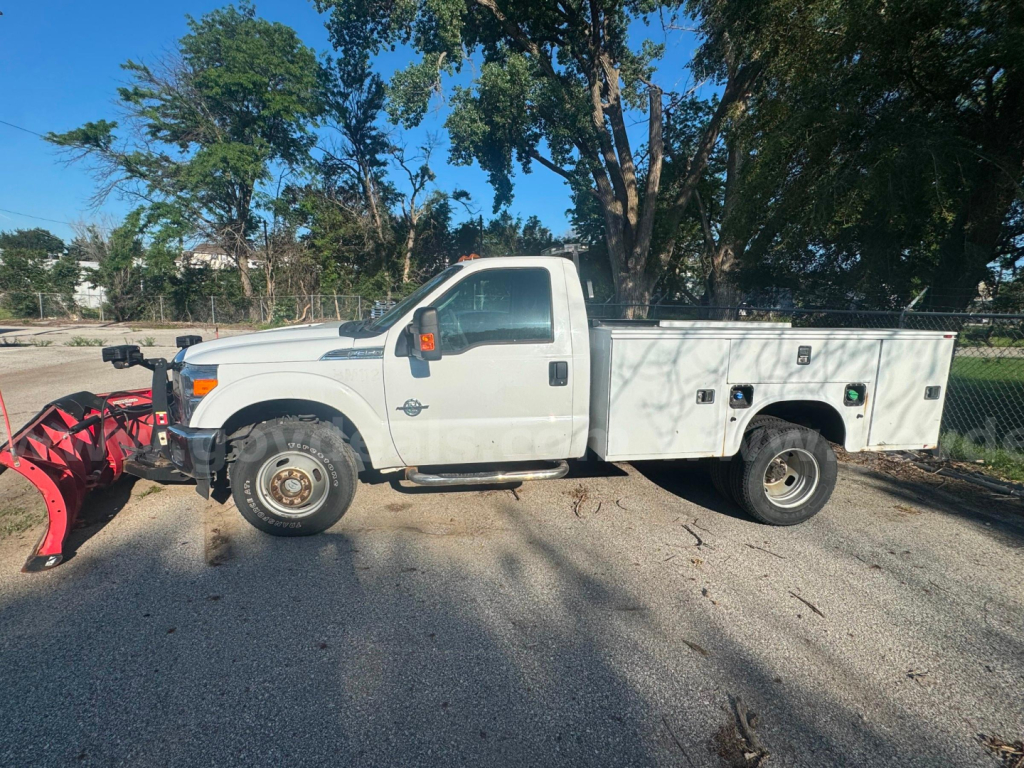

Have 2013 service/utility truck to sell? List it here to reach thousands of buyers.
About 2013 Service/Utility Trucks
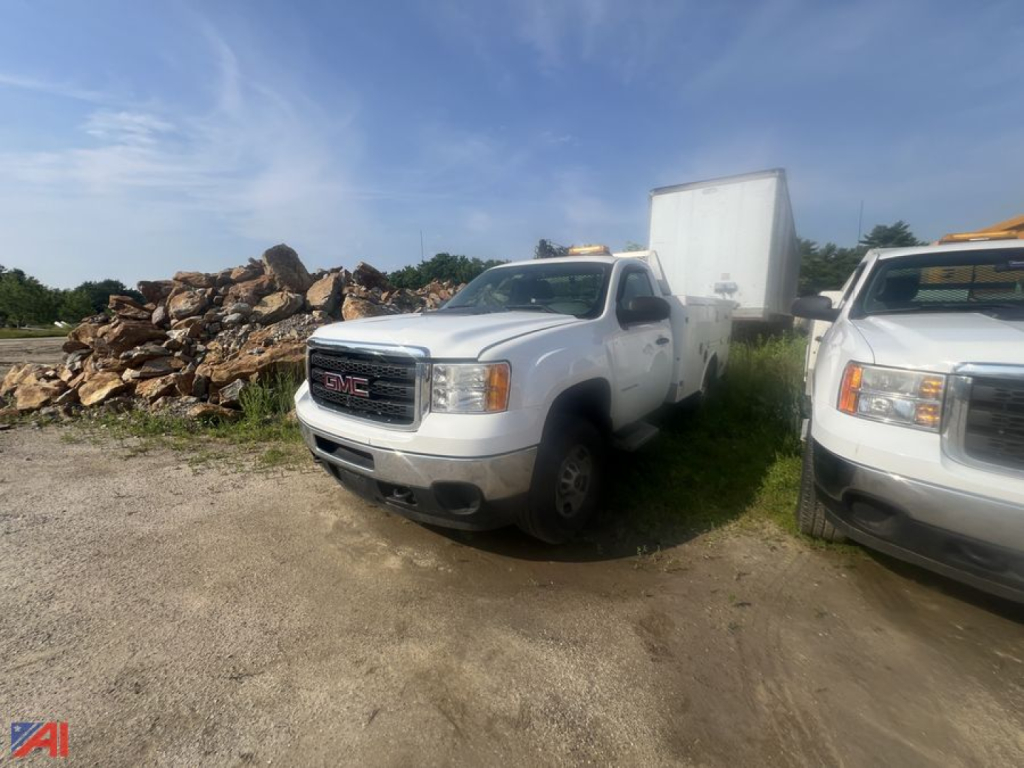
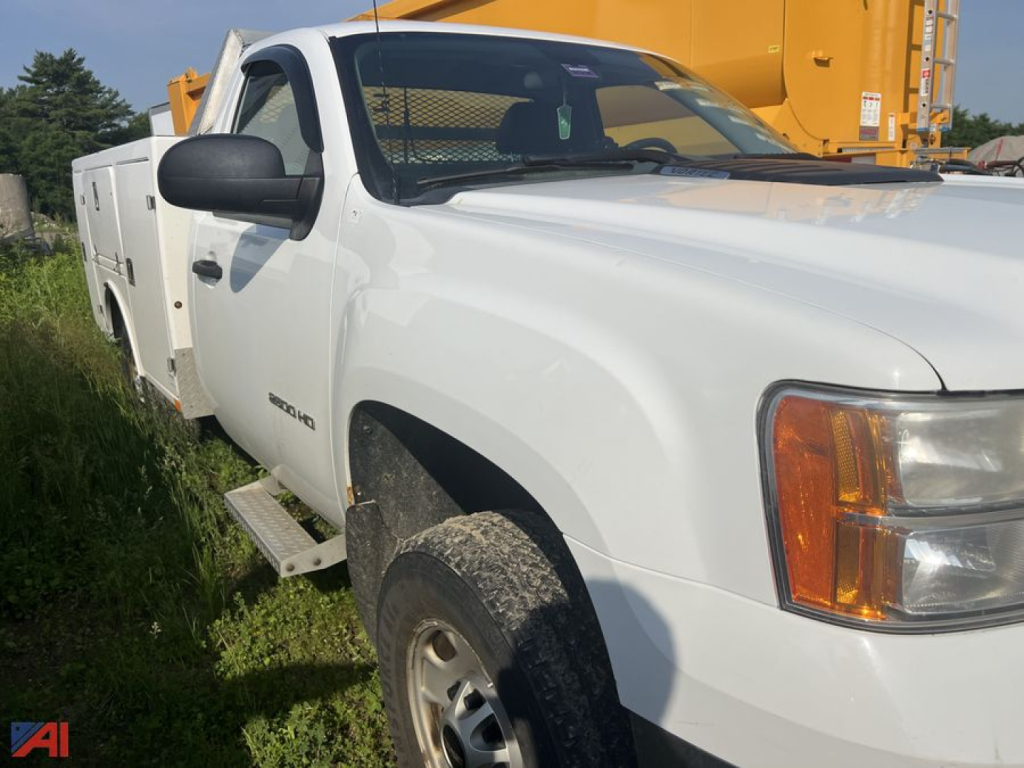
Body configuration matters as much as the truck itself. Most 2013 utility trucks in this category use steel or fiberglass service bodies with multiple side compartments, top-opening bins, rear workbench space, and integrated lighting. Steel bodies generally hold up well in severe-duty environments and crane applications, while fiberglass bodies reduce corrosion and can save weight. If the truck has a crane, look closely at crane rating in ft-lb, maximum lift at short radius, boom length, and whether the body includes stabilizers or outriggers sized for the crane. PTO-driven accessories, hydraulic air compressors, engine-driven welders, and inverter systems are common on mechanic trucks, so buyers should confirm power source, hours, and service history for all auxiliary equipment, not just the chassis engine.
On 2013 models, powertrains often include proven diesel options such as the 6.7L Cummins in Ram chassis, along with gas V8 setups on lighter service trucks. Transmission choice is important because many fleet buyers prefer automatics for stop-and-go work and easier driver onboarding, while diesel torque and axle ratio determine how well the truck handles a fully loaded body. Check GVWR, front and rear GAWR, wheelbase, cab style, and frame condition before comparing trucks with similar bodies. Utility trucks tend to spend their lives idling, creeping through jobsites, and carrying concentrated weight in compartments, so suspension wear, brake condition, PTO operation, rust around body mounts, and door hinge condition deserve close attention.
A good 2013 service truck can still be a practical fleet asset if the spec matches the work. Telecom, electrical, municipal, plumbing, construction, and equipment repair fleets often prioritize compartment layout, security, and crane capability over highway speed or sleeper-style comfort. Buyers comparing listings should focus on usable payload after the body and equipment are installed, turning radius for urban work, and whether the truck is set up for technicians who work out of it all day. Clean wiring, functioning compartment latches, weather-tight seals, work lights, and organized storage often tell you as much about the truck's remaining value as the odometer does.
Frequently Asked Questions
What should I check first on a 2013 service/utility truck?
Start with GVWR, payload capacity, and the actual body and equipment installed on the truck. A service body, crane, compressor, welder, and stocked compartments can use a large share of available capacity before the truck reaches the jobsite. After that, inspect the chassis for frame corrosion, suspension wear, brake condition, PTO function, and signs of hard idle-heavy service. On the body, pay attention to compartment doors, seals, hinges, latches, drawer slides, and any rust or cracking around mounts and outriggers.
Is a 2013 service truck with a crane better than one without a crane?
It depends on the work. A crane-equipped mechanic truck adds major field-service capability for lifting components, jobsite repairs, and remote equipment support, but it also adds weight, maintenance, and cost. Buyers should compare crane rating in ft-lb, vertical lift capacity, boom reach, and outrigger setup against the actual loads they handle. If the truck mainly carries tools and parts for technicians, a non-crane utility body may provide better payload and lower operating complexity.
Are pickup-based service trucks or medium-duty service trucks better for commercial use?
Pickup-based service trucks are often easier to operate in tight areas, simpler to service, and a good fit for lighter-duty technicians. Medium-duty service trucks usually offer more payload, stronger frames, higher axle ratings, and better support for cranes, compressors, and large service bodies. The better choice comes down to daily cargo weight, equipment needs, and whether the truck must remain under CDL thresholds in your operation.
What body material is better on a service/utility truck, steel or fiberglass?
Steel service bodies are common where durability, crane support, and repairability are priorities. They generally handle tough field conditions well but can be more vulnerable to corrosion if the truck has worked in road salt or coastal environments. Fiberglass bodies resist rust and can save weight, which helps payload, but buyers should inspect them for cracks, latch issues, and repair quality around compartments and mounting points.
Do miles matter less on a 2013 service truck than on other commercial trucks?
Miles matter, but usage pattern matters just as much. Service and utility trucks often accumulate engine hours through idling, PTO operation, short-trip driving, and low-speed jobsite work, so a lower-mile truck can still show significant wear. Buyers should look for maintenance records, idle hours if available, condition of auxiliary equipment, and overall body and chassis wear to judge remaining service life more accurately than mileage alone.