
2012 Service/Utility Trucks For Sale
Browse 2012 service and utility trucks, including mechanic bodies, contractor setups, and fleet-ready work trucks with storage, PTO, and crane options.
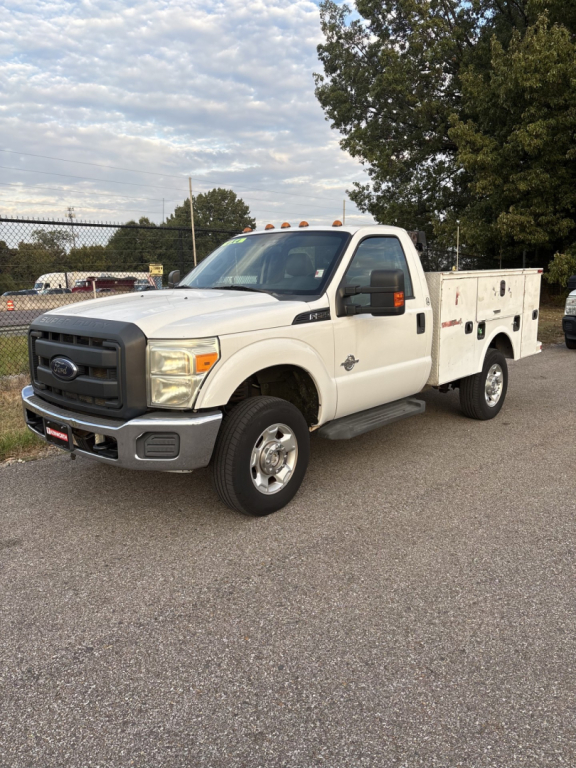
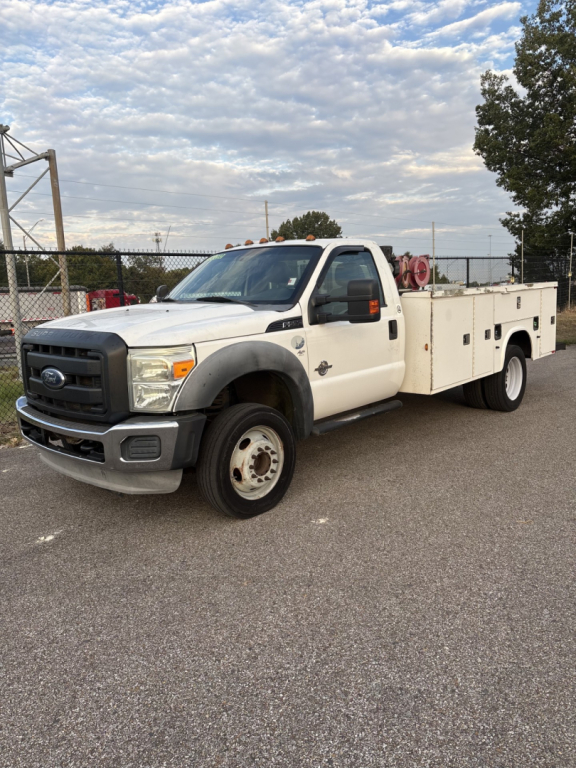
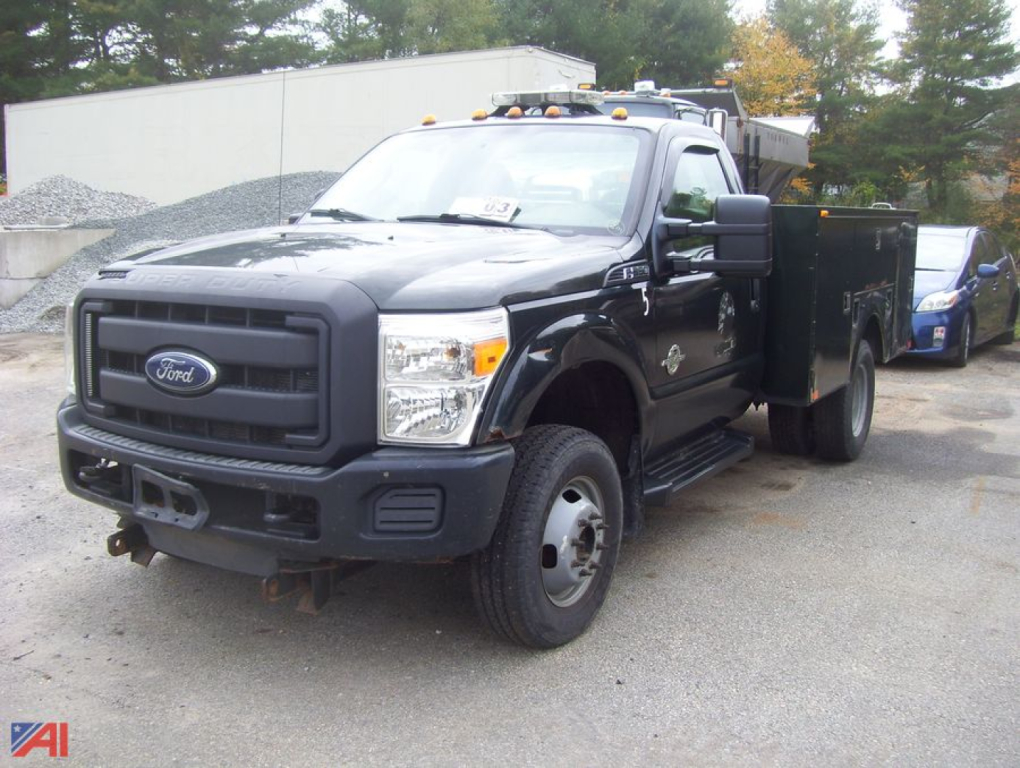
Have 2012 service/utility truck to sell? List it here to reach thousands of buyers.
2012 Service/Utility Trucks
The first decision is usually chassis class and powertrain. A 2012 pickup-based service truck is easier to maneuver in cities, subdivisions, and utility corridors, and it fits many contractor, telecom, municipal, and HVAC applications. Medium-duty service trucks bring higher GVWR, larger bodies, stronger front axles, and better support for cranes, compressors, welders, and heavy drawer systems. Buyers should verify gross vehicle weight rating, rear axle rating, wheelbase, and body length together, because a long service body with cranes or fuel transfer tanks can push axle weights quickly. Gas engines can make sense for lighter-duty local work and simpler maintenance, while diesel trucks are more common where towing, PTO operation, or higher daily mileage matters. On 2012 models, transmission condition, service records, idle hours, and emissions system history deserve close attention, especially on diesel units used for extended idling.
Body configuration matters as much as the truck itself. Standard service bodies typically have side-pack compartments, top-open or vertical doors, rear workbench space, ladder racks, and bumper hitches. Mechanic truck setups may add a hydraulic crane, outriggers, air compressor, welder-generator, work lights, and inverter systems for true field repair capability. Buyers should inspect compartment floors, latches, seals, shelving, and rust around door openings and body mounts. If the truck is expected to carry reels, pipe, lubricants, or job-specific inventory, look for drawer packages, bottle gas storage, aftermarket racks, and tank provisions that match the work. Four-wheel drive is valuable for oilfield, utility, and off-pavement service, while two-wheel drive often lowers cost and complexity for municipal or metro fleet use.
A strong 2012 utility truck is one that matches daily workflow, not just rated capacity on paper. Check hitch rating, trailer brake controls, PTO engagement, crane certification if equipped, compressor output, and electrical system health. Review tire size and load range, brake type, frame condition, spring pack wear, and signs of overloading near the rear suspension and body mounts. Fleet-maintained examples can be a good value because they often have documented service intervals, but body corrosion, wiring repairs, and hard idle time still need a close look. For buyers comparing multiple listings, the key questions are simple: how much payload it can legally carry, how much onboard equipment it can power, and how efficiently the body layout supports technicians in the field.
Frequently Asked Questions about 2012 Service/Utility Trucks
What is the difference between a service truck and a mechanic truck?
A service truck usually refers to a utility body truck with exterior compartments for tools, parts, and supplies. A mechanic truck is a more specialized type of service truck that often includes a hydraulic crane, outriggers, compressor, welder-generator, and PTO-driven equipment for field repairs. In listing terms, the names are often used loosely, so buyers should focus on the installed body and equipment rather than the label alone.
Is a 2012 service truck a good choice for a commercial fleet?
A 2012 service truck can still be a solid fleet unit if the chassis, body, and onboard equipment have been maintained correctly. The value is often strongest for buyers who need a lower purchase price and can evaluate condition carefully. Maintenance history, idle time, body corrosion, wiring quality, suspension wear, and diesel emissions repairs are more important than model year alone. A well-kept 2012 truck can perform reliably in local or regional service applications.
What should I inspect first on a used 2012 utility truck?
Start with GVWR, axle ratings, and the actual body and equipment installed, because many used service trucks have been upfitted beyond basic factory specs. Then inspect frame condition, body mounts, compartment rust, door hardware, PTO function, hitch setup, and any crane or compressor operation. On diesel trucks, review emissions system service and excessive idle history. On any unit, look closely at electrical add-ons, because poor upfit wiring can create recurring downtime.
Are pickup-based service trucks or medium-duty service trucks better?
Pickup-based service trucks are better for lighter payloads, tighter routes, and contractors who need easier maneuverability and lower operating cost. Medium-duty service trucks are better when the job requires more compartment space, heavier tools and parts, larger cranes, higher hitch ratings, or more durable commercial running gear. The better truck is the one that fits the body weight, equipment package, and daily duty cycle without running close to its limits.
What industries commonly use 2012 service and utility trucks?
2012 service and utility trucks are commonly used in construction, equipment repair, electrical contracting, plumbing, HVAC, municipal public works, telecom, utility line work, oilfield support, and fleet maintenance. Their main advantage is mobile productivity. The truck carries organized parts storage, secure tool access, and in some cases onboard power and lifting capability, allowing technicians to complete more work without returning to the shop.