
Commercial Trucks For Sale in Saskatchewan
Browse trucks for sale in Saskatchewan, including highway tractors and vocational trucks built for prairie hauling, oilfield, construction, and local work.
No exact matches found for your search
Showing Commercial Trucks instead.
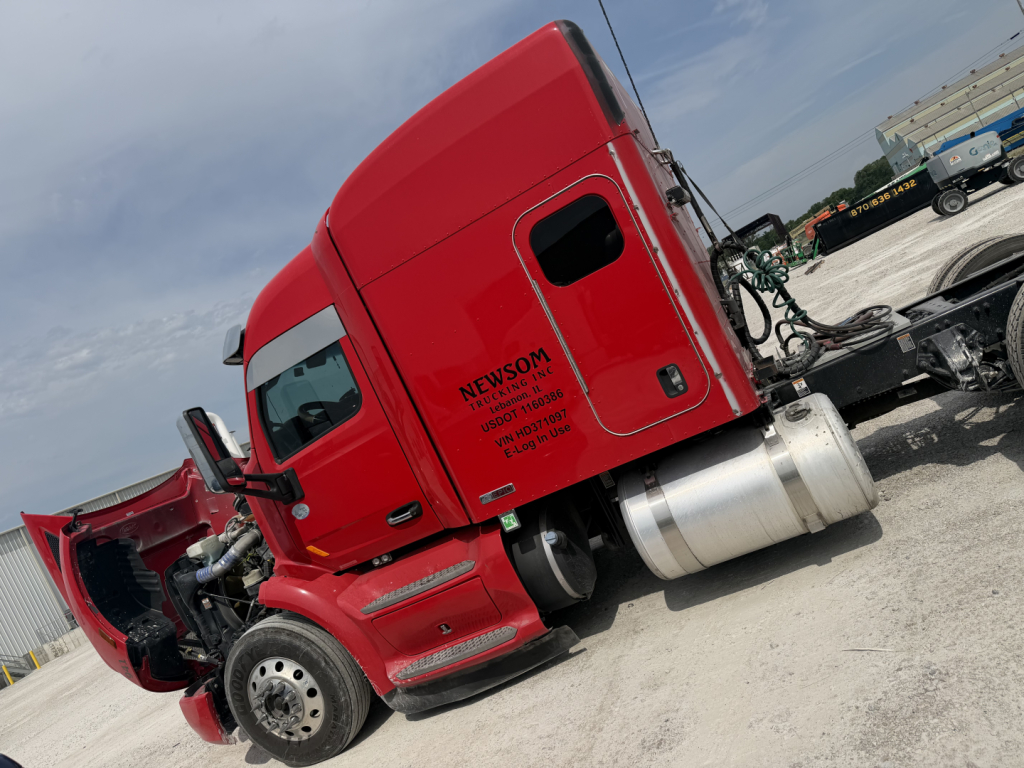
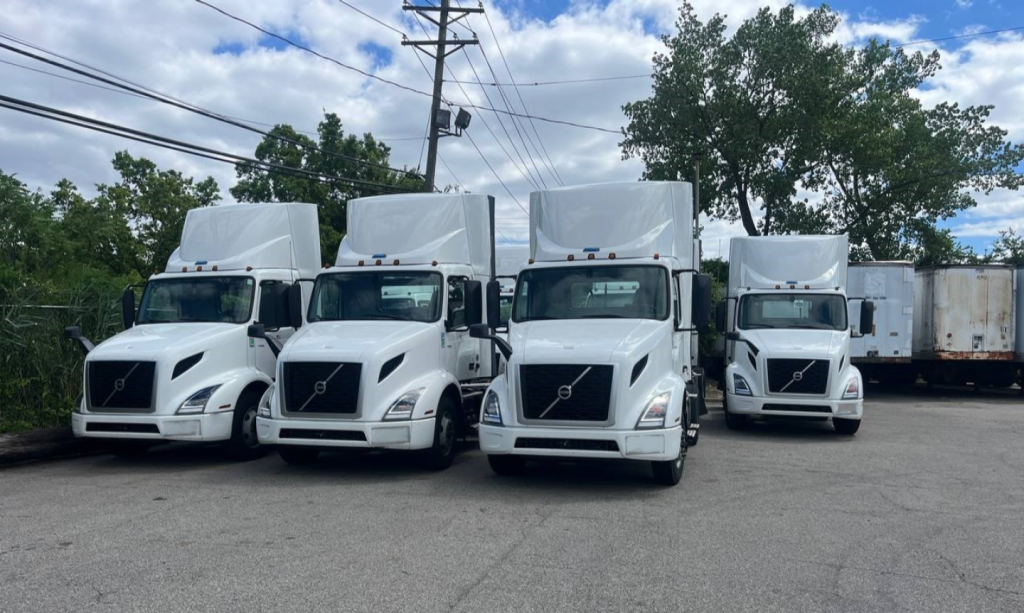
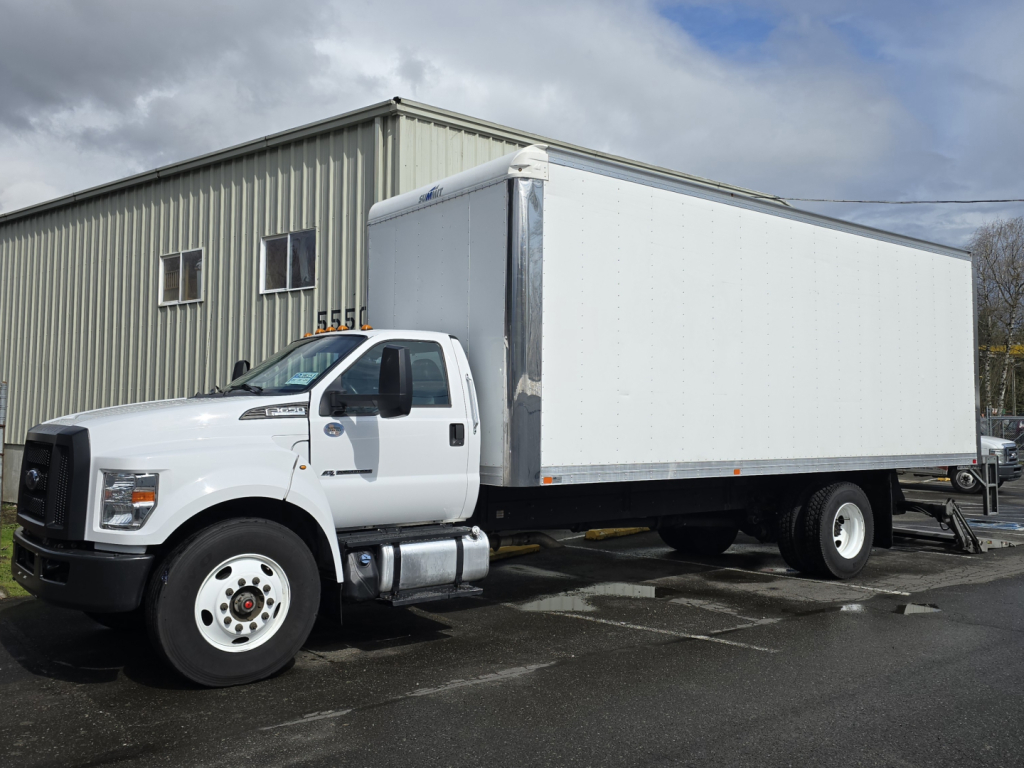
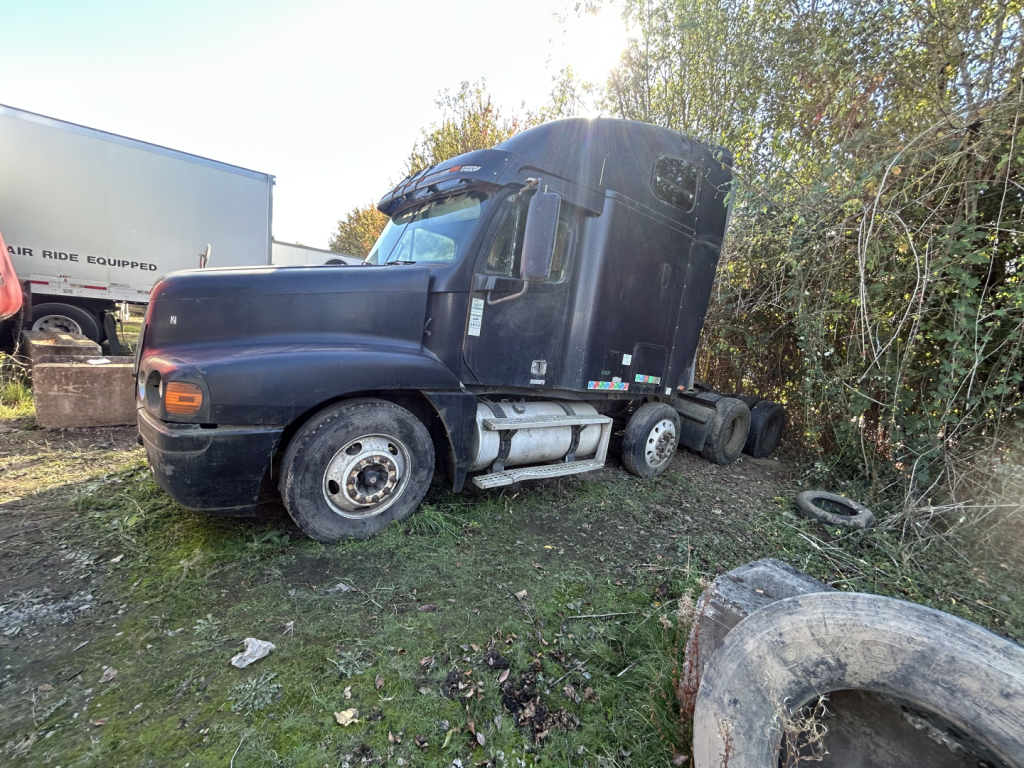
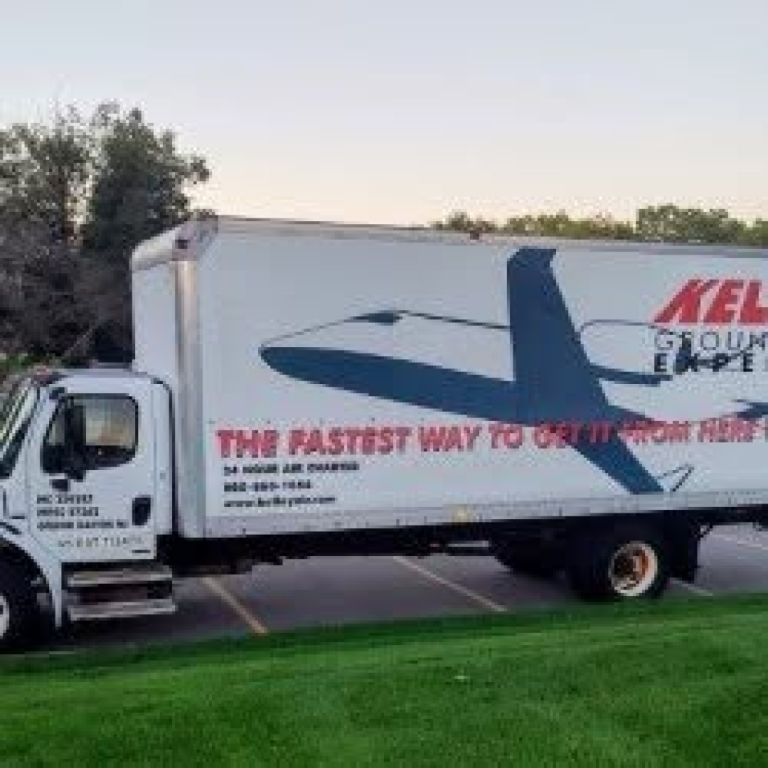
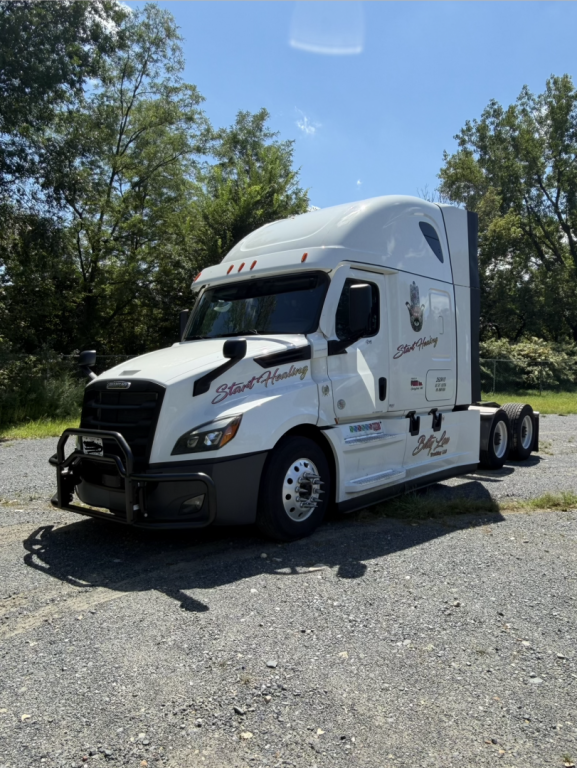
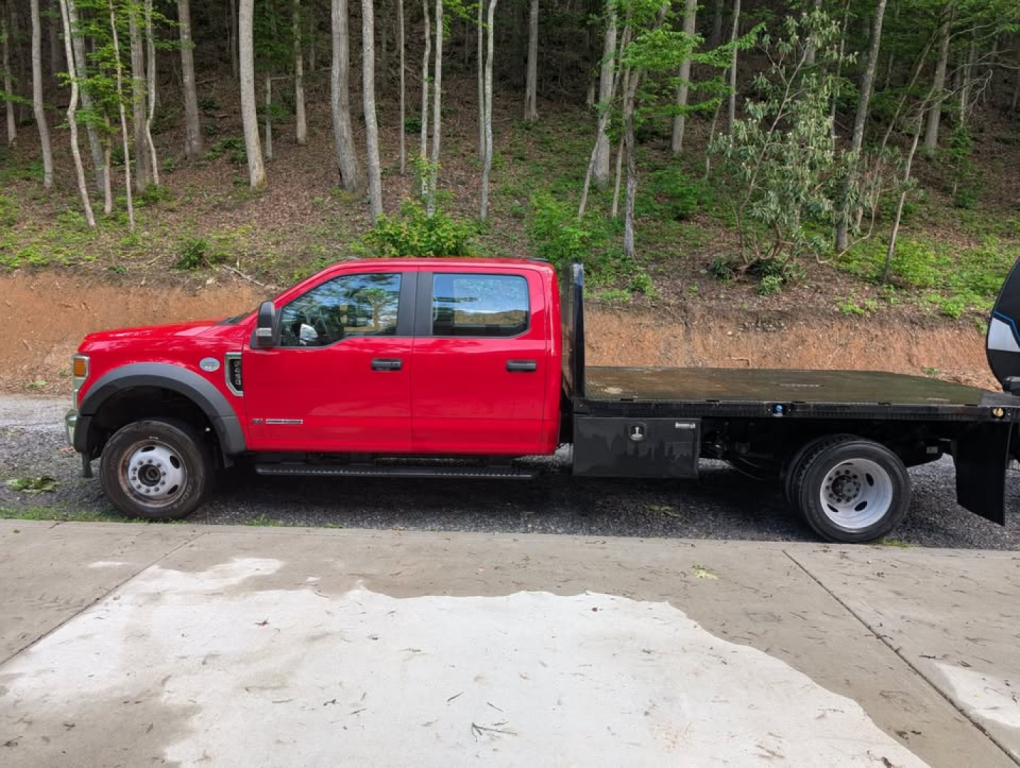
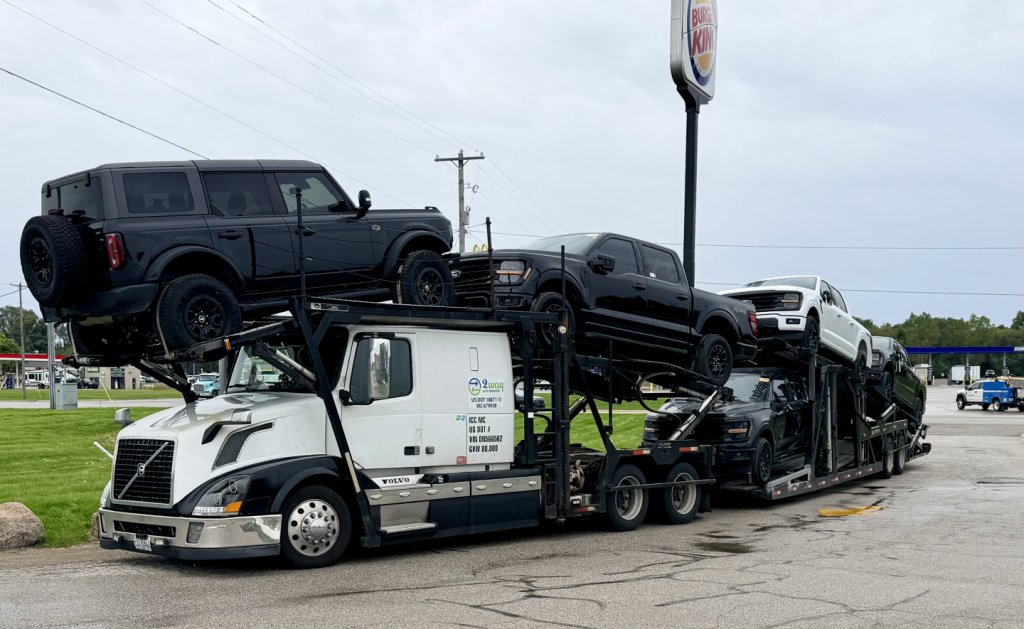
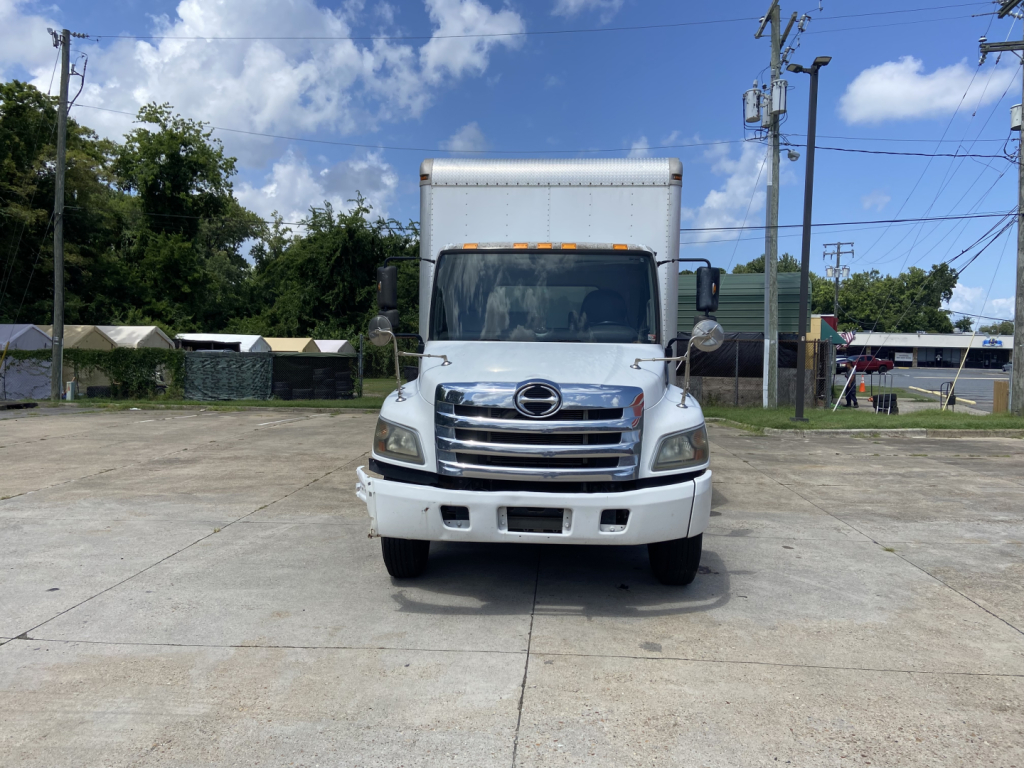
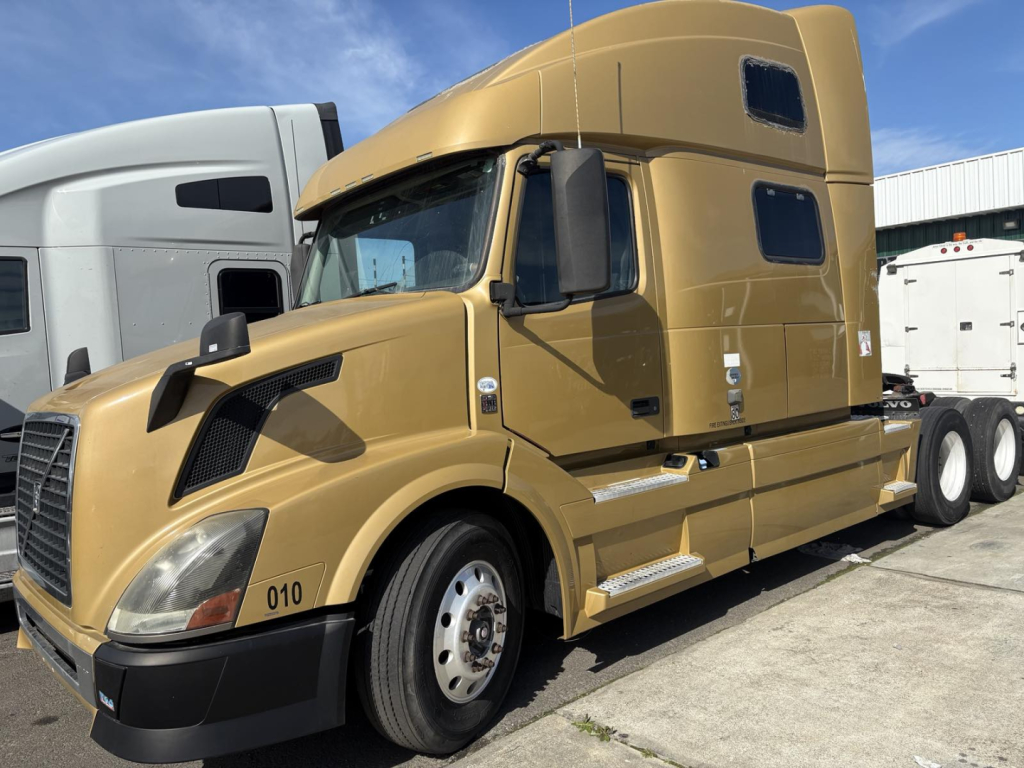
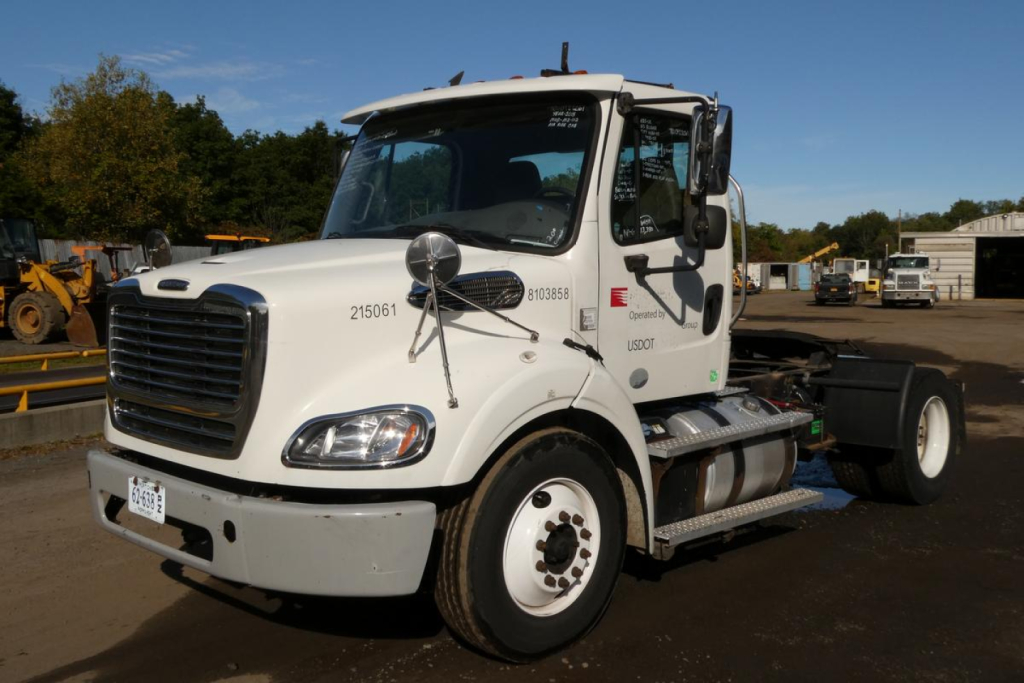
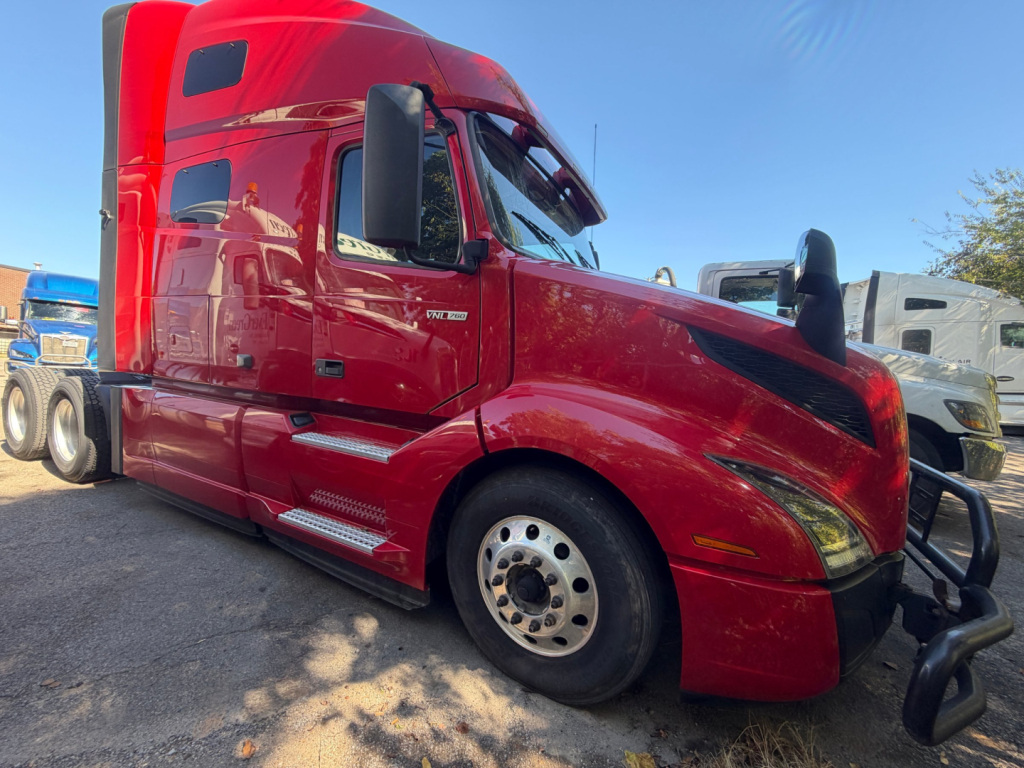
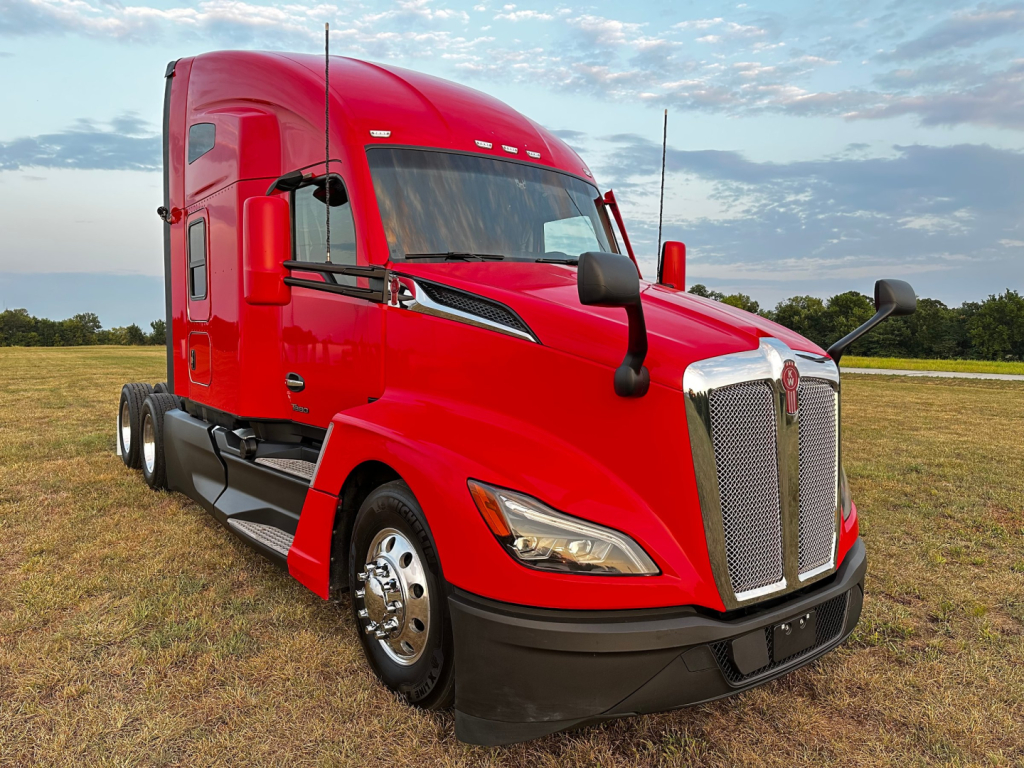
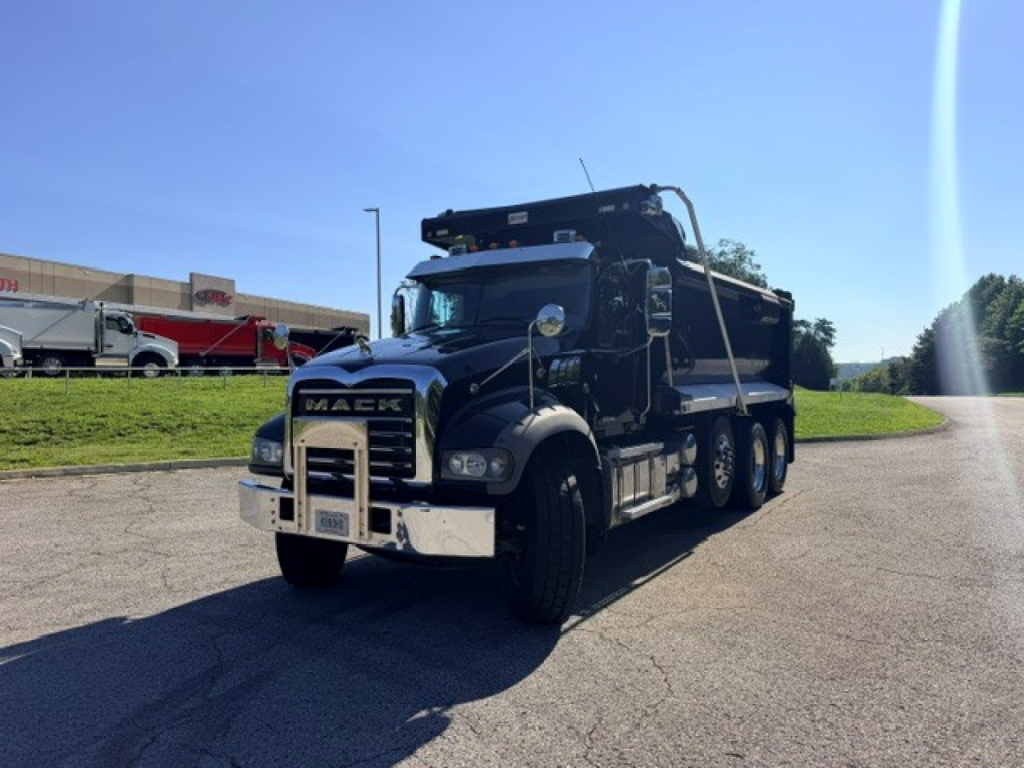
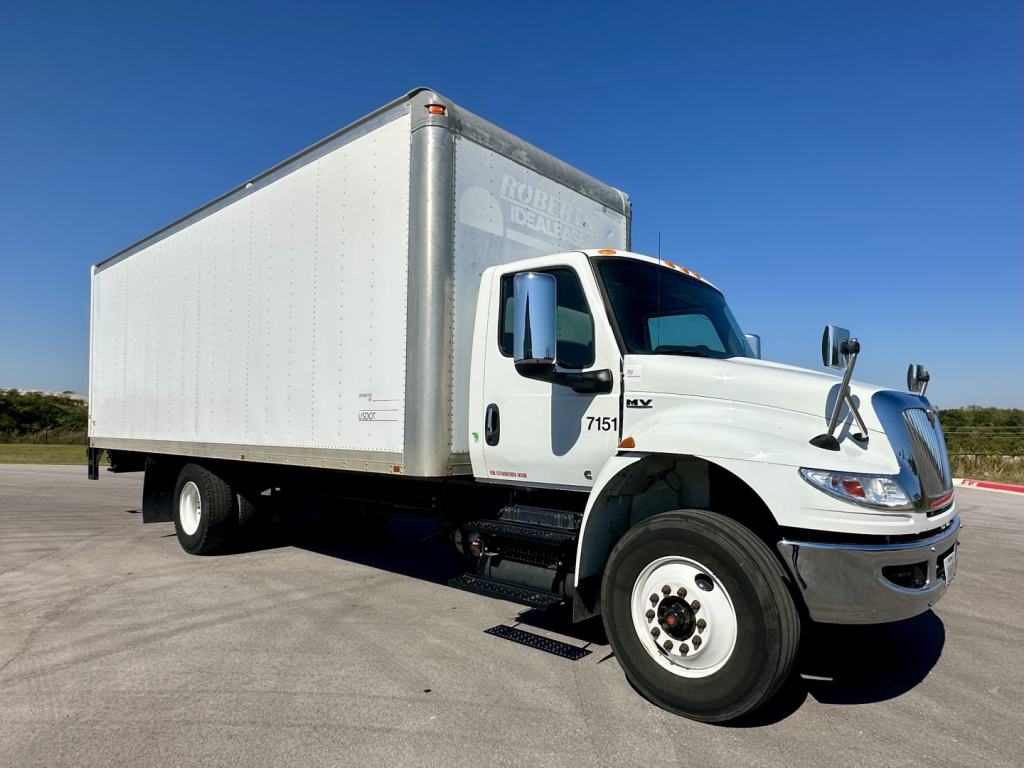
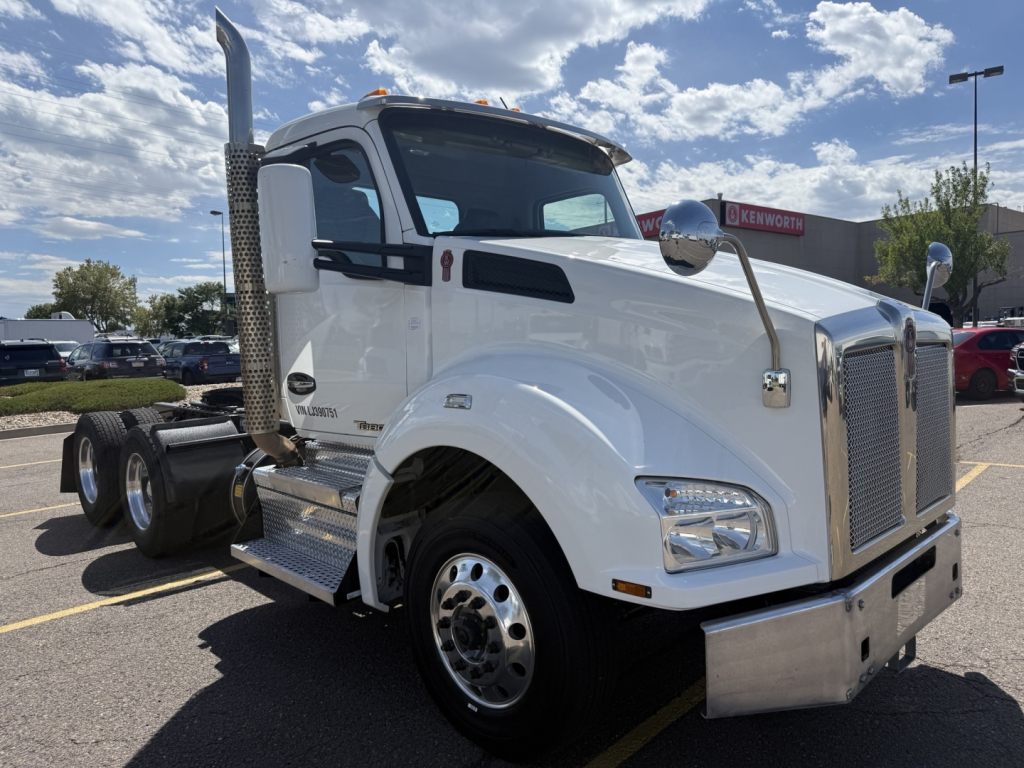
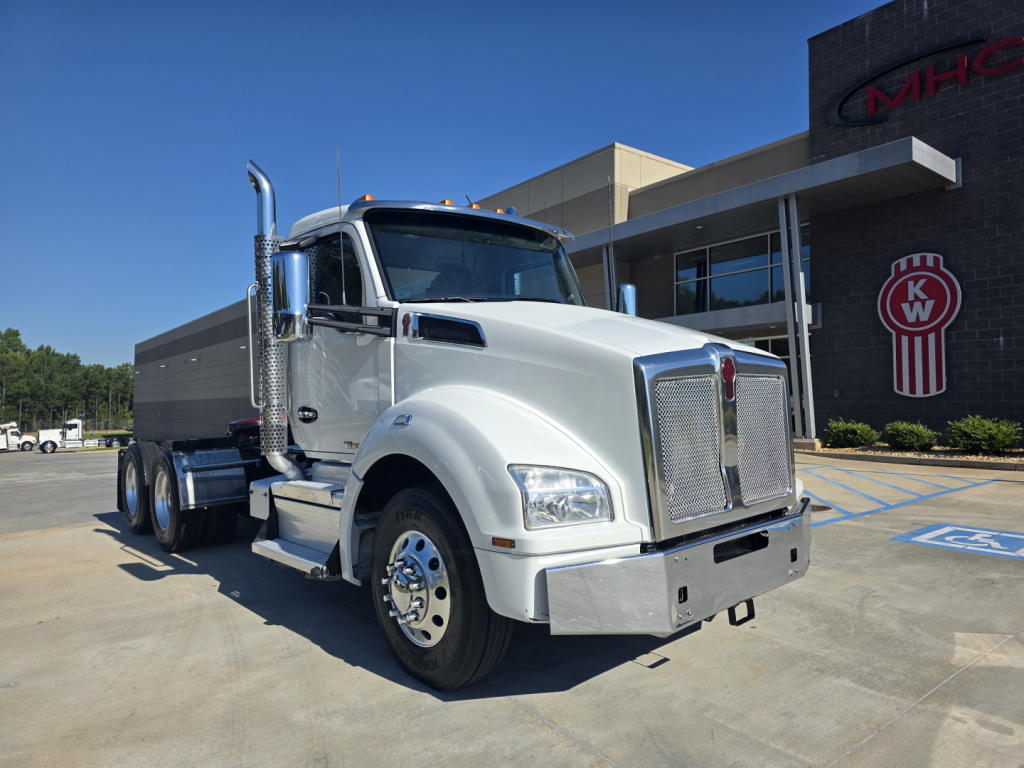
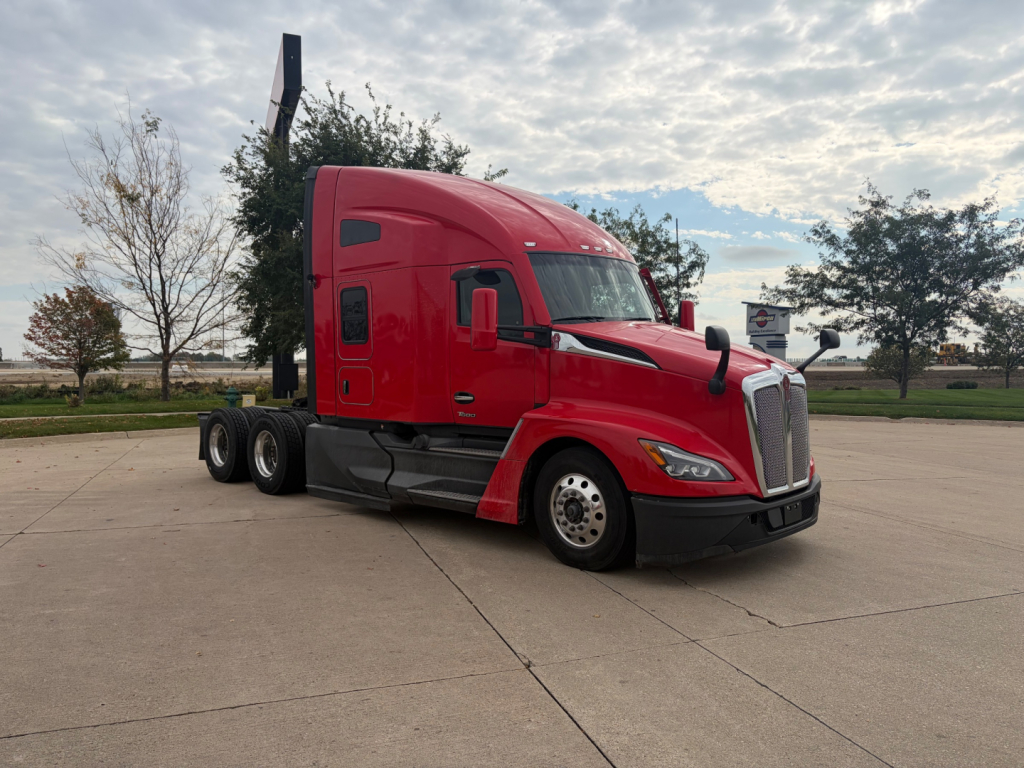
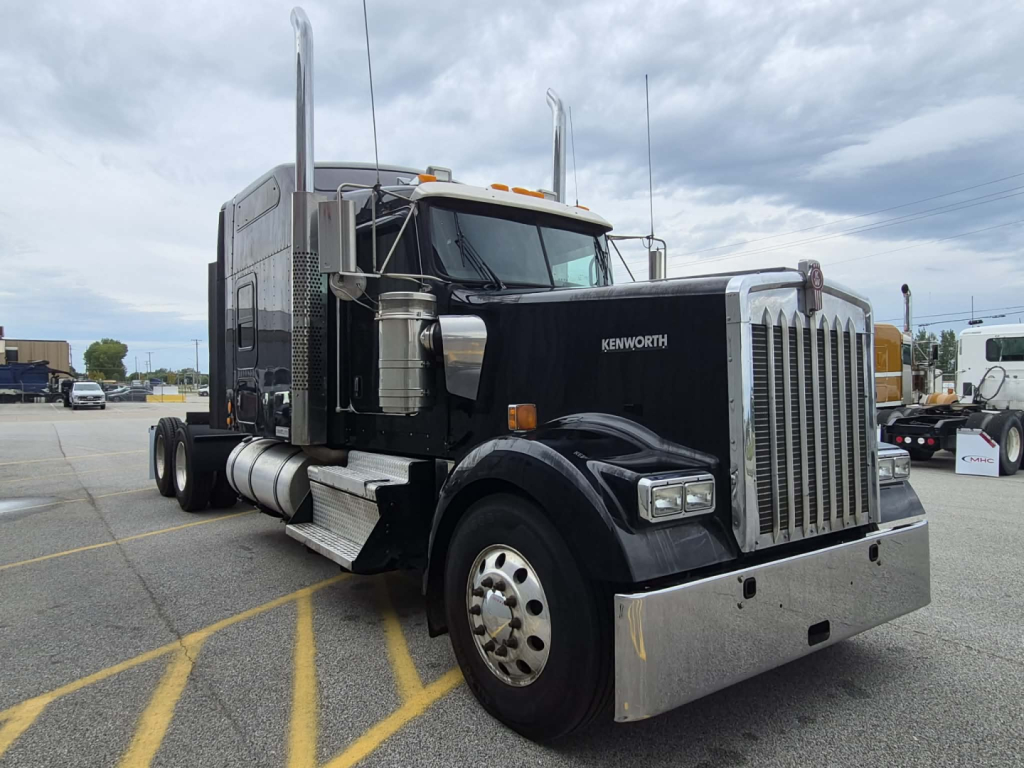
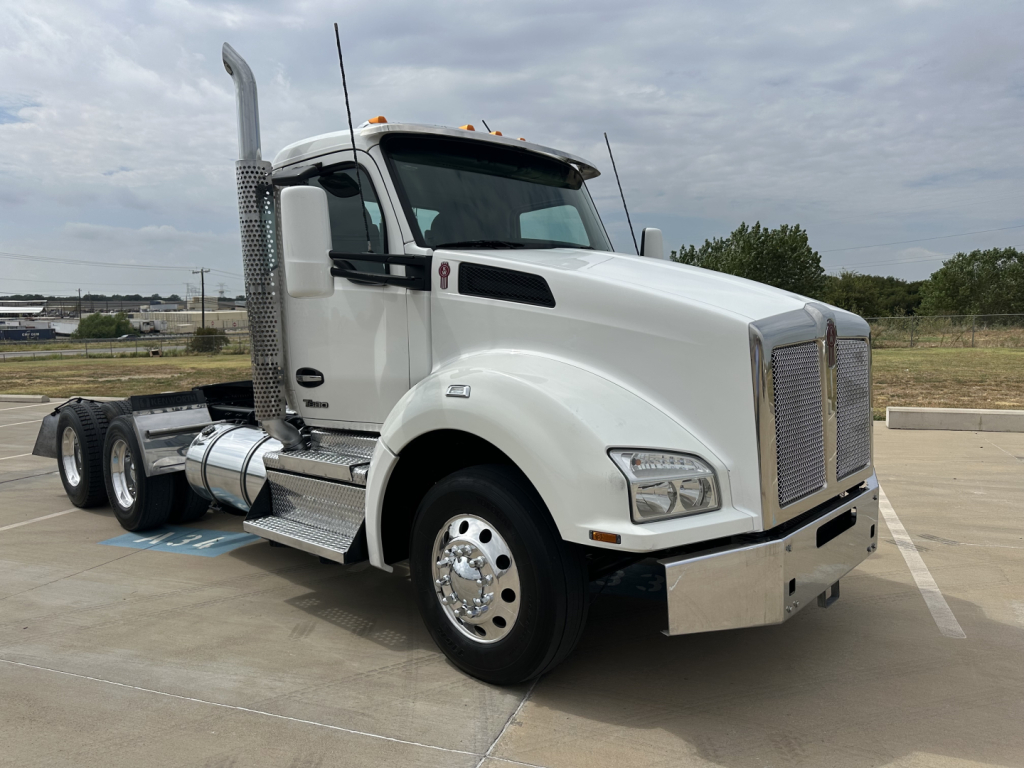
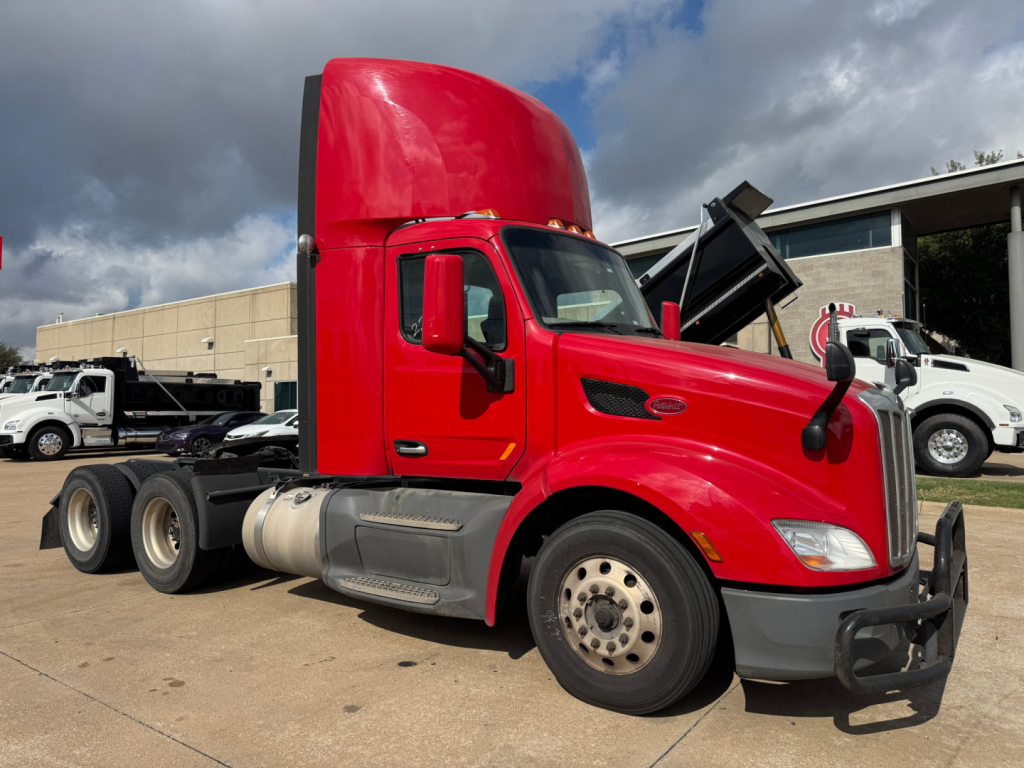
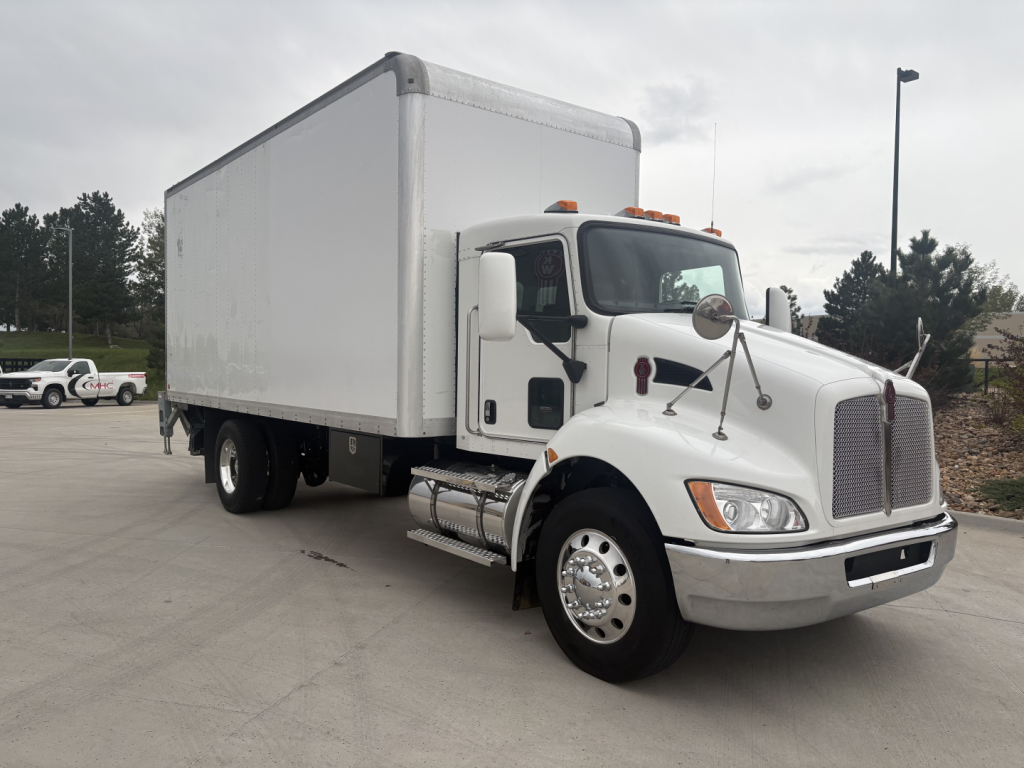
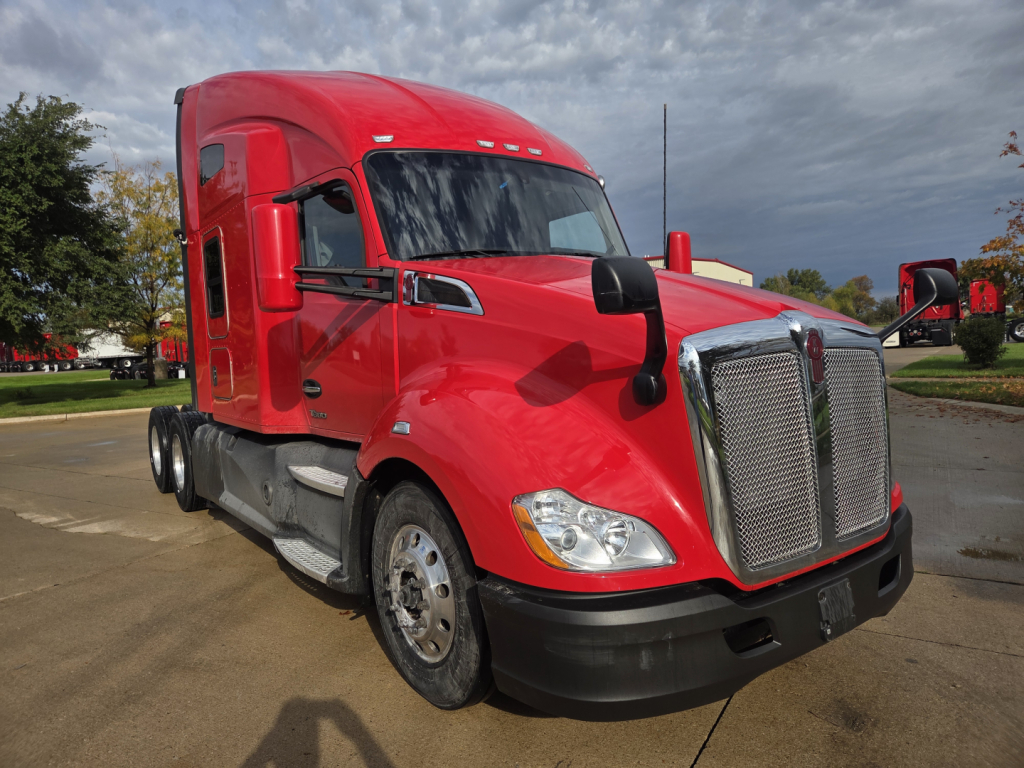
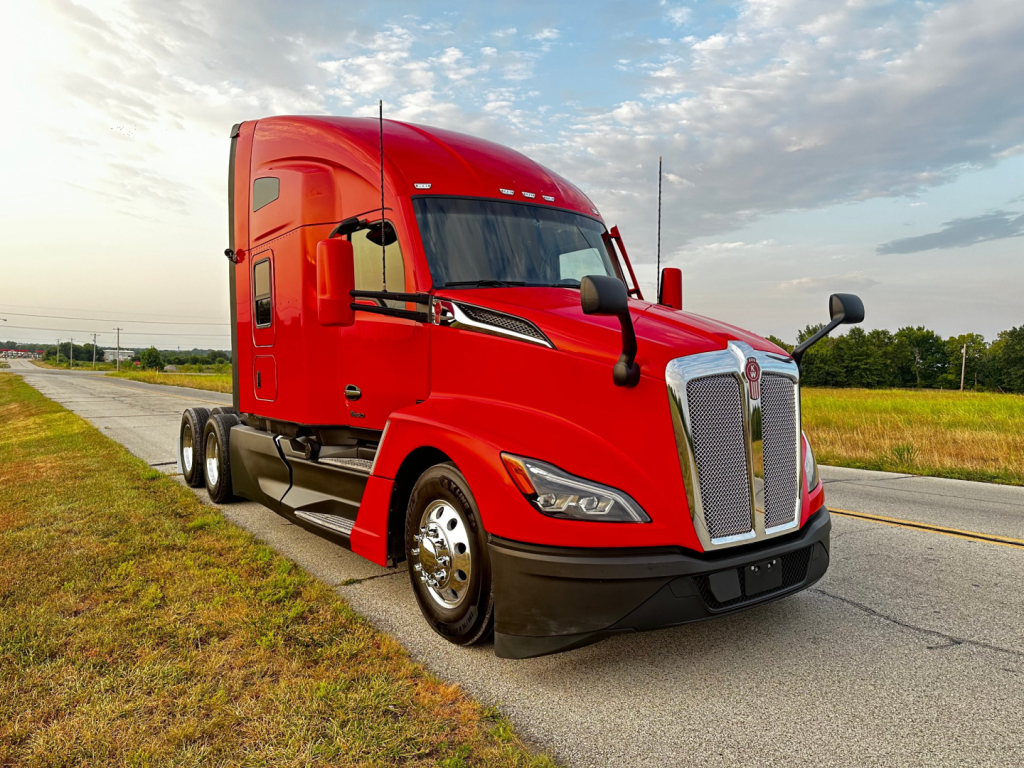
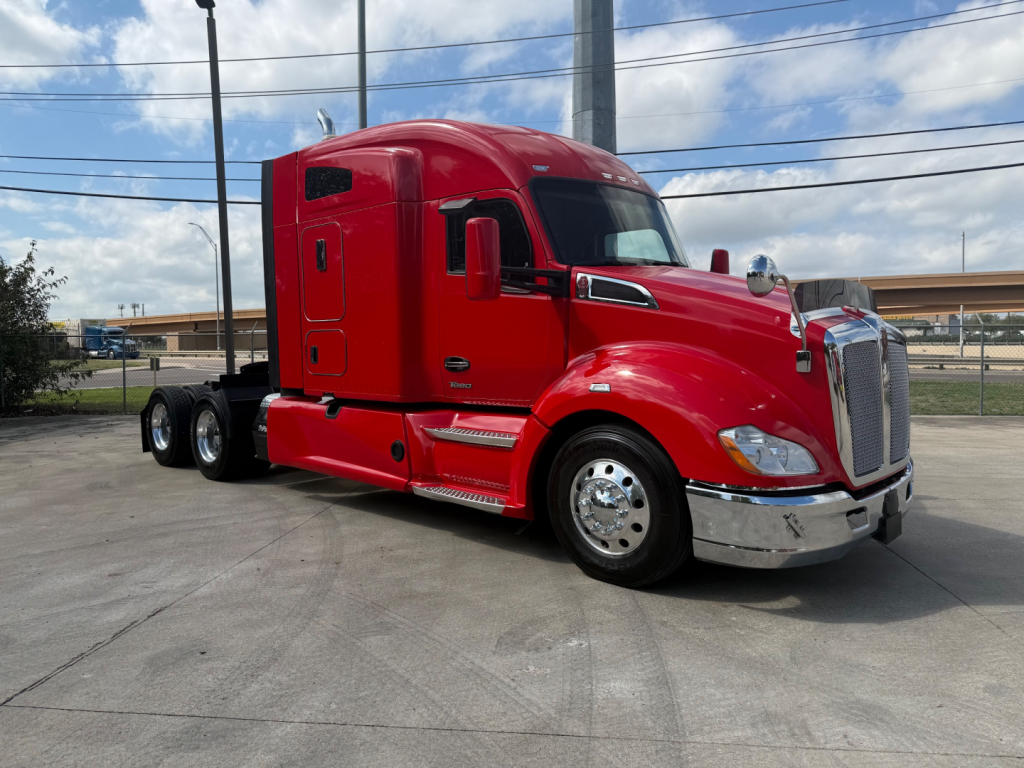
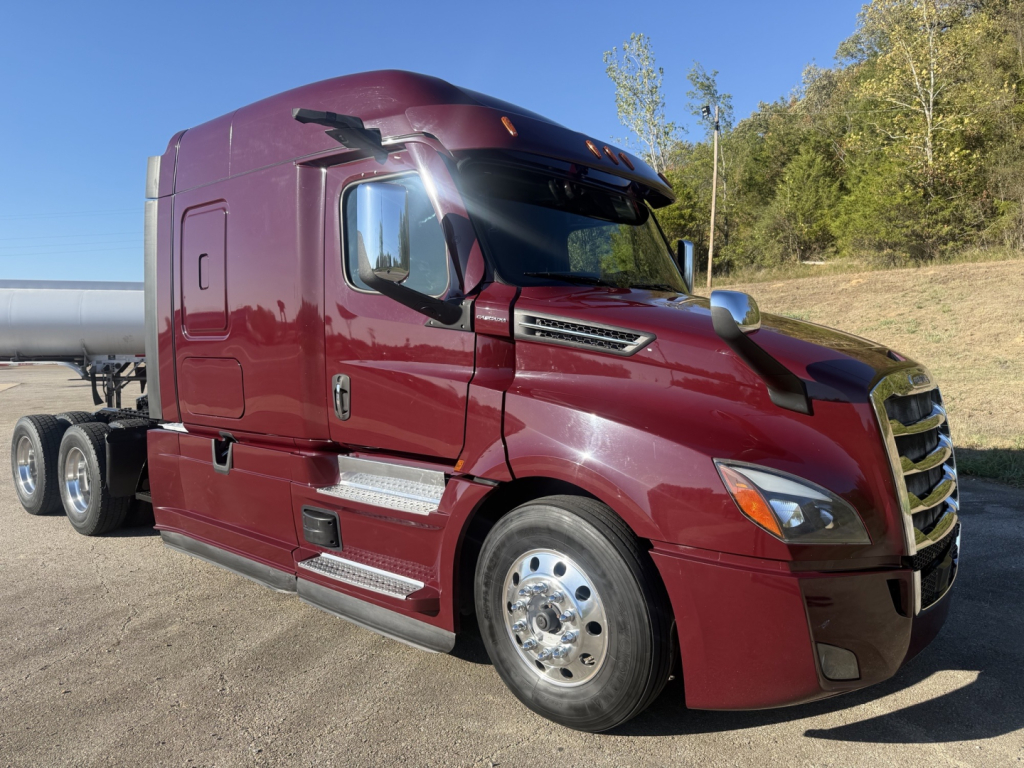
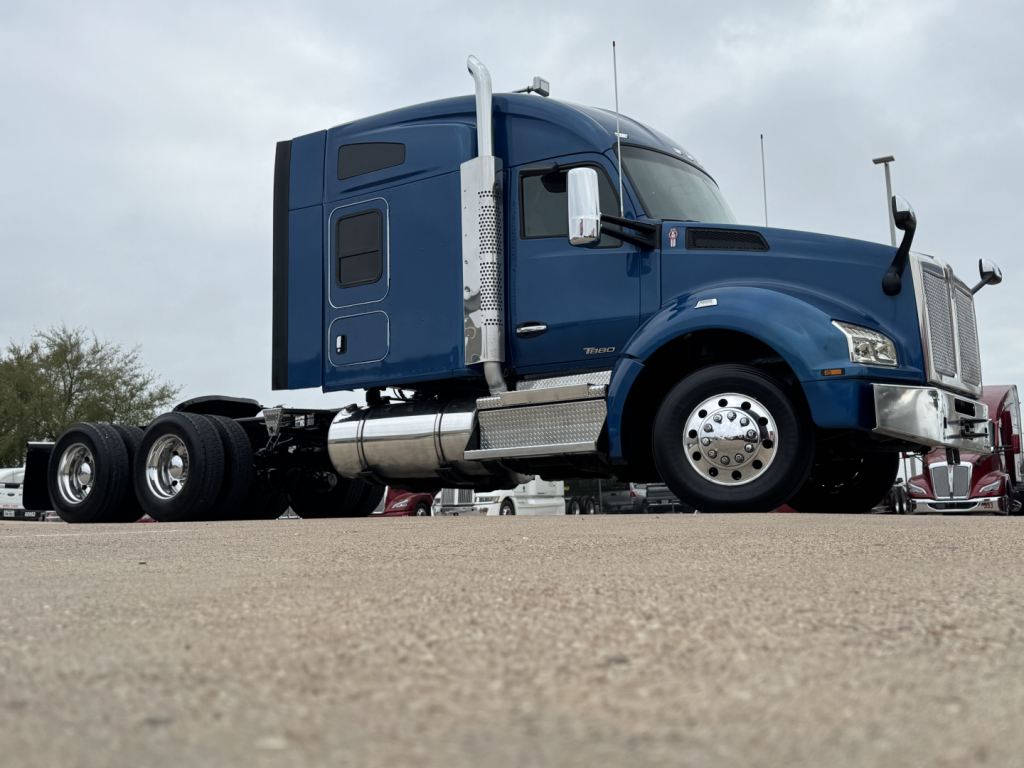
Showing 1 to 28 of 3,460 results
Selling a commercial truck? List your commercial truck for sale and reach thousands of commercial buyers.
Commercial Trucks in Saskatchewan
Saskatchewan operating conditions put extra value on durability and cold-weather readiness. Block heaters, bunk heaters, battery and charging system condition, cab insulation, and dependable HVAC performance matter more here than they do in milder regions. For tractors running long distances across the Prairies, wheelbase, fuel capacity, fairings, and sleeper size affect both operating cost and driver comfort. In vocational service, traction aids, locking differentials, fenders, tire type, and suspension spec can make the difference between a truck that works year-round and one that struggles in mud, snow, or soft approaches.
A buyer comparing used trucks should pay close attention to engine family, emissions system history, transmission model, mileage or engine hours, and service records. On-road trucks commonly feature engines such as the Volvo D13, Cummins X15, or similar heavy-duty platforms paired with automated transmissions like the Volvo I-Shift or other 12-speed AMTs. Key checkpoints include DPF and SCR maintenance, clutch or transmission calibration history, suspension wear, steering play, and the condition of the fifth wheel, tires, brakes, and aluminum or steel wheels. For vocational trucks, crane hours, hoist performance, hydraulic leaks, body condition, boom wear, and frame repairs deserve the same level of scrutiny as the powertrain.
The best truck for sale in Saskatchewan is the one spec'd for the route, payload, and upfit, not just the newest model year. A sleeper tractor for cross-border freight has a different ideal spec than a day cab working short hauls around Regina or Saskatoon, and both differ from a grapple, roll-off, or severe-duty chassis headed to a jobsite. Buyers who focus on GVWR and GCWR requirements, axle ratings, wheelbase, suspension type, engine brake, fuel economy strategy, and cold-weather reliability usually narrow the field faster and end up with a truck that fits the operation instead of forcing the operation to fit the truck.
Frequently Asked Questions about Commercial Trucks in Saskatchewan
What types of trucks are commonly found for sale in Saskatchewan?
The Saskatchewan market typically includes highway tractors, conventional sleepers, day cabs, and a wide range of vocational trucks such as roll-off, grapple, dump, service, and severe-duty chassis. Highway units are usually spec'd for long prairie miles, fuel economy, and winter reliability, while vocational trucks are built around axle capacity, PTO and hydraulic needs, frame strength, and body compatibility.
What should I look for when buying a used semi truck in Saskatchewan?
Start with the powertrain and maintenance history. Confirm engine model, horsepower, transmission type, axle ratio, mileage, engine hours, and any emissions system service involving the DPF, SCR, or EGR components. In Saskatchewan, cold-start performance, heater function, battery condition, tire tread, brake wear, and signs of corrosion from winter road treatment also deserve close inspection. On a highway tractor, check the fifth wheel, suspension, driveline, and steering. On a vocational truck, inspect hydraulics, body mounts, hoist operation, crane wear points, and any frame reinforcement or repair work.
Is a sleeper truck or a day cab better for Saskatchewan hauling?
It depends on lane length and duty cycle. Sleeper trucks make more sense for long-distance freight, cross-provincial runs, and operations where drivers spend nights on the road. They also tend to carry larger fuel capacity and more aerodynamic equipment. Day cabs are better suited to regional routes, city and short-haul work, and operations that prioritize lower tare weight, shorter wheelbase, and easier maneuverability. The right choice comes down to route structure, driver schedule, and payload strategy.
What axle and suspension specs matter most for Saskatchewan truck buyers?
A 6x4 setup is common because it balances traction, load handling, and resale strength across both highway and mixed-service applications. Buyers should compare front axle rating, rear axle capacity, wheelbase, and suspension design based on terrain and payload. Air ride suspension is common on road tractors for ride quality and freight protection, while heavier vocational applications may require more robust vocational air ride or mechanical suspension options. Locking differentials, lift axles, and tire selection become more important when the truck will see jobsite, oilfield, or seasonal road conditions.
How important are cold-weather features on trucks in Saskatchewan?
Cold-weather features are a core buying consideration in Saskatchewan, not an afterthought. Reliable block heaters, strong batteries, proper charging output, fuel heating strategy, bunk heaters on sleeper units, and a well-functioning HVAC system all help reduce downtime and improve winter start reliability. Trucks that are properly spec'd for prairie winters generally hold up better in daily operation and are easier to keep productive during extended cold snaps.