
Commercial Trucks For Sale Near Salt Lake City, Utah
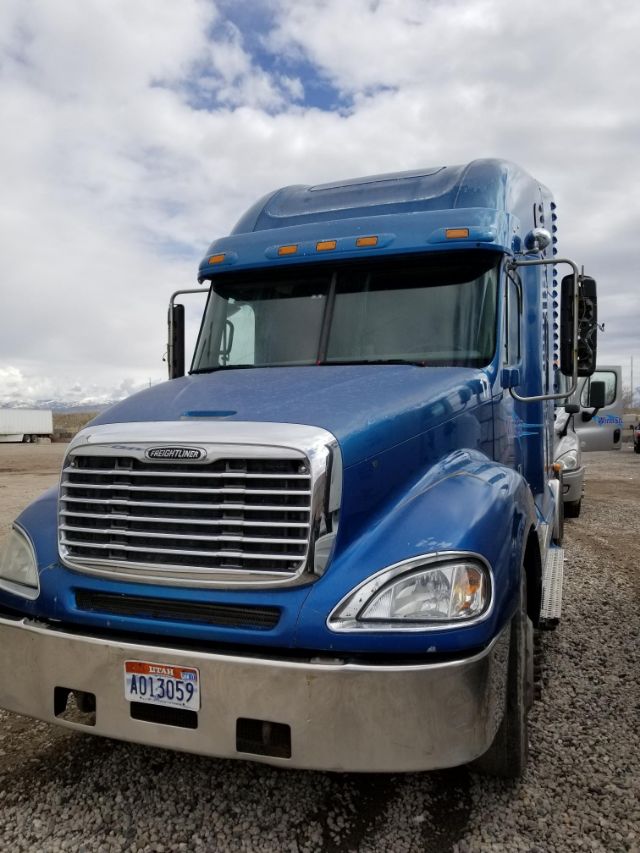
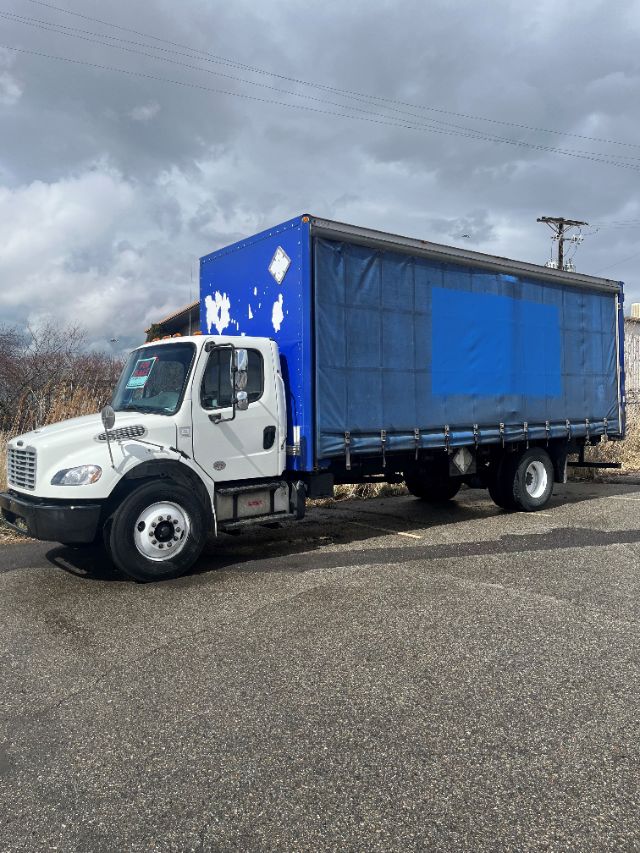
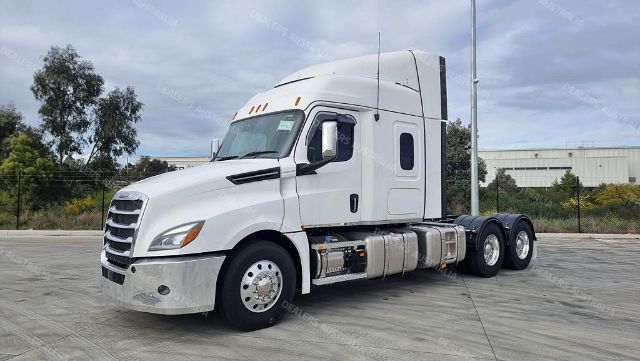
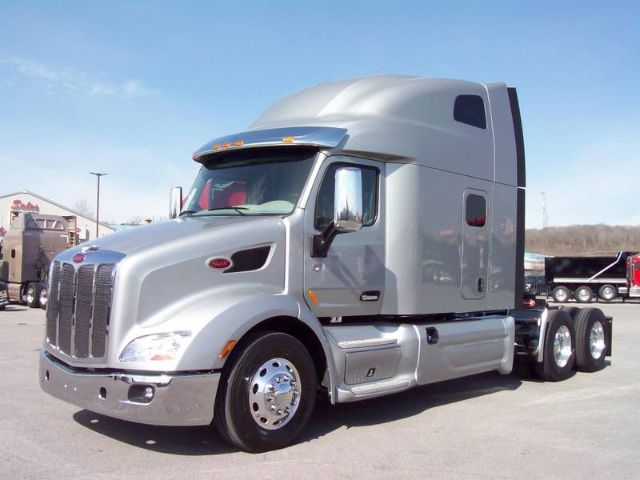

Have commercial truck to sell? List it here to reach thousands of buyers.
Commercial Trucks Near Salt Lake City, Utah
For buyer comparison, focus on GVWR, axle configuration, engine family, transmission type, body dimensions, and PTO-related equipment. On box trucks, cargo length, inside height, door opening, and liftgate rating affect daily productivity more than model year alone. On service or utility trucks, body compartment layout, crane capacity, rust condition, and electrical setup often matter as much as chassis mileage. On road tractors, look closely at sleeper size, rear axle ratio, wheelbase, fifth-wheel position, and emissions system history. In Utah, cooling system condition, tire quality, and brake performance deserve extra attention because elevation changes and temperature swings put more stress on trucks than flat, mild-weather routes.
Diesel engines dominate medium-duty and Class 8 segments because they deliver better torque under load, while gas-powered trucks still make sense in lighter service applications with shorter routes and lower annual miles. Automatic transmissions are common in local delivery and vocational work, while automated manual transmissions are widely used in newer on-highway trucks for fuel economy and driver acceptance. Buyers comparing used trucks should inspect frame condition, suspension wear, body mounting points, DEF and DPF service records where applicable, and signs of hard idle time on utility or fleet units. A clean cab and body are helpful, but maintenance history, tire match, and drivetrain condition usually tell the real story.
Salt Lake City buyers also benefit from thinking about route profile before choosing specifications. Local delivery fleets may prioritize maneuverability, low step-in height, and liftgate access. Construction and service operations may need tool storage, towing hardware, or a crane body. Regional freight operators often put more value on aerodynamics, fuel tank capacity, and sleeper comfort. The broad trucks category includes all of these configurations, so the best purchase is usually the one whose chassis, body, and drivetrain were built for the work instead of adapted to it later.
Frequently Asked Questions about Commercial Trucks Near Salt Lake City, Utah
What types of trucks are commonly included in a trucks for sale category?
This category usually includes pickup-based work trucks, service and utility trucks, box trucks, curtain-side trucks, medium-duty cab and chassis units, and highway tractors. Some listings may also include specialized vocational trucks or truck-and-trailer combinations. The category is broad, so buyers should narrow the search by application, GVWR, body style, and axle setup before comparing price.
What should I check first when buying a used commercial truck?
Start with the truck’s intended job, then verify the chassis and body match that application. After that, review engine hours if available, maintenance records, transmission operation, brake condition, tire wear, suspension components, and any emissions-related service history. On body-equipped trucks, inspect the cargo box, utility compartments, liftgate, crane, or PTO equipment just as carefully as the cab and drivetrain.
Are diesel trucks always better than gas trucks for commercial use?
Not always. Diesel trucks usually make more sense for medium-duty and heavy-duty work because they provide stronger torque, better pulling power, and better efficiency on higher annual miles. Gas trucks can be a good fit for lighter service work, shorter routes, and fleets that want lower upfront cost and simpler maintenance. The better choice depends on payload, route length, idle time, and annual utilization.
What specs matter most on a box truck?
The most important box truck specs are GVWR, wheelbase, box length, inside cargo height, rear door opening, and liftgate capacity if equipped. Buyers should also confirm engine horsepower, torque, transmission type, and rear axle ratio because those affect how the truck performs with a full load. A truck with the right cargo dimensions but the wrong weight rating can create compliance and productivity problems.
Why does location matter when buying a truck in Utah?
Utah operating conditions can be demanding because trucks often see mountain grades, cold starts, dry climate exposure, and wide temperature swings. Buyers should pay close attention to cooling systems, brakes, tire condition, batteries, and any rust or corrosion on utility bodies or box subframes. A truck that performs well on flat local routes may feel under-specced on sustained grades if horsepower, gearing, or brake system condition are marginal.