
Commercial Trucks For Sale Near Salina, Kansas

Have commercial truck to sell? List it here to reach thousands of buyers.
Commercial Trucks Near Salina, Kansas
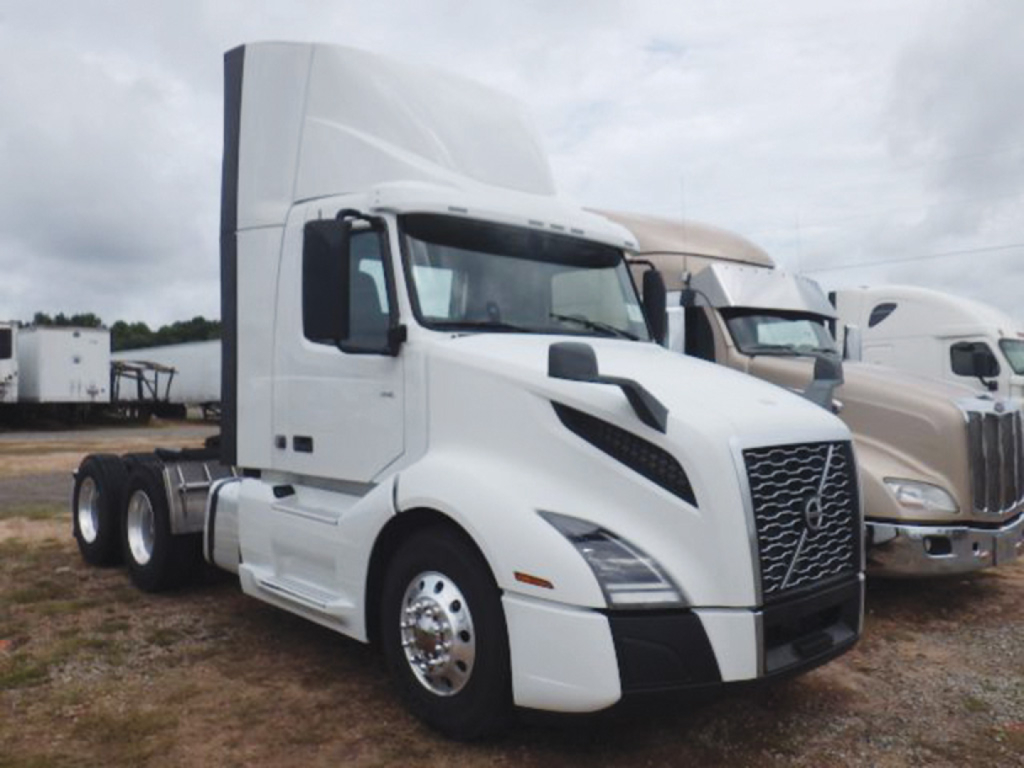
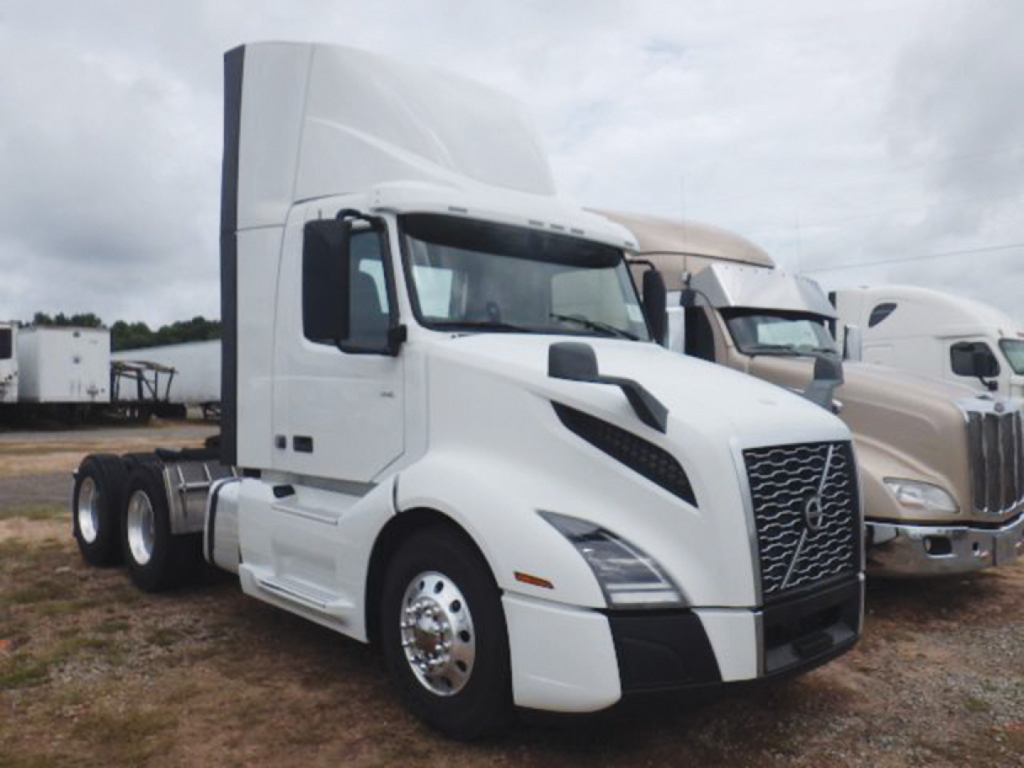
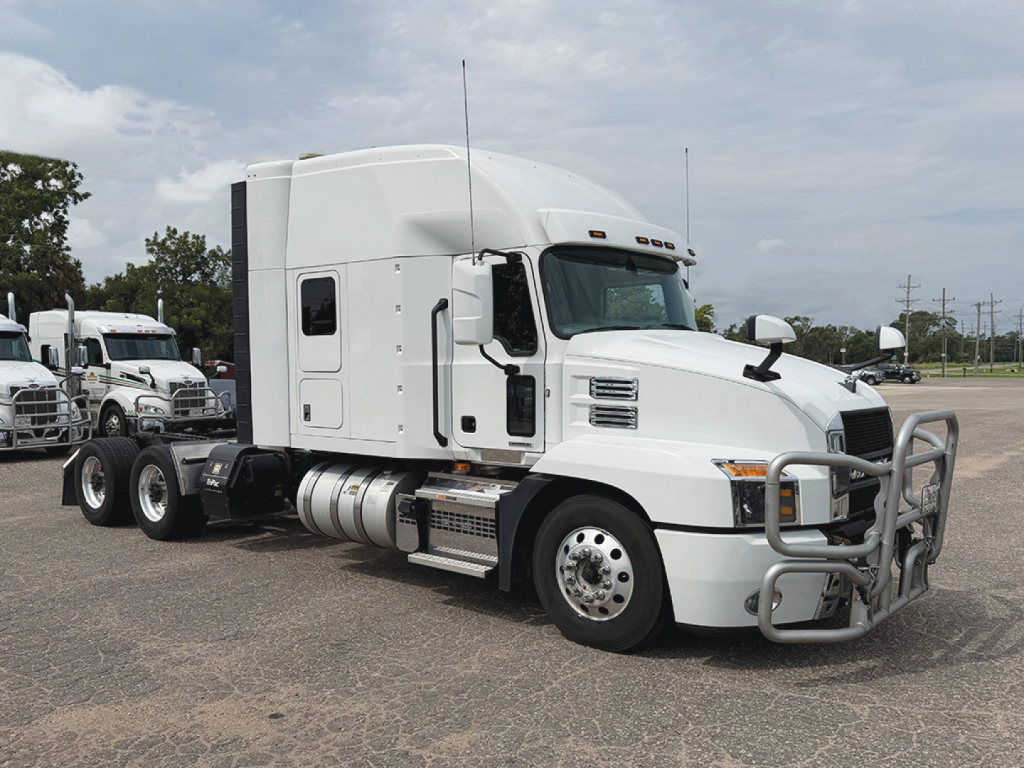
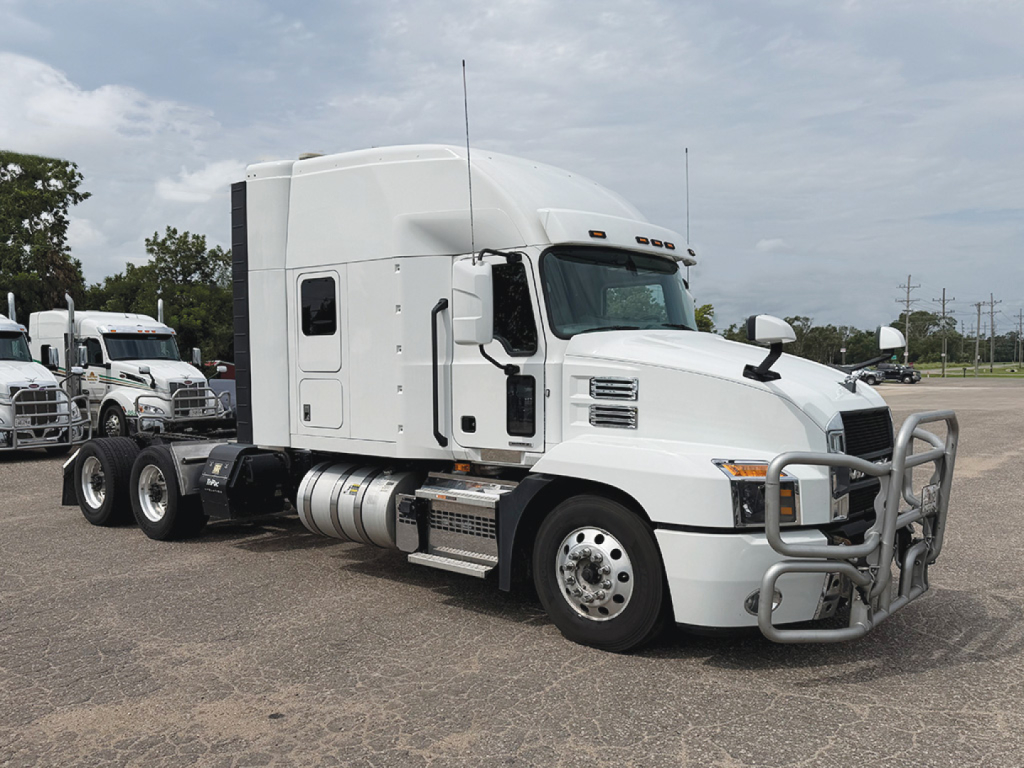
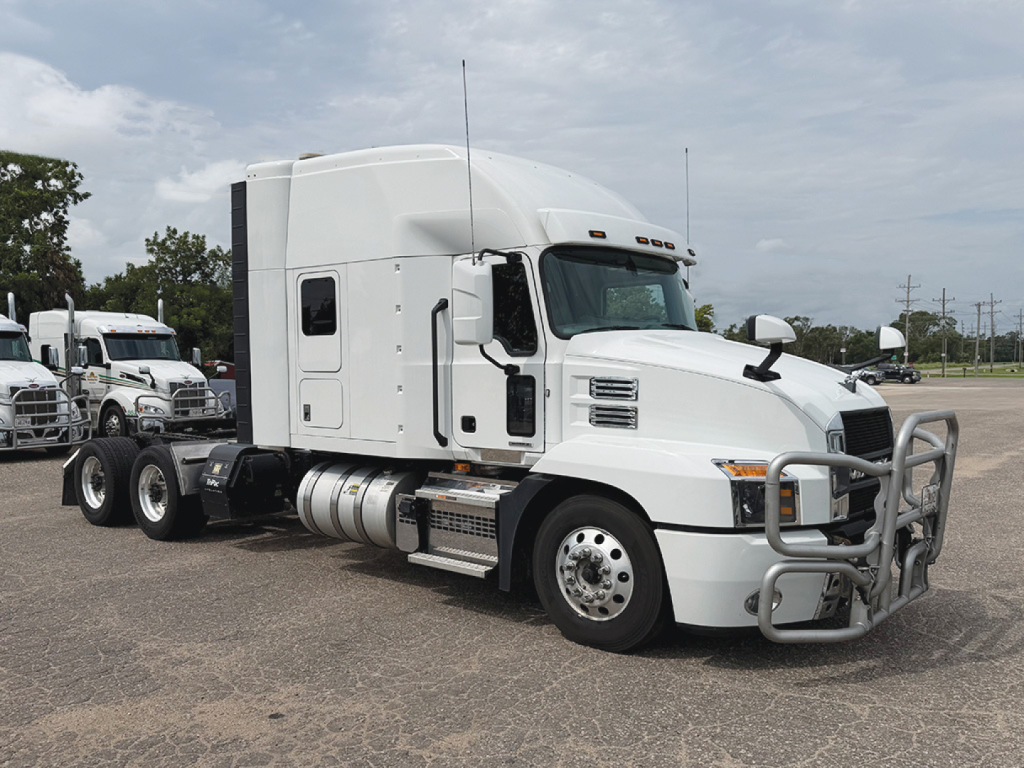
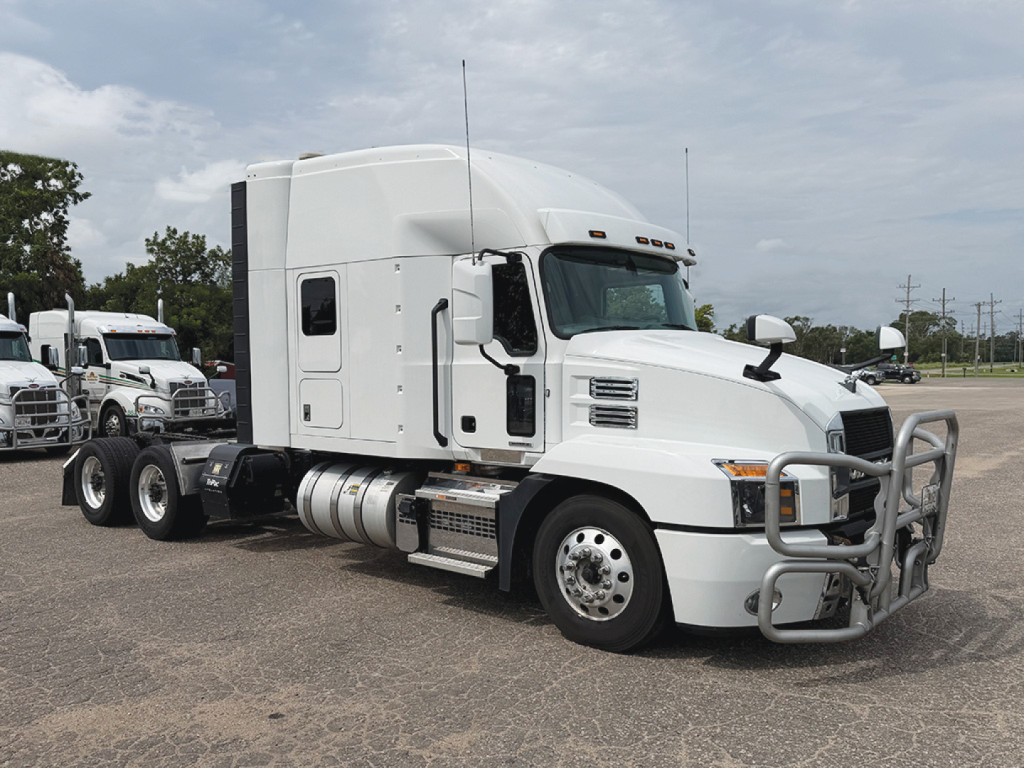
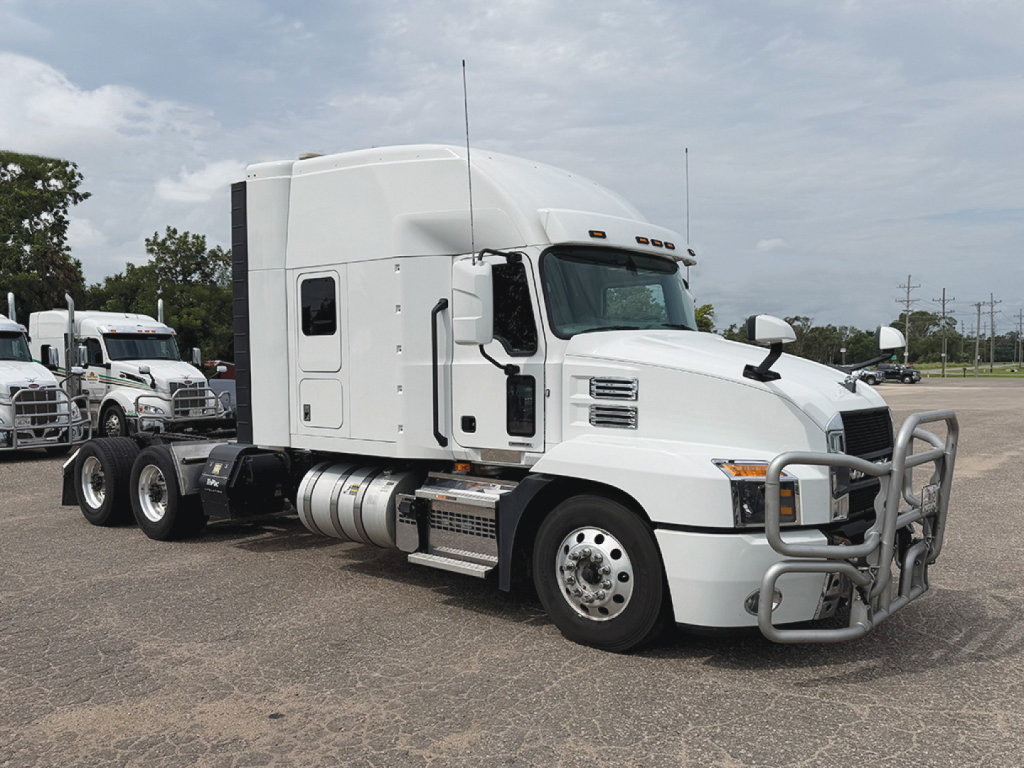
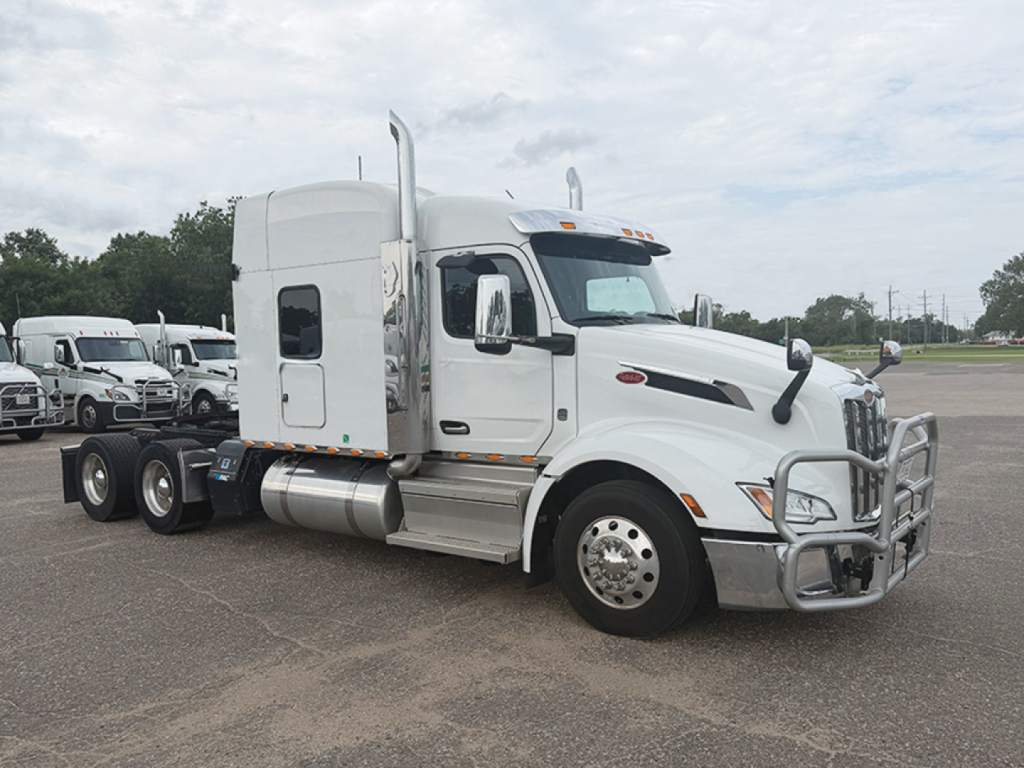
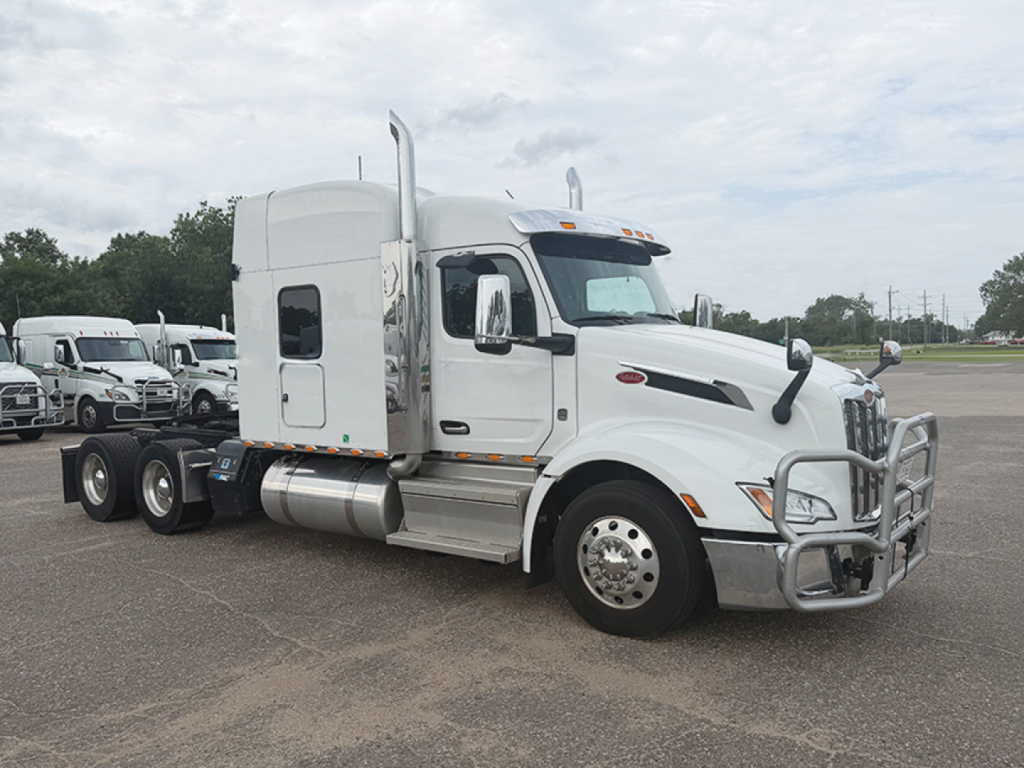
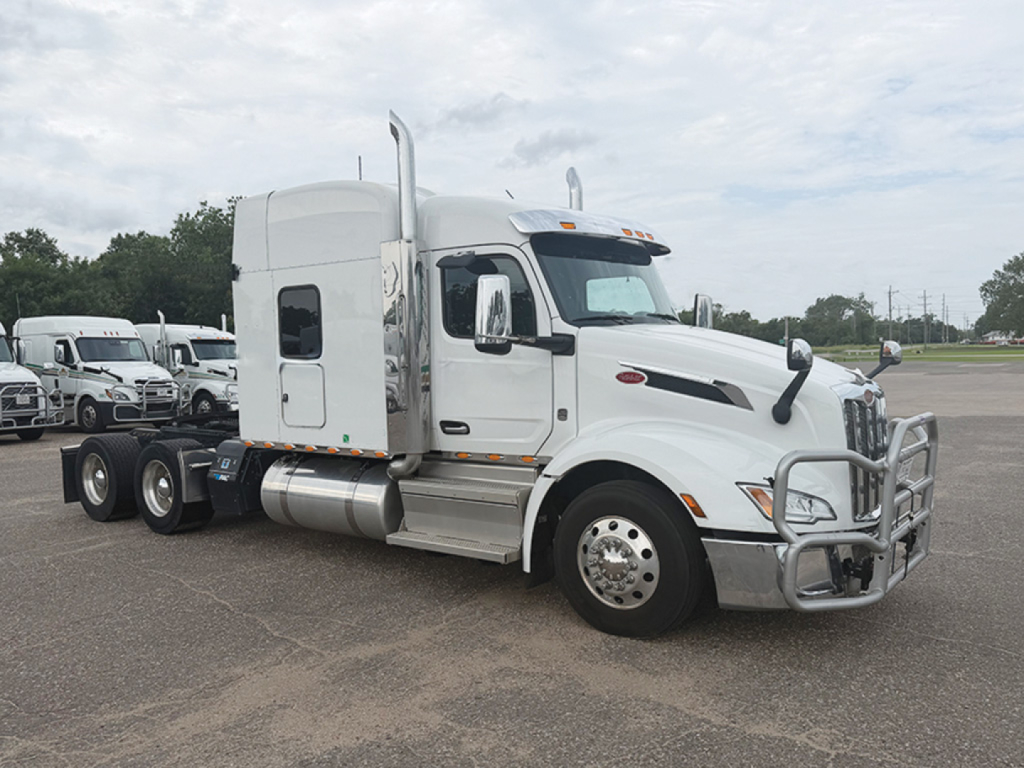
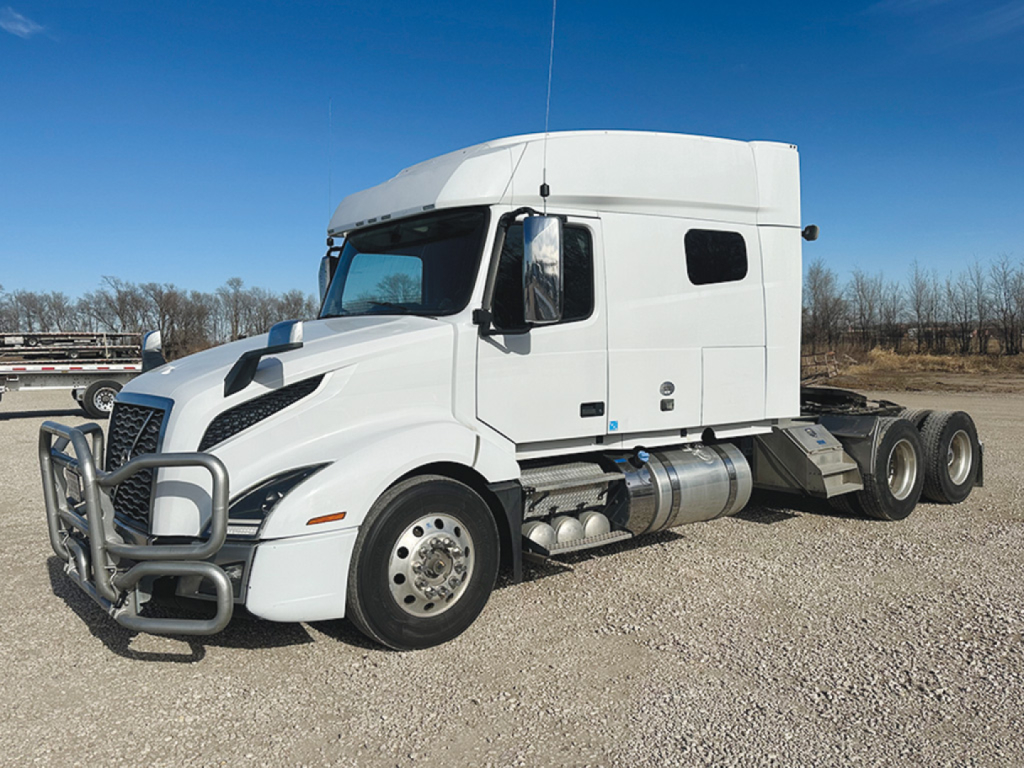
For highway and regional hauling, conventional day cab trucks are built to balance fuel economy, maneuverability, and payload. Common specs in this class include tandem axles, wheelbases around 180 to 233 inches, automated manual or automatic transmissions, and horsepower in the low-400s up to 500-plus for heavier routes. Rear axle ratios matter more than many buyers expect. A 2.79 or 3.08 ratio typically favors fuel mileage and road speed, while a 3.55 or 3.73 ratio gives better startability and pulling power for heavier loads, hill country, or frequent stop-and-go work. Buyers should also pay attention to front axle capacity, fifth-wheel setup, and suspension type, especially if the truck will see mixed trailer weights or rougher yard conditions.
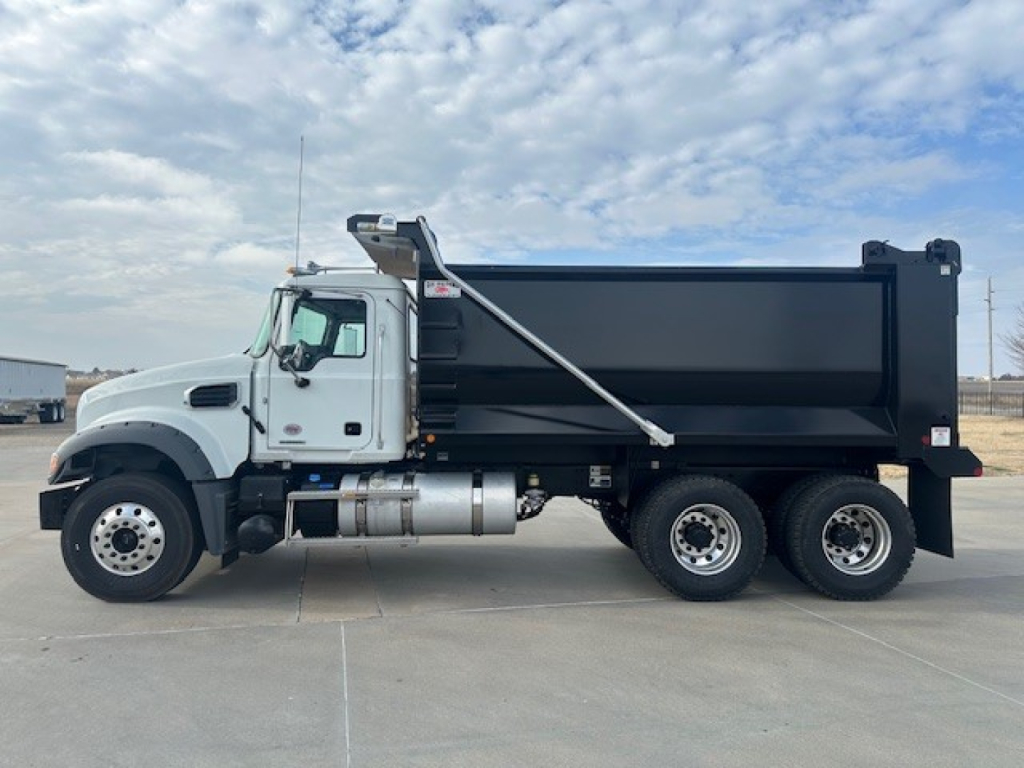
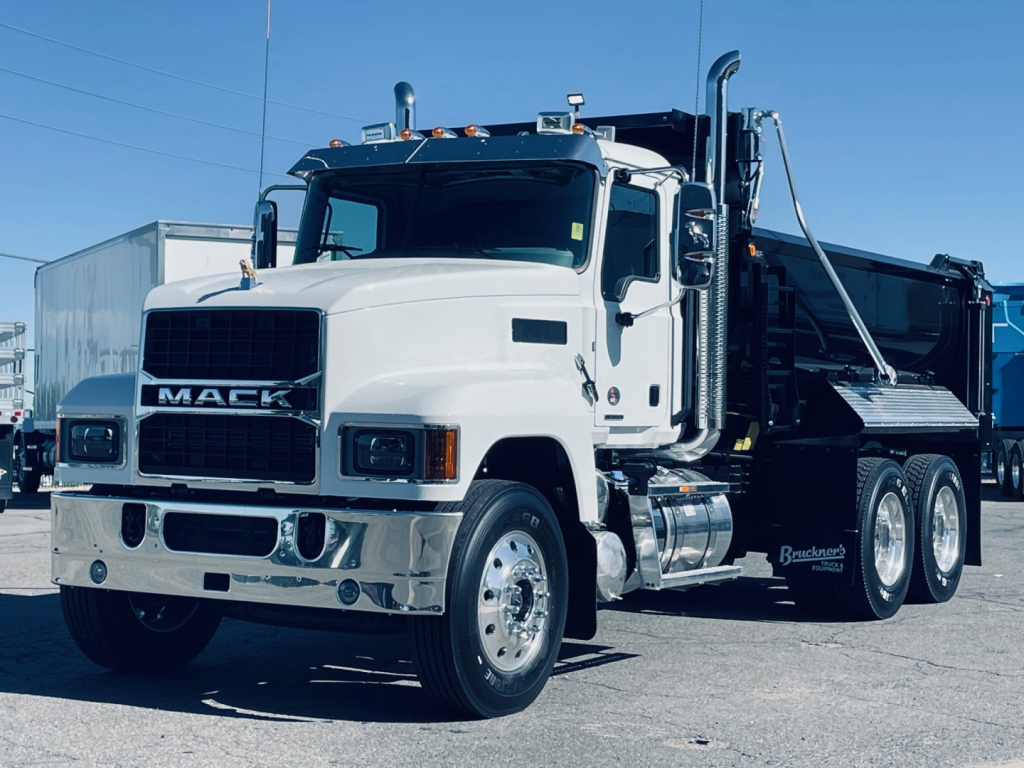
Vocational trucks such as dumps and roll-offs require a different buying approach. These trucks often carry heavier front axles, higher GVWRs, shorter or purpose-built wheelbases, and more aggressive gearing to support PTO-driven equipment, body weight, and jobsite traction. A dump truck may use a heavy-duty rear suspension and higher horsepower engine to handle off-road conditions, deep aggregate loads, and repeated starts on grades. A roll-off truck typically needs the correct axle spread, frame strength, and transmission programming for smooth body operation and container handling. In these applications, buyers should verify hoist or hooklift integration, body length, suspension design, rear axle rating, and whether the truck is spec'd for legal payload in the states where it will run.
Salina sits in a practical corridor for agriculture, construction, municipal work, and regional freight, so truck specs that handle both highway time and secondary roads are especially relevant. In Kansas, wind exposure, seasonal weather, and long stretches between stops can make powertrain efficiency, cooling capacity, tire selection, and driver comfort more important than they look on paper. New trucks may appeal to buyers who want emissions warranty coverage, current safety technology, and custom vocational spec choices. Used trucks can make sense when maintenance history, engine hours, transmission performance, and suspension wear are well documented. Across any class, the smartest comparison points are engine rating, transmission type, axle capacities, wheelbase, rear ratio, suspension, and how well the truck's original spec matches the job you need it to perform.
Frequently Asked Questions about Commercial Trucks Near Salina, Kansas
What type of truck is best for local and regional hauling in Salina, Kansas?
A conventional day cab is often the best fit for local and regional hauling because it offers a good mix of maneuverability, lower empty weight, and operating efficiency. Buyers should focus on horsepower, rear axle ratio, wheelbase, and suspension setup. Trucks geared with lower numerical ratios such as 2.79 or 3.08 are usually better for fuel-efficient highway work, while higher ratios such as 3.55 or 3.73 are better suited to heavier loads, more frequent starts, and mixed terrain.
How do I choose between a dump truck and a roll-off truck?
The choice comes down to material handling and route pattern. A dump truck is designed to haul and unload bulk material such as dirt, rock, asphalt, or demolition debris by raising the body. A roll-off truck is designed to pick up, transport, and set down containers for waste, scrap, or site cleanup. Dump trucks are typically the better fit for repetitive haul cycles with loose material, while roll-off trucks are better for container service, demolition support, and municipal or commercial waste operations.
Why does rear axle ratio matter when buying a truck?
Rear axle ratio directly affects startability, cruising RPM, grade performance, and fuel economy. A lower numerical ratio generally reduces engine speed at highway cruise and can improve efficiency in linehaul or regional service. A higher numerical ratio gives the truck more mechanical advantage when starting heavy loads, climbing grades, or operating in vocational service. The best ratio depends on the transmission, tire size, engine torque curve, and the actual weight and terrain the truck will see.
What specs are most important on a vocational truck?
For a vocational truck, buyers should prioritize axle ratings, GVWR, frame strength, wheelbase, suspension type, transmission configuration, and PTO compatibility. Front axle capacity is especially important on trucks that carry body equipment or see concentrated front-end loading. Suspension choice affects traction, ride, and body stability. The truck also needs to be matched correctly to the body or equipment it carries, including dump body dimensions, roll-off hoist requirements, and legal bridge or axle rules in the operating area.
Is a used truck a smart buy for fleet or owner-operator work?
A used truck can be a very practical purchase when the spec is right and the service history is strong. The key is to evaluate engine hours, maintenance records, fault code history, transmission operation, suspension wear, brake condition, and signs of frame or body stress. For vocational units, body condition and hydraulic performance are just as important as the chassis. For highway trucks, buyers should look closely at driveline condition, fuel economy spec, and evidence that the truck's previous application matches the work it will do next.