
Trucks For Sale Near Saint Marys, Ohio
Browse trucks for sale in Saint Marys, OH, including work trucks with diesel power, vocational bodies, utility upfits, and medium-duty specs.
Learn more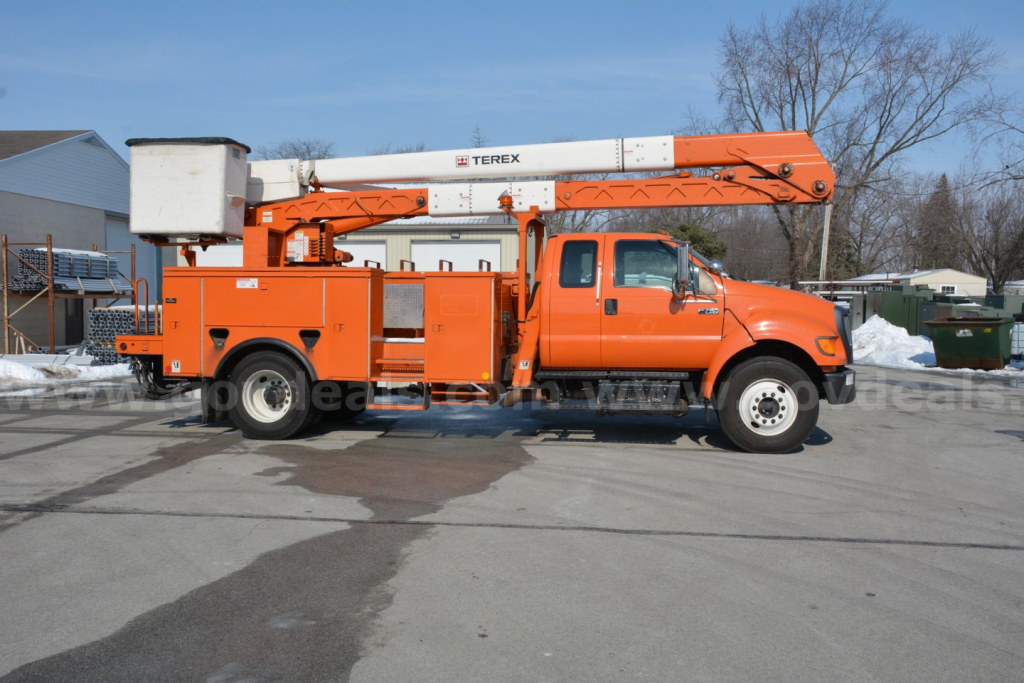
Have truck to sell? List it here to reach thousands of buyers.
About Trucks Near Saint Marys, Ohio
For vocational truck buyers, the body and equipment package usually matter as much as the cab and chassis. Utility and bucket trucks, service trucks, dumps, flatbeds, van bodies, and hooklift setups all place different demands on the frame, suspension, and powertrain. On bucket trucks in particular, boom manufacturer, platform capacity, working height, side reach, and hydraulic condition are critical. A truck may present well cosmetically but still need expensive work in outriggers, controls, PTO operation, or dielectric certification. If the truck is intended for utility line work, tree work, sign service, or municipal maintenance, confirm the boom specs and safety documentation before comparing price alone.
Powertrain choices in this category typically include diesel engines paired with automatic transmissions, especially on medium-duty and vocational units that spend time in stop-and-go service. That setup tends to suit crews running local routes, work zones, and municipal assignments. Buyers in Ohio often look closely at rust, frame condition, brake lines, crossmembers, cab mounts, and underbody corrosion due to seasonal road treatment. Service history matters on any used truck, but it is especially important on units with engine idle hours, PTO hours, hydraulic systems, or specialized equipment that may have seen heavy stationary use even if the odometer looks moderate.
A good truck purchase comes down to application fit, not just model year or badge. Compare turning radius, cab style, visibility, suspension capacity, tire size, and parts support along with the body or mounted equipment. If the truck will run local commercial work around Saint Marys or wider western Ohio routes, make sure the spec supports legal payload, crew needs, and service access. The strongest value in this category usually comes from trucks with clear maintenance records, usable remaining life in the vocational equipment, and a chassis spec that does not force compromises once the truck is on the job.
Frequently Asked Questions
What should I check first when buying a used commercial truck?
Start with the truck’s intended job and verify the chassis can support it. GVWR, front and rear axle ratings, wheelbase, cab-to-axle, engine output, transmission, and brake setup should all match the body or equipment being carried. After that, inspect frame condition, suspension wear, tire condition, service records, and any signs of corrosion or previous repair. A truck that is mechanically sound but incorrectly spec’d for the work can become more expensive than a higher-priced truck that fits the application from day one.
Are medium-duty trucks like the Ford F-750 a good fit for vocational work?
Yes, medium-duty trucks are widely used for vocational work because they offer a practical combination of payload capacity, PTO compatibility, and maneuverability. They are common in utility, municipal, landscaping, service, towing, and construction applications. A platform like an F-750 can support specialized bodies such as bucket trucks, flatbeds, van bodies, and dumps, but the exact fit depends on axle ratings, frame spec, and wheelbase. Buyers should confirm that the truck was built for the intended body rather than assuming all trucks in the same model line are interchangeable.
What matters most on a used bucket truck?
On a used bucket truck, the boom and hydraulic system are just as important as the engine and transmission. Key items include working height, side reach, platform capacity, boom manufacturer, outrigger operation, PTO engagement, control function, and structural condition of the boom and body. Maintenance records, inspection history, and dielectric testing documentation are also important for many utility-related applications. A low-mile chassis does not automatically mean low wear if the unit has spent years operating stationary equipment through PTO and hydraulic cycles.
How important is rust inspection on trucks in Ohio?
Rust inspection is extremely important for trucks in Ohio because road salt and winter exposure can accelerate corrosion on frames, crossmembers, brake lines, fuel system components, cab mounts, and body supports. Surface rust is common on used work trucks, but advanced scaling, flaking metal, and poorly repaired corrosion can affect safety and long-term operating cost. Buyers should inspect the undercarriage closely and not rely only on exterior appearance. In many cases, underbody condition tells more about remaining service life than paint or interior condition.
Should I focus more on mileage or hours on a work truck?
Both matter, but on vocational and utility trucks, hours can be just as important as mileage. A truck used for PTO-driven equipment, hydraulic operation, or jobsite idling may accumulate significant engine and component wear without adding many road miles. Bucket trucks, service trucks, and municipal units often fall into this category. The best evaluation looks at odometer reading, engine hours if available, PTO or hydraulic usage, maintenance intervals, and the overall condition of the chassis and mounted equipment together.