
Commercial Trucks For Sale Near Saint Edward, Nebraska
Have commercial truck to sell? List it here to reach thousands of buyers.
Commercial Trucks Near Saint Edward, Nebraska
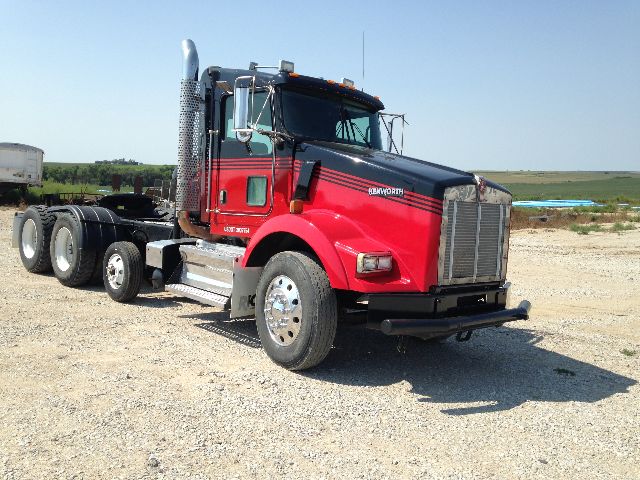
Chassis and axle configuration should match the trailer and route. A 6x4 day cab with 40k tandem, interaxle power divider, and driver-controlled diff locks is a solid fit for grain, livestock, or flatbed around Boone County. Sliding fifth wheels and common fifth wheel heights in the 47 to 50 inch range help balance weight with different kingpin settings. For dumps and ag tanks, look for double-frame rails, heavy-duty crossmembers, full locking differentials, and a PTO or wet kit. Air ride suspensions protect livestock and fragile freight, while walking beam or Hendrickson rubber block setups add durability on rough field approaches. Spec wheelbase with bridge and turning needs in mind, and verify axle spreads and pin settings against the intended trailer.
Efficiency and uptime matter on windy Nebraska highways. Aero packages, chassis skirts, and low rolling resistance tires can trim fuel burn, and tire inflation systems keep casings alive on long county-road runs. Disc brakes reduce stopping distance and maintenance time compared to drums. Cold-weather packages with block heaters, heated fuel lines, and winter front options pay off when temperatures swing. On emissions-era diesels, review DPF and SCR service history, look for clean forced-regen logs, and check sensors and doser operation to avoid surprises.
Applications around Saint Edward range from seasonal grain to livestock, fertilizer and chemical, reefer, and steel or lumber flatbed. For elevator and plant access, a tighter wheelbase improves maneuverability, but keep bridge and payload in balance. Livestock and reefer haulers often prioritize lighter components to add payload, while side dump and feed deliveries call for higher axle ratings and tougher suspensions. Consider dealer and parts support along US 81 and the I-80 corridor when choosing engine families like Cummins, Detroit, or PACCAR and common makes such as Freightliner, Kenworth, Peterbilt, International, and Volvo. A spec that fits the lane and the trailer will run cleaner, turn better, and hold value longer in the Midwest.
Frequently Asked Questions about Commercial Trucks Near Saint Edward, Nebraska
What engine size and axle ratio work best for regional hauls in Nebraska?
For most regional and ag freight, a modern 13 liter with 1,550 to 1,750 lb-ft pairs well with 2.64 to 3.08 ratios, depending on tire size and cruise speed. Long-haul aero sleepers running 65 to 70 mph often favor 2.47 to 2.64 for low rpm cruising. Heavy vocational, side dump, and frequent stop-and-go routes benefit from 3.08 to 3.36 and higher torque. Match the ratio to your actual cruise speed, terrain, and GCW, and verify that top gear ratio in the transmission aligns with your target rpm band.
How should I spec a truck for grain or livestock work around Saint Edward?
A 6x4 day cab with 40k tandem, interaxle lock, and driver-controlled diff locks handles gravel approaches and field entrances well. Air ride suspensions help protect livestock and sensitive cargo, while walking beam or heavy rubber block suspensions add durability for rougher access. Consider a sliding fifth wheel, aluminum wheels to save weight, and a wet kit if you plan to pull hydraulically driven ag trailers. Keep wheelbase manageable for co-op and elevator yards while staying compliant with bridge requirements.
What should I look for on emissions systems when evaluating a used truck?
Review DPF and SCR maintenance records, including ash cleanouts, doser replacement, and any NOx or DEF sensor history. Scan the ECM for inactive and active fault codes, regen frequency, and parked-regen events. Inspect for exhaust leaks upstream of the aftertreatment, verify DEF quality and injector function, and check that coolant and oil consumption are within spec. A brief loaded test drive to confirm stable regen behavior and proper turbo response is worthwhile.
Are automated manual transmissions a good choice for winter and mixed rural routes?
Modern AMTs perform well in cold climates if paired with the correct calibrations and a vocational or off-road mode. They reduce clutch wear in stop-and-go and maintain consistent shifts on slick surfaces. For frequent soft-field starts or heavy site work, add driver-controlled diff locks and consider a slightly deeper axle ratio. Keep software current and use cold-weather fluids to support shift quality in subfreezing temperatures.
How do length and weight rules influence wheelbase and axle spacing in Nebraska?
Bridge law and trailer type drive wheelbase and axle spread decisions. A sliding fifth wheel and the correct kingpin setting help position load over the drives, and a suitable wheelbase preserves turning clearance for co-ops and plant yards. Legal limits vary by route and permit, so confirm current state and local requirements, then select axle ratings, suspensions, and wheelbase that balance bridge compliance, payload, and maneuverability.