
Trucks For Sale Near Saint Charles, Illinois
Browse trucks for sale in Saint Charles, IL including medium-duty work trucks and highway tractors for hauling, service, dump, and fleet use.
Learn more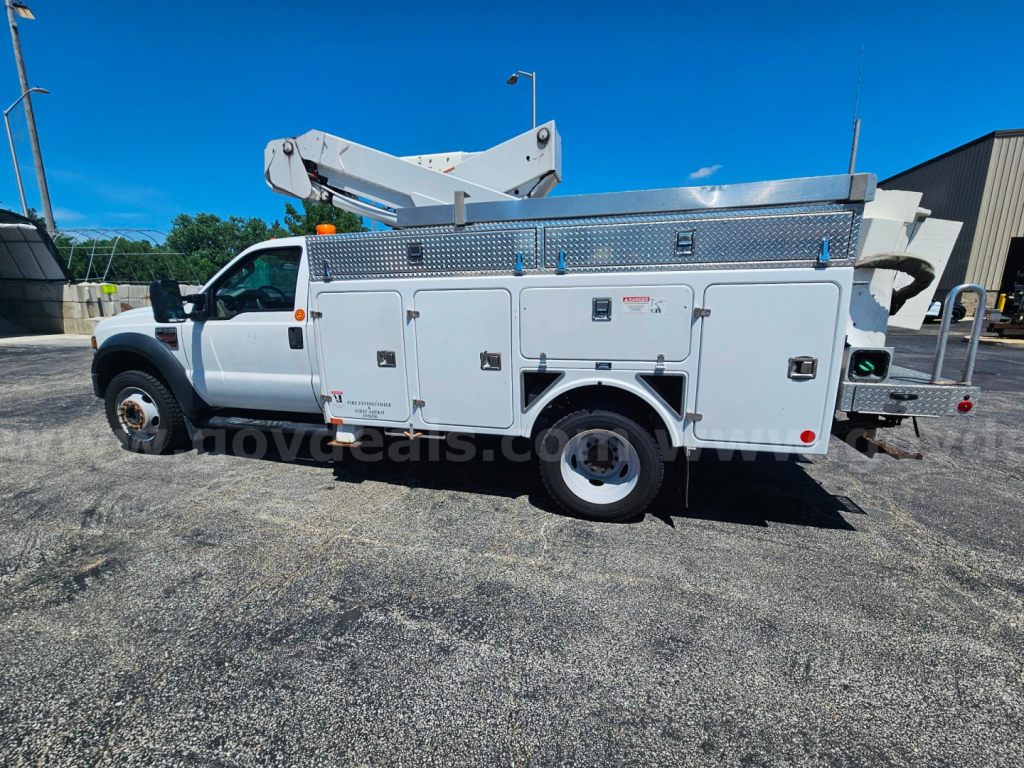

Have truck to sell? List it here to reach thousands of buyers.
About Trucks Near Saint Charles, Illinois
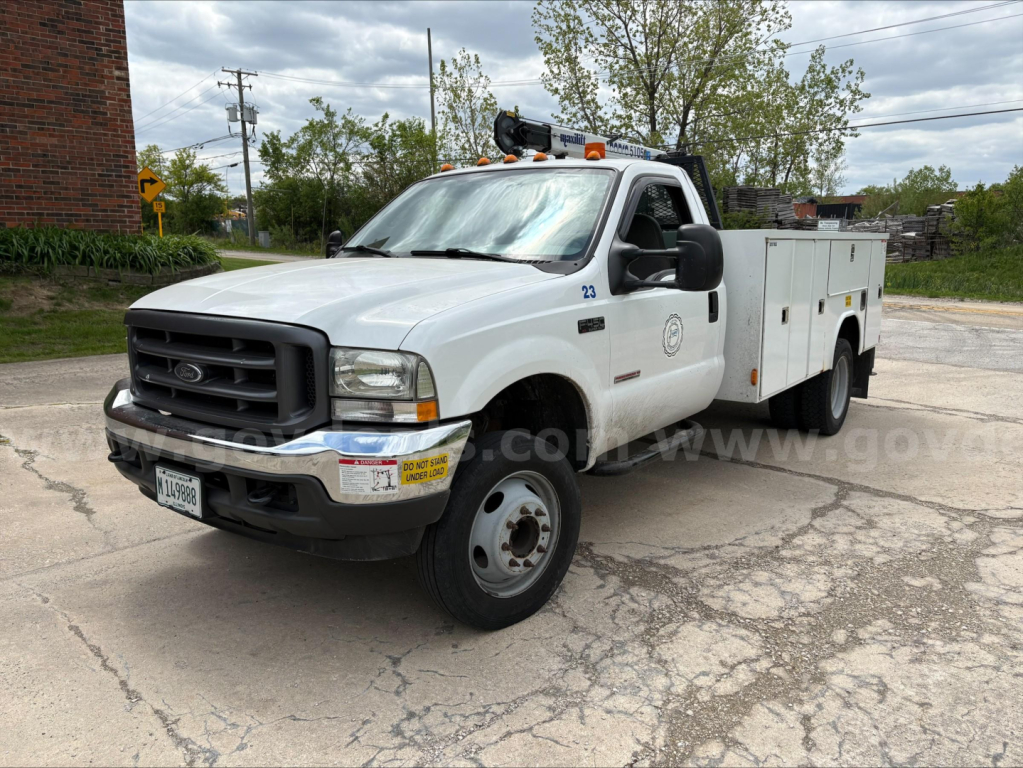
For vocational truck buyers, the important details are usually the upfit and the truck's remaining working life under load. Dump bodies need close inspection at the floor, hoist, hinge points, and cab shield, especially in Midwest service where rust at bed crossmembers, cab corners, rockers, and underbody components is common. Service and utility trucks should be checked for PTO operation, crane function, outriggers, compartment condition, inverter or compressor setup, and any signs of frame modification. Bucket trucks add another layer, with buyers reviewing boom height, platform capacity, dielectric testing records if applicable, hydraulic condition, and chassis engine hours in addition to mileage. On these trucks, low miles do not always mean light use, because idle time and PTO hours matter.
For sleeper and day cab tractor shoppers, the core buying points are engine platform, transmission, axle ratio, suspension, wheelbase, and emissions history. A truck like a conventional sleeper is designed around fuel economy, driver comfort, and linehaul durability, so buyers typically compare engine family, manual versus automated transmission, tandem specs, and maintenance records before they compare appearance. Mileage is only part of the story. A well-documented tractor with consistent service, good tires, proper gearing, and no unresolved aftertreatment issues can be the better value than a lower-mile truck with gaps in its history. If the truck will run Midwest regional lanes, it also pays to evaluate corrosion at frame rails, crossmembers, battery boxes, air tanks, and cab mounts.
In a market like Saint Charles, many used trucks come from municipal, contractor, utility, and private fleet service, so buyers should match the truck's prior duty cycle to the job ahead. A former government unit may show low mileage but high engine hours from idling, hydraulic work, or jobsite use. A fleet road tractor may have higher mileage but more predictable maintenance intervals. The best purchase is usually the truck whose GVWR, body configuration, powertrain, and service history line up with the work you need done now, not the one with the broadest spec sheet. Pay close attention to CDL requirements, brake type, 4x2 versus 4x4 configuration, body payload, and the cost of bringing rust, tires, hydraulics, or emissions systems up to your standard after purchase.
Frequently Asked Questions
What is the difference between a vocational truck and a highway tractor?
A vocational truck is built for work at the jobsite or on local routes and is commonly equipped with a dump body, service body, crane, utility body, or bucket. These trucks prioritize PTO capability, frame durability, axle capacity, and body integration. A highway tractor is built to pull a semi-trailer and is optimized for sustained road speeds, fuel economy, driver comfort, and over-the-road or regional freight service. The right choice depends on whether the truck will carry equipment on its own chassis or pull freight behind a fifth wheel.
What should buyers inspect first on a used dump or utility truck in Illinois?
Start with rust, body condition, and the working equipment. In Illinois and the broader Midwest, corrosion can affect cab corners, rocker panels, dump bed crossmembers, hoists, hinges, frame rails, brake lines, and electrical connections. On a dump truck, cycle the hoist and inspect the bed floor, tailgate, and hydraulic system. On a utility or service truck, check the compartments, PTO, crane or boom operation, outriggers, and any auxiliary power setup. Cosmetic wear matters less than structural corrosion and proper operation of the upfit.
Are engine hours important on trucks with low mileage?
Yes. Engine hours are especially important on bucket trucks, service trucks, crane trucks, and municipal units because these trucks may spend long periods idling or operating hydraulic equipment without accumulating many road miles. A low-mileage truck with high engine hours can show wear similar to a higher-mileage truck, particularly in the engine, turbocharger, emissions system, and PTO-related components. Buyers should review both miles and hours together and compare them to maintenance records and actual truck condition.
What specs matter most when buying a used sleeper tractor?
The most important specs are engine make and rating, transmission type, axle ratio, suspension, wheelbase, rear axle capacity, and emissions system history. These determine how the truck performs under load, what fuel economy it can realistically deliver, and how well it fits your lanes and trailer weights. Buyers should also review tire condition, brake wear, frame corrosion, cab condition, and service documentation. A tractor with the right gearing and a documented maintenance history is usually more valuable than one chosen on mileage alone.
How do I know if a truck requires a CDL?
CDL requirements are generally tied to gross vehicle weight rating, gross combination weight rating, air brakes, and the type of work being performed. Many medium-duty trucks can cross into CDL territory once body equipment, payload, or trailer use is factored in. A dump truck, utility truck, or tractor may also require endorsements or compliance considerations depending on how it is operated. Buyers should verify the truck's GVWR, brake system, and intended use before purchase so the truck matches available drivers and regulatory needs.