
Commercial Trucks For Sale Near Sacramento, California
Shop trucks for sale in Sacramento, CA. Compare day cabs, sleepers, vocational trucks, engines, axles, GVWR, and body configurations.
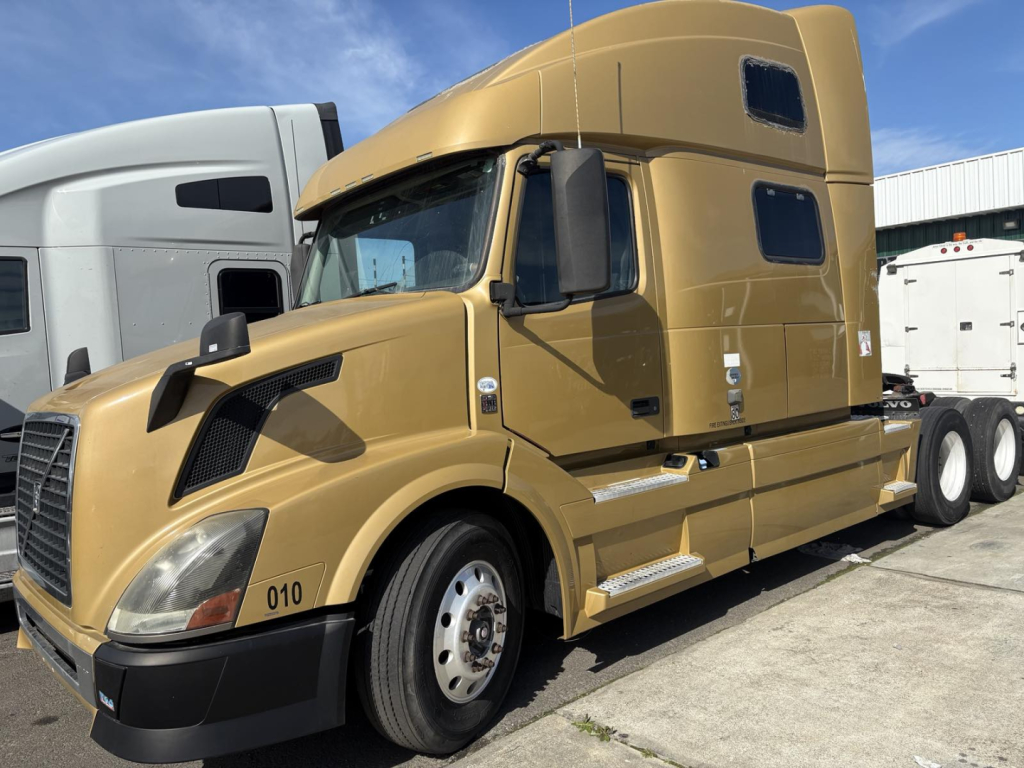
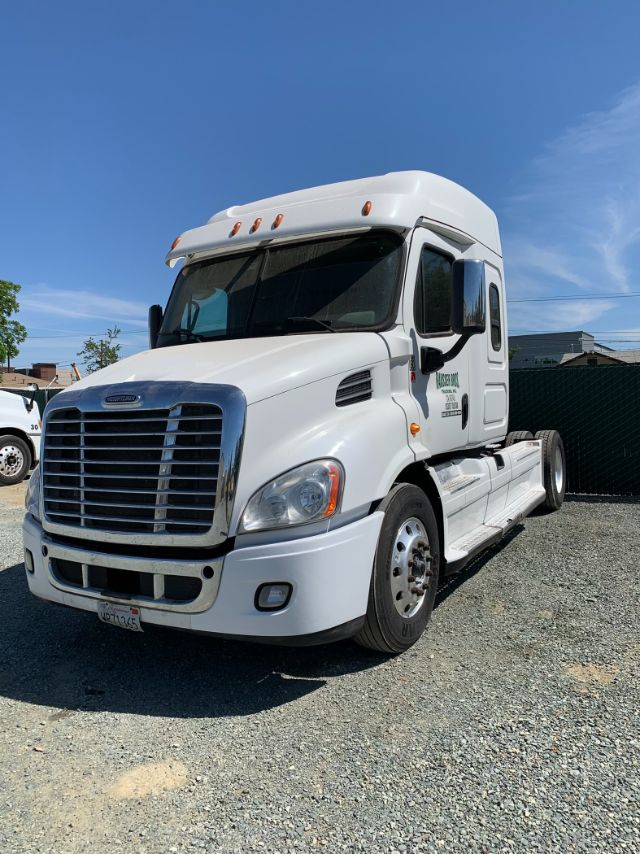
Selling a commercial truck? List your commercial truck for sale and reach thousands of commercial buyers.
Commercial Trucks Near Sacramento, California
For over-the-road work, conventional tractors such as a day cab or sleeper are commonly spec'd with diesel engines from Cummins, Detroit, or Paccar, paired with automated manual or manual transmissions and tandem rear axles. Key considerations include horsepower, torque, mileage, idle hours, sleeper size, fairing condition, and service history. For local and vocational use, trucks may be built on severe-duty or medium-duty platforms with body-ready chassis, set-back or set-forward axles, and equipment for hydraulic systems or specialty bodies. Refuse and municipal trucks can differ significantly from highway tractors in cab design, turning radius, frame reinforcement, and fuel type, including compressed natural gas in some fleets.
California buyers also pay close attention to emissions compliance, registration class, and operating range. In Sacramento, stop-and-go routes, hot summer temperatures, and a mix of highway and city driving put added value on cooling system condition, aftertreatment health, and brake performance. Looking closely at engine hours, DPF and SCR maintenance records, suspension wear, tire condition, and any active fault codes can tell you more than odometer mileage alone. If the truck will be body-mounted or repurposed, confirm frame dimensions, cab-to-axle measurement, and PTO provisions before purchase.
A good truck match comes down to how well the spec fits the work. A regional freight tractor needs different gearing and cab features than a garbage truck, utility truck, or local delivery chassis. Buyers comparing trucks for sale in Sacramento, California should focus on legal operating requirements, serviceability, weight ratings, and how easily the truck can be integrated into an existing fleet. The right spec reduces downtime, improves payload efficiency, and lowers total cost per mile or per route.
Frequently Asked Questions about Commercial Trucks Near Sacramento, California
What should I look for first when comparing trucks for sale in Sacramento, California?
Start with the truck’s intended job. A highway tractor, day cab, sleeper, refuse truck, and body-ready chassis all have different frame, axle, and drivetrain requirements. After matching the truck to the application, review GVWR, axle ratings, engine horsepower and torque, transmission type, wheelbase, and emissions equipment. In California, compliance history and aftertreatment condition are often just as important as mileage.
Are emissions requirements a major factor when buying a used truck in California?
Yes. California buyers need to verify that the truck meets current state and local operating requirements for its class and intended use. Engine model year, fuel type, and emissions system condition can affect registration, fleet compliance, and where the truck can legally operate. Maintenance records for the DPF, SCR system, sensors, and any prior emissions repairs are valuable because aftertreatment issues can become expensive quickly.
How do I choose between a day cab, sleeper, and vocational truck?
The decision depends on route length, body configuration, and operating environment. Day cabs are common for local and regional hauling where overnight accommodations are not needed. Sleeper trucks are built for longer runs and driver comfort over extended periods. Vocational trucks are configured for jobsite, municipal, utility, or refuse work and typically prioritize PTO capability, frame strength, maneuverability, and body integration over highway aerodynamics.
Is mileage the best indicator of a used truck’s condition?
Not by itself. Mileage matters, but engine hours, idle time, maintenance history, fault codes, and signs of wear in the suspension, brakes, steering, and aftertreatment system often provide a clearer picture. A lower-mileage truck that spent years on severe stop-and-go routes may need more work than a higher-mileage unit that was consistently maintained on highway service. Always compare usage history to the truck’s original application.
What specs matter most if I plan to add a body or specialized equipment later?
Focus on frame layout and compatibility. Cab-to-axle measurement, wheelbase, frame rail dimensions, PTO provisions, front and rear axle capacities, and suspension type all affect whether the chassis can accept the body or hydraulic equipment you need. Electrical architecture, fuel tank placement, and exhaust routing also matter because they can limit body installation options or increase upfit costs.