
RV Trucks For Sale
Expert guide to RV trucks and haulers. Compare medium-duty and HDT conversions, towing capacity, hitches, brakes, and specs for big fifth-wheels.
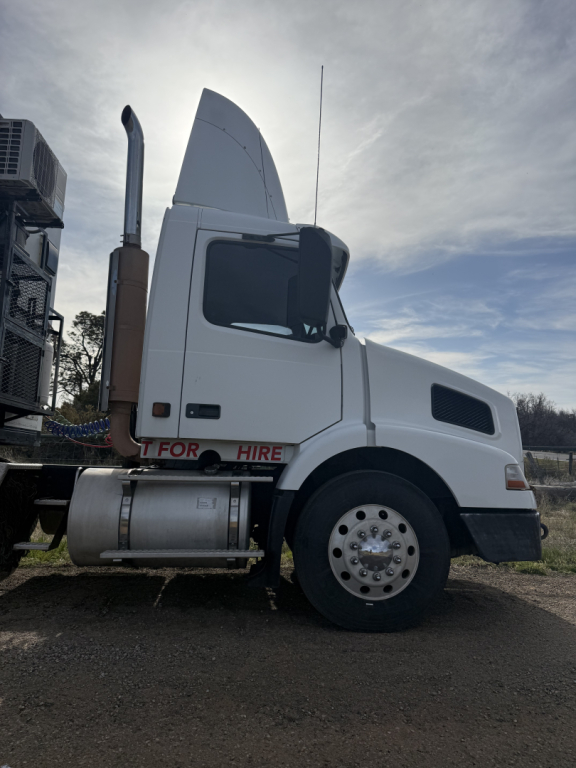
Selling a rv truck? List your rv truck for sale and reach thousands of commercial buyers.
RV Trucks
Key specs drive the experience. Engine options range from medium-duty diesels in the 6.7 to 8.9 liter class to 12 to 15 liter HD engines for steep grades and heavy pin weights. Allison 3000 or 3500 series automatics are popular for smooth starts on grades and integrated exhaust brakes, while HDT conversions may use Eaton automated manuals or 10 to 13 speed manuals with engine brakes. Braking can be hydraulic with an exhaust brake on medium-duty units or full air brakes with engine brake on Class 8 conversions. Suspension matters for comfort and control: rear air ride, air seats, and cab air suspension tame expansion joints and reduce trailer shock. Tire size influences ride and serviceability, with 19.5-inch rubber common on medium-duty and 22.5-inch on Class 8. Hitch equipment should match your trailer system and weights. Many RV haulers use 25k to 32k rated fifth-wheel RV hitches, air-ride hitches like TrailerSaver or ET, or a 2 5/16 gooseneck ball. Electrical and brake compatibility is critical. Expect 7-blade RV wiring, trailer brake controllers that handle electric or electric-over-hydraulic systems, and camera hookups. Some HDT conversions add a 7-pin RV connector alongside standard 7-way SAE sockets.
Choosing between medium-duty and HDT comes down to use case. Medium-duty haulers offer a good balance of power, shorter wheelbase for RV park maneuvering, and widespread dealer support. They tend to be lighter, easier on tolls, and simpler to register as a private RV in many states. Class 8 conversions deliver huge service brakes, high cooling capacity, long engine life, and effortless mountain performance with heavy stackers or long toy haulers, but they are heavier, often longer, and may ride firmer without well-tuned air suspension and an air-ride hitch. Wheelbase and axle ratio affect stability and drivability. A 210 to 260 inch wheelbase commonly balances tracking at speed with campground maneuvering, and axle ratios in the mid 3s to low 4s suit heavy RV towing. Single rear axle HDT conversions are popular to reduce length and weight while keeping air brakes and big power. Consider emissions generation and maintenance strategy as well. 2007 and newer engines added DPF, and most 2010 and newer add DEF for cleaner operation. Maintenance history, recent aftertreatment work, and software updates matter for reliability.
A careful spec match prevents headaches. Verify GCWR, rear axle weight rating and pin weight capacity, hitch rating, and cooling and brake systems for your route profile. Check hitch height, bed rail clearance, and turning clearance between cab and cap. If the truck has air brakes but the trailer uses electric brakes, confirm a quality controller and 7-blade RV wiring have been installed. For comfort and safety on long trips, look for integrated exhaust or engine brakes, rear and hitch cameras, trailer TPMS, and an air-ride hitch. Inspect tire age and size, air system condition, bed fabrication quality, rust-prone areas, and documentation for upfits. For licensing, many buyers title as a private RV when equipped accordingly, but requirements vary by state and by weight, so verify before committing. Matched correctly, an RV truck delivers confident braking, cooler transmission temps, and far less driver fatigue on long grades and in crosswinds.
Also known as: Recreational Vehicle
Frequently Asked Questions about RV Trucks
What size trailer can an RV truck safely tow?
Match the trailer to the truck’s GCWR, hitch rating, and rear axle weight rating. Large fifth-wheels often run 16,000 to 25,000 lb GVWR with 3,000 to 6,000 lb pin weights, which pushes many buyers into a medium-duty hauler. Stackers or long triple-axle trailers can exceed 25,000 lb, where a Class 8 conversion with air brakes and an engine brake makes sense. Always confirm actual scaled weights and stay within GCWR, RAWR, and hitch limits with adequate margin.
Do I need a CDL to drive an RV truck?
Rules vary by state. Many owners title and insure the vehicle as a private RV, which can exempt it from CDL and some commercial regulations. However, weight thresholds still apply in some states, and your combined weight may trigger special endorsements or non-commercial Class A licensing. Check your state DMV for private RV rules, length limits, and whether you must stop at weigh stations. When in doubt, get written guidance before you buy.
Should I choose air brakes or hydraulic brakes for RV hauling?
Hydraulic brake medium-duty trucks are simple to operate and pair easily with electric RV trailer brakes using a standard controller. Air brake Class 8 conversions offer stronger braking, faster heat recovery on long grades, and compatibility with air-ride hitches and cab systems. If your trailer has electric or electric-over-hydraulic brakes, you can still use an air brake truck by installing a quality controller and proper 7-blade RV wiring. For very heavy or mountainous routes, air brakes are a strong advantage.
Is an Allison automatic better than a manual or automated manual for RV use?
Allison 3000 or 3500 series automatics are popular for RV hauling because the torque converter provides smooth launches on grades and around campsites, and they integrate well with exhaust brakes. Automated manuals in HDT conversions can be very efficient on the highway and pair with powerful engine brakes, but they may feel less smooth at low speed unless tuned correctly. For ease of use and stop-and-go maneuvering, many RV owners prefer an Allison automatic.
What hitch setup works best for a large fifth-wheel?
For big fifth-wheels, a 25k to 32k rated RV-style fifth-wheel hitch with an air-ride head helps protect the trailer structure and smooths the ride. Ensure correct hitch height, adequate bed rail and cab-to-cap clearance, and that the pin box is compatible with your hitch type. If you haul a gooseneck or stacker, consider a 2 5/16 ball or a commercial fifth wheel with the right adapters. Always match the hitch, mounts, and frame reinforcement to the trailer’s actual pin weight.