
Commercial Trucks For Sale Near Romulus, Michigan

Have commercial truck to sell? List it here to reach thousands of buyers.
Commercial Trucks Near Romulus, Michigan
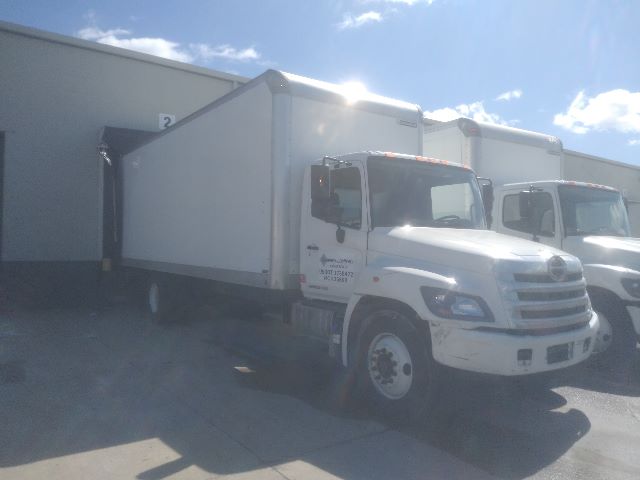
Medium-duty trucks such as Class 6 and Class 7 models are common in this segment because they cover a wide operating range without the size and cost of a heavy highway tractor. Buyers often compare diesel platforms from manufacturers like Hino, Freightliner, International, Ford, Chevrolet, and Isuzu, with engines paired to Allison automatic or manual transmissions depending on route density and driver preference. For box trucks, key details include body length, roll-up versus swing doors, liftgate capacity, interior height, and dock-high compatibility. For dump trucks, buyers should look closely at body size, hoist type, front axle capacity, suspension, differential setup, PTO operation, and any snow or spreader equipment such as belly plows, tailgate spreaders, or front hitch systems.
Michigan operating conditions make corrosion, cold-start reliability, and underbody condition especially important. Trucks that have seen municipal or winter service can be productive units, but they deserve a close inspection of frame rails, crossmembers, hydraulic lines, electrical connections, floor structure, cab mounts, and brake and fuel system components exposed to salt. Mileage matters, but so do engine hours, idle time, maintenance records, and evidence of recent work on emissions components, suspension, tires, and body hardware. Buyers shopping used trucks in this class should also confirm CDL implications, bridge law considerations, and whether the truck's axle spread, body spec, and turning radius fit the intended route or jobsite.
A good truck in this category is defined less by badge and more by spec discipline. Payload target, upfit compatibility, service access, and legal weight capacity will drive long-term value more than cosmetic condition alone. Delivery fleets may prioritize low step-in height, visibility, and easy urban maneuvering, while contractors and municipalities may need heavier front ends, central hydraulics, and equipment mounting provisions. The strongest candidates are trucks with a clear maintenance history, a spec that matches the work, and enough reserve capacity in chassis, drivetrain, and body to handle Michigan's year-round demands.
Frequently Asked Questions about Commercial Trucks Near Romulus, Michigan
What should I look for first when buying a used truck in this category?
Start with the truck's intended application, then verify the chassis and body specs support that work. GVWR, axle ratings, wheelbase, cab-to-axle measurement, engine horsepower, transmission type, and PTO capability should all match the payload and route. For a box truck, body dimensions, door style, and liftgate matter. For a dump or vocational truck, body capacity, hoist condition, hydraulic function, and auxiliary equipment are usually more important than appearance.
Are medium-duty trucks a good fit for local delivery and vocational work in Michigan?
Yes. Medium-duty trucks are often the sweet spot for local delivery, municipal service, landscaping, construction support, and fleet work because they balance payload, maneuverability, and operating cost. In Michigan, they are especially useful for urban routes, warehouse distribution, and seasonal public works applications. Buyers should still confirm licensing requirements, legal weight limits, and whether the truck has the cooling, suspension, and corrosion resistance needed for year-round service.
How important are engine hours on a used truck compared with mileage?
Engine hours are very important, especially on trucks that idle frequently or run PTO-driven equipment. A truck with moderate mileage but high engine hours may show more wear in the engine, cooling system, and emissions components than the odometer alone suggests. This is common with municipal, utility, and dump applications. The best evaluation looks at both mileage and hours together, along with service records and signs of recent repairs.
What extra inspection points matter on used dump trucks or winter-service trucks?
Pay close attention to the frame, subframe, hoist mounts, hydraulic cylinders, PTO engagement, spreader controls, plow hitch structure, and underbody corrosion. Check for rust around crossmembers, brake lines, wiring, and body supports, since salt exposure can accelerate wear. Tailgates, tarp systems, cutting edge mounts, and spreader drives should also be tested if equipped. A vocational truck can still be a strong buy, but winter equipment adds more systems that need inspection.
Which specs matter most on a used box truck?
Body length, interior height, liftgate rating, rear door style, and dock compatibility are the main operating specs. Buyers should also inspect floor condition, roof integrity, front wall damage, door seals, and evidence of water intrusion. On the chassis side, wheelbase, turning radius, engine power, transmission calibration, and brake condition affect daily usability more than brand alone. A well-matched box truck should fit the freight profile, loading method, and delivery environment without running near its limits every day.