
Used Rolloff Trucks For Sale in Oklahoma
Browse used rolloff trucks for sale in Oklahoma, including hooklift and cable hoist configurations for waste, scrap, demolition, and hauling.
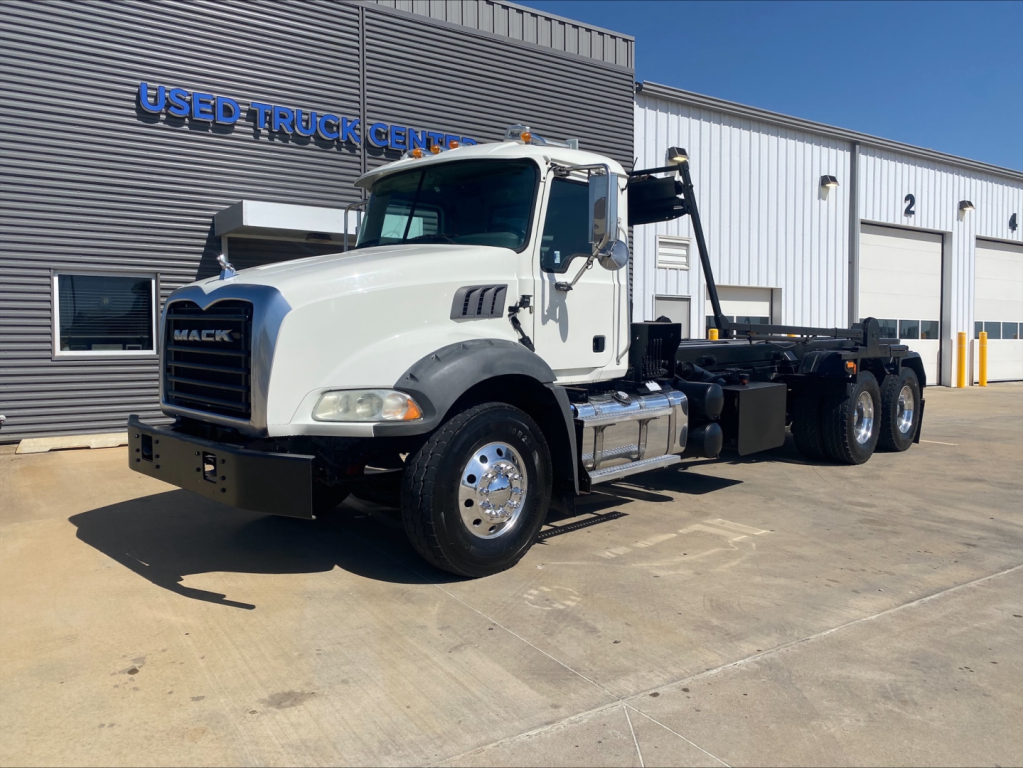
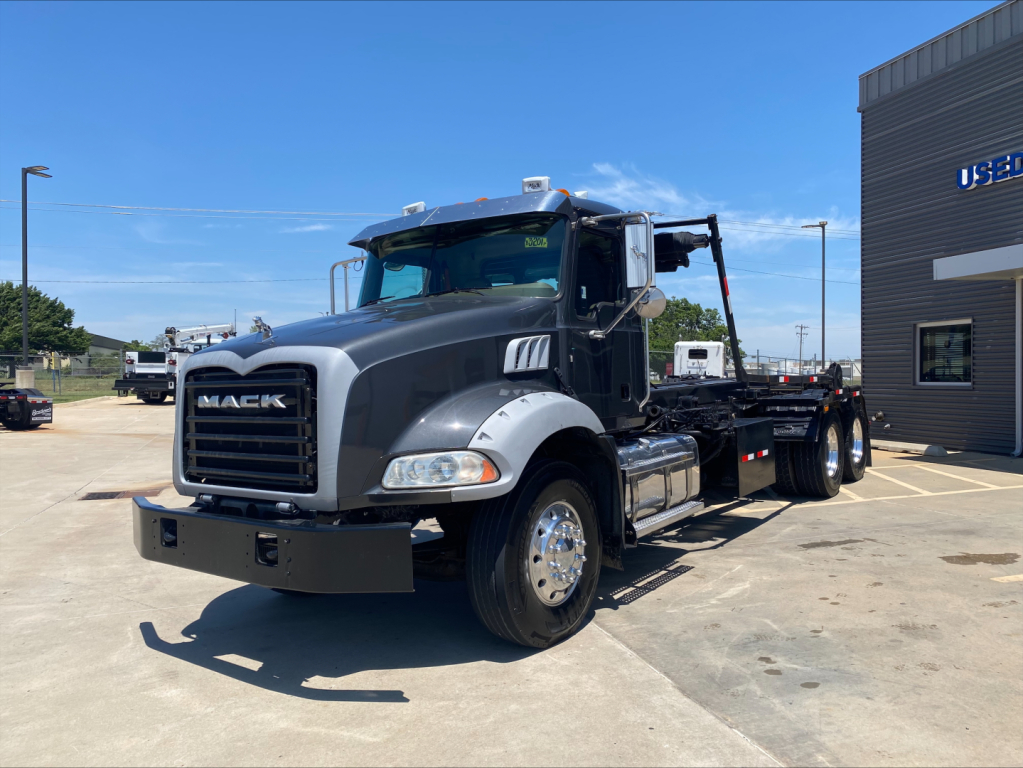
Selling a used rolloff truck? List your used rolloff truck for sale and reach thousands of commercial buyers.
Used Rolloff Trucks in Oklahoma
Frequently Asked Questions about Used Rolloff Trucks in Oklahoma
What should I look at first when buying a used rolloff truck?
Start with the hoist or winch rating, chassis axle capacity, and container compatibility. A used rolloff truck has to match the cans you already run, including rail width, container length range, and loading style. After that, look closely at frame condition, hoist pivots, rollers, cable or hook components, hydraulic cylinders, PTO operation, and rear suspension wear. On the chassis side, transmission type, rear axle ratio, wheelbase, and front axle rating all affect how the truck performs with loaded containers.
What axle and drivetrain specs are common on rolloff trucks?
Many used rolloff trucks are tandem-axle configurations with front axles around 18,000 to 20,000 lbs and rear axles in the 40,000 to 46,000-lb range. Heavy-spec trucks may add a lift axle or pusher axle for legal payload distribution. Engines are commonly in the 350 to 500 hp range, often paired with Allison automatic transmissions because they handle stop-and-go work well and simplify operation for multiple drivers. Rear axle ratios such as 4.56 or 5.63 are typical depending on whether the truck is geared more for off-road pulling power or higher road speed.
Is an automatic transmission a good choice for a rolloff truck?
Yes. Allison automatics are widely used in rolloff applications because they are well suited to repetitive starts, backing, spotting containers, and operating in traffic or on uneven sites. They reduce driver fatigue and can shorten training time in fleets with frequent driver turnover. A manual may still appeal to some operators, but the automatic is often preferred for route work, transfer stations, and demolition service where precise low-speed control matters.
What is important when inspecting the rolloff hoist on a used truck?
Inspect the hoist rails, crossmembers, cable or hook mechanism, sheaves, pins, bushings, cylinder mounts, and hydraulic plumbing for wear or repairs. Watch the system operate through a full load and unload cycle if possible. Look for rail twist, cracked welds, uneven container tracking, oil leaks, and slow or jerky hydraulic movement. A truck can look clean but still have expensive hoist wear, so the body system should be evaluated just as carefully as the engine and drivetrain.
Why do wheelbase and axle layout matter on a rolloff truck?
Wheelbase affects container fit, bridge law compliance, ride quality, and how the truck handles in alleys, transfer stations, and construction sites. A longer wheelbase may support larger containers and better weight distribution, while a shorter setup can improve maneuverability. Lift axles and pusher axles can increase legal carrying capacity, but they also add maintenance points and influence turning characteristics. The right layout depends on container size, route density, and the type of material being hauled.