
Used 2019 Rolloff Trucks For Sale
Shop used 2019 rolloff trucks for sale. Compare hoist capacity, axle ratings, cab specs, and hook or cable systems for waste hauling work.
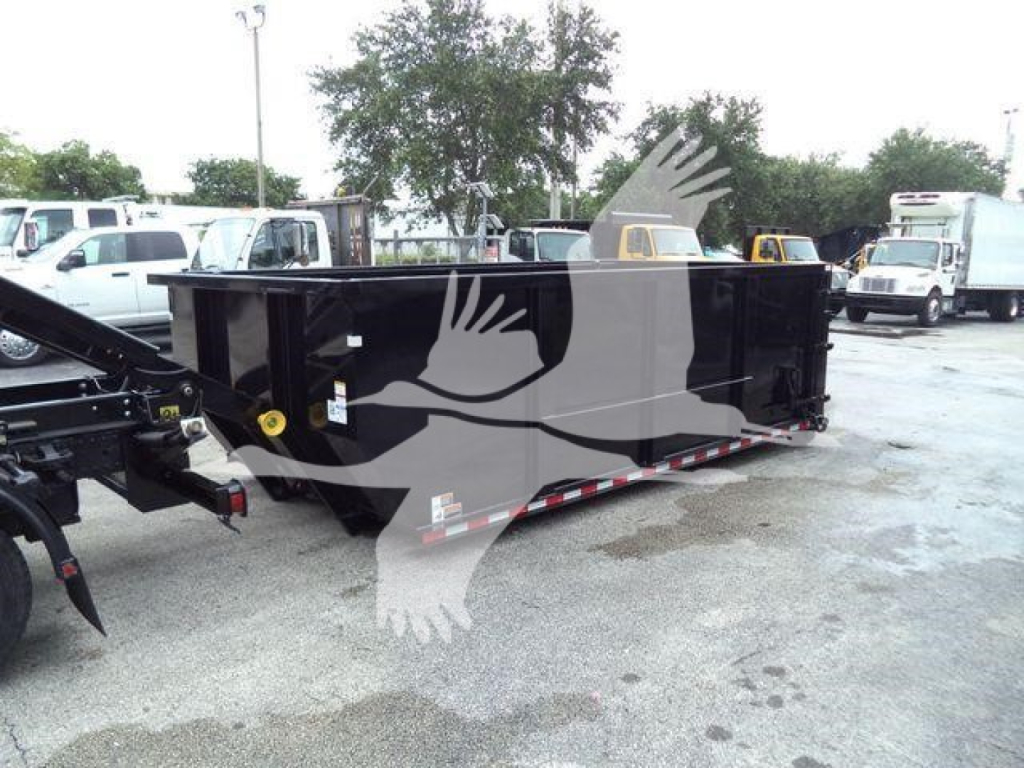
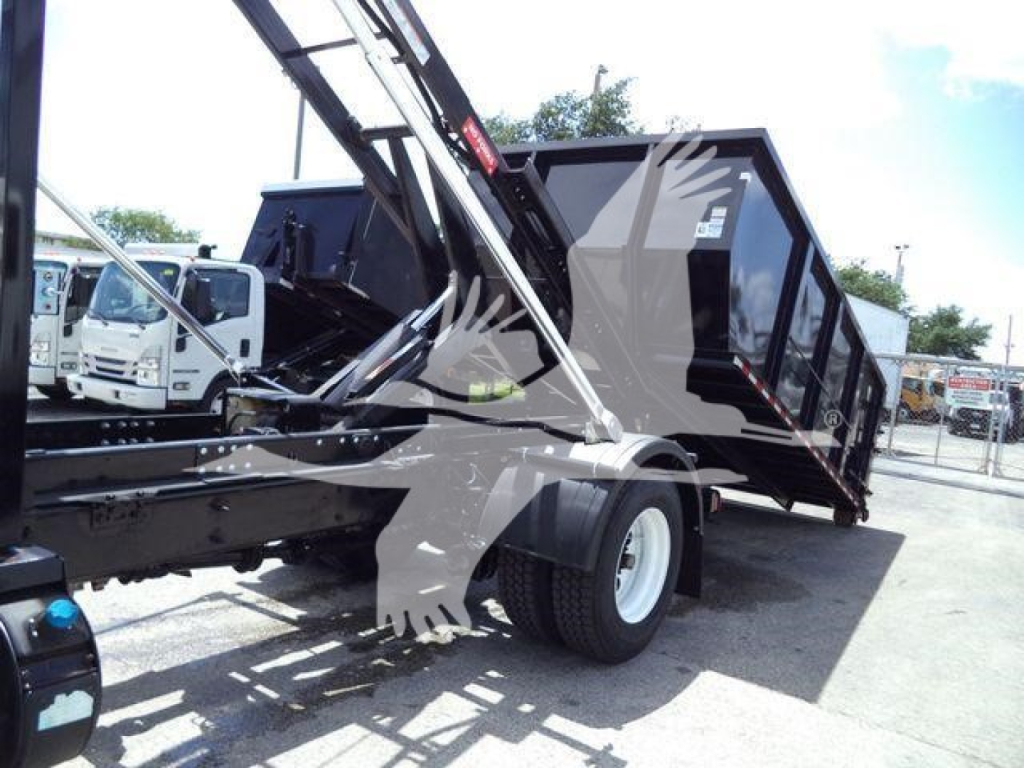
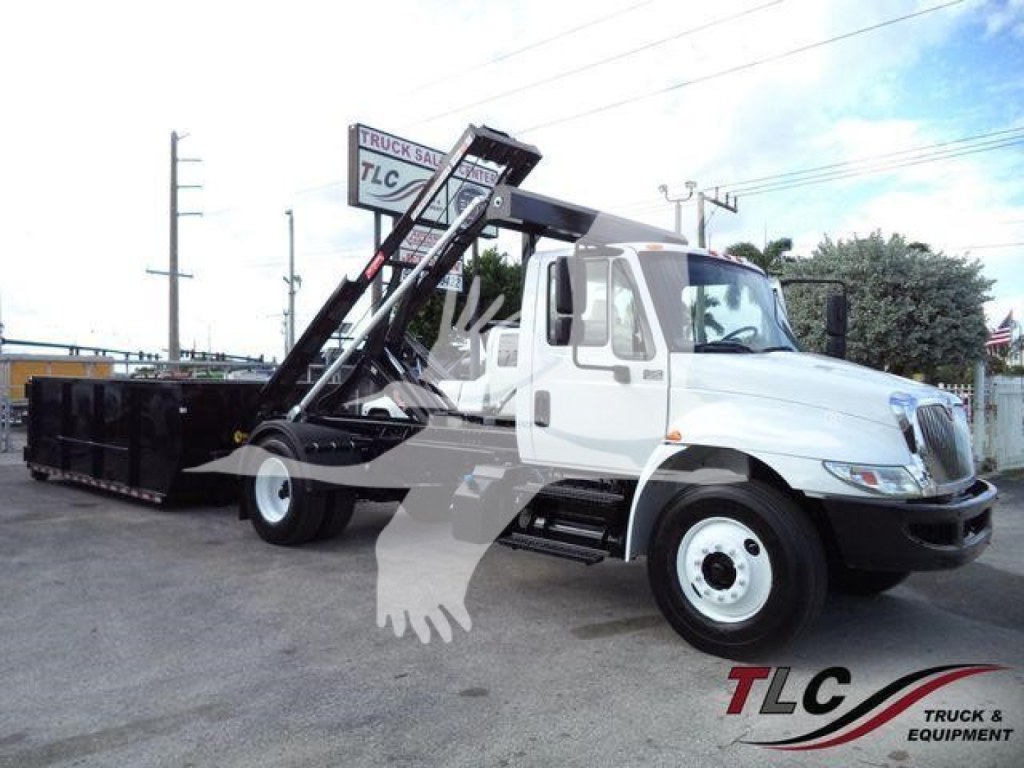
Selling a used 2019 rolloff truck? List your used 2019 rolloff truck for sale and reach thousands of commercial buyers.
Used 2019 Rolloff Trucks
The most important spec on a rolloff truck is how the hoist matches the containers you plan to run. Many used units in this age range carry 60,000-lb, 65,000-lb, or 75,000-lb hoists, and that rating should be checked against the can sizes, material density, and route profile in your operation. Cable systems remain common in traditional waste and scrap applications, while hook-lift setups offer faster body interchange and more versatility across bins, flats, and specialty bodies. Buyers should also verify rail length, inside rail width, winch or hook geometry, tarp system condition, PTO operation, and any signs of cracking or repair around the hoist frame, tail section, and body saddles.
Chassis spec matters just as much as the hoist. A 2019 rolloff truck may be built with a diesel in the 350 to 455 horsepower range, paired with an Allison automatic or a manual transmission depending on service requirements. Front axles in the 18,000-lb to 20,000-lb range and rear axle ratings around 40,000 lb to 46,000 lb are common on heavier vocational builds, especially when the truck is carrying dense loads or operating with a lift axle. Suspension type, rear ratio, tire size, frame reinforcement, and wheelbase all affect stability, bridge compliance, and how well the truck handles tight transfer stations or urban job sites. On used trucks, pay close attention to engine hours versus miles, brake and suspension wear, driveline condition, and service history for the emissions system, transmission, and hydraulics.
A 2019 model year can be a smart buy for fleets that need current-enough specifications without paying late-model pricing. The category appeals to haulers looking for a truck that can handle rolloff cans, construction debris, municipal cleanup, recycling, or industrial scrap routes with less downtime than much older equipment. The best fit comes from matching the truck to your heaviest container, your legal axle targets, and the loading conditions your drivers see every day. Buyers who evaluate hoist integrity, frame condition, hydraulic performance, tarp function, and cab durability up front usually make a better long-term purchase than those who shop by mileage alone.
Frequently Asked Questions about Used 2019 Rolloff Trucks
What hoist capacity is common on a used 2019 rolloff truck?
Many used 2019 rolloff trucks are equipped with hoists rated around 60,000 lb, 65,000 lb, or 75,000 lb. The right capacity depends on the size of the containers, the density of the material being hauled, and how often the truck will load on uneven ground. A buyer should match the hoist rating to real payload demands, not just container length, because demolition debris, scrap, and compacted waste can load a chassis very differently.
Is a hook-lift the same as a rolloff truck?
Not always. The terms are sometimes used together in listings, but a traditional rolloff truck usually refers to a cable hoist system that pulls a container onto rails, while a hook-lift uses a hydraulic hook and interchangeable body design. A hook-lift offers more flexibility across different body types, but many waste and scrap fleets still prefer cable rolloff systems for straightforward can service and established container compatibility.
What should I inspect first on a used 2019 rolloff truck?
Start with the hoist, rails, and truck frame. Look for weld repairs, cracks, bent crossmembers, hydraulic leaks, worn sheaves or rollers, slack in the cable or hook system, and uneven rail wear. After that, inspect PTO engagement, tarp operation, suspension, brakes, axle ratings, and the condition of the rear body structure where repeated loading stress is highest. On the chassis side, service records for the engine, transmission, and emissions components are especially important.
Are automatic transmissions common in 2019 rolloff trucks?
Yes. Many 2019 vocational trucks in this category were spec'd with Allison automatic transmissions because they perform well in stop-and-go work, backing cycles, and short-route hauling. Automatics can reduce driver fatigue and improve consistency across multiple operators. Manual transmissions still appear in some fleets, but automatic-equipped rolloff trucks are very common in municipal, waste, and construction service.
What axle setup is typical for a 2019 rolloff truck?
A tandem 6x4 chassis is the most common setup, often with an 18,000-lb to 20,000-lb front axle and 40,000-lb to 46,000-lb rears. Some units add a lift axle to increase legal payload capacity and improve bridge compliance. The best axle configuration depends on the weight of the loaded container, local road laws, and whether the truck runs dense material like concrete, roofing tear-off, or metal scrap.