
Used 2016 Rolloff Trucks For Sale
Shop used 2016 rolloff trucks with common hoist ratings, axle specs, and drivetrain options for waste, scrap, and container hauling.
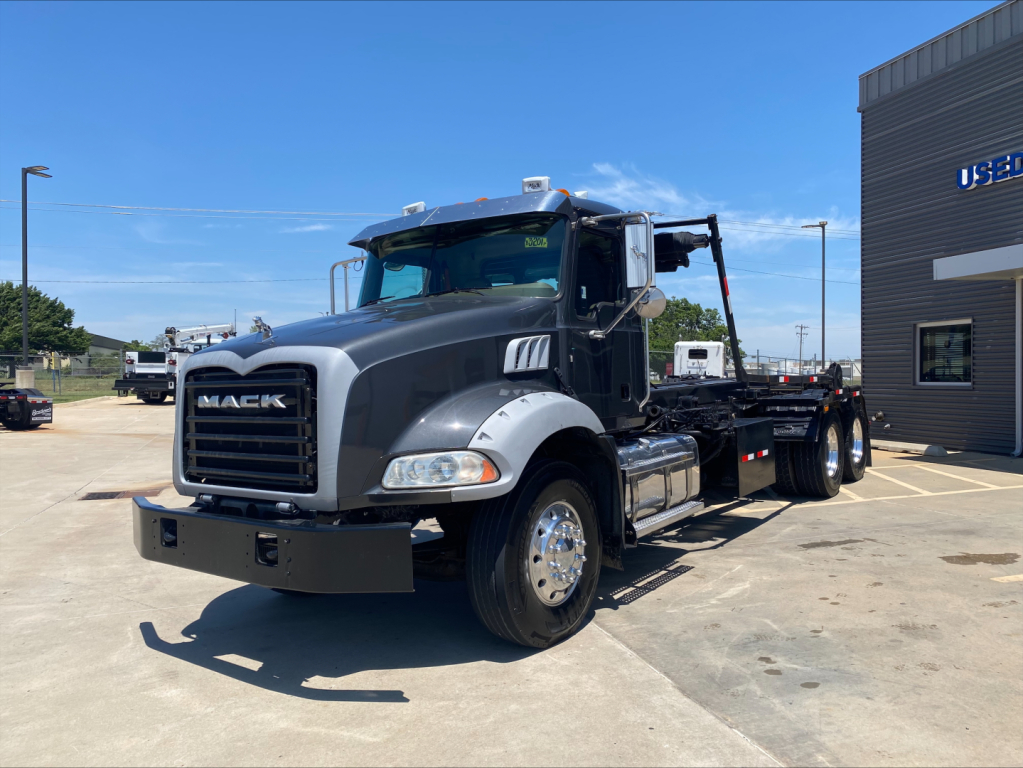
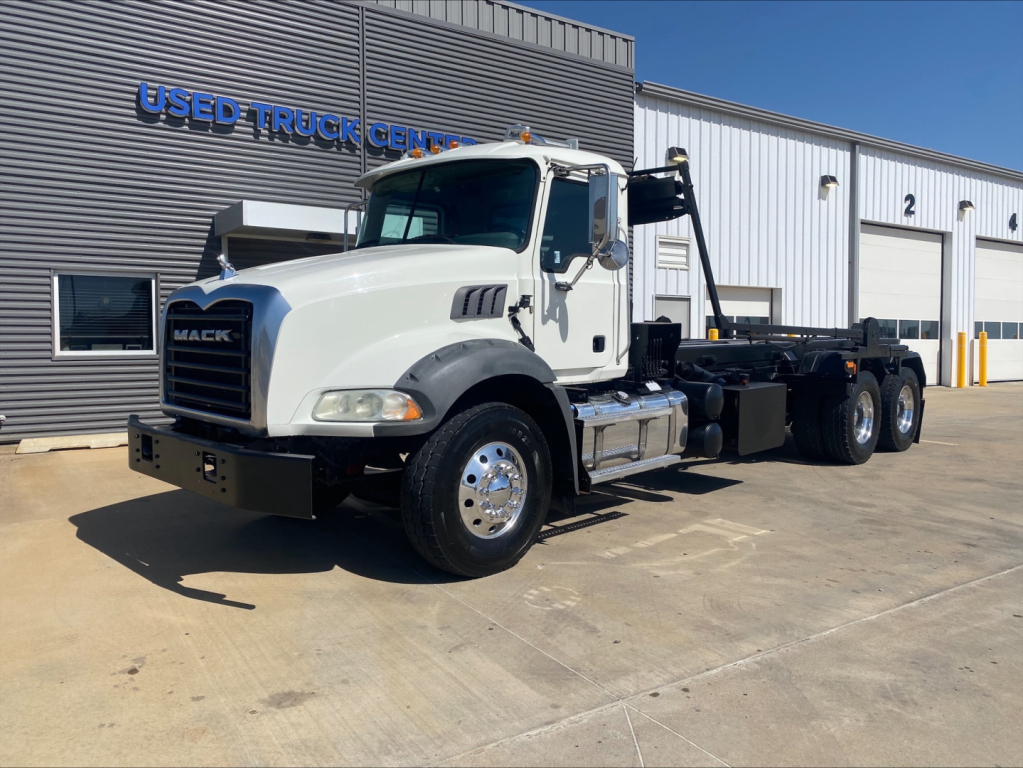
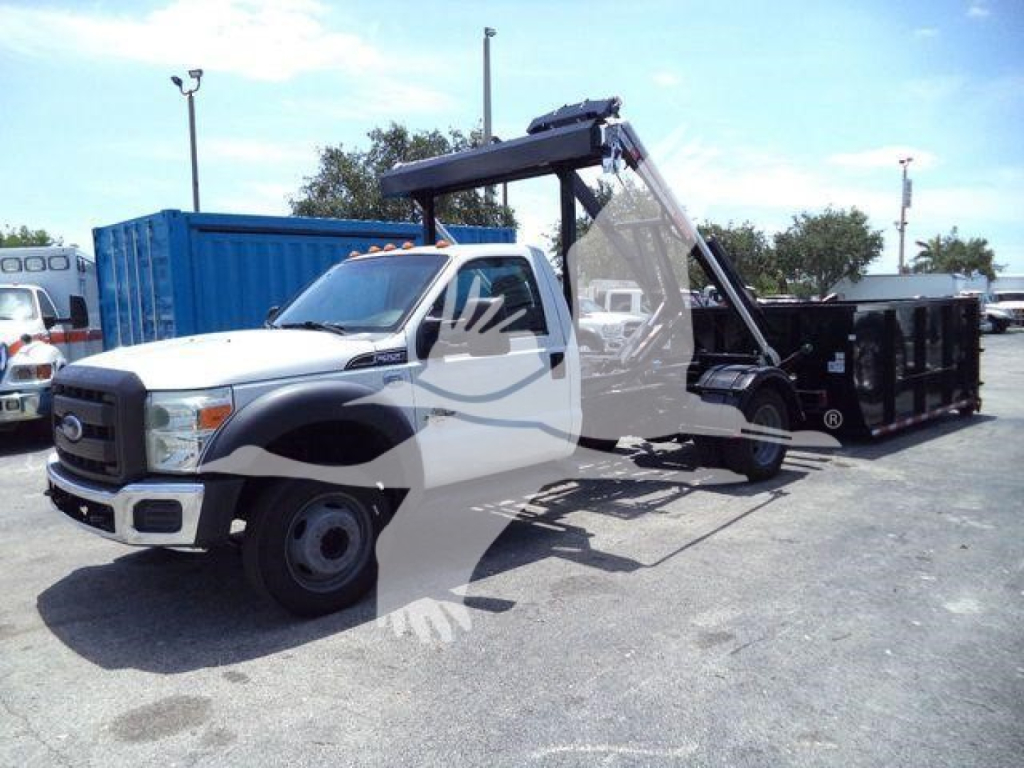

Selling a used 2016 rolloff truck? List your used 2016 rolloff truck for sale and reach thousands of commercial buyers.
Used 2016 Rolloff Trucks
Frequently Asked Questions about Used 2016 Rolloff Trucks
What should I look for first on a used 2016 rolloff truck?
Start with the hoist and chassis match. Confirm the hoist rating, rail length, cable or hook setup, and wheelbase are correct for the container sizes you plan to run. Then verify front axle capacity, rear axle rating, suspension type, gearbox or automatic transmission model, and rear axle ratio. Service records matter on a rolloff truck because hoist cylinders, rollers, sheaves, PTO operation, and frame condition often tell you more about future downtime than engine hours alone.
Are 2016 rolloff trucks usually automatic or manual?
Many 2016 rolloff trucks were ordered with Allison automatic transmissions, especially in refuse and vocational fleets that wanted easier operation in stop-and-go routes. You will still find manual transmissions in some regional or owner-operator specs. An Allison 3000RDS or 4500RDS is common depending on engine torque and gross vehicle weight rating. For urban work, frequent backing, and multi-driver fleets, an automatic is often the preferred setup because it reduces driver fatigue and simplifies PTO-driven hoist operation.
What hoist capacity is common on a 2016 rolloff truck?
Common hoist ratings in this class are roughly 50,000, 60,000, and 75,000 pounds. The right rating depends on container length, material density, and how aggressively the truck will be used. A lighter municipal or general waste application may work well with a 50K or 60K setup, while heavier scrap, demolition, and construction debris work often pushes buyers toward a 75K hoist and a heavier chassis spec. Hoist brand, cylinder condition, cable wear, and rail straightness are just as important as the published rating.
How important are axle and suspension specs on a rolloff truck?
They are critical because payload, stability, and legal roadability all depend on the chassis under the hoist. Many used 2016 rolloff trucks have front axles in the 18,000 to 20,000 pound range and tandem rears rated around 44,000 to 46,000 pounds, with some units adding a lift or pusher axle. Suspension choices such as spring, Chalmers, or vocational air ride change ride quality, durability, and maintenance profile. Buyers should match axle spread, suspension, and tire size to local bridge laws, transfer station traffic, and typical container weights.
Is a used 2016 rolloff truck a good choice for waste or scrap work today?
Yes, if the truck was spec'd correctly and maintained well. A 2016 rolloff truck can still be a strong revenue unit for waste, recycling, scrap, and demolition service, especially when the engine, aftertreatment system, PTO, and hoist have documented maintenance. The best candidates usually come from fleet service with consistent inspections and repairs. Buyers should pay close attention to frame condition, rear suspension wear, driveline vibration, hydraulic leaks, and emissions system history before putting a truck into daily container service.