
2027 Mack Rolloff Trucks For Sale
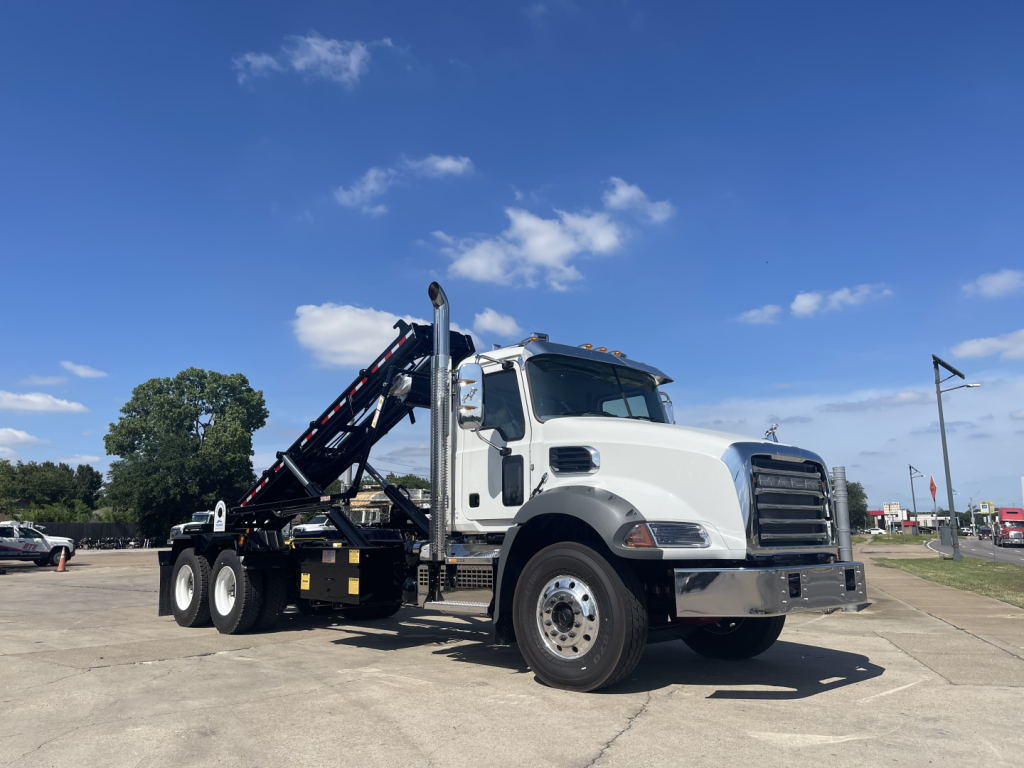
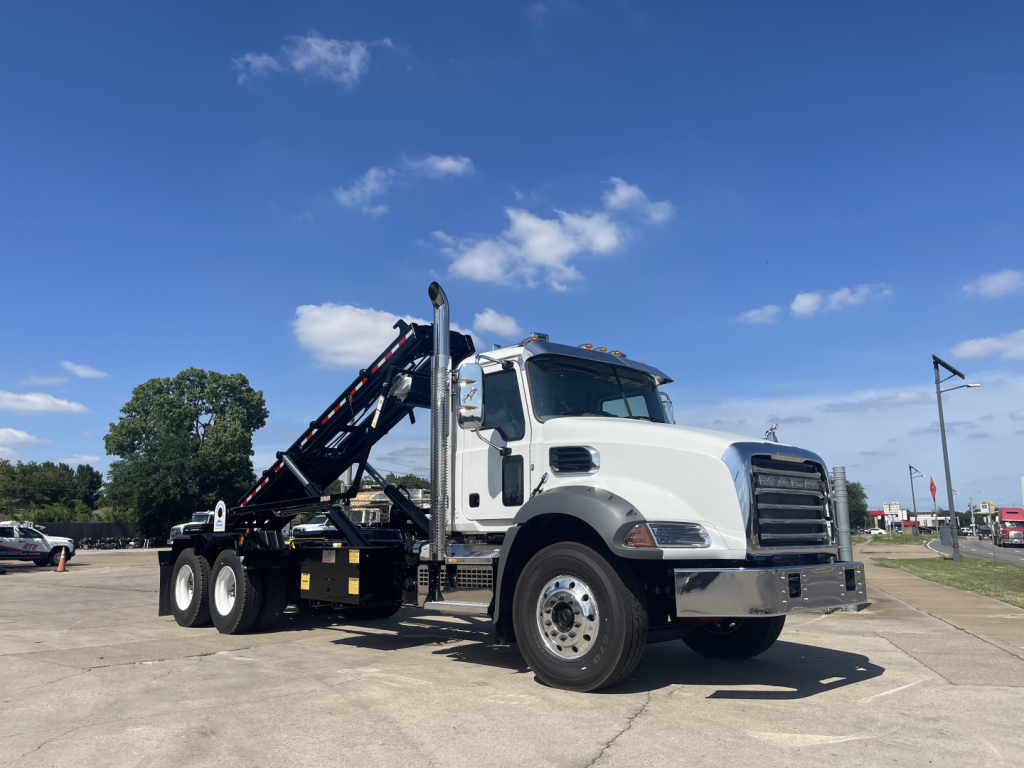
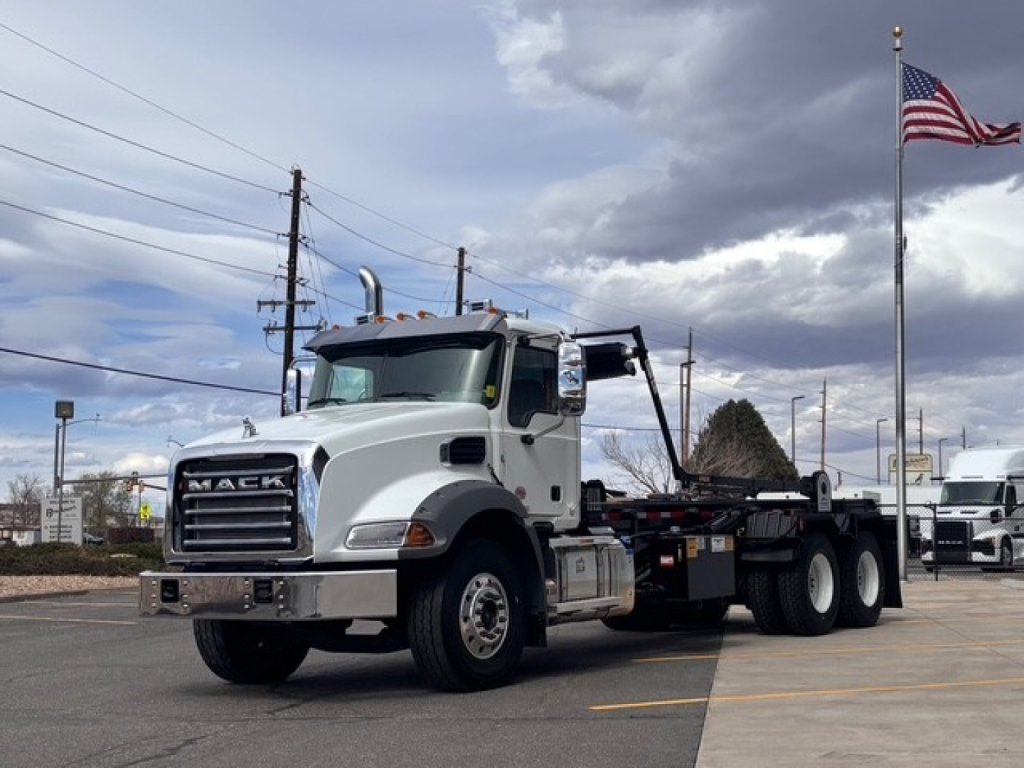
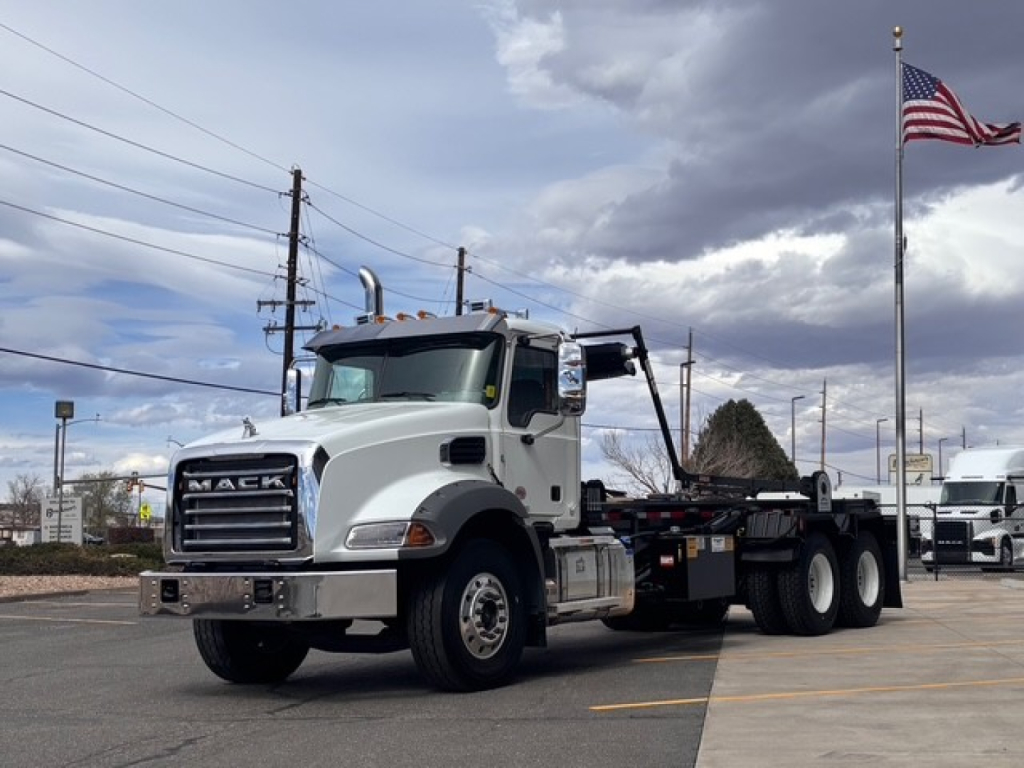
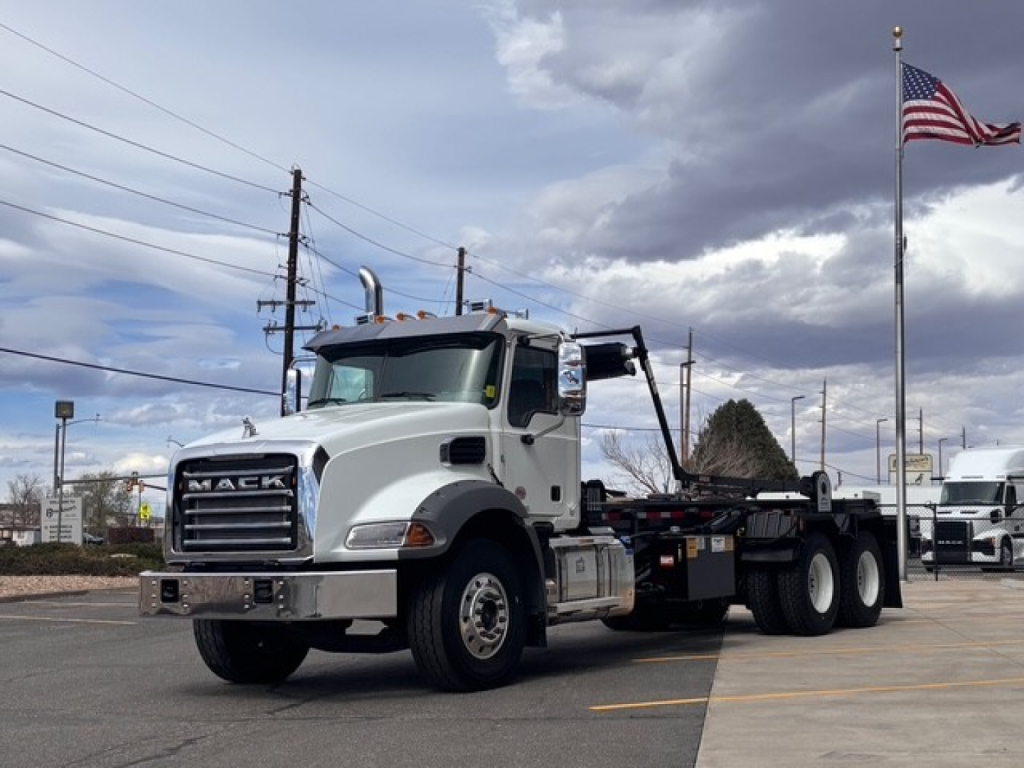
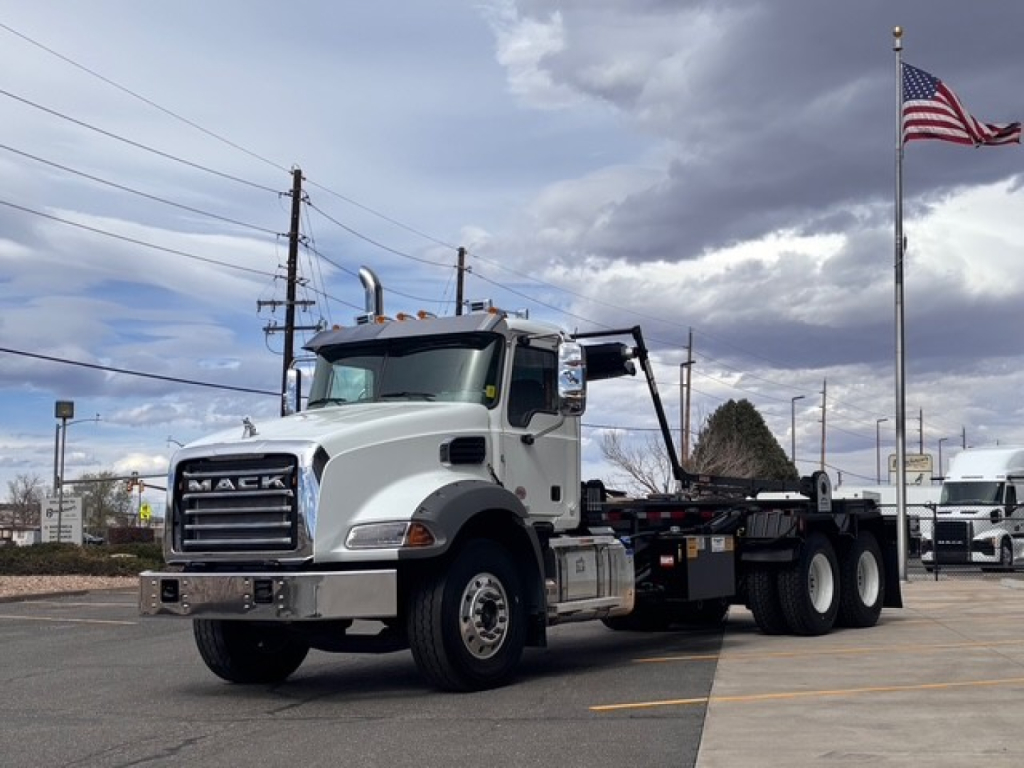
Shop 2027 Mack rolloff trucks built for waste, scrap, and container hauling with heavy-duty specs, strong hydraulics, and vocational durability.
Learn more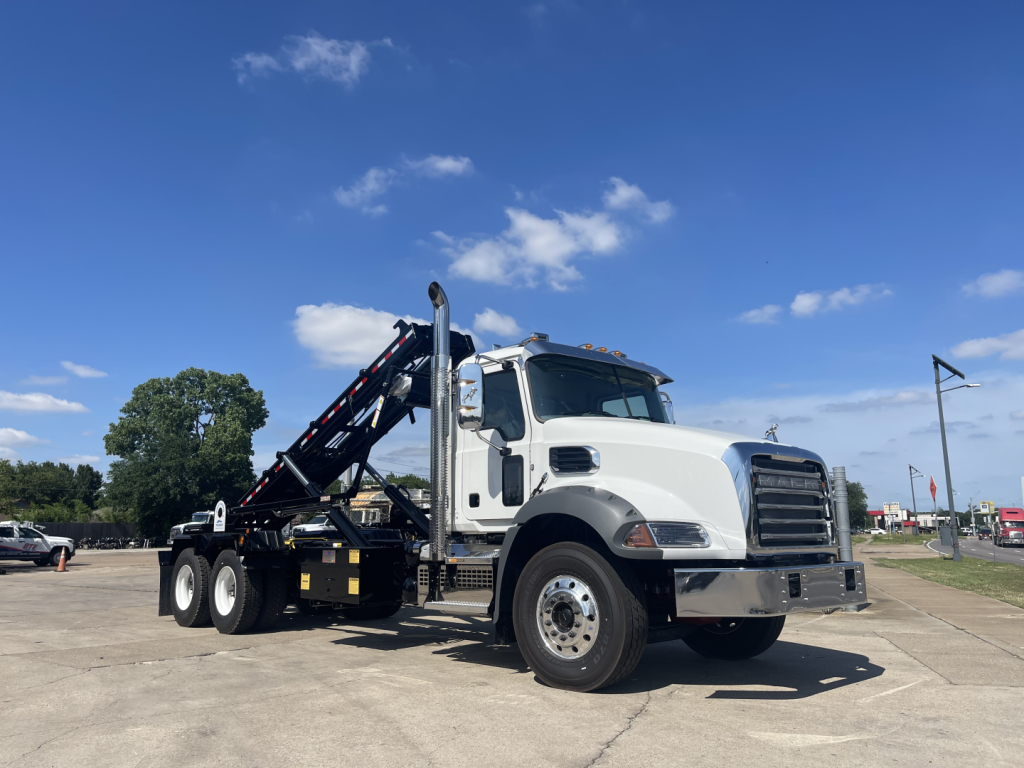

Showing 25 to 36 of 49 results
Have 2027 mack rolloff truck to sell? List it here to reach thousands of buyers.
About 2027 Mack Rolloff Trucks
The first decision is usually the chassis layout. Common rolloff configurations include tandem and tri-axle setups, with bridge-law compliance, overall wheelbase, and container size compatibility all affecting the right spec. Buyers should look closely at GVWR, front axle capacity, rears, suspension type, frame reinforcement, and lift axle options if legal payload is a priority. On the body side, hoist ratings and rail length need to match the containers being handled, especially if the truck will see heavy demolition debris, scrap, or dense construction material. Tarp systems, ICC bumper design, outside rails, and container securing components also deserve attention because they directly affect daily usability and DOT compliance.
Powertrain and vocational controls are equally important on a Mack rolloff. These trucks are often ordered with diesel engines calibrated for strong low-rpm torque, automatic or automated manual transmissions suited for frequent starts, and PTO provisions that support reliable hydraulic performance. Buyers should verify rear axle ratio, locking differential availability, brake configuration, and cab-to-axle dimensions before comparing units side by side. If the truck will spend part of its time in tight urban service, visibility, turning radius, and cab access can matter as much as raw capacity. If it is headed to landfill, transfer station, or demolition work, ground clearance, body upfitter integration, and rugged suspension tuning move higher on the list.
A Mack rolloff truck is commonly used in waste hauling, scrap service, construction debris removal, and municipal container transport. The right truck is not just the one with the biggest hoist. It is the one whose axle ratings, frame spec, hydraulic package, and body geometry fit the containers, route profile, and legal payload target. When comparing 2027 models such as Mack Granite-based configurations, focus on the full vocational package rather than the badge on the hood. That is what determines uptime, driver efficiency, and long-term operating cost.
Frequently Asked Questions
What should I look at first when buying a 2027 Mack rolloff truck?
Start with the chassis and body match. GVWR, axle ratings, wheelbase, cab-to-axle dimension, and suspension need to support the hoist and the container sizes you plan to run. After that, review hoist capacity, hydraulic system design, tarp setup, and any lift axle configuration. A rolloff truck works best when the chassis, hoist, and legal payload target are spec'd together rather than treated as separate decisions.
What is the difference between a tandem axle and tri-axle rolloff truck?
A tandem axle rolloff typically offers a simpler layout, lower empty weight, and good maneuverability for many waste and construction applications. A tri-axle truck adds additional axle capacity, often through a lift axle, to improve legal payload and bridge-law flexibility. The tradeoff is more complexity, more tire and suspension maintenance, and sometimes reduced maneuverability on tight urban routes or crowded job sites.
Are Mack rolloff trucks good for demolition and scrap work?
Yes, Mack vocational chassis are commonly chosen for demolition debris, scrap, and other severe-duty rolloff applications because they are designed around heavy frames, robust suspension options, and strong low-speed performance. The important point is proper specification. Dense materials require enough hoist capacity, rear axle capacity, frame reinforcement, and brake performance to handle repeated heavy cycles safely and legally.
How do I choose the right hoist capacity on a rolloff truck?
Choose the hoist based on the heaviest containers and material types the truck will handle, not just average loads. Construction debris, concrete, roofing tear-off, and scrap can load a container much differently than municipal waste. The hoist rating should be reviewed alongside rail length, container compatibility, axle ratings, and hydraulic performance so the truck can load, transport, and dump consistently without overmatching or undermatching the chassis.
Why do cab-to-axle and wheelbase matter on a rolloff truck?
Cab-to-axle and wheelbase dimensions determine body fitment, weight distribution, turning characteristics, and how the truck handles different container lengths. If those measurements are off for the intended body, the truck may carry weight poorly or limit body options. Correct dimensions help keep the hoist geometry right, maintain proper axle loading, and make the truck more predictable on the road and at the job site.