
Rolloff Trucks For Sale in Colorado
Shop Colorado rolloff trucks with cable hoist or hooklift systems, optimized for tare weight, floor strength, corrosion resistance, and mountain duty.
Learn moreBrowse Rolloff Trucks by Make
24 Listings

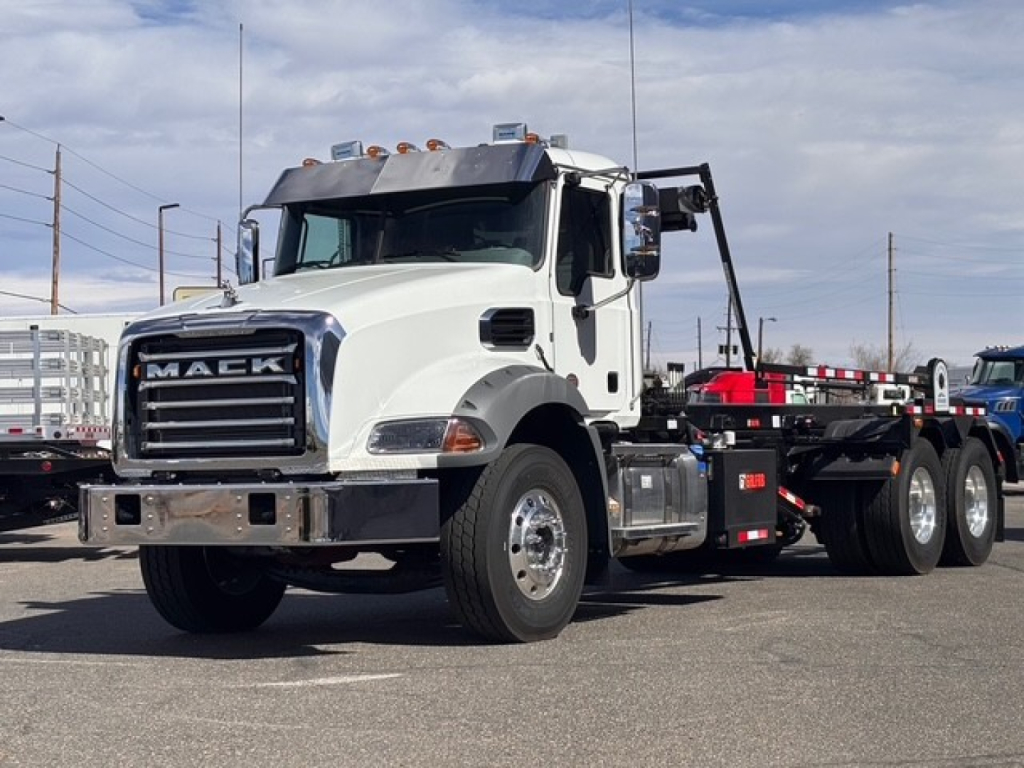
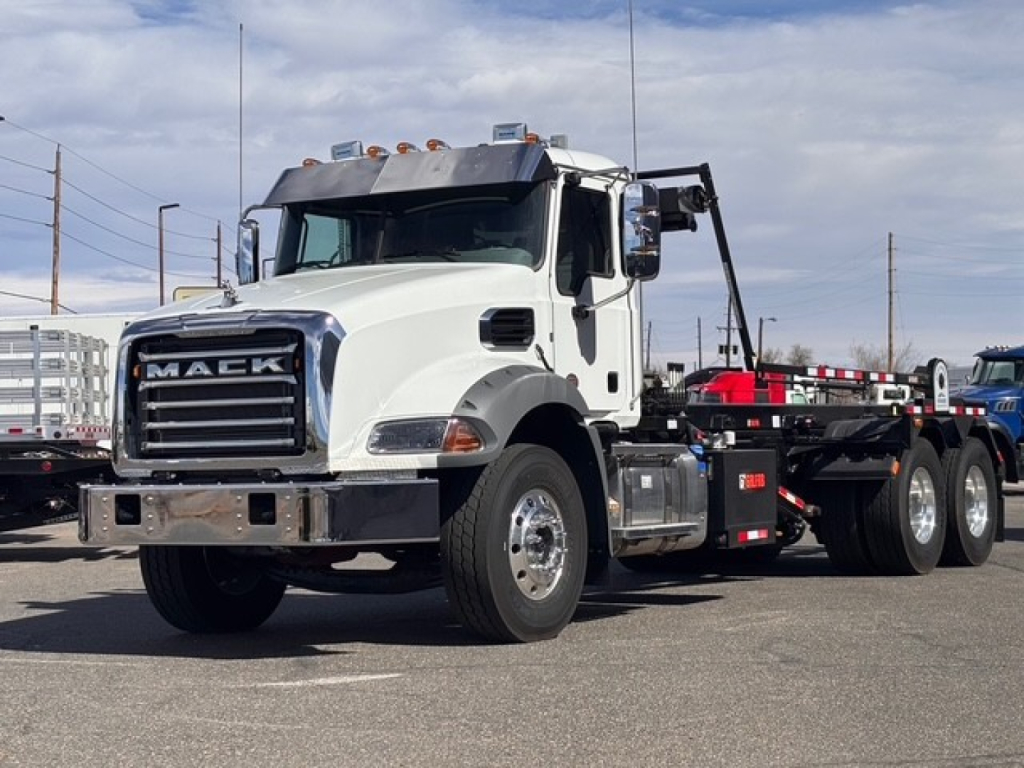
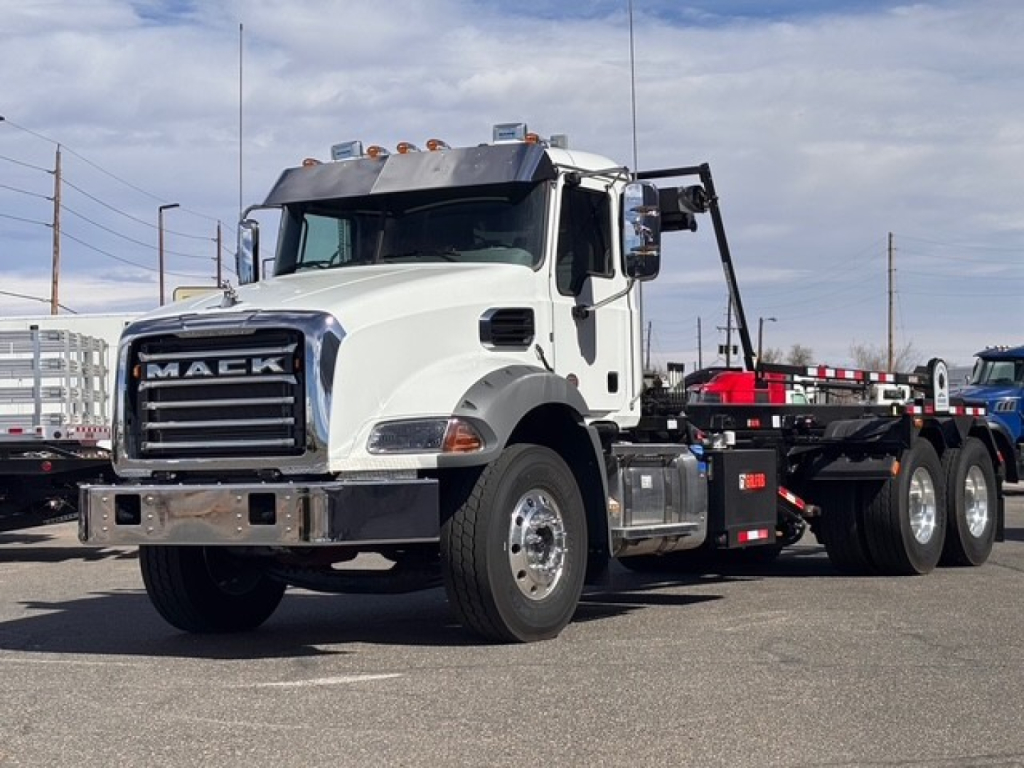
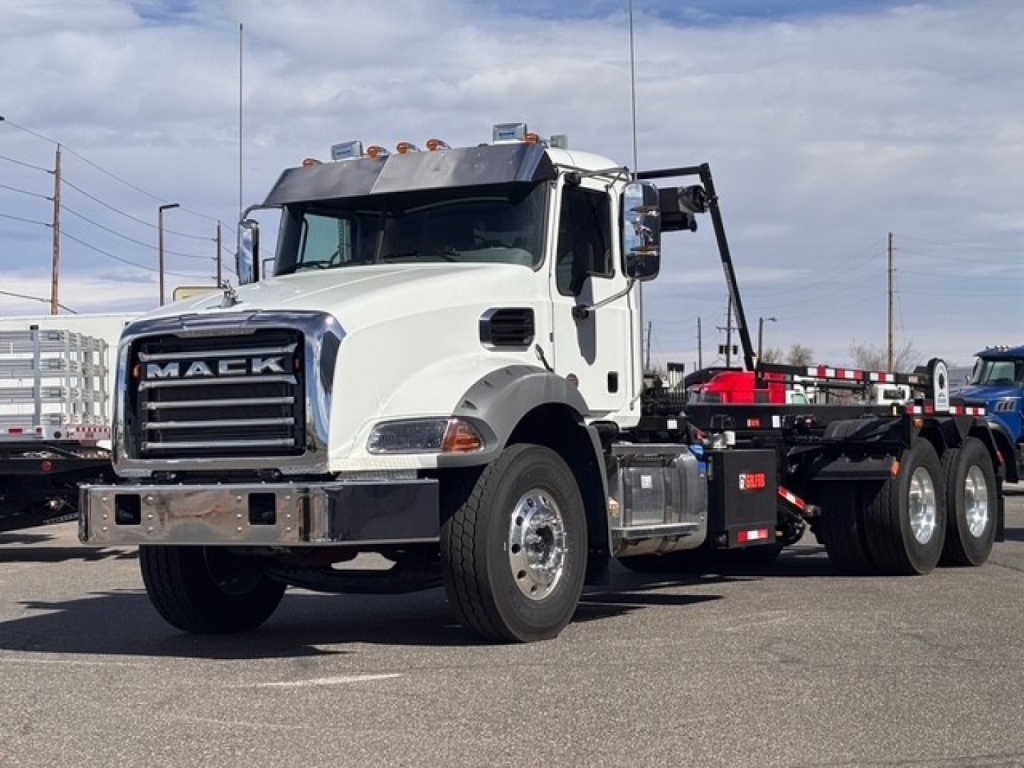
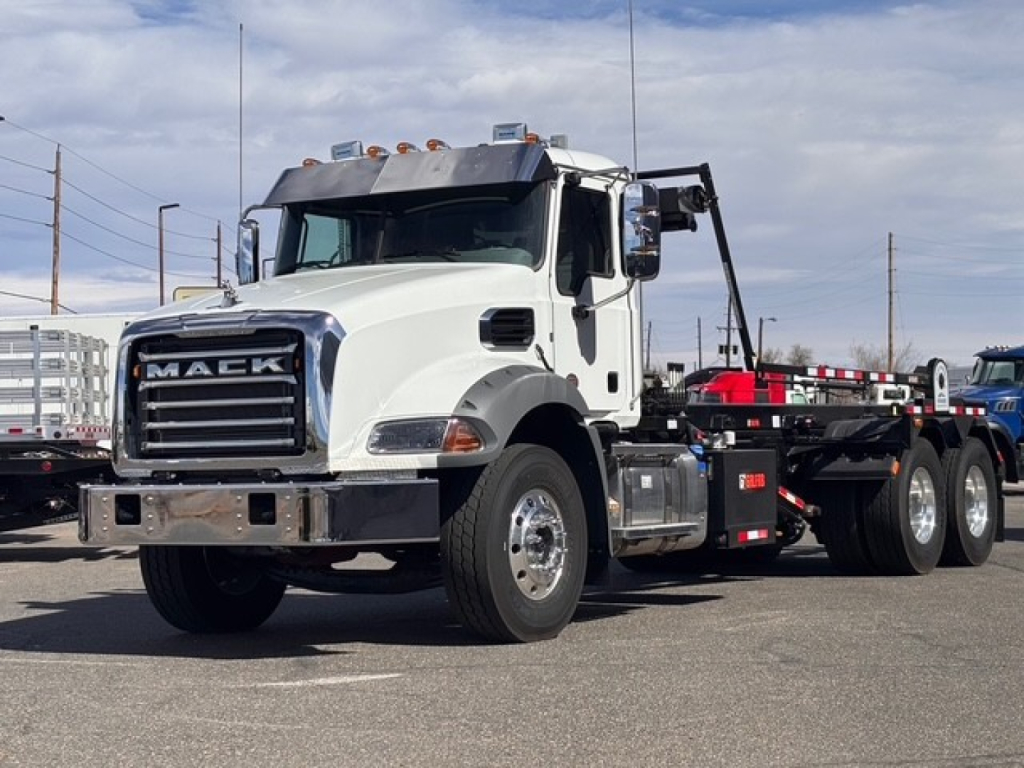
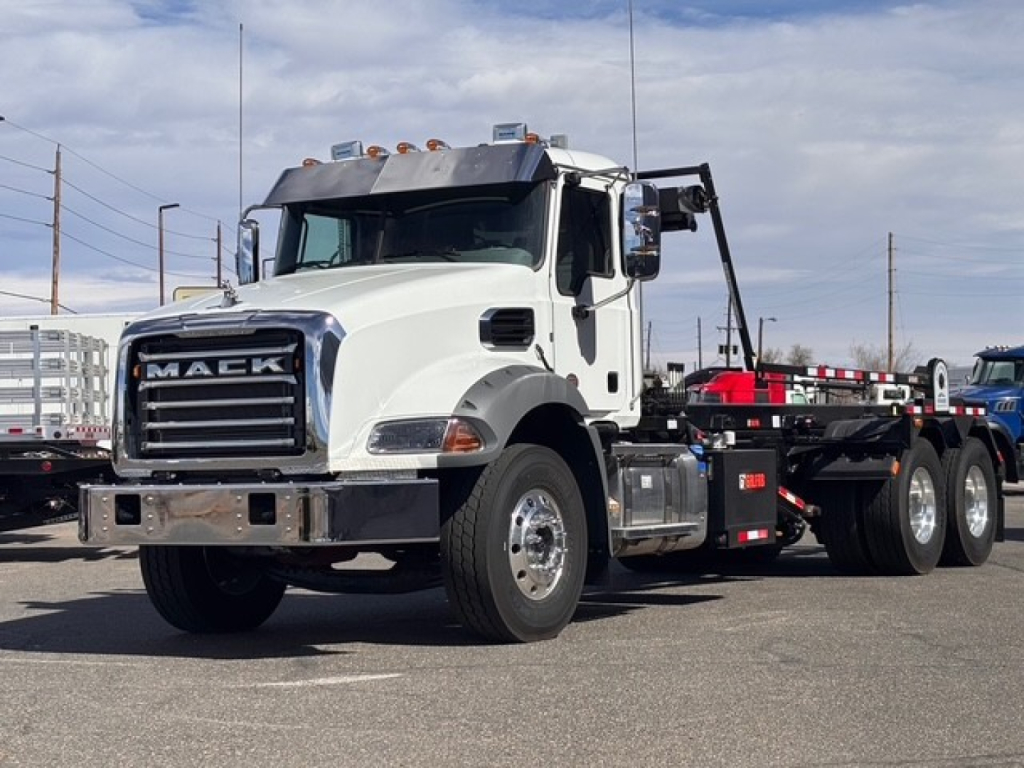
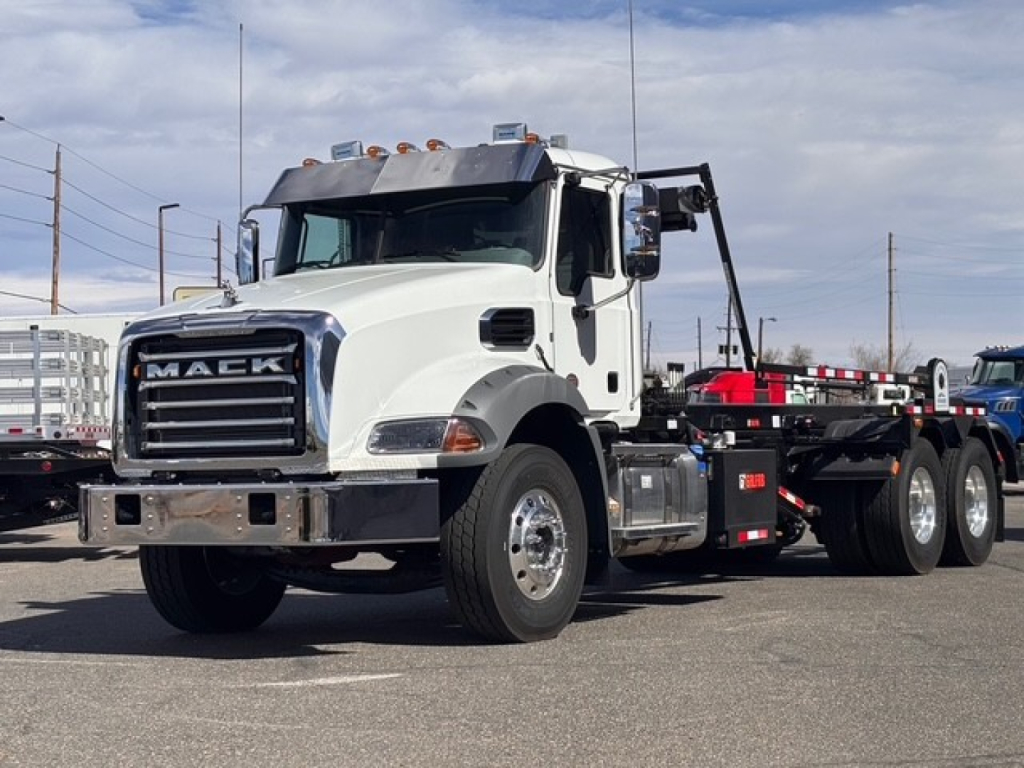
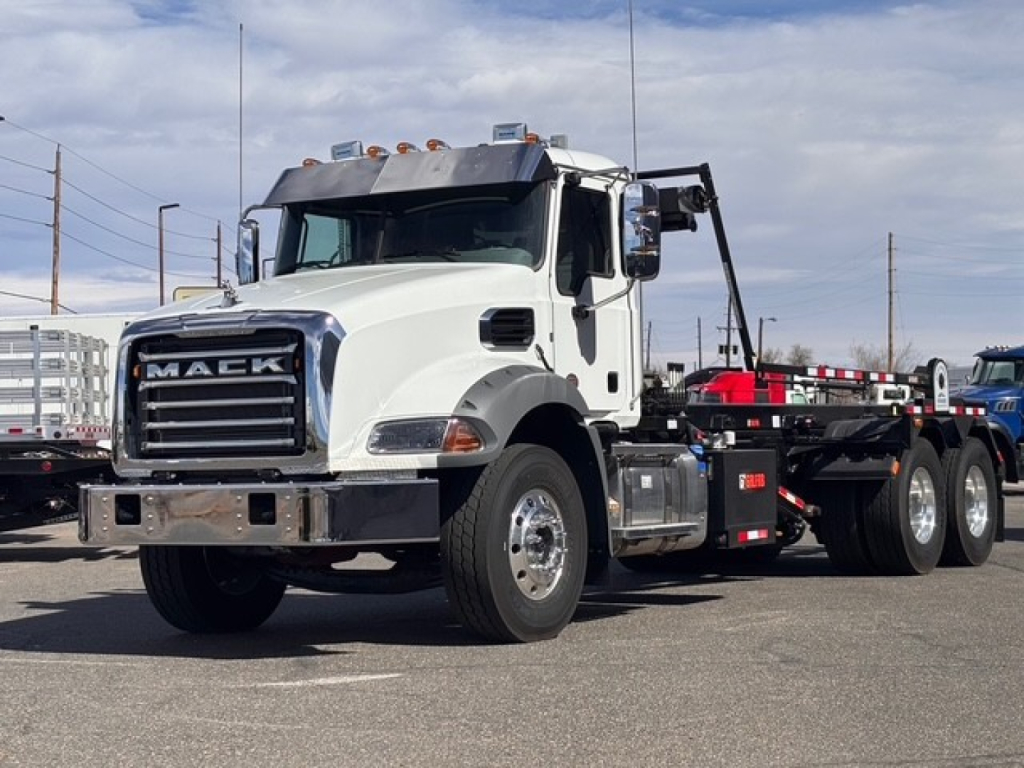
Showing 13 to 24 of 24 results
Have rolloff truck to sell? List it here to reach thousands of buyers.
About Rolloff Trucks in Colorado
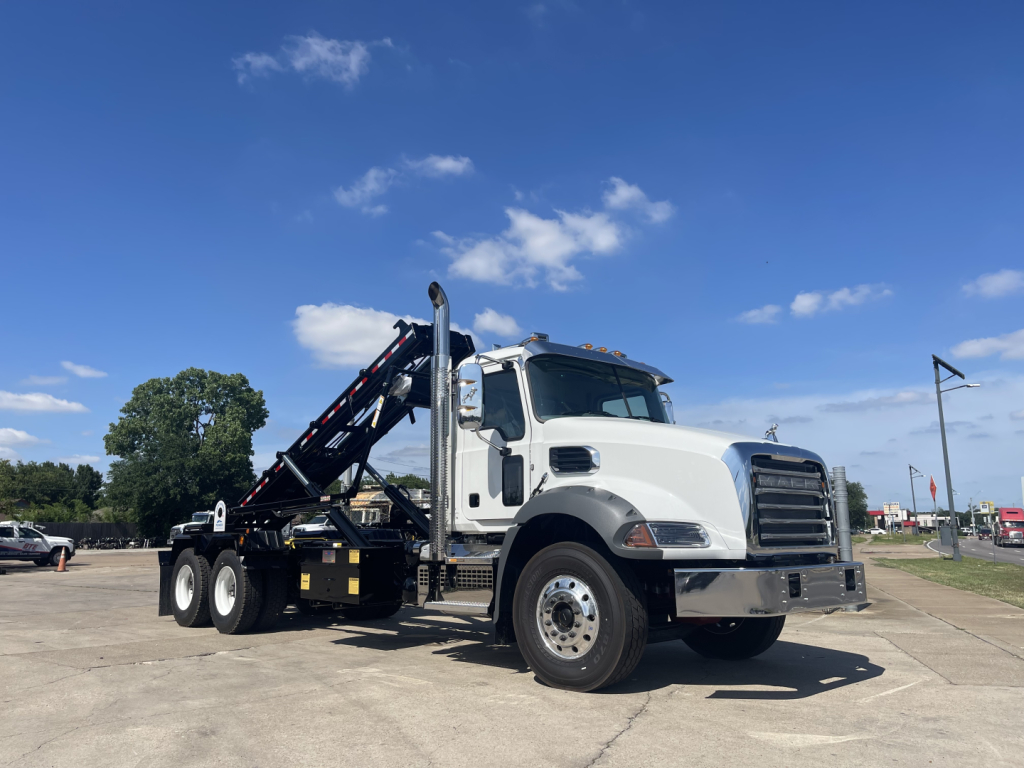
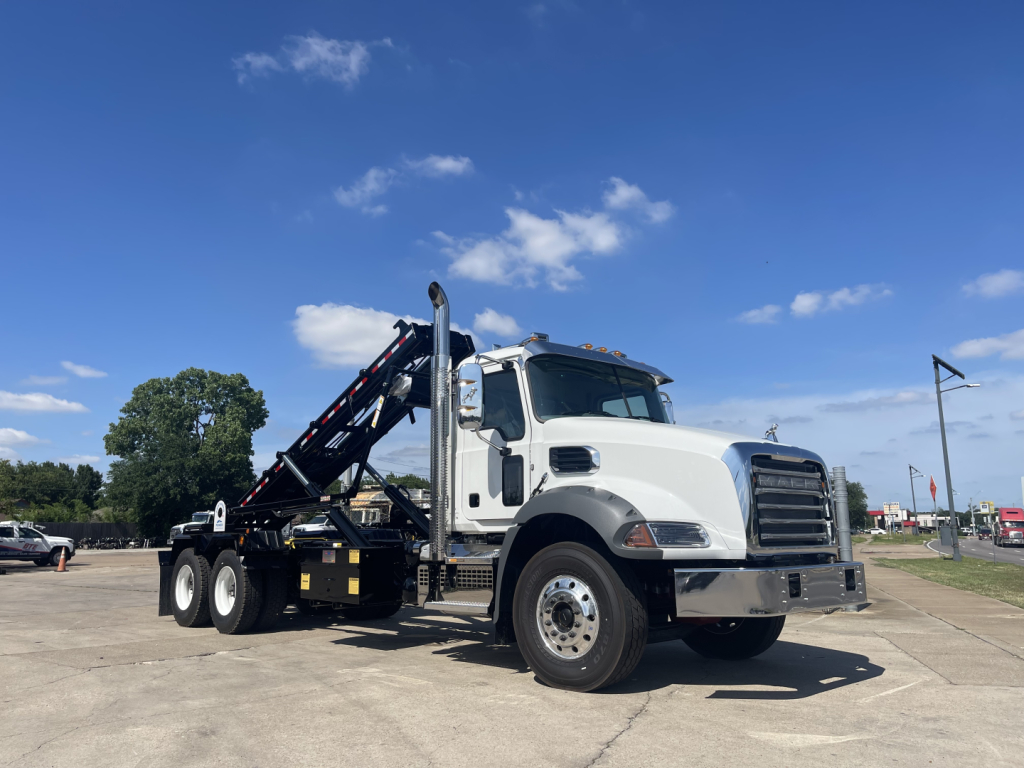
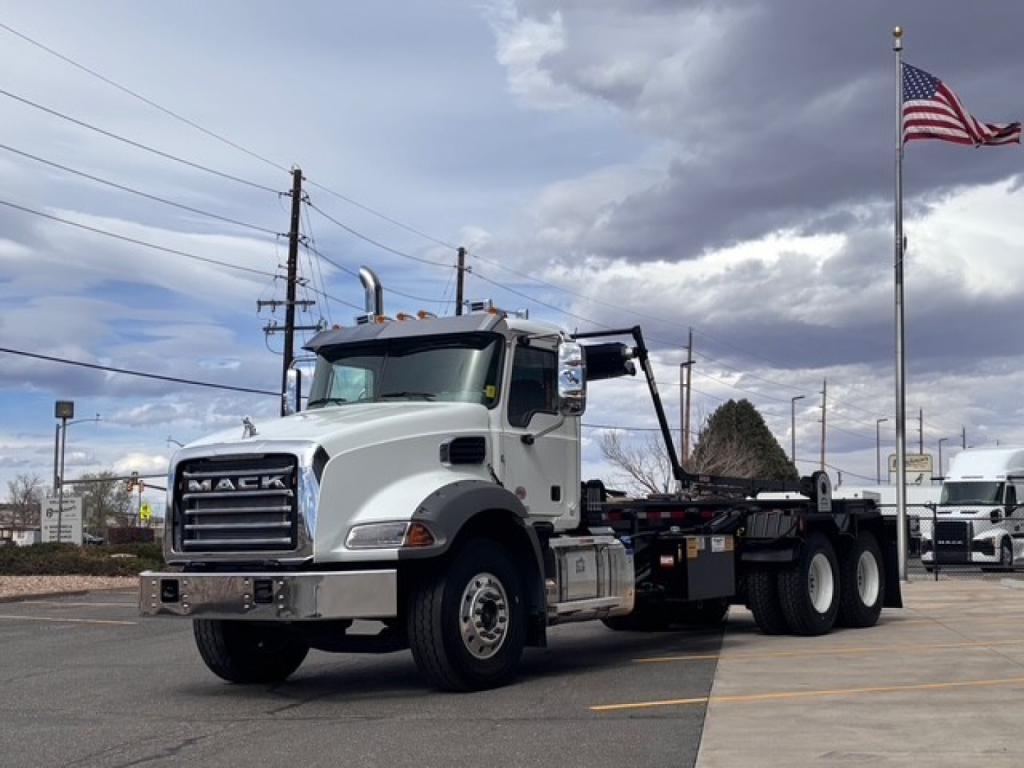
Rolloff trucks for sale in Colorado are built around two core systems, cable hoist and hooklift, each with distinct operating advantages. Cable hoists are simple, lighter in many cases, and excel with standardized outside‑rail containers, commonly 20 to 24 feet long, while hooklifts provide fast cycle times and precise body placement for mixed duty that may include flatbeds and water tanks. Typical capacities range from 60,000 to 75,000 pounds on tandem or tri axle chassis, and correct CA or CT dimensions are critical to keep container weight centered on the hoist long sills. For mountain grades and tight jobsites along the Front Range or Western Slope, spec wheelbase for maneuverability, consider a lift axle for bridge compliance, and match suspension ratings to frequent off road approach angles.
Floor strength matters because abuse concentrates at the container floor and the hoist subframe. Buyers running scrap or demolition should look for AR400 or AR450 floors at 3/16 inch or 1/4 inch with closely spaced crossmembers, wear runners, and reinforced rear sills to resist point loading at the tail roller. On the truck, a full length hoist subframe with heavy long sills, stout headframe, proper sheave diameter, and guarded reeving reduces flex and protects the chassis. Double frame inserts add rigidity for severe service, although they add weight, while high tensile single frames with properly boxed hoist mounts control deflection with less tare.
Tare weight drives payload and bridge compliance on Colorado routes. Hooklifts are versatile, often a few hundred pounds heavier than comparable cable hoists, so offset with aluminum wheels, aluminum air tanks, and a lighter pusher or tag axle where appropriate. Air ride smooths container loading and protects box floors, steel spring is rugged and resists roll, choose based on terrain and duty cycle. Pair the engine and transmission to the hoist demand, a PTO delivering 25 to 45 gpm at working rpm with a correctly sized reservoir shortens cycle times without overheating, and a predictable engine brake or transmission retarder is essential for long downhill control on I‑70.
Corrosion resistance is a priority in Colorado due to magnesium chloride and freeze thaw cycles. Look for hot dip galvanized or epoxy primed and powder coated hoists, zinc nickel or stainless hydraulic fittings, sealed Deutsch electrical connectors, stainless or composite battery boxes, and undercoating on frame and crossmembers. Thermal integrity is equally important, specify a hydraulic oil cooler, adequate tank volume with return line filtration, and a cold weather kit with tank heater and low temp hydraulic fluid to prevent cavitation on subfreezing starts. Automatic tarping, side guards around the hoist, bright LED work lights, and in cab hoist interlocks improve uptime and compliance, while correct container lock spacing and rail width ensure secure travel across rough mountain corridors.
Floor strength matters because abuse concentrates at the container floor and the hoist subframe. Buyers running scrap or demolition should look for AR400 or AR450 floors at 3/16 inch or 1/4 inch with closely spaced crossmembers, wear runners, and reinforced rear sills to resist point loading at the tail roller. On the truck, a full length hoist subframe with heavy long sills, stout headframe, proper sheave diameter, and guarded reeving reduces flex and protects the chassis. Double frame inserts add rigidity for severe service, although they add weight, while high tensile single frames with properly boxed hoist mounts control deflection with less tare.
Tare weight drives payload and bridge compliance on Colorado routes. Hooklifts are versatile, often a few hundred pounds heavier than comparable cable hoists, so offset with aluminum wheels, aluminum air tanks, and a lighter pusher or tag axle where appropriate. Air ride smooths container loading and protects box floors, steel spring is rugged and resists roll, choose based on terrain and duty cycle. Pair the engine and transmission to the hoist demand, a PTO delivering 25 to 45 gpm at working rpm with a correctly sized reservoir shortens cycle times without overheating, and a predictable engine brake or transmission retarder is essential for long downhill control on I‑70.
Corrosion resistance is a priority in Colorado due to magnesium chloride and freeze thaw cycles. Look for hot dip galvanized or epoxy primed and powder coated hoists, zinc nickel or stainless hydraulic fittings, sealed Deutsch electrical connectors, stainless or composite battery boxes, and undercoating on frame and crossmembers. Thermal integrity is equally important, specify a hydraulic oil cooler, adequate tank volume with return line filtration, and a cold weather kit with tank heater and low temp hydraulic fluid to prevent cavitation on subfreezing starts. Automatic tarping, side guards around the hoist, bright LED work lights, and in cab hoist interlocks improve uptime and compliance, while correct container lock spacing and rail width ensure secure travel across rough mountain corridors.