
Commercial Trucks For Sale Near Rolla, Missouri
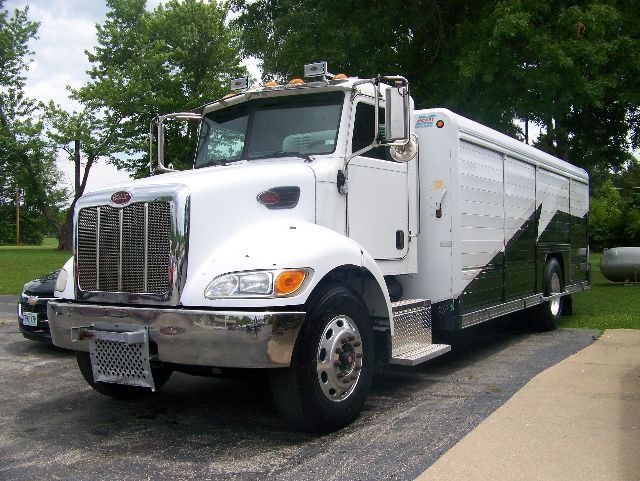
Have commercial truck to sell? List it here to reach thousands of buyers.
Commercial Trucks Near Rolla, Missouri
Powertrain and chassis specs matter more than paint or trim. Buyers should look closely at engine family, transmission type, rear axle ratio, brake system, and suspension because those items determine how the truck performs under load and how expensive it will be to operate. Cummins, PACCAR, Detroit, and International diesel platforms are common in this class, and Allison automatic transmissions are especially popular in delivery and stop-and-go applications. Front and rear axle ratings, wheelbase, tire size, and frame condition should match the body and intended payload. On used trucks, service history, idle hours, PTO operation if equipped, and signs of rust or previous structural repair are key inspection points.
Body configuration can change the value of a truck as much as the chassis itself. A box truck with roll-up doors, shelving, liftgate, or side-access doors may be ideal for route delivery, moving, or mobile service work. Flatbeds and stake bodies suit building materials and equipment transport, while dumps, mechanics trucks, and utility bodies are built around vocational jobsites. Interior condition still matters, but uptime features such as air ride seating, cruise control, working A/C, lighting, and clean electrical accessories tend to have more impact on day-to-day usability. Buyers running local Missouri routes should also consider bridge law, turning radius, and gearing for mixed highway and town driving.
The best truck choice is the one that balances body spec, legal payload, and maintenance simplicity. A single-axle truck is usually easier to maneuver and cheaper to run, while heavier tandem applications make sense when payload or body equipment demands it. For buyers comparing multiple used trucks, the smartest approach is to verify GVWR, confirm the body manufacturer, inspect tires and brakes, and make sure the chassis spec matches the work instead of assuming all trucks in the same model family are built alike. In the used market, a clean, correctly spec'd work truck usually outperforms a newer unit with the wrong configuration.
Frequently Asked Questions about Commercial Trucks Near Rolla, Missouri
What should I look for first when comparing used trucks for sale?
Start with the truck's actual job match. Confirm the body style, GVWR, axle ratings, wheelbase, and engine-transmission combination before focusing on cosmetics. A delivery truck, contractor truck, and municipal truck can all look similar online but be spec'd very differently. On a used truck, maintenance records, frame condition, brake and tire wear, and evidence of leaks or rust are often more important than odometer reading alone.
What is the difference between a box truck and a straight truck?
A straight truck is a broad term for a truck with all axles attached to one chassis, unlike a tractor-trailer combination. A box truck is a type of straight truck fitted with an enclosed cargo body, also called a cube van in some markets. That means every box truck is a straight truck, but not every straight truck is a box truck. Other straight truck configurations include flatbeds, dumps, refrigerated bodies, and utility bodies.
Is an automatic transmission a good choice in a commercial truck?
For many medium-duty applications, yes. Allison automatic transmissions are common in local delivery, service, and route work because they reduce driver fatigue and perform well in frequent stop-and-go operation. An automatic can also help with driver recruitment and training. The tradeoff is that buyers should confirm service intervals, fluid condition, and that the transmission is properly matched to the truck's GVWR and intended payload.
How important is GVWR when buying a used truck?
GVWR is one of the most important numbers on the truck because it affects legal operation, payload capacity, registration, and in some cases CDL requirements. A truck with a GVWR of 26,000 pounds or less may fit a different operating model than one rated at 33,000 pounds. Buyers should not assume body size equals payload capability. Always verify the door tag or manufacturer plate, then compare that rating against the empty weight and the real load the truck will carry.
What used truck features add the most value for local delivery or service work?
The highest-value features are usually the ones that improve uptime and daily efficiency. On a local truck, that often includes a reliable diesel engine, automatic transmission, air brakes where appropriate, good tire condition, working A/C, clean electrical systems, and easy cargo access. For box trucks, roll-up doors, side doors, shelving, and liftgates can materially improve productivity. A truck with the right body equipment and a sound maintenance history is often worth more than a similar chassis with fewer useful upfits.