
Refrigerated Trucks For Sale in Texas
Explore refrigerated trucks in Texas, including reefer box trucks with common body sizes, liftgates, diesel cooling units, and route-ready specs.
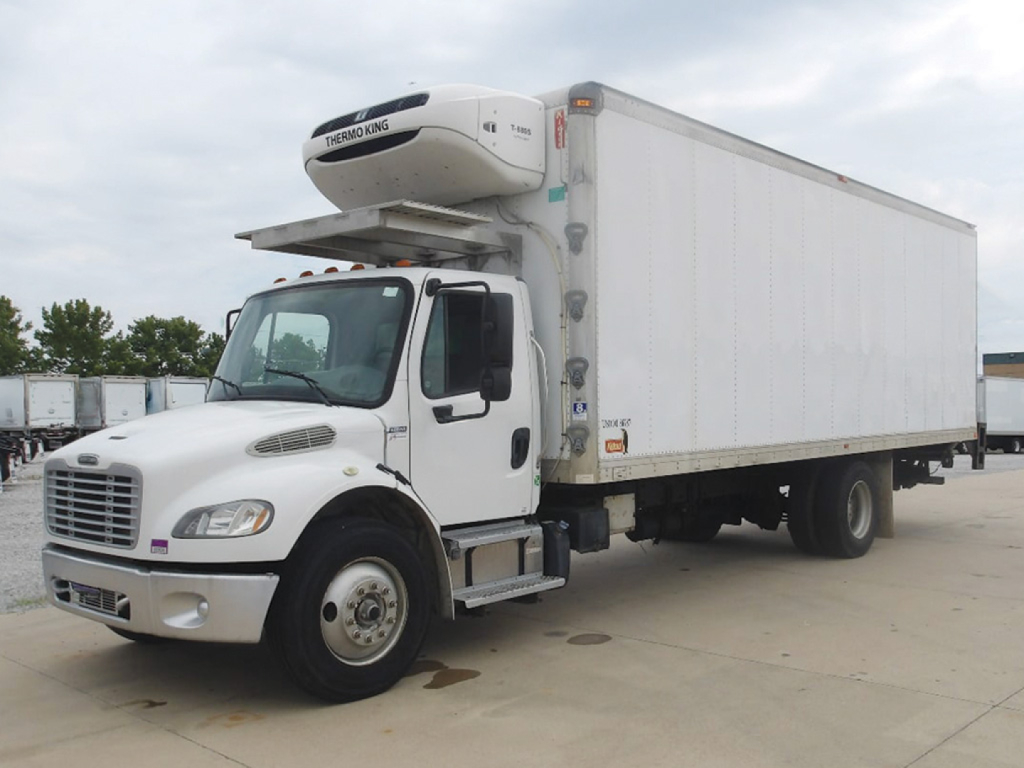
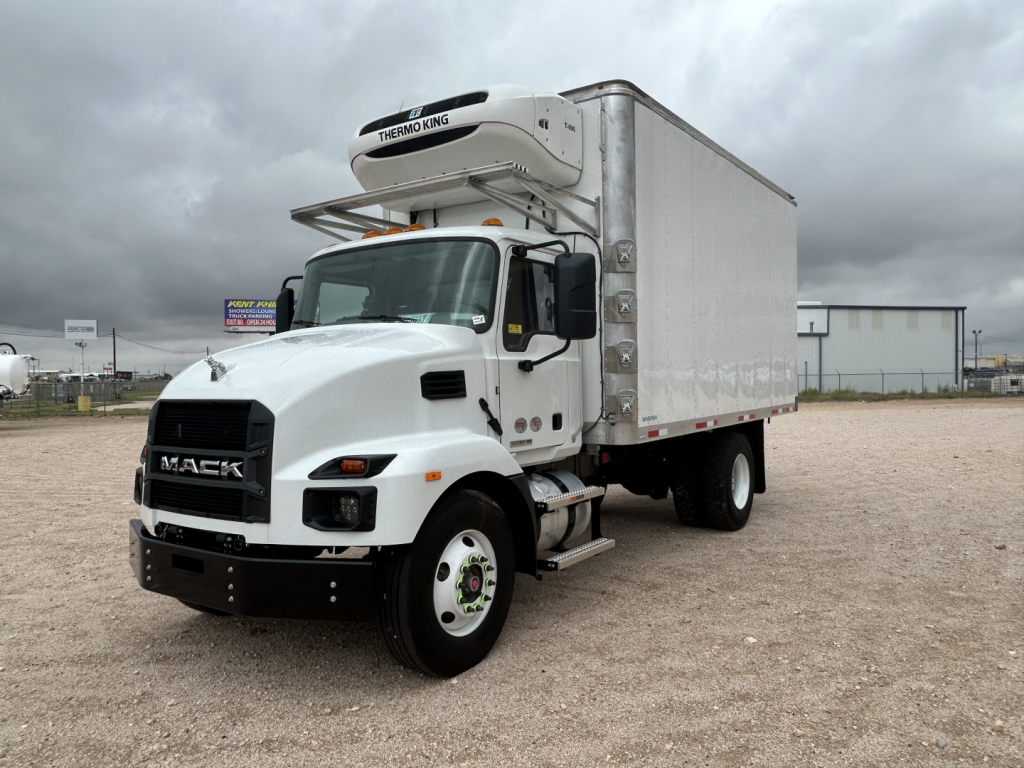

Have refrigerated truck to sell? List it here to reach thousands of buyers.
Refrigerated Trucks in Texas
The first buying decision is usually body size and temperature requirement. A 16-foot reefer truck can make sense for tight city routes, restaurant supply, or non-CDL applications when GVWR stays under 26,000 pounds. A 24-foot or 26-foot body is more common for higher cube delivery and broader route density, especially when paired with a liftgate and side door. Buyers should look closely at insulation thickness, door seal condition, floor type, and evaporator layout. Aluminum T-flooring is common in food service applications because it supports airflow under pallets or rolling carts. If the truck will carry mixed loads, a bulkhead or multi-temp configuration may be more important than raw box length.
The refrigeration unit deserves the same scrutiny as the chassis. Unit hours, pull-down performance, temperature hold, defrost operation, and service history tell more than appearance alone. In Texas heat, an older unit that still cools in mild weather may struggle during summer route work, especially with frequent door openings. It is smart to confirm the reefer can maintain the target range under load, not just empty at idle. Fuel source also matters. Many medium-duty reefer trucks use diesel-powered refrigeration units independent of the truck engine, while some smaller setups may use engine-driven systems. Liftgate capacity, curbside doors, rear roll-up versus swing doors, and standby electric capability can also affect day-to-day efficiency depending on dock access and delivery style.
On the chassis side, common specs include automatic Allison transmissions, diesel engines in the 230 to 300 horsepower range, and GVWRs from about 25,995 to 31,000 pounds. Rear axle ratio, suspension type, and wheelbase all influence how the truck performs with a full insulated body and constant stop-and-go duty. Spring suspension is simple and durable, while air ride can improve ride quality for sensitive cargo. Pay attention to reefer body weight, payload after upfit, and the impact of a liftgate on usable capacity. A refrigerated truck is only as productive as its uptime, so buyers should evaluate both sides of the truck together: engine, transmission, brakes, and cooling system on one side, then body integrity, insulation, and refrigeration performance on the other.
Frequently Asked Questions about Refrigerated Trucks in Texas
What is the difference between a refrigerated truck and a standard box truck?
A refrigerated truck uses an insulated body and a refrigeration unit to control cargo temperature, while a standard box truck is only enclosed and does not actively cool freight. The reefer body is designed to reduce heat gain, protect product integrity, and maintain a specific temperature range during delivery. That makes it suitable for frozen, chilled, or temperature-sensitive cargo that would spoil or degrade in a dry van body.
What body size is most common for a reefer truck?
Common refrigerated truck body lengths range from 16 to 26 feet. Shorter 16-foot bodies are often used for local delivery, tight urban routes, and some non-CDL applications. Longer 24-foot and 26-foot bodies are common for food service, grocery distribution, and higher-volume route work because they offer more cubic capacity and pallet positions. The right size depends on payload, stop frequency, dock access, and whether the truck needs a liftgate or side door.
How important are reefer unit hours on a used refrigerated truck?
Reefer unit hours are one of the most important indicators of wear on a used refrigerated truck. A refrigeration unit can accumulate substantial operating time even when the truck itself is not moving, so low chassis miles do not always mean low reefer use. Buyers should compare unit hours with service records, inspect for consistent maintenance, and verify that the unit pulls down to temperature quickly and holds temperature under real operating conditions.
Can a refrigerated truck be non-CDL?
Yes, some refrigerated trucks are configured to stay under a 26,000-pound GVWR threshold, which can make them non-CDL in many applications. This is common with Class 5 and some Class 6 chassis paired with shorter insulated bodies. Buyers still need to account for body weight, refrigeration equipment, liftgate weight, and actual payload, because a non-CDL rating can limit carrying capacity if the truck is heavily upfitted.
What should I inspect on a used reefer body besides the chassis?
Inspect the box structure, insulation integrity, interior lining, floor condition, door seals, hinges, latch hardware, drains, and any evidence of water intrusion or delamination. Check the evaporator and condenser condition, confirm clean airflow, and verify that the unit cycles correctly through cooling and defrost. If the truck has a liftgate, test operation under load if possible. Damage to seals, flooring, or insulation can reduce temperature control and increase operating cost even when the chassis runs well.