
Isuzu Refrigerated Trucks For Sale
Browse Isuzu refrigerated trucks with insulated van bodies, diesel reefer units, and medium-duty specs built for cold-chain delivery.
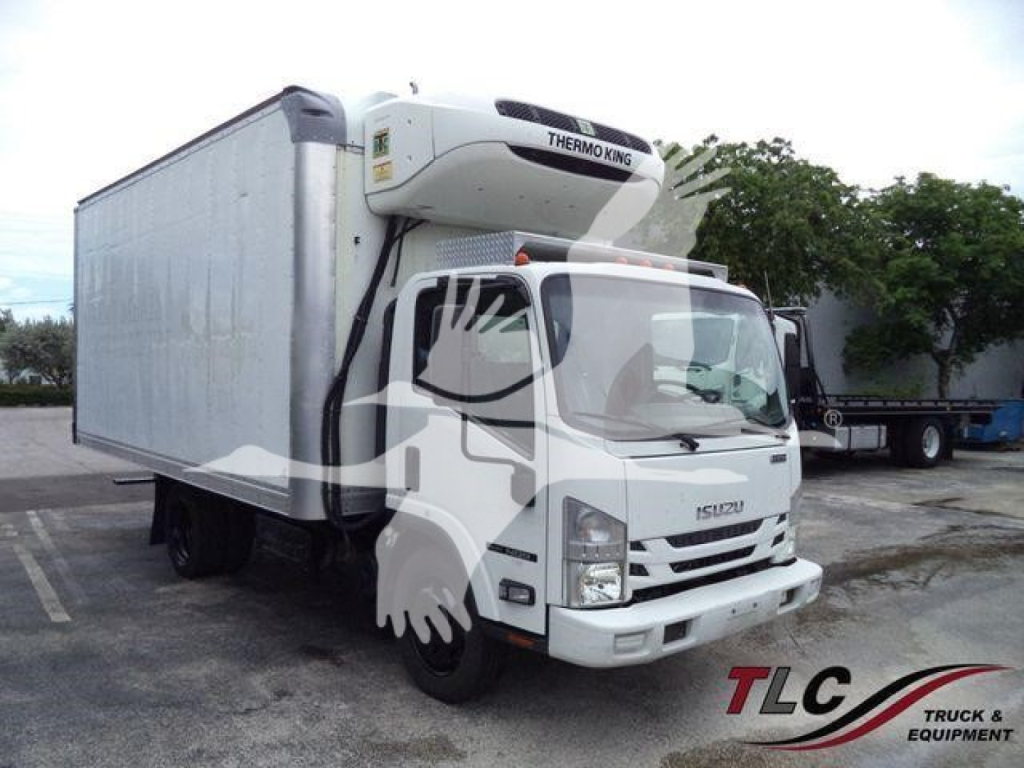
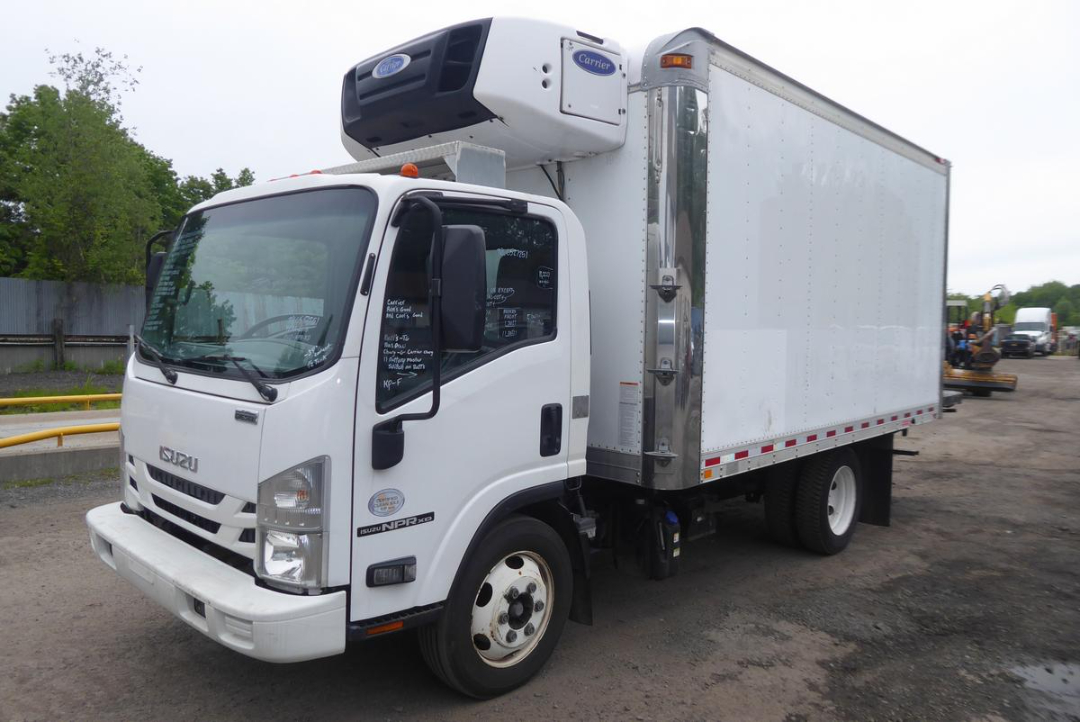
Selling a isuzu refrigerated truck? List your isuzu refrigerated truck for sale and reach thousands of commercial buyers.
Isuzu Refrigerated Trucks
A buyer should start with payload and temperature-control requirements. Many Isuzu reefer trucks in this class run in the 12,000 to 19,500 GVWR range, with common body lengths around 10 to 18 feet depending on chassis and application. Power typically comes from the Isuzu 4HK1 diesel, often paired with an automatic transmission, which is a well-known setup for urban stop-and-go delivery. On the body side, details like aluminum or hardwood floors, roll-up versus swing doors, side doors, scuff liners, drain provisions, and insulation thickness have a direct impact on durability and daily usability. Reefer equipment is commonly from Carrier or Thermo King, and buyers should look closely at unit hours, fuel source, electric standby capability, and how quickly the box pulls down to target temperature.
Condition matters as much as base spec on a refrigerated truck because the cold box and refrigeration unit create a second layer of wear beyond the chassis itself. Check for soft spots in the floor, damage to interior lining, door seal condition, corrosion around the bulkhead and evaporator mounts, and signs of past insulation or roof repairs. On the reefer side, service records, compressor condition, refrigerant performance, and defrost function are critical. For the chassis, brake type, axle ratings, wheelbase, and suspension setup all affect ride quality, dock approach, and payload balance. A shorter wheelbase Isuzu can be ideal for dense city routes, while a longer cab-to-axle setup may support a larger box and more product volume.
Operating cost is one reason these trucks stay popular in last-mile refrigerated delivery. Isuzu medium-duty platforms are known for easy ingress and egress, practical cab ergonomics, and compact dimensions that suit multi-stop routes. The right spec depends on what you haul and how often doors are opened. Frozen routes may need a stronger reefer and tighter door management, while fresh or chilled distribution may prioritize payload, access, and standby power for overnight loading. Buyers comparing Isuzu refrigerated trucks should weigh reefer hours, body condition, box dimensions, and maintenance history just as heavily as engine miles.
Frequently Asked Questions about Isuzu Refrigerated Trucks
What Isuzu models are most common for refrigerated truck applications?
The most common Isuzu refrigerated truck platforms are the NPR, NPR HD, NQR, and NRR. These cabover medium-duty chassis are widely used for insulated van bodies because they provide good visibility, tight turning radius, and efficient overall length for city delivery. The correct model usually depends on the finished body size, target payload, and gross vehicle weight rating required for the route.
What should I inspect first on a used Isuzu refrigerated truck?
Start with the refrigeration unit, insulated body, and door seals before focusing only on chassis miles. A reefer truck can look sound mechanically while still having expensive issues in the box or temperature-control system. Check reefer hours, pull-down performance, evaporator condition, floor wear, interior wall damage, roof condition, and any gaps in the door seals. Then review engine, transmission, brake, and suspension condition along with service records for both the truck and the reefer unit.
How important are reefer unit hours on an Isuzu refrigerated truck?
Reefer unit hours are very important because they reflect wear on the refrigeration system separately from chassis mileage. A truck with moderate road miles can still have high reefer hours if it spent long periods idling for route work or stationary cooling. Buyers should compare reefer hours with maintenance records, current cooling performance, and the unit’s age. High hours are not automatically a deal breaker, but they do raise the importance of documented service and tested temperature performance.
What box size is typical for an Isuzu refrigerated truck?
Many Isuzu refrigerated trucks carry insulated bodies in the 10 to 18 foot range, with 12 to 16 feet being common in local delivery applications. The best size depends on route density, dock access, product mix, and payload requirements. A smaller box can improve maneuverability and reduce empty weight, while a larger box increases cube for grocery, produce, or foodservice work. Buyers should compare body length with wheelbase, cab-to-axle measurement, and axle ratings to make sure the chassis is properly matched to the body.
Are Isuzu refrigerated trucks a good fit for city delivery routes?
Yes. Isuzu refrigerated trucks are often well-suited for urban and suburban delivery because the cabover design improves maneuverability and shortens overall vehicle length. That makes them practical for alleys, loading zones, narrow streets, and frequent stops. They are especially common in restaurant supply, grocery, bakery, floral, and medical distribution where temperature control and easy access matter as much as payload.