
GMC Refrigerated Trucks For Sale
Shop GMC refrigerated trucks built for temperature-controlled delivery, route work, catering, floral, dairy, and last-mile cold chain use.
Learn moreNo exact matches found for your search
Showing Refrigerated Trucks instead.

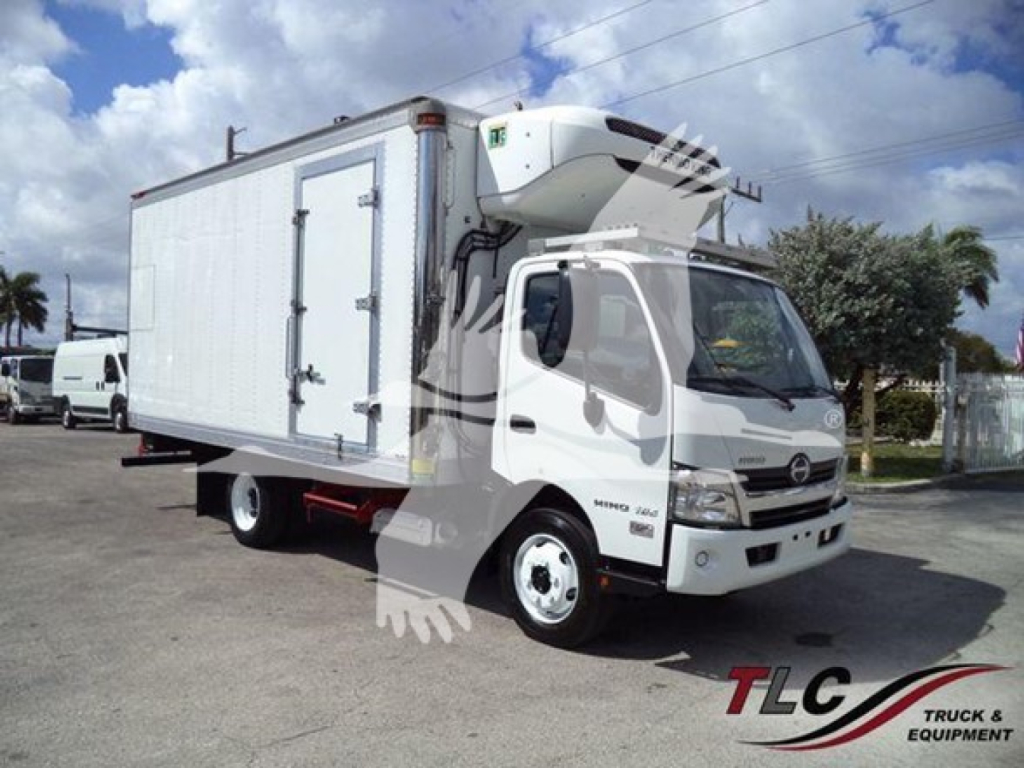
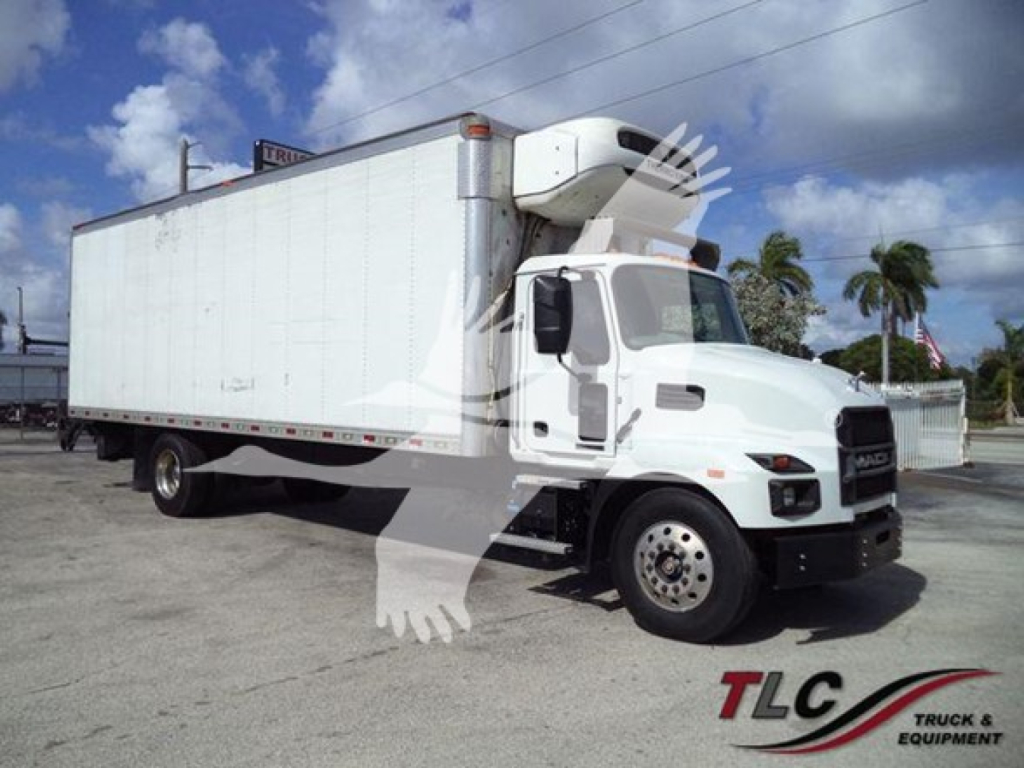
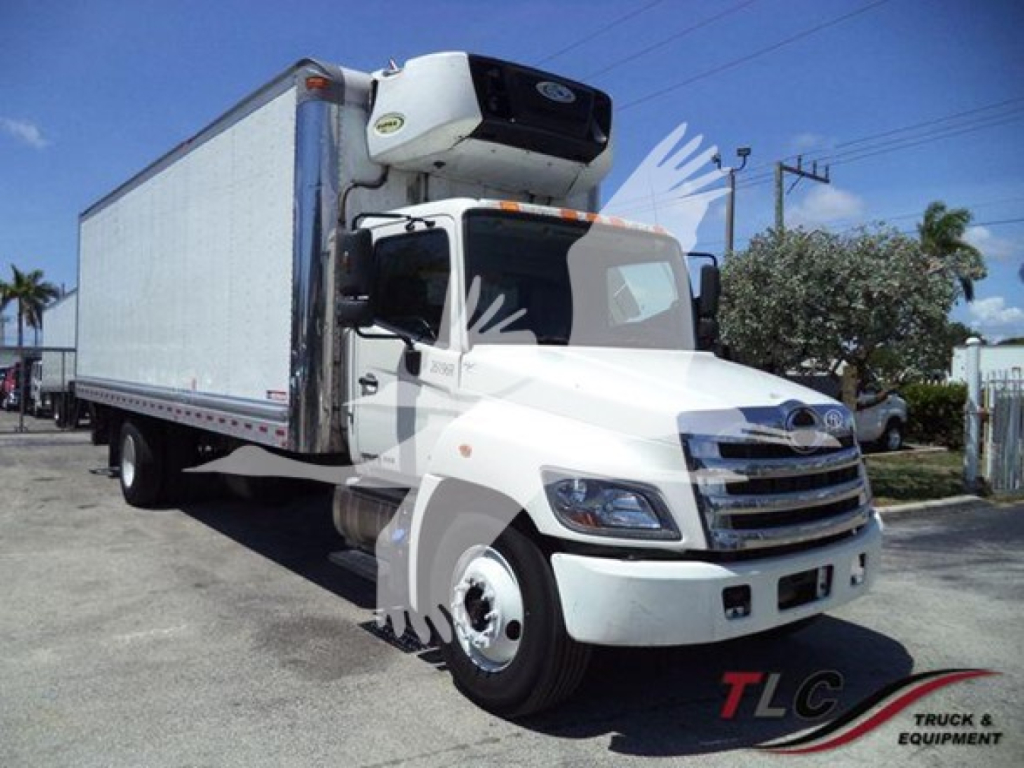
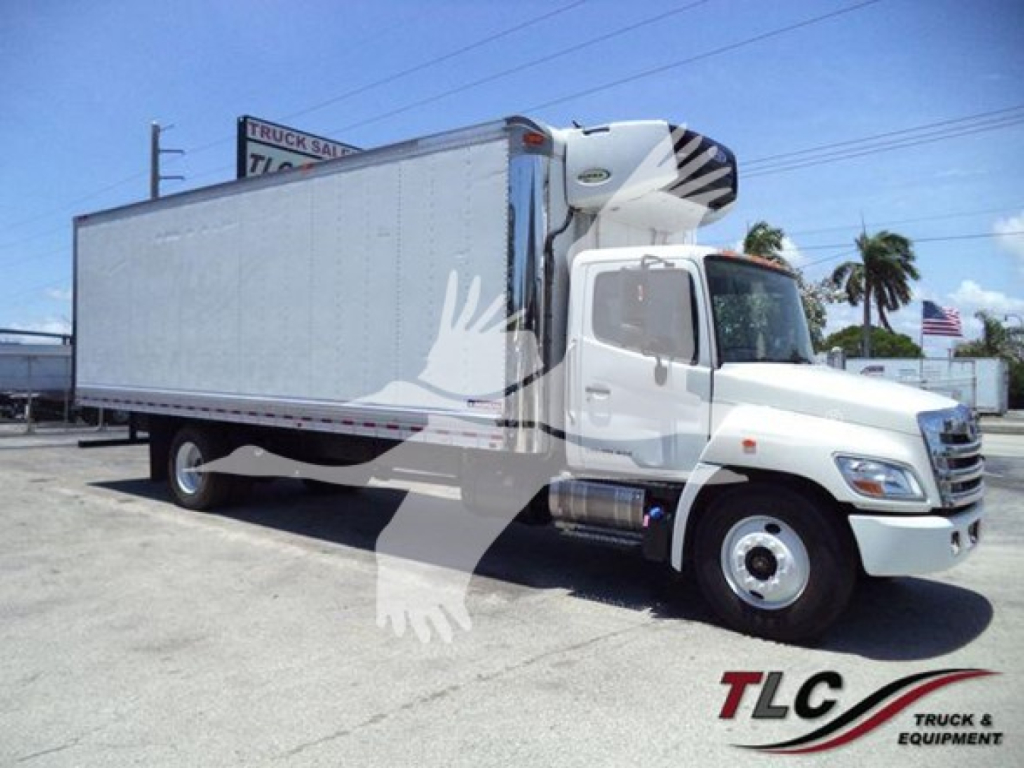
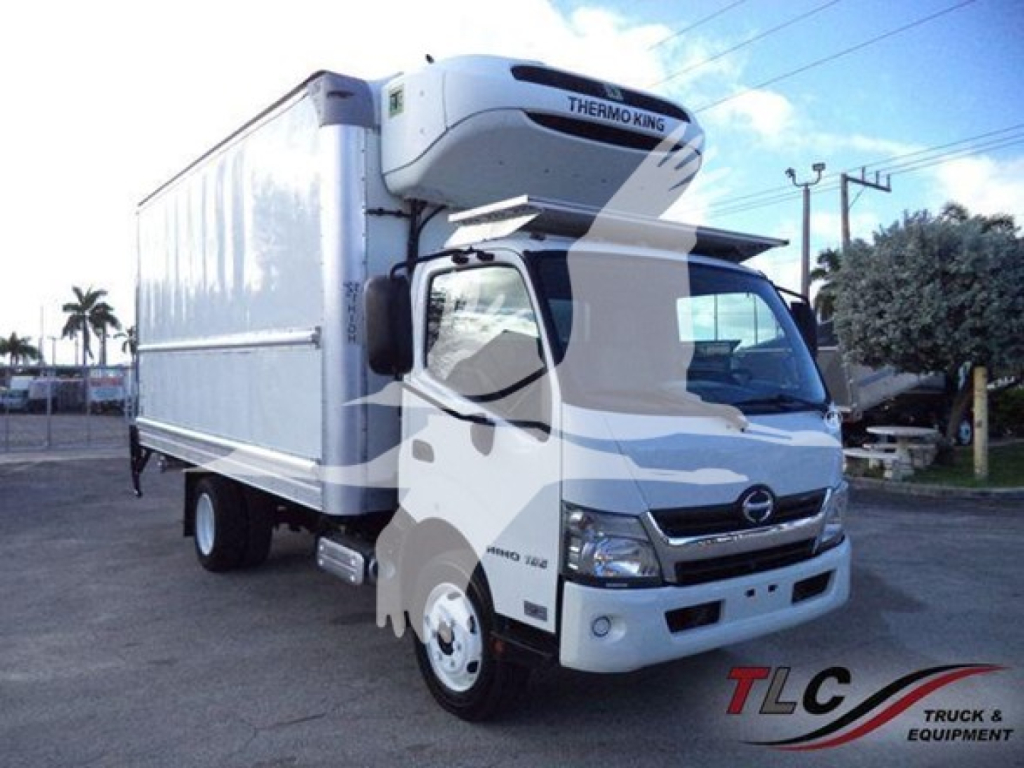
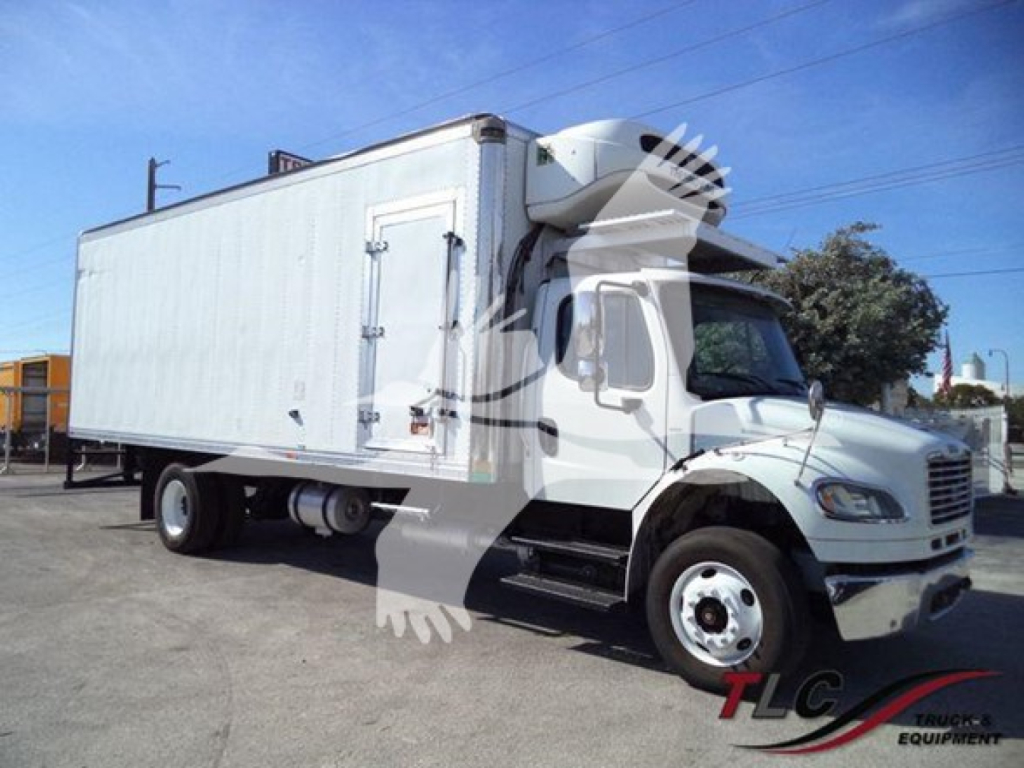
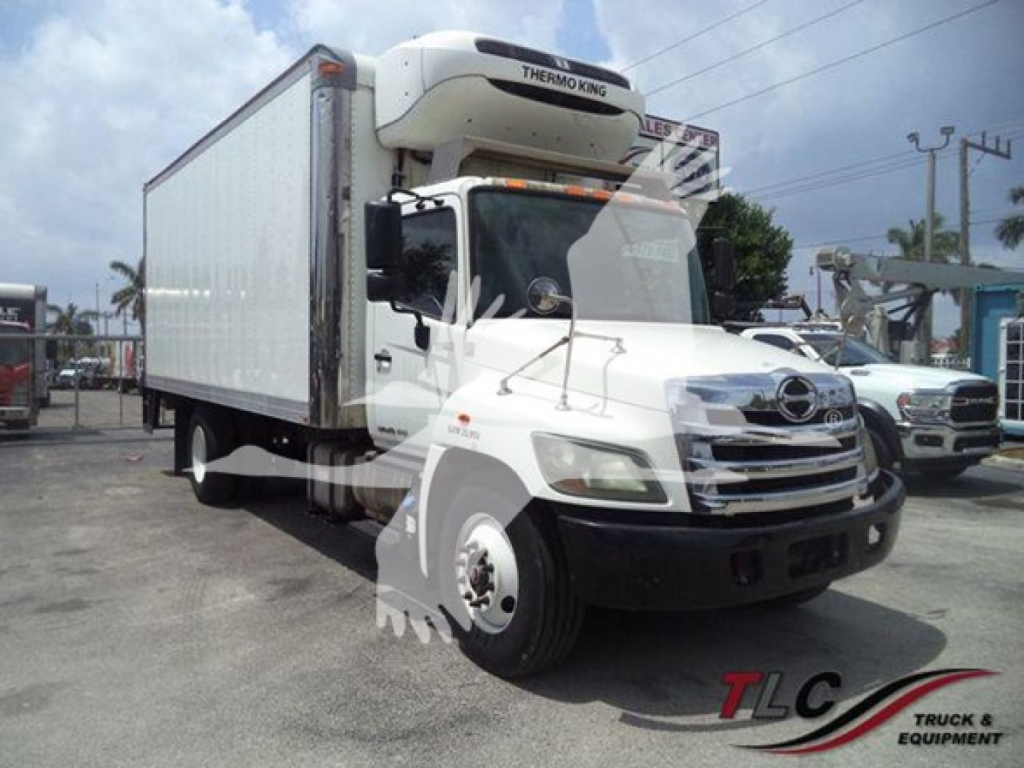
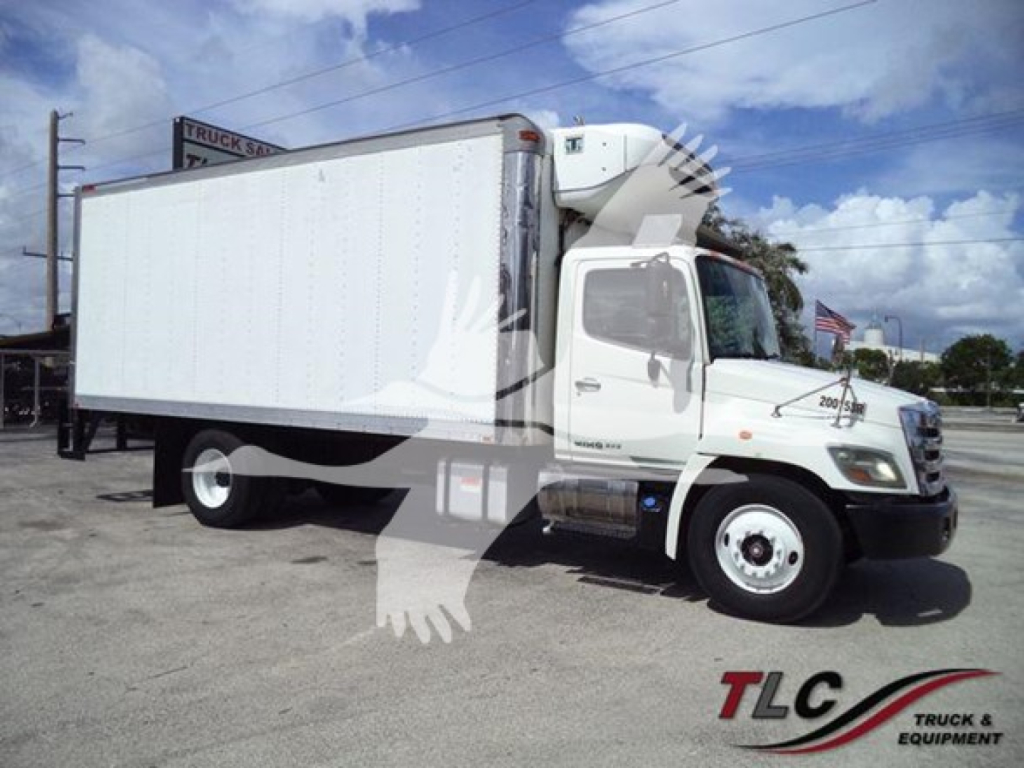
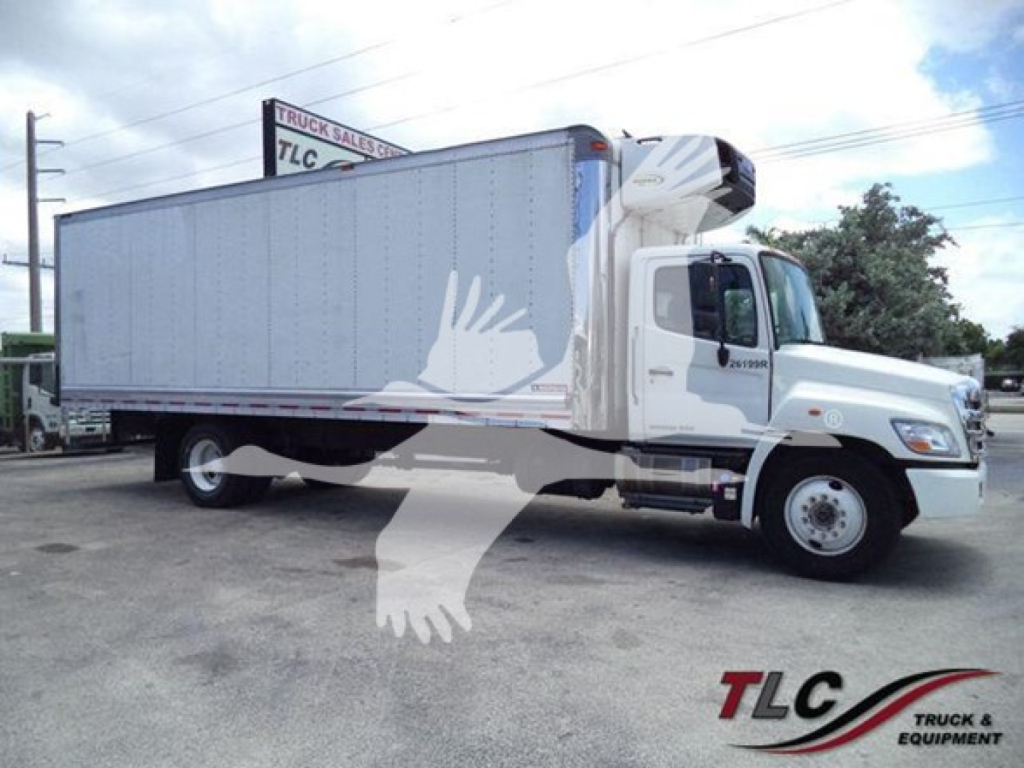
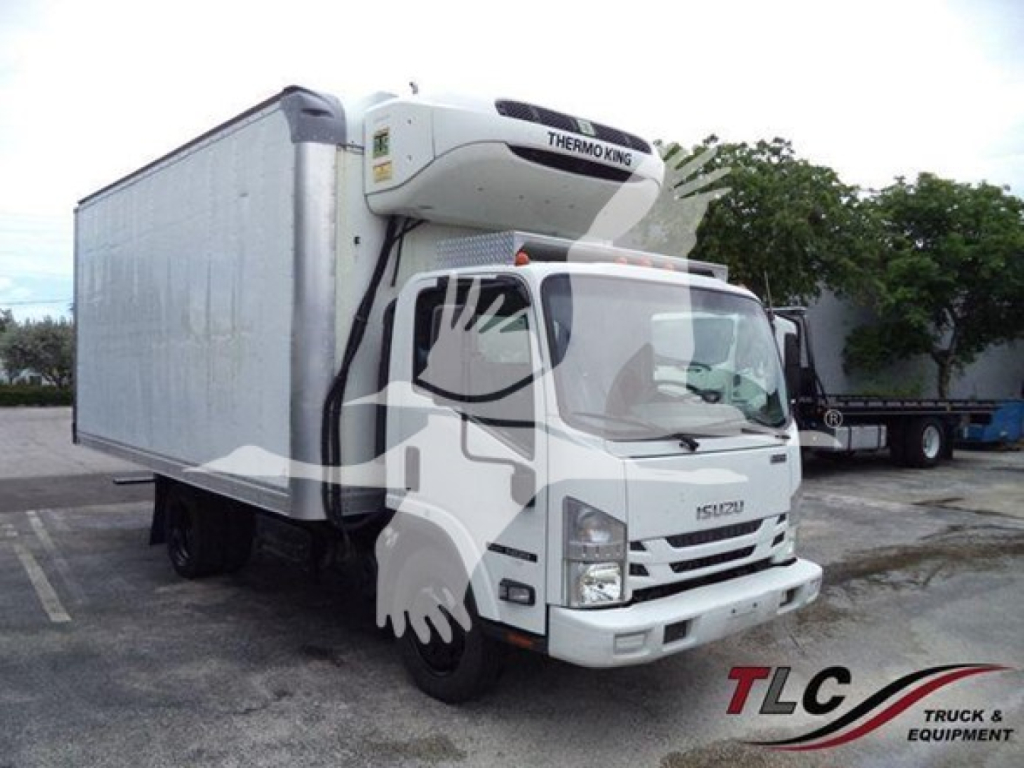
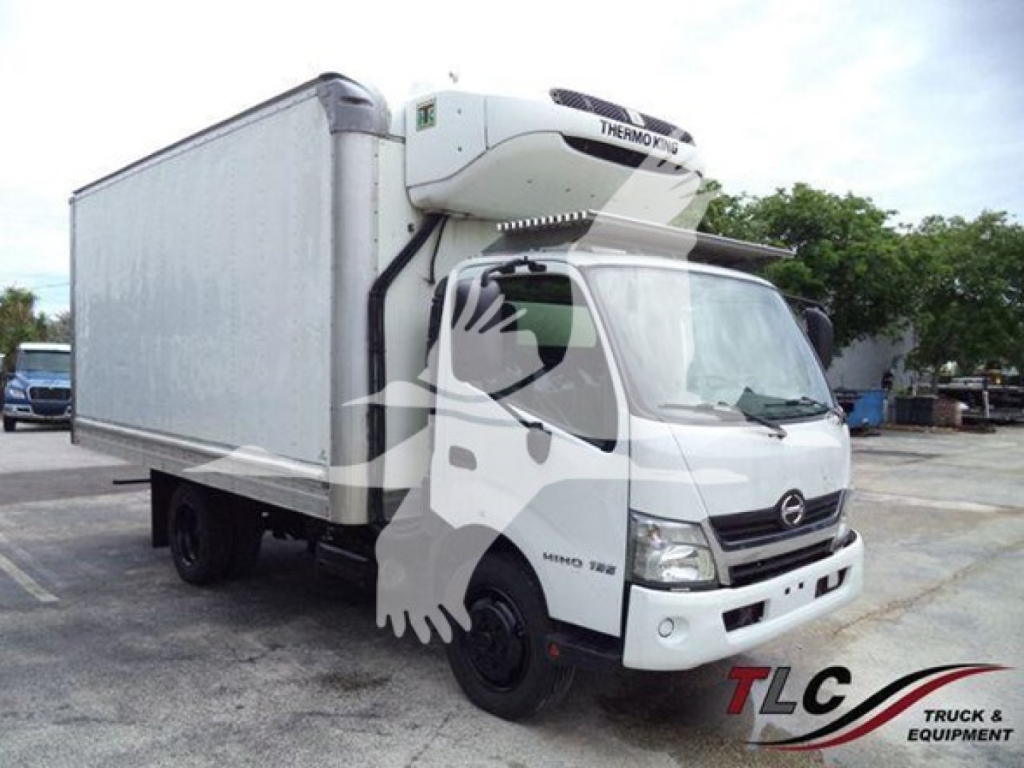
Showing 1 to 12 of 28 results
Have gmc refrigerated truck to sell? List it here to reach thousands of buyers.
About GMC Refrigerated Trucks
Body and refrigeration specs matter more than badge alone. Common configurations include insulated sidewalls, wood or aluminum floors, E-track, curbside access, and either swing or roll-up rear doors. Many units in this category carry Thermo King or Carrier truck refrigeration systems, and electric standby is a major plus if the truck spends time staged at a commissary, warehouse, or overnight plug-in location. Buyers should confirm box length, insulation condition, door seal integrity, evaporator placement, and whether the unit is designed for chilled product, frozen product, or multi-temp operation. If frozen service is required, pay close attention to floor construction, body thickness, and reefer unit capacity at pull-down.
On the chassis side, GMC refrigerated trucks commonly use gas engines in lighter GVWR classes, often paired with an automatic transmission and a single rear axle. That setup works well for stop-and-go route work where driver familiarity, service access, and lower acquisition cost are priorities. Wheelbase, rear axle ratio, and payload capacity deserve a close look because refrigerated bodies and reefer units add weight fast. A truck that seems ideal on paper can lose useful payload once insulation, standby equipment, and shelving are factored in. Suspension type, brake condition, tire size, and liftgate compatibility also affect daily usefulness if the truck is handling hand-unload or mixed dock delivery.
For buyers comparing GMC refrigerated trucks for sale, the smartest approach is to match the truck to product temperature, route density, and loading method before focusing on model year. A clean insulated body with a well-documented refrigeration unit can be more valuable than a newer chassis with weak service history. Ask for reefer hours, maintenance records, recent leak or seal repairs, and confirmation that the unit reaches and holds setpoint under load. If the truck will run foodservice or medical routes, sanitation condition and interior liner wear are just as important as engine specs.
Frequently Asked Questions
What are GMC refrigerated trucks typically used for?
GMC refrigerated trucks are commonly used for local delivery of perishable and temperature-sensitive cargo. Typical applications include grocery and restaurant supply, dairy, meat, produce, floral, bakery, catering, and some pharmaceutical or medical deliveries. Their size makes them especially useful on dense city routes, suburban deliveries, and operations that need cold chain control without stepping up to a much larger medium-duty platform.
What should I check first on a used GMC reefer truck?
Start with the refrigeration system and the insulated body, not just the chassis mileage. Confirm the reefer unit brand, model, hours, service history, and whether it has electric standby. Inspect door seals, wall condition, floor wear, evaporator area, and any signs of water intrusion or insulation breakdown. A reefer truck that cannot hold temperature consistently will create product loss and downtime even if the engine and transmission are in good shape.
Is a GMC Savana refrigerated truck good for city delivery routes?
Yes. A GMC Savana-based refrigerated truck is a strong choice for city and suburban route work because it is compact, easy to maneuver, and typically simple for drivers to operate. With an automatic transmission, gas engine, and shorter insulated body, it fits operations that make frequent stops, back into tight spaces, and deliver smaller loads to restaurants, stores, and institutions. The tradeoff is lower payload and cargo volume compared with larger medium-duty reefer trucks.
Do I need electric standby on a refrigerated truck?
Electric standby is highly valuable if the truck is parked for extended periods while keeping product cold, or if it loads from a facility with shore power access. It can reduce engine run time on the reefer unit, help with overnight temperature maintenance, and lower fuel use in certain operations. For route trucks that are constantly moving, it is less critical, but many buyers still prefer it because it adds flexibility and can support better cold chain control.
How do I know if a GMC refrigerated truck can handle frozen product?
Do not assume every reefer truck is built for frozen service. Check the body insulation thickness, floor design, door seal condition, and the refrigeration unit's rated capacity at the temperatures you need to hold. Frozen applications typically require stronger insulation, better air management, and a reefer unit sized for fast pull-down and sustained low-temperature performance. A truck set up for chilled delivery may not perform well on frozen routes, especially with frequent door openings.