
Commercial Trucks For Sale Near Ravenna, Michigan
Have commercial truck to sell? List it here to reach thousands of buyers.
Commercial Trucks Near Ravenna, Michigan
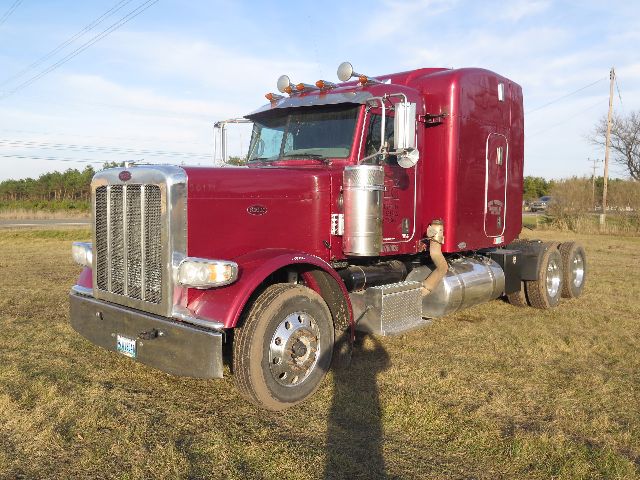
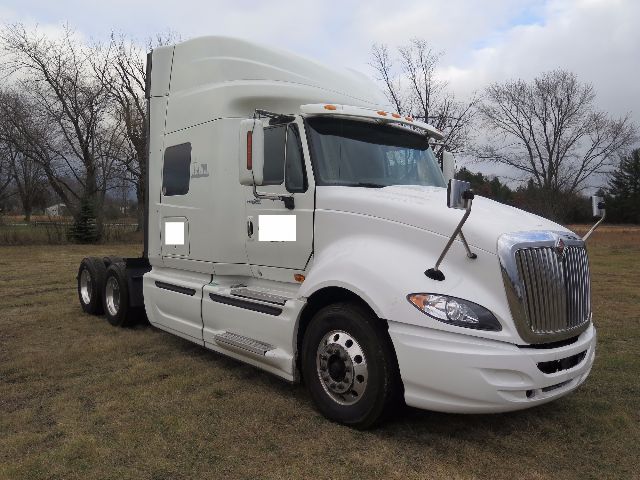
A sleeper truck is built for over-the-road work where driver comfort, fuel capacity, and wheelbase matter. These trucks, also known as road tractors or semi tractors, are commonly spec'd with dual aluminum fuel tanks, air ride suspension, 22.5-inch rubber, and fifth wheel setups designed for standard van, reefer, or flatbed trailer work. Buyers should pay close attention to horsepower and torque ratings, rear axle ratio, emissions system history, and mileage relative to engine rebuilds or maintenance records. A 400 to 500 horsepower truck may look similar on paper, but gearing and transmission choice will change how it performs under load and at highway speed.
For regional and local applications, a day cab may offer a better fit than a sleeper because it reduces weight, shortens wheelbase, and improves maneuverability around docks and tighter city routes. In either configuration, cab condition, frame integrity, tire match, brake wear, and suspension condition are practical buying points that affect operating cost immediately. On older used trucks, front-end repairs, cooling system replacement, clutch life, and signs of driveline vibration deserve a close inspection. If the truck has a rebuilt, salvage, or prior damage history, buyers should verify the quality of repairs, alignment, and supporting documentation before putting it to work.
Michigan buyers also tend to consider seasonal traction, corrosion exposure, and suitability for mixed interstate and secondary-road use. Aluminum wheels, good virgin rubber, locking differentials, and a sound air system can matter as much as the badge on the hood when winter conditions turn. The best truck is the one matched to lane, weight, driver preference, and maintenance budget. A long-haul owner-operator may prioritize fuel capacity, sleeper size, and engine familiarity, while a fleet buyer may focus more on standardized specs, serviceability, and uptime.
Frequently Asked Questions about Commercial Trucks Near Ravenna, Michigan
What is the difference between a sleeper truck and a day cab?
A sleeper truck includes a built-in compartment behind the seats for rest and over-the-road use, while a day cab does not. Sleeper trucks are generally better for long-distance hauling because they provide driver accommodations and often carry more fuel. Day cabs are better suited for local and regional runs where lower weight, a shorter wheelbase, and easier maneuvering are more important than living space.
What engine and transmission specs are common in used highway trucks?
Many used highway tractors are equipped with diesel engines in the 400 to 500 horsepower range from Cummins, Detroit Diesel, Paccar, International, or Mack. Common transmission choices include 10-speed and 13-speed manuals, along with automated manual transmissions in later-model fleet specs. Buyers should look beyond horsepower alone and compare torque, rear axle ratio, cruising RPM, and intended load to judge how a truck will actually perform.
What axle ratings should I expect on a conventional tandem-axle truck?
A common highway tractor setup includes a 12,000-lb front axle and 40,000-lb tandem rear axles. That is a standard spec for many over-the-road applications, but exact legal payload depends on wheelbase, bridge laws, trailer setup, and state regulations. The axle rating should match the work, especially if the truck will pull heavy freight, operate in bulk service, or run in regions with steep grades or rough roads.
What should I inspect first on a used truck before buying?
Start with the frame, engine condition, transmission operation, emissions system status, and maintenance history. Then inspect tire wear, brake condition, suspension components, steering play, air leaks, and signs of previous collision or rollover damage. A truck can run and drive well on a short test route and still have expensive issues in the cooling system, differential, clutch, or aftertreatment system, so records and a qualified inspection are important.
Are salvage-title trucks worth considering in the used truck market?
A salvage-title truck can be a value buy if the repairs were done correctly and the damage did not compromise the frame, driveline geometry, or long-term reliability. The key is documentation, alignment verification, and a careful inspection of structural and mechanical repairs. Buyers should also consider financing limitations, insurance requirements, and resale value, since those factors can affect total cost even if the initial purchase price is attractive.