
Trucks For Sale Near Randolph, Vermont
Browse trucks for sale in Randolph, Vermont, including medium-duty and specialty commercial trucks suited for municipal, transit, and fleet use.
Learn more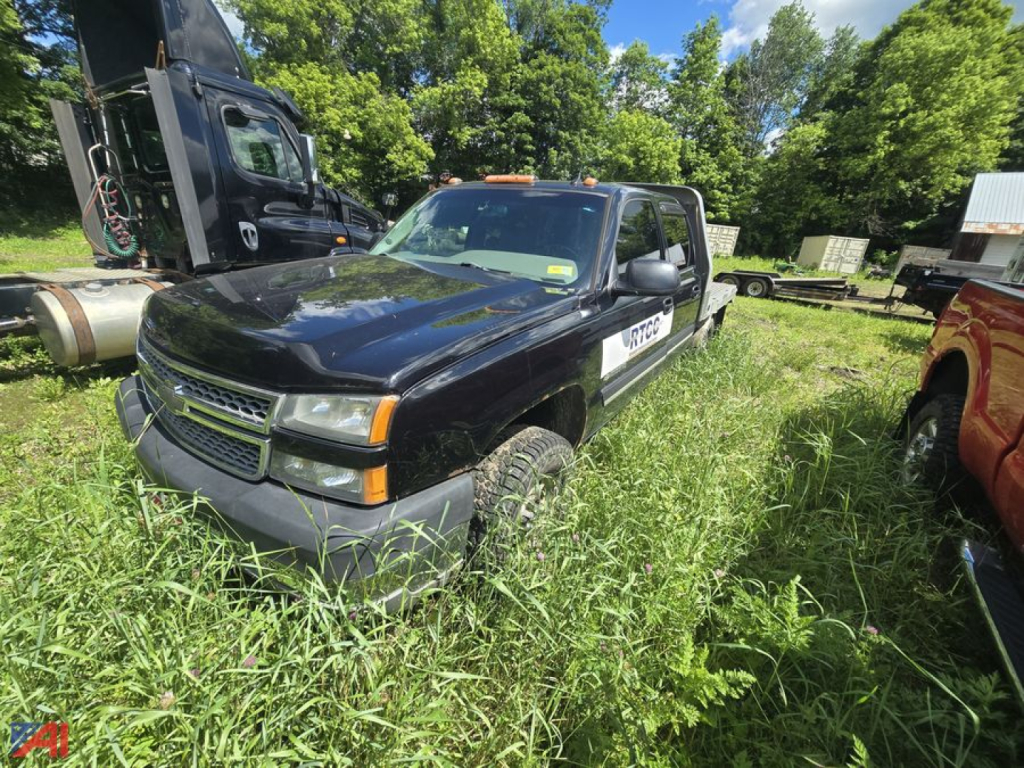
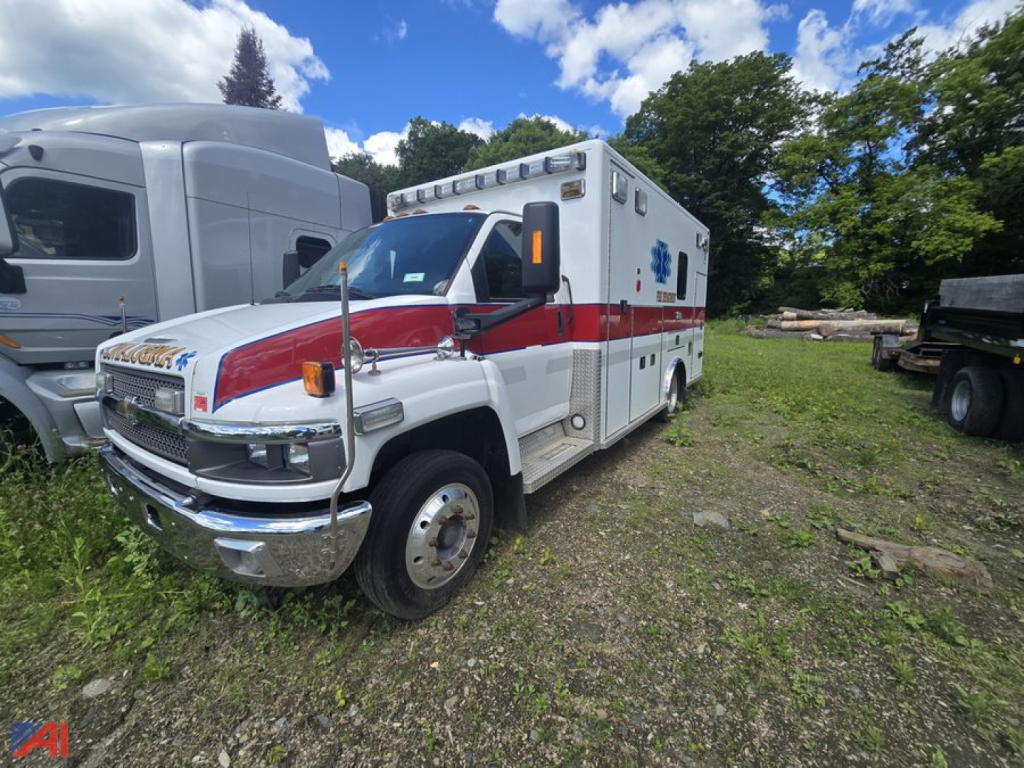
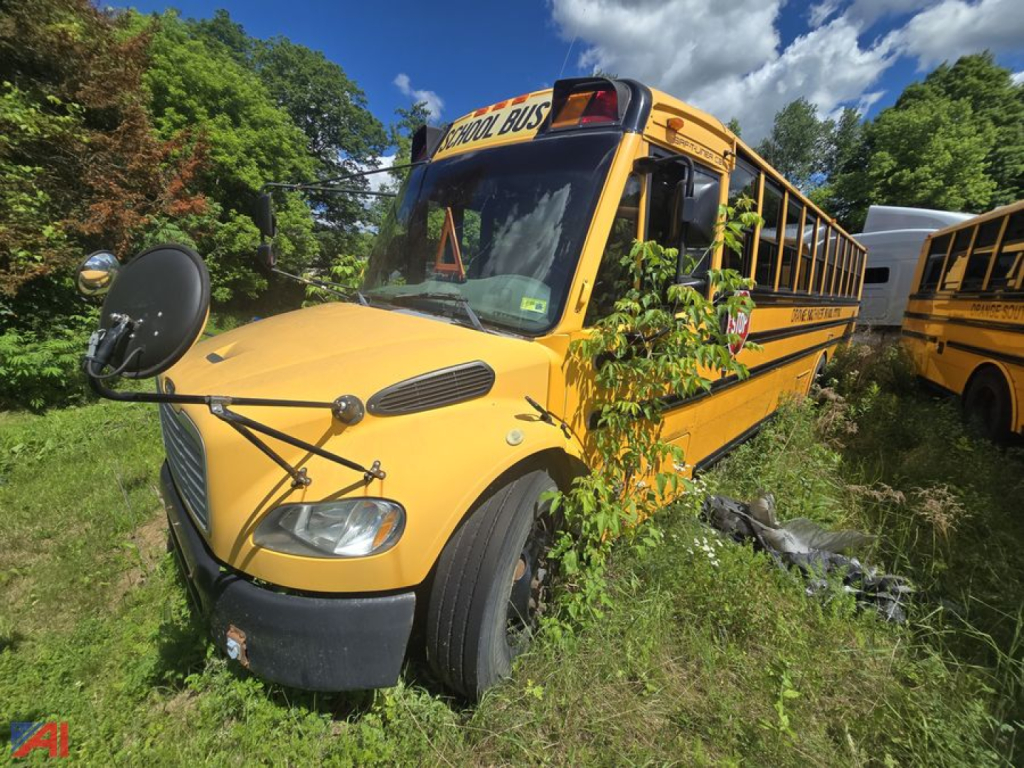
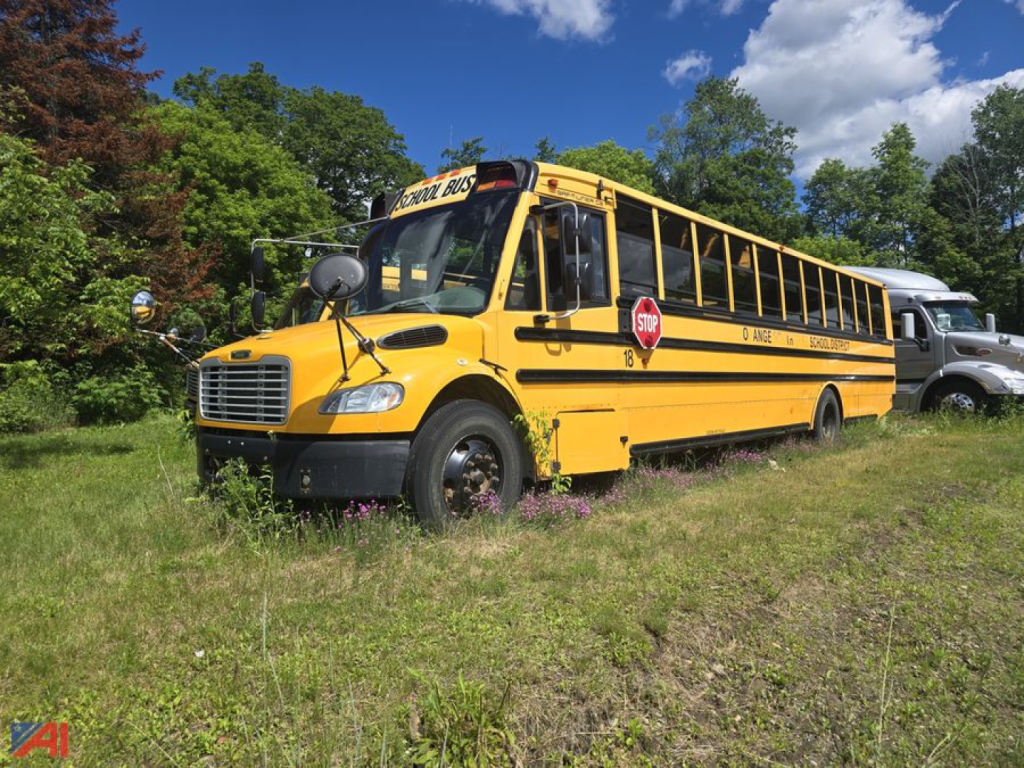
Have truck to sell? List it here to reach thousands of buyers.
About Trucks Near Randolph, Vermont
A smart buying decision starts with matching the truck to the actual job cycle. Light-duty and medium-duty trucks can overlap on paper, but axle ratings, brake size, frame strength, suspension setup, and body compatibility make a real difference in operating cost and lifespan. Buyers should confirm GVWR, wheelbase, cab-to-axle measurement, engine hours where applicable, PTO readiness, hitch capacity, and whether the truck has a gas or diesel engine. For shuttle, transit, or bus-style configurations built on truck chassis, passenger capacity, door operation, ADA equipment, lift condition, and body corrosion are just as important as drivetrain mileage. In northern climates like Vermont, rust on frames, brake lines, spring hangers, crossmembers, and body mounts deserves close attention.
Used trucks in this class are often selected for versatility. A cab and chassis can support dump, service, landscape, utility, stake, box, or specialty bodies, while cutaway truck platforms are common for transit and paratransit service. Buyers comparing listings should look at transmission type, rear axle ratio, 4x2 versus 4x4, fuel tank capacity, interior wear, and maintenance history. On higher-cycle fleet units, steering components, front-end wear, suspension bushings, cooling systems, and electrical accessories can tell you as much as the odometer. If the truck has been used in municipal or transit service, idling time and stop-and-go duty matter because they affect engine wear, emissions components, and brake life.
The best truck for this category is the one with the right chassis capacity and the least mismatch between prior use and your next application. Buyers in Randolph who operate in snow, mud season, and hilly terrain should pay close attention to tires, traction setup, heater performance, block heater presence, battery condition, and underbody corrosion protection. A truck that is easy to service locally, has clear fleet records, and is properly rated for the body or passenger load will usually outperform a cheaper unit with marginal capacity or deferred maintenance.
Frequently Asked Questions
What should I check first when comparing used trucks for sale?
Start with GVWR, axle ratings, wheelbase, engine type, transmission, and the truck’s prior application. Those specs determine whether the chassis is truly suited for hauling, service work, passenger use, or body upfit. After that, review maintenance records, rust condition, brake and suspension wear, and any signs of hard fleet use such as excessive idling or repeated stop-and-go service.
Are bus and shuttle units built on truck chassis different from standard commercial trucks?
Yes. Many shuttle buses and paratransit units use cutaway or medium-duty truck chassis such as the Ford E450 or F550, but the body, passenger equipment, lift systems, and door hardware add another layer of inspection. Buyers need to evaluate both the chassis and the body systems, especially ADA equipment, electrical accessories, heater performance, and corrosion around mounts and lower body panels.
Is rust a major concern for trucks in Vermont?
Rust is a major buying factor in Vermont because road salt, freeze-thaw cycles, and wet secondary roads accelerate corrosion. Buyers should inspect frame rails, crossmembers, cab corners, brake lines, fuel and transmission lines, spring mounts, body supports, and electrical connectors. Surface rust is common, but scaling, perforation, or rust in structural attachment points can turn a low-priced truck into an expensive repair project.
Should I choose a gas or diesel truck in this category?
That depends on the duty cycle and maintenance expectations. Gas engines can make sense for lower annual mileage, lighter payloads, and fleets that want simpler emissions systems and lower upfront cost. Diesel engines are often preferred for heavier loads, longer service life under hard use, and better torque, but buyers should pay attention to DPF, DEF, EGR, and overall emissions-system condition on used units.
What matters most for buyers using trucks in hilly and winter conditions?
Traction, braking, and cold-weather reliability matter most. Buyers should look at rear axle ratio, tire condition, 4x4 availability where needed, battery strength, block heater presence, heater and defroster performance, and brake condition. In hilly parts of Vermont, a truck that is correctly geared and properly rated for the load will perform better and operate more safely than a truck chosen only by price or mileage.