
Commercial Trucks For Sale Near Raleigh, North Carolina
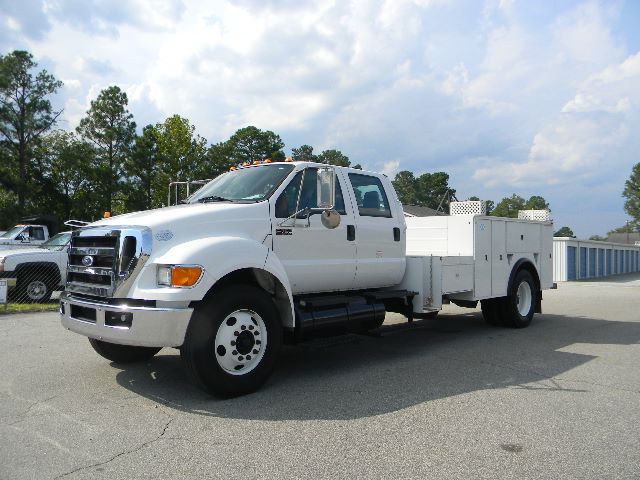

Have commercial truck to sell? List it here to reach thousands of buyers.
Commercial Trucks Near Raleigh, North Carolina
For construction and aggregate hauling, dump trucks are often evaluated by axle count, suspension, frame strength, hoist condition, and legal payload potential. Tandem and quad-axle setups are common where payload and bridge law compliance drive profitability. Buyers should pay attention to engine family, transmission configuration, rear axle ratio, and whether steerable lift axles or pusher axles are equipped and functioning properly. On box trucks, the priority usually shifts to cargo body dimensions, door type, liftgate capacity, and route suitability for local or regional delivery. Maneuverability, cab access, and service history matter more on city-route trucks than on long-haul equipment.
Specialty vocational trucks need a closer look at the upfit. A tank truck may be configured for water, septic, fuel, or street service, and pump ratings, tank capacity, baffle design, PTO operation, and plumbing condition all affect value. Vacuum trucks are often used by utility departments, sewer contractors, and industrial service fleets, where blower performance, tank integrity, hose storage, and filtration components are central to the truck’s usefulness. Refuse trucks, including side loaders and front or rear loaders, should be assessed by packer condition, hydraulic performance, body corrosion, hopper wear, and steering configuration. On older municipal trucks, it is common to see solid drivetrain life left even when cosmetic wear, rust, A/C issues, or electrical repairs are needed.
Raleigh-area buyers often look for trucks that can handle stop-and-go service, seasonal municipal work, and mixed urban-suburban routes. Diesel engines from Cummins, Mack, International, and similar platforms remain common in this class, paired with Allison automatic transmissions or manual gearboxes depending on the application. Service records, idle hours, PTO hours, brake type, tire condition, and emissions system status can tell you more than mileage alone on used vocational trucks. A well-matched truck is one with the right body, axle rating, and drivetrain for the job, plus enough parts and service support to stay productive in North Carolina fleet use.
Frequently Asked Questions about Commercial Trucks Near Raleigh, North Carolina
What should I look at first when comparing used trucks for sale?
Start with the truck’s intended job and confirm the body type, GVWR, axle setup, and PTO requirements match that application. A dump truck, box truck, tank truck, vacuum truck, and refuse truck can all have very different frame, suspension, hydraulic, and drivetrain demands even if they appear similar at a glance. After that, review engine and transmission specs, wheelbase, body condition, service history, and any signs of corrosion or hydraulic wear. On vocational trucks, the equipment mounted on the chassis often determines value as much as the cab and engine.
Is mileage the most important factor on a used vocational truck?
Mileage matters, but it is not the only number that should drive a buying decision. Many municipal and utility trucks spend long periods idling or operating PTO-driven equipment, so engine hours, PTO hours, maintenance records, and body operating condition can be just as important. A lower-mile truck with neglected hydraulics, rusted body structure, or emissions problems may be a worse value than a higher-mile unit with consistent service history. Always consider how the truck was used, not just how far it traveled.
What are the main differences between a dump truck and a box truck in buyer criteria?
A dump truck is usually judged by payload capacity, axle configuration, suspension, hoist performance, frame condition, and legal operating weight. A box truck is more often evaluated by cargo volume, body dimensions, door access, liftgate specifications, and suitability for local delivery routes. Dump trucks face higher structural stress and often work in off-road or construction environments, while box trucks tend to be chosen for maneuverability, loading efficiency, and route productivity. The right choice depends on whether your operation is hauling bulk material or protected freight.
How do I evaluate a used tank or vacuum truck?
Focus on the complete system, not just the chassis. Tank capacity, internal condition, pump or blower performance, PTO engagement, plumbing, valves, hose reels, and body corrosion all affect the truck’s operational value. You should also confirm what product or material the unit was built to handle, because water service, septic work, industrial vacuum service, and street flushing all require different configurations. A sound drivetrain is important, but the mounted equipment is what determines whether the truck can actually perform the intended work.
Are older municipal trucks worth considering for commercial use?
They can be, especially when the truck has a documented maintenance history and a body style that fits your operation. Municipal fleets often follow scheduled service intervals, which can be a positive for drivetrain longevity, but buyers should still inspect for rust, electrical issues, inactive warning lights, A/C problems, and wear in hydraulic or packing systems. Older government units may show cosmetic age while still offering useful service life for construction, utility, hauling, or property maintenance work. The key is verifying that the truck’s remaining life matches the demands of your business.